
 ENG
ENG  English
 русский
 Français
 Español
 عربى
عربى Türk
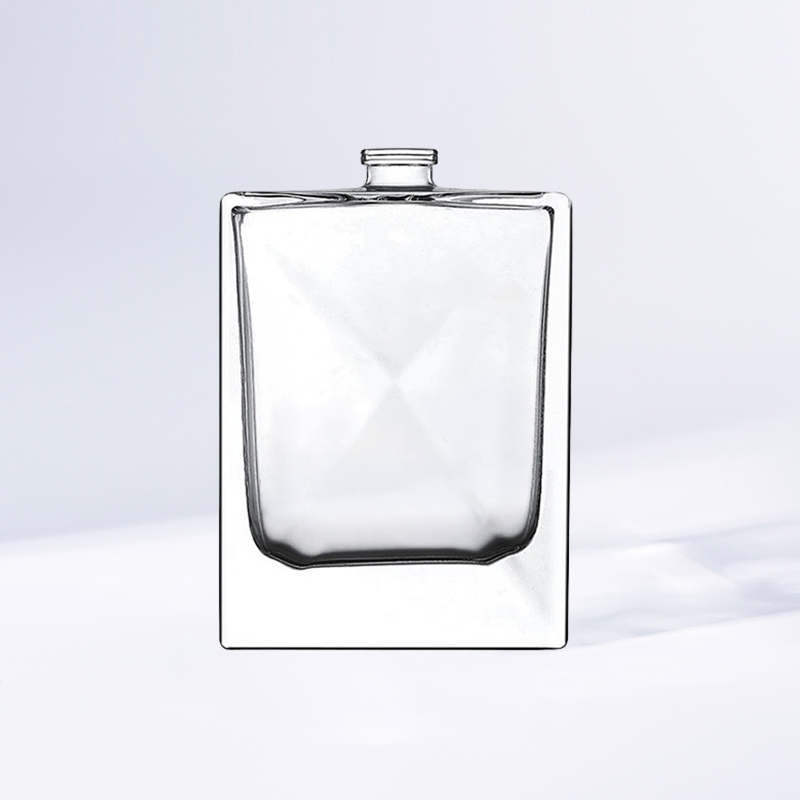
TürkJ2249 Premium Transparent Glass Perfume Bottle 104ml. Made of clear glass with a sleek metal dome cap. Dimensions: 66.8x40.5x96.3mm, 260g. Suitable for daily use, travel, and gifting. Transparent body...
See DetailsMiddle East Perfume Glass Packaging Supplier: Saudi Arabia & UAE Market Guide 2026
2026-09-30
The Middle East is one of the fastest-growing regions for fragrance packaging. For a Middle East perfume glass packaging supplier, this market offers significant opportunities. The GCC fragrance market was valued at USD 4.22 billion in 2025 and is projected to reach USD 5.31 billion by 2031. Perfume bottles are the largest product segment within the region's cosmetic and perfumery glass bottles market. For B2B buyers sourcing a glass perfume bottle manufacturer or UAE fragrance packaging partner, understanding the market landscape is the important step.
Market Size and Growth: Saudi Arabia and UAE
Saudi Arabia and the UAE are the two dominant markets in the region. Saudi Arabia held 2.5% of the global cosmetic and perfumery glass bottles market in 2025. The country's market is projected to grow at a CAGR of 5.74% from 2026 to 2034, with perfume bottles dominating the product type category.
The UAE is expected to be a major market in the Middle East and Africa region by 2034, reaching USD 0.13 million in the cosmetic and perfumery glass bottles market. The UAE also hosts the high concentration of direct-to-consumer and subscription-based fragrance brands, supported by a strong e-commerce infrastructure and free-zone logistics. Luxury beauty product sales in the UAE have seen a 30% increase, driving demand for premium glass packaging solutions.
Kuwait, Qatar, and Oman together constitute 15-20% of regional demand, with wealthy per-capita spending patterns that favor premium and luxury gift sets. Travel retail, particularly duty-free at Doha Hamad International Airport and Dubai International Airport, is a major channel for fragrance purchases.
| Country | Market Position | Key Driver |
| Saudi Arabia | Largest GCC market, 2.5% of global glass bottle market | Rising disposable income, tourism growth |
| UAE | Fast-growing in MEA, expected to be a major market by 2034 | Luxury retail, e-commerce, free-zone logistics |
| Kuwait | 15-20% of regional demand | High per-capita spending, gifting culture |
| Qatar | High-value gift set market | Travel retail, premium preferences |
| Oman | Stable demand | Growing middle class |
Design Trends: What Middle East Buyers Expect
Fragrance packaging in the Middle East follows distinctive design codes. Buyers expect opulence as a design philosophy, not just a decoration choice. This translates into specific requirements for a glass perfume bottle manufacturer serving the region.
Higher-weight bottles are in demand. A Middle East perfume glass packaging supplier should target glass weights of 100-200g for 50ml formats. High-mass cap materials such as zamac, aluminum, or brass are preferred over plastic. The tactile experience of weight and density reinforces the perception of luxury.
Cultural resonance matters. Personalized packaging differentiates brands as Gulf consumers expect Arabic calligraphy and heritage-inspired color palettes. Limited-edition fragrance launches with local artists have demonstrated strong engagement and loyalty. Bold color, precious metalwork, and the art of contrast are central to perfume bottle design in the region.
Suppliers are responding by funding regional design centers and installing digital printers that deliver cost-effective small-batch runs. This enables premium pricing without inflating inventory costs, allowing brands to test micro-collections aligned with cultural events.
Regulatory Requirements for Perfume Glass Packaging
Compliance is a critical consideration for any Middle East perfume glass packaging supplier. The regulatory framework is layered and country-specific.
The GCC Standardization Organization (GSO) has adopted mandatory technical regulations for cosmetics and perfumery products under GSO 1943:2024, covering safety, labeling, and packaging. All imported and locally produced cosmetic products must be registered in the GCC's Cosmetic Products Notification System. Registration fees range from USD 1,500 to 5,000 per product category per country, with processing times of 4 to 12 weeks.
Saudi Arabia requires all cosmetic products to be registered with the Saudi Food and Drug Authority (SFDA) before import. The UAE mandates that product labels bear the Emirates Authority for Standardization and Metrology (ESMA) conformity mark. Arabic labeling is mandatory, with font height no less than 1.2mm. Packaging must also pass UV resistance testing.
For glass containers specifically, UAE.S GSO 2093 sets requirements for cosmetics packaging. The UAE's single-use plastic ban and Saudi Arabia's Extended Producer Responsibility rules are also compelling rapid design alterations, raising unit costs by 15-25% and favoring suppliers versed in sustainable alternatives. From 2030 onward, glass bottles with PVC or silicone sleeves may face restricted recyclability declarations.
For B2B buyers sourcing a glass perfume bottle manufacturer for the Middle East, working with a supplier that understands these regulations is essential. Non-compliance risks shipment delays, fines, or confiscation.
Sourcing Considerations for B2B Buyers
If you are sourcing glass perfume bottles for the Middle East market, here are key considerations.
Choose the right partner. A Middle East perfume glass packaging supplier should have experience with regional regulations, decoration preferences, and logistics requirements. The region's ambient temperatures can exceed 50°C in summer, making temperature-controlled storage a safety requirement to prevent pressure buildup in aerosolized products.
Consider capacity and format. The market segments by capacity into up to 50ml, 50-100ml, 100-150ml, 150-200ml, and above 200ml. Gift sets are a significant channel, particularly in Kuwait and Qatar.
Plan for e-commerce. The UAE hosts a high concentration of DTC fragrance brands. Packaging must survive transit. Glass bottles require careful packaging to prevent breakage.
Evaluate decoration. Screen printing, hot stamping, and metallization are standard for the region. A UAE fragrance packaging partner should offer these capabilities. For brands with sustainability commitments, water-based lacquers and organic inks are increasingly available.
Verify PCR content. Saudi consumers are accelerating the shift toward sustainable packaging, including recyclable bottles and refillable containers. A B2B perfume packaging Middle East partner that offers PCR glass options can help meet these expectations.
Why Jili for Your Middle East Perfume Glass Packaging?
At Jili, we understand that a Middle East perfume glass packaging supplier must deliver both luxury aesthetics and regulatory compliance. Our core expertise is glass bottle manufacturing with precision molding and consistent quality. We offer a range of capacities suitable for the Middle East market, from 30ml travel sizes to 100ml and above.
Our decoration capabilities include screen printing, hot stamping, metallization, and frosting. We work with brands to align packaging design with regional preferences, including heavier glass weights and premium cap materials. We also support PCR glass and lightweight options for brands with sustainability goals.
Whether you are launching a new fragrance for Saudi Arabia, the UAE, or the broader GCC, Jili can help you source glass perfume bottles that meet market expectations and regulatory requirements.
Related products
-
-
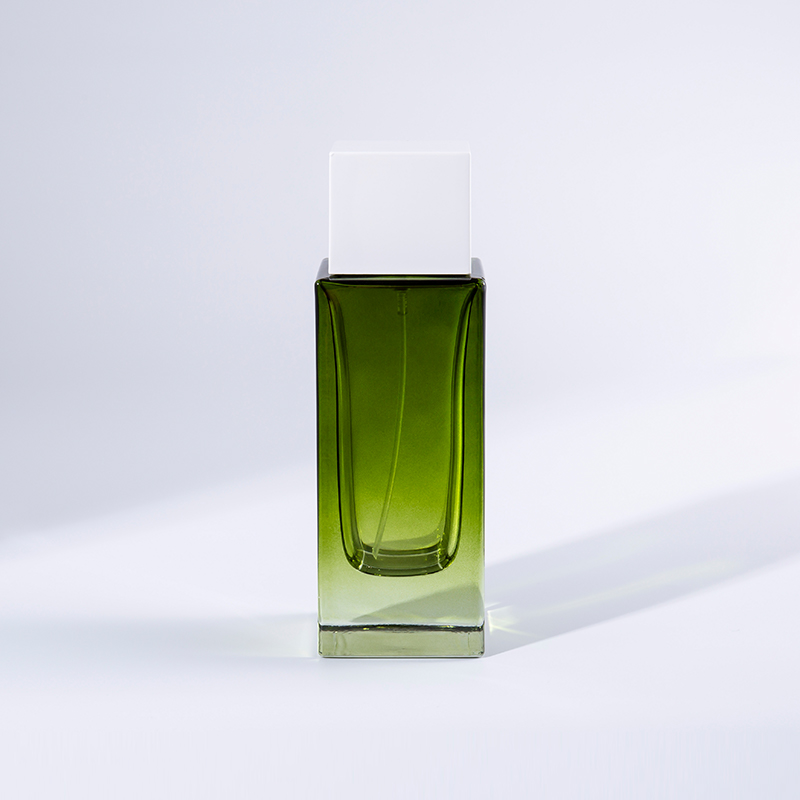
J2943 Crimp Perfume Bottle 80ml. Glass bottle with crimp neck for an airtight seal with spray pump. 80ml capacity. Ideal for commercial perfumes, eau de toilette. Transparent glass showcases liquid co...
See Details -
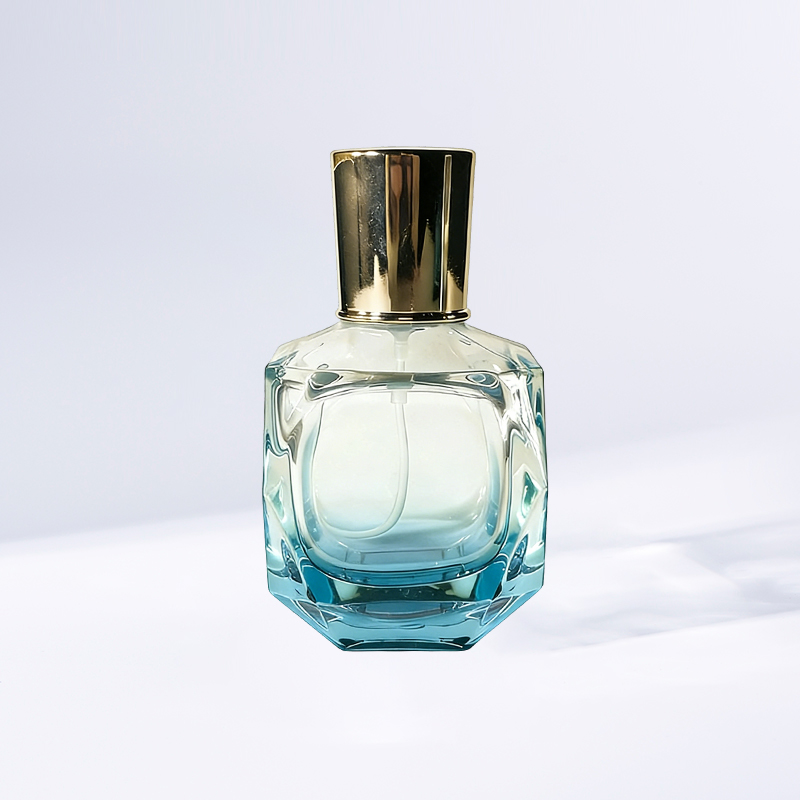
Advantages:● Spray-paint finish directly colors the bottle, avoiding label peeling and ensuring uniform surface appearance.● Compact packaging dimensions (44.6mm square) help optimize storage and ship...
See Details -
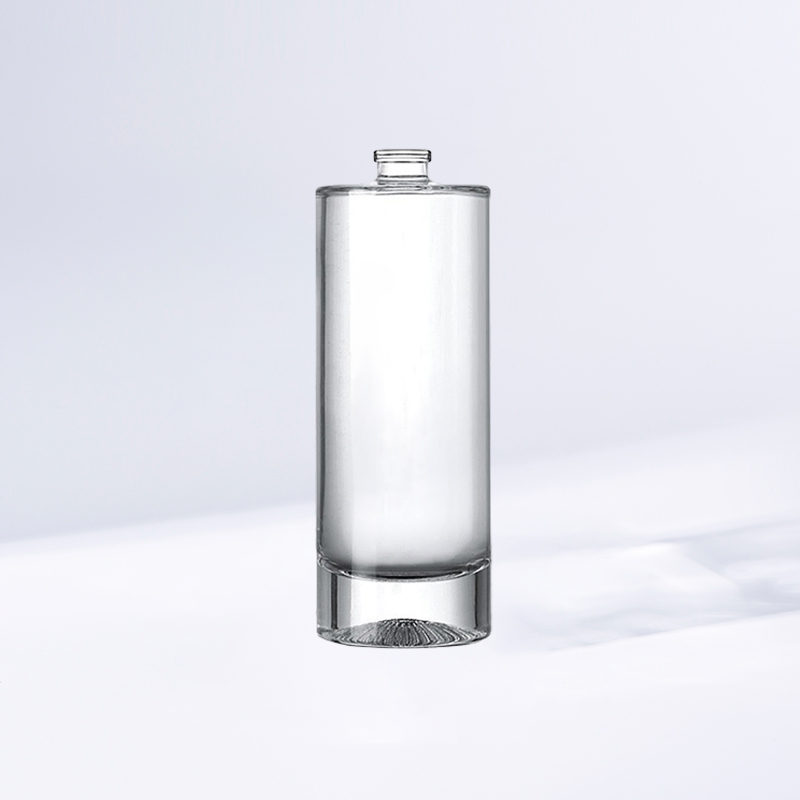
J2433 Transparent Cylinder Screw-Top Perfume Bottle 100ml. Features a clear glass cylindrical body with a stable, wide base and a color-matched screw cap for secure sealing. Dimensions: 63x63x85mm, we...
See Details
Contact Info.
-
Tel.
+86 153 7158 1688 (Simon)
+86 181 3693 6668 (Mary)
+86 139 5117 2783 (Junwei Hua) -
Email
zl@jl-bl.cn (Simon)
mary@jl-bl.cn (Mary)
jwhua@jl-bl.cn (Junwei Hua) -
Address
Hongqiao Town, Taixing City, Taizhou City, Jiangsu Province, China
- Media
Leave Us for Quote
Copyright © Taixing Jili Glass Products Co., Ltd. All Rights Reserved. Custom Cosmetic Glass Packaging, Luxury Perfume Glass Bottle Manufacturer
