
 ENG
ENG  English
 русский
 Français
 Español
 عربى
عربى Türk
Türk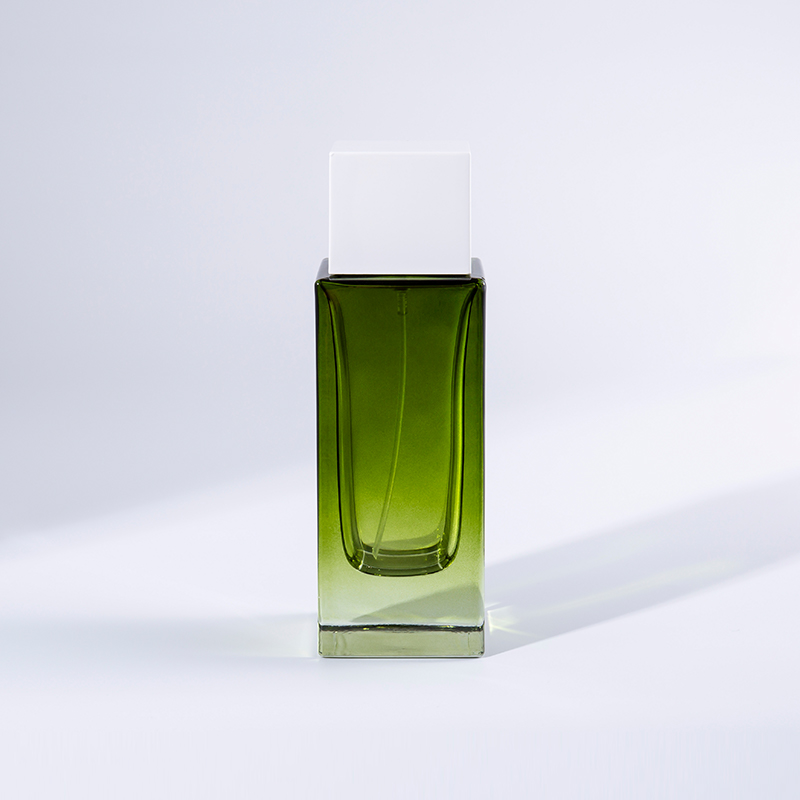
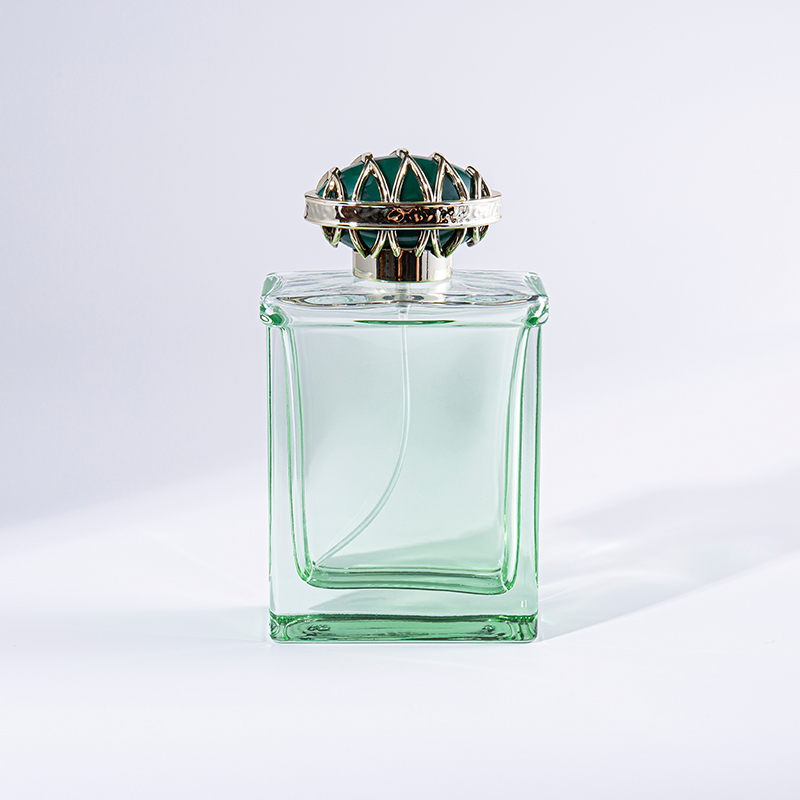
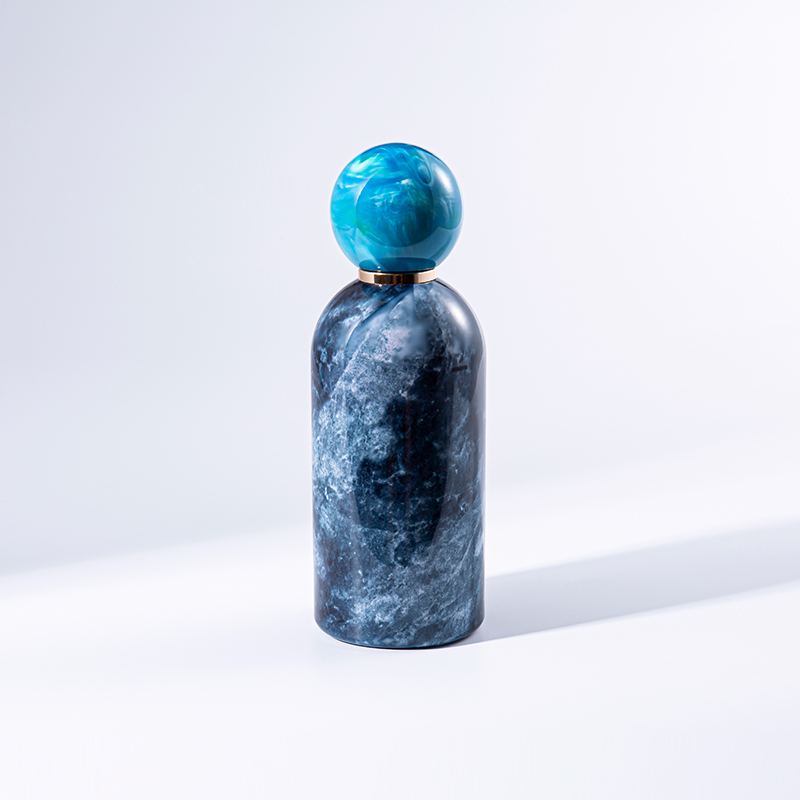
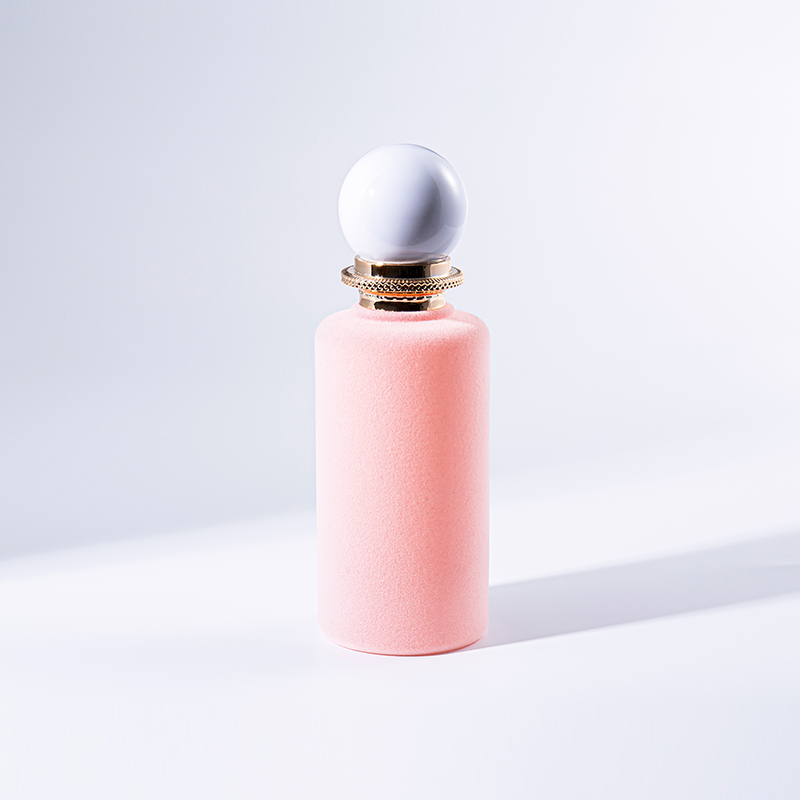
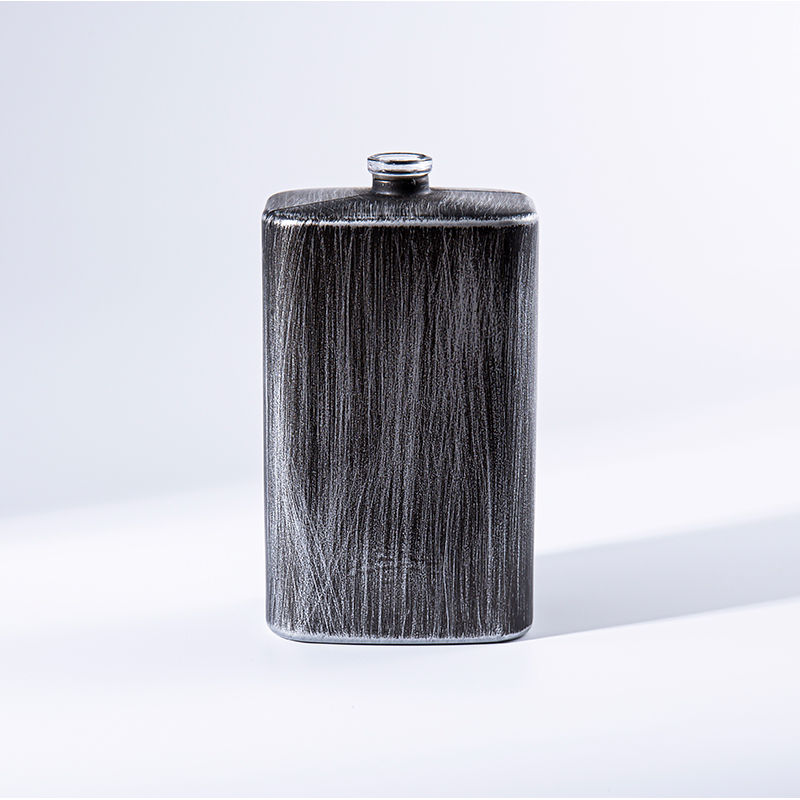
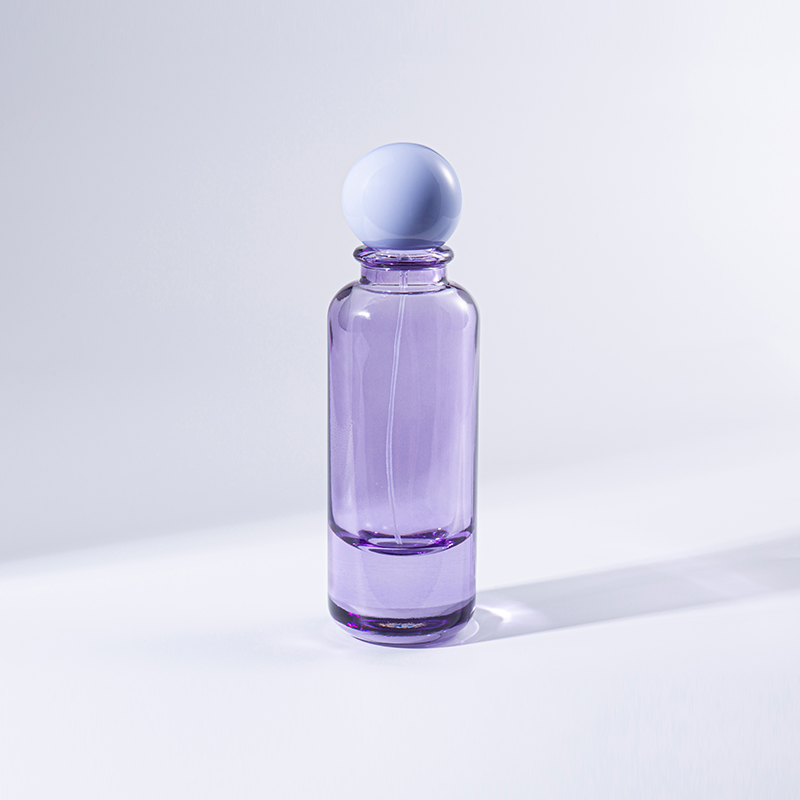
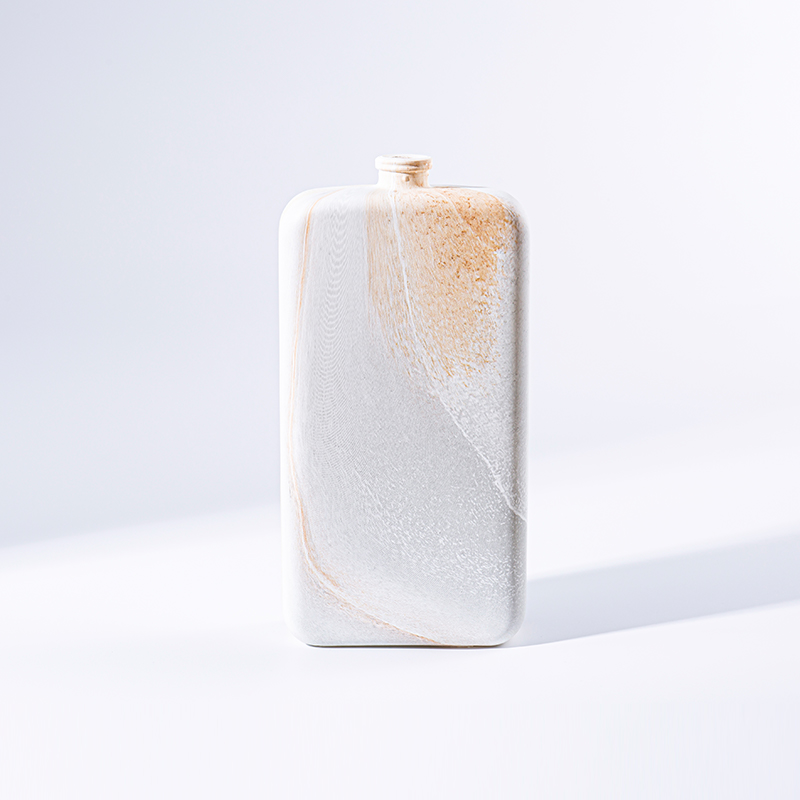
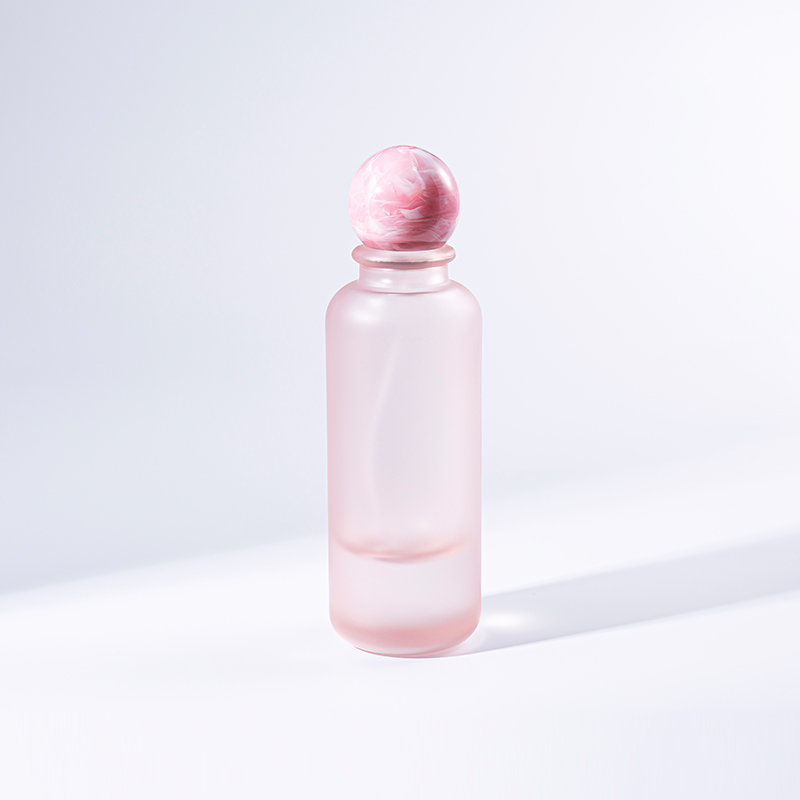
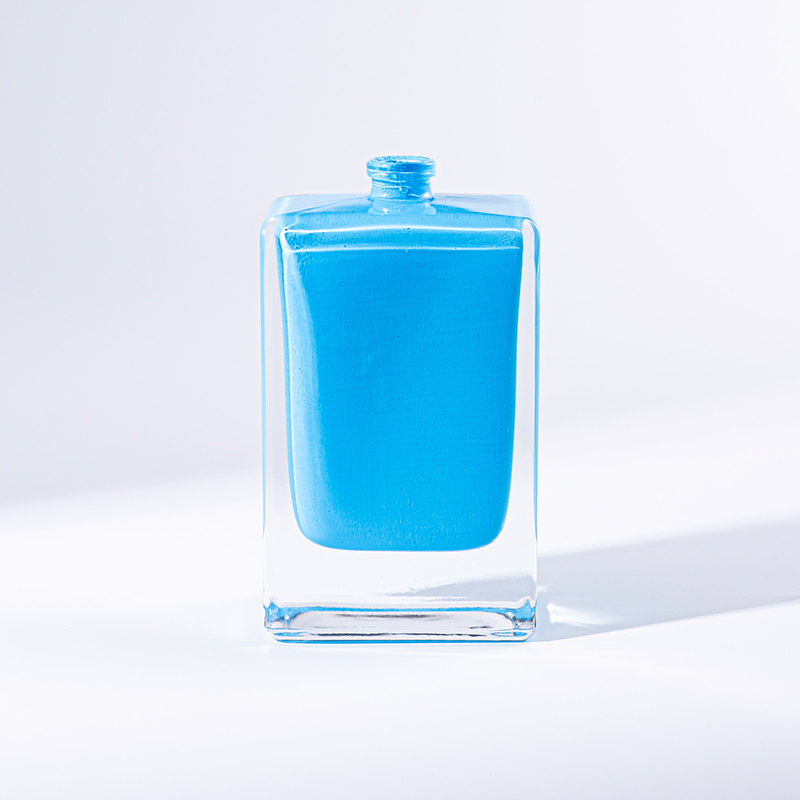
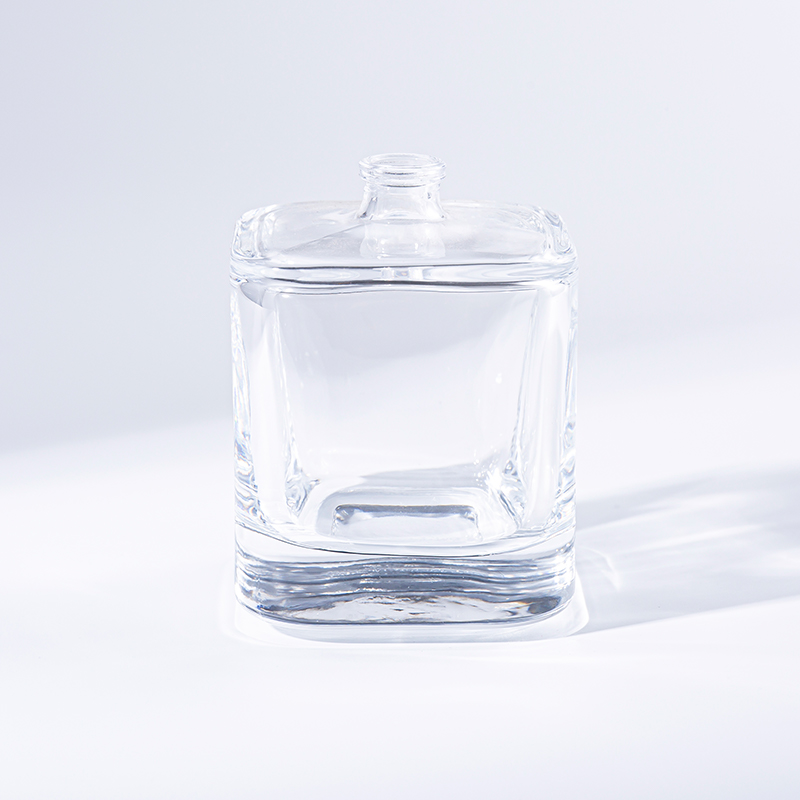
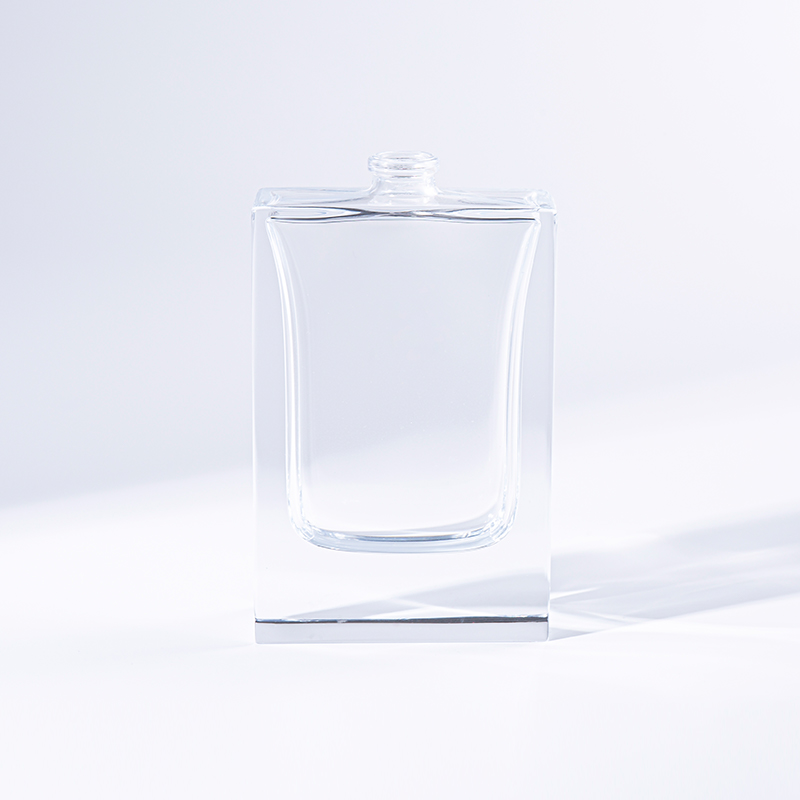
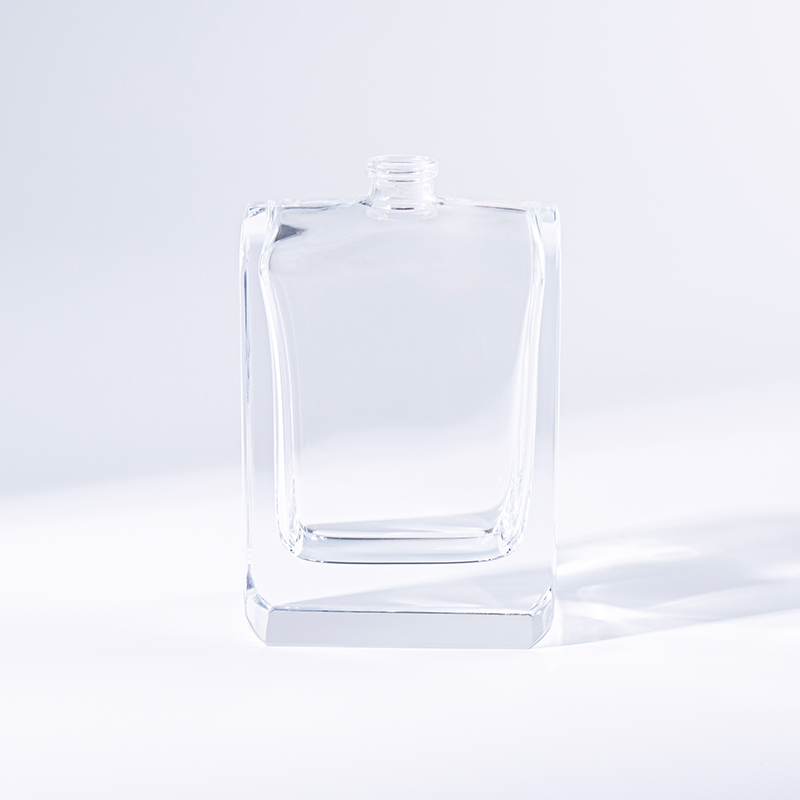
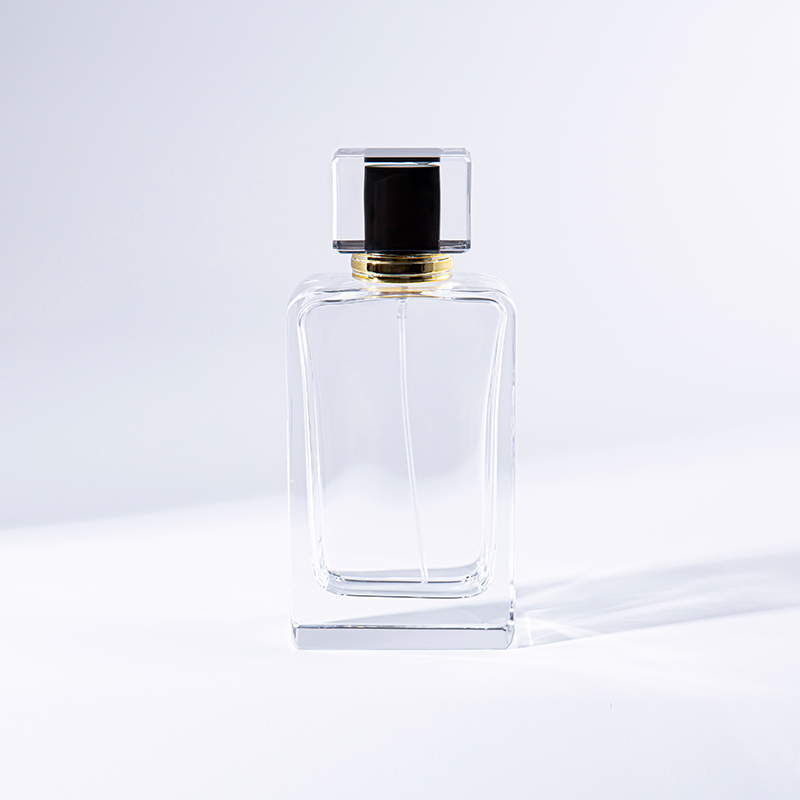
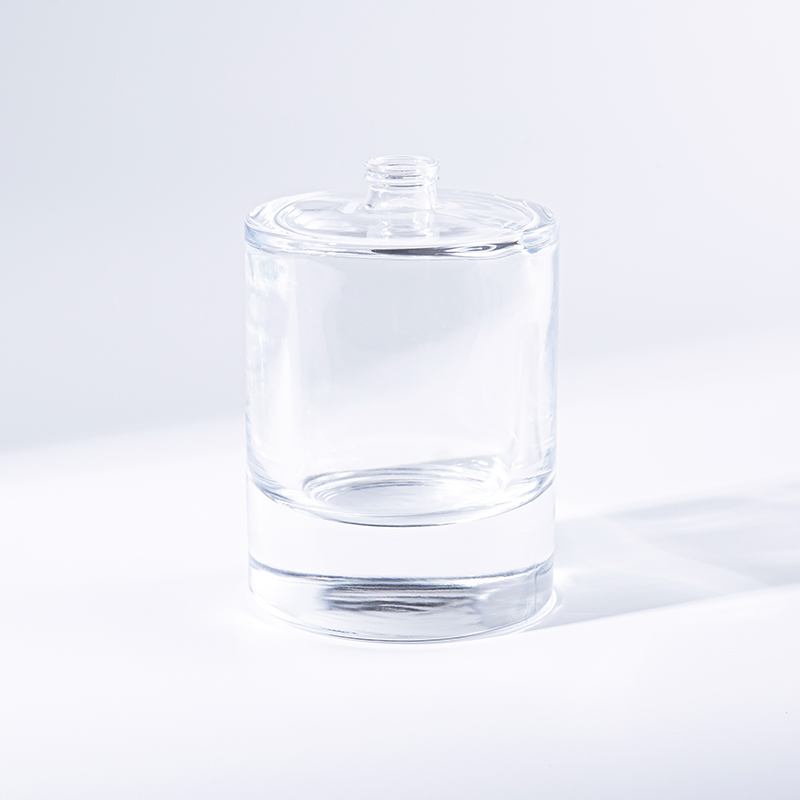
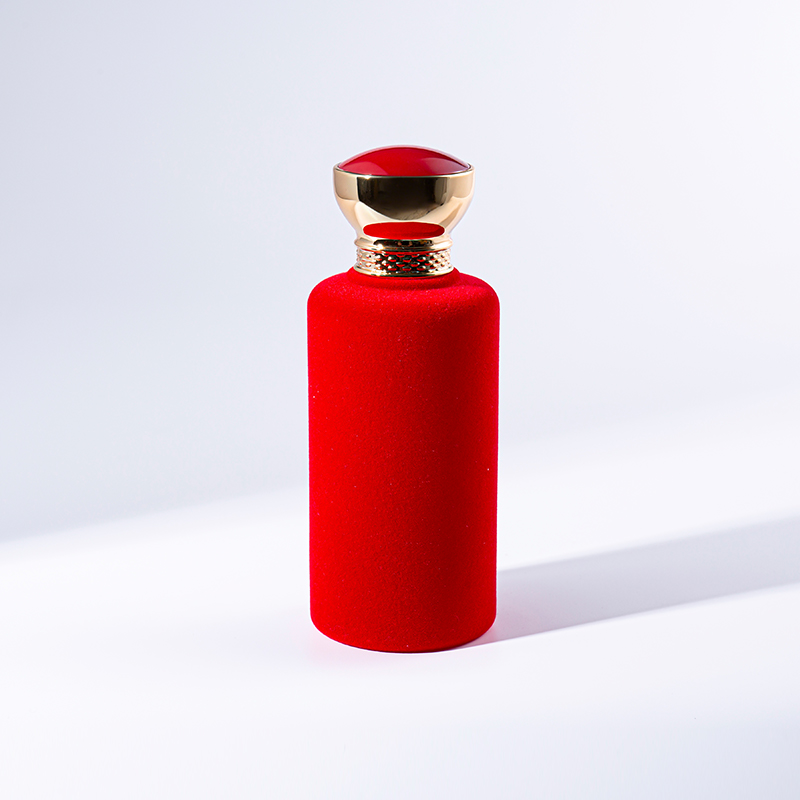
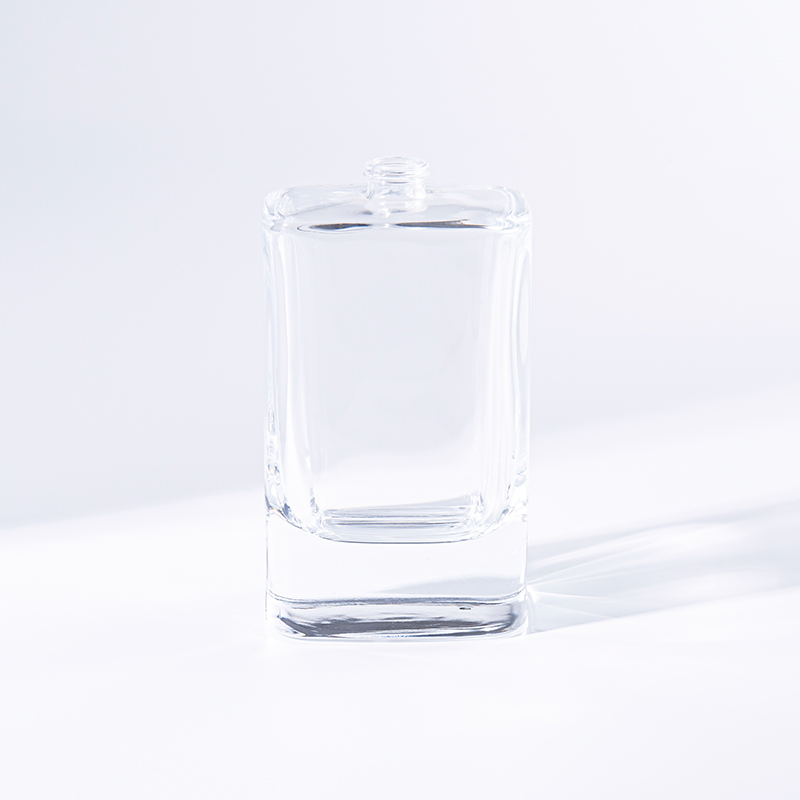
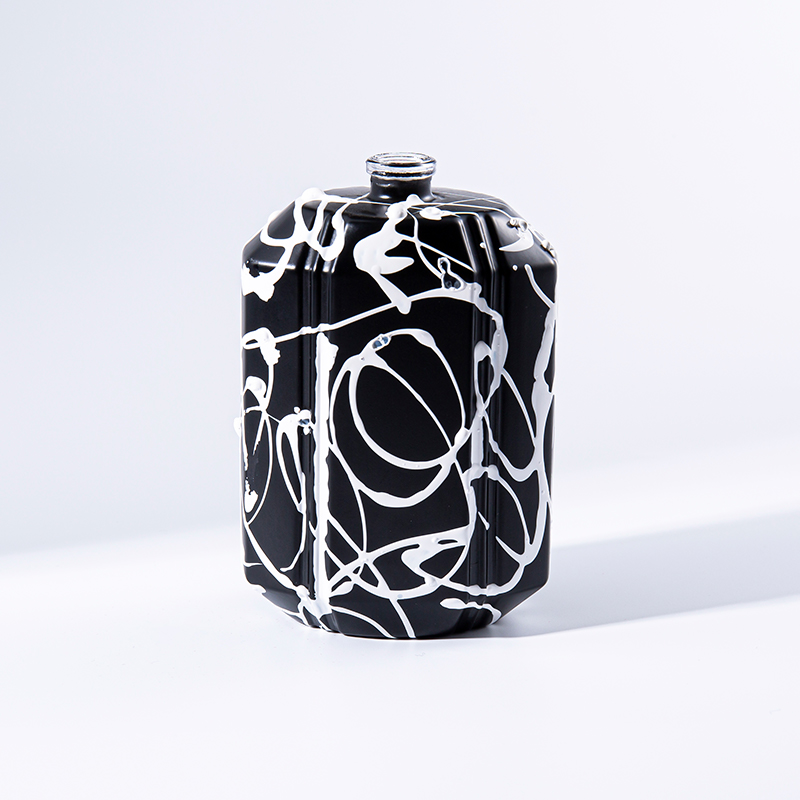
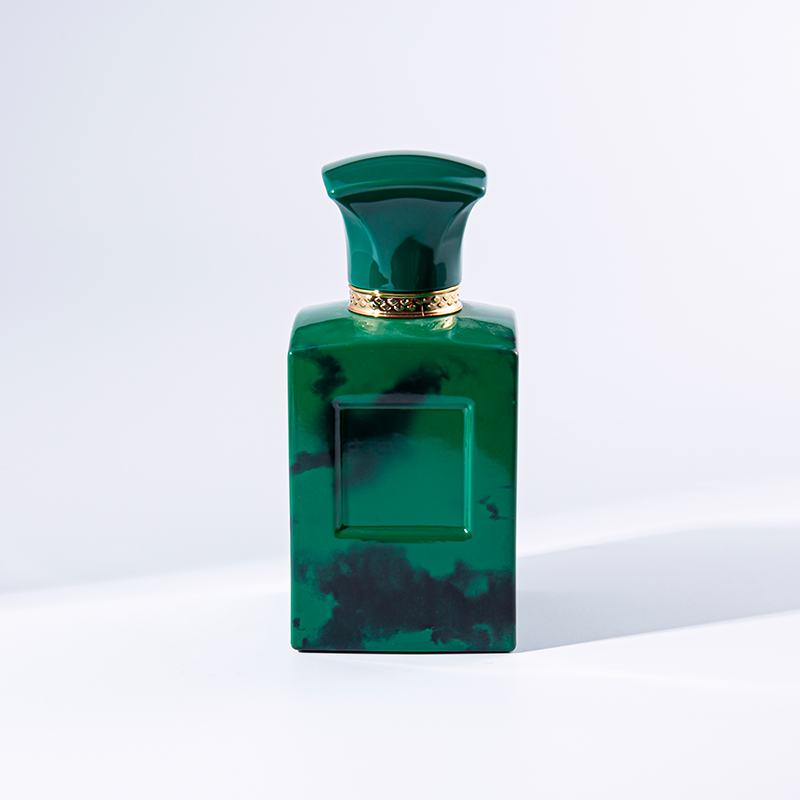
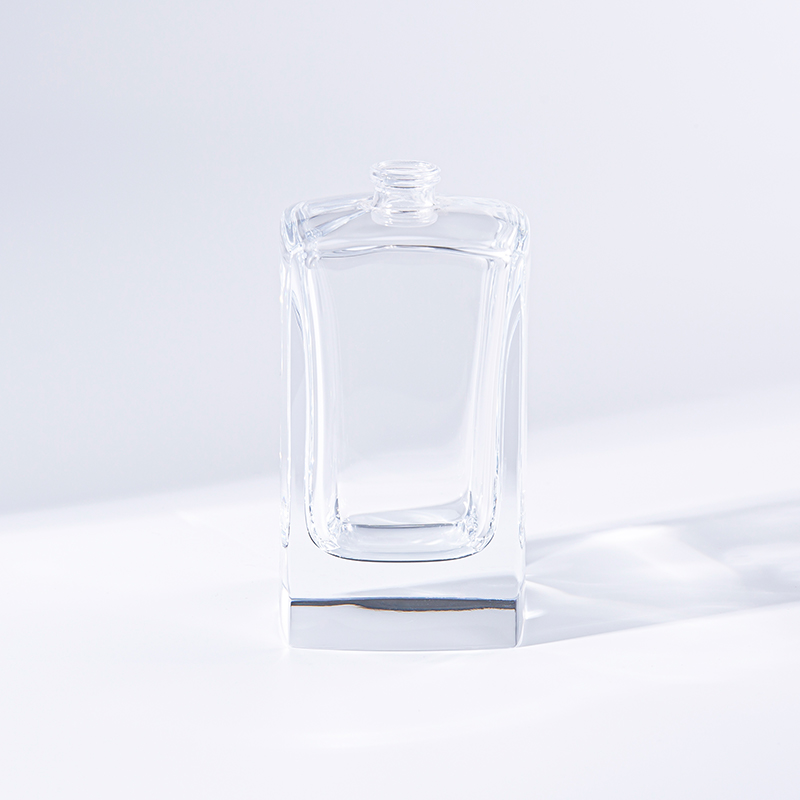
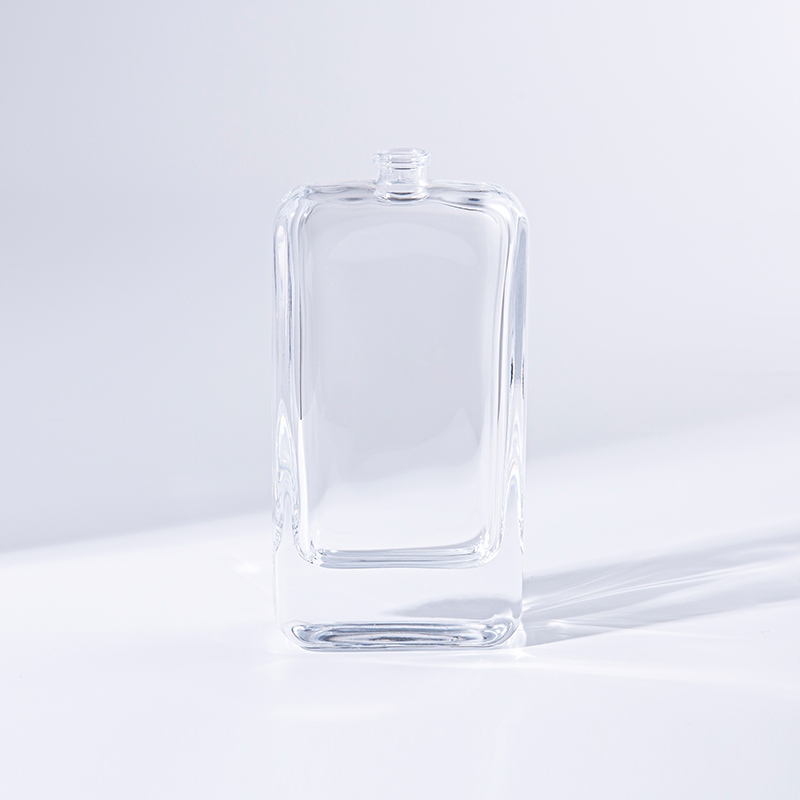
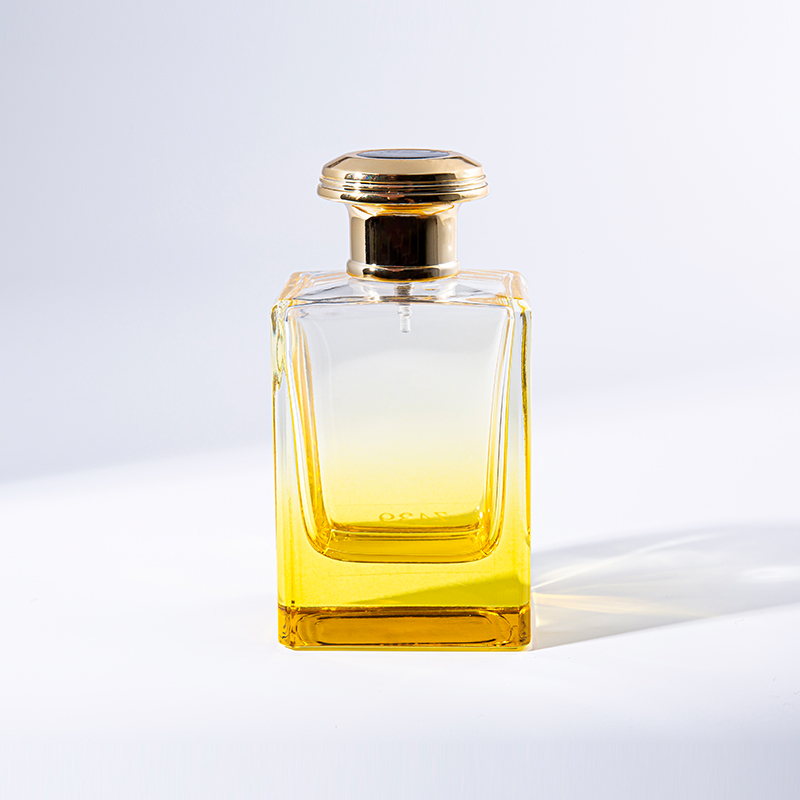
Custom Glass Bottles: Applications, Customization, and Wholesale Solutions
Custom glass bottles are widely used in bever...
READ MORE
Search
Categories
Eco-Friendly Perfume & Cosmetic Glass Bottle Suppliers
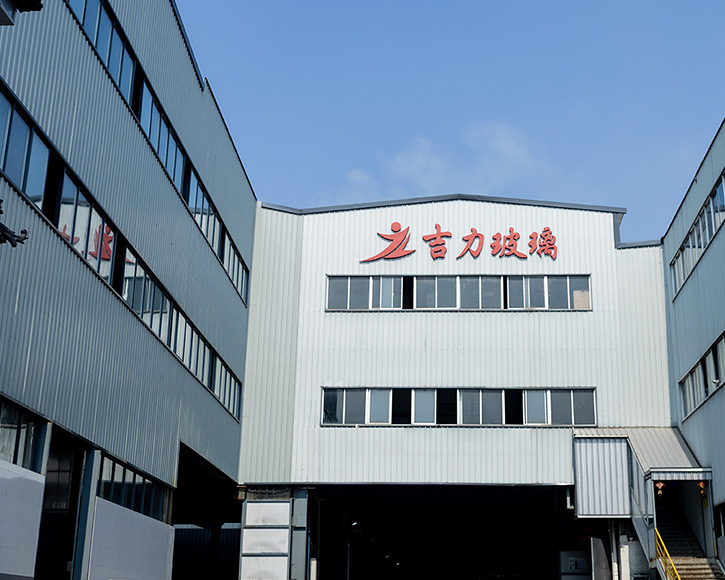
Taixing Jili Glass Products Co., Ltd.
Founded in 2008 with a 48-year industrial heritage, Jili Glass is a premier manufacturer of high-end cosmetic packaging in East China. Our 230-person expert team specializes in producing over 5,000 styles of glass bottles, supported by advanced R&D and integrated supply capabilities for sprayers and caps. We are China Eco-Friendly Perfume & Cosmetic Glass Bottle Suppliers and OEM/ODM Eco-Friendly Perfume & Cosmetic Glass Bottle Company.
With 7+ automated production lines and a daily output of 500,000 units, we deliver comprehensive, one-stop solutions—from bespoke design to deep processing. Today, our global footprint spans over 30 countries, including the USA, France, and Italy, proudly serving more than 60 professional international brands with uncompromising quality.
FAQ
Customization & Samples
-
Do you offer custom bottle designs?
Absolutely. Beyond our 5,000+ existing molds, we specialize in bespoke 3D design.
We can create custom molds based on your sketches or technical drawings within 7–15 days.
-
What post-processing techniques do you provide?
We offer a full suite of decorations, including frosting, silk-screening, hot stamping, metallic coating, and color spraying.
Our in-house team ensures color consistency across every batch.
-
Can I get a sample before placing a bulk order?
Yes. We provide free stock samples (shipping cost excluded).
For custom samples with your specific branding, a sampling fee will apply, which is usually refundable upon reaching a certain order volume.
Order & Lead Times
-
What is your Minimum Order Quantity (MOQ)?
For items in stock, the MOQ is 5,00–50,00units.
For fully customized bottles requiring new molds, the MOQ typically starts at 10,000 units, depending on the complexity and size.
-
What is the typical delivery time for production?
Standard production takes 30–45 days after sample approval and deposit receipt.
For in-stock items, we can ship within 7–15 days.
Quality Control & Standards
-
How do you ensure the quality of high-end perfume bottles?
Our factory is ISO 9001 certified.
We implement a 3-step inspection process: raw material check, in-line automated inspection, and a final manual AQL (Acceptable Quality Level) check before packaging.
-
Are your glass bottles eco-friendly and safe?
Yes, our glass is recyclable and lead-free.
We comply with international standards (such as REACH and FDA) to ensure the safety of your formulations.
Shipping & Logistics
-
How do you handle the risk of breakage during shipping?
We use export-standard reinforced pallets and custom dividers.
While we maintain a breakage rate of less than 1%, any damage exceeding this threshold due to our packaging will be compensated for or replaced in your next order.
-
What shipping terms do you support?
We are experienced in global logistics and support EXW, FOB (Shanghai/Ningbo), CIF, and DDP terms, depending on your preference and location.
Payment & Confidentiality
-
What are your accepted payment terms?
For new clients, we typically require a 50% deposit via T/T, with the remaining 50% balance paid against the Bill of Lading (B/L) copy.
-
Will you protect my custom design intellectual property?
Confidentiality is our priority.
We are happy to sign an NDA (Non-Disclosure Agreement) to ensure your unique mold designs and branding are never leaked or sold to third parties.
Didn't find your answer? Contact Our Specialist.
Ask a QuestionMessage Feedback
Blog
-
-
A fragrance brand preparing a premium eau de parfum for Saudi or Emirati retail normally locks three sizes before artw...READ MORE
-
Choosing a luxury perfume bottle supplier is a decision that shapes how consumers experience a fragrance. The bottle is ...READ MORE
-
A fragrance brand in Dubai is locking down a 50ml eau de parfum for a premium retail launch across Saudi Arabia and th...READ MORE
-
Fragrance brands often contact Taixing Jili Glass Products Co., Ltd. with a specific problem: they know a reed diffuse...READ MORE
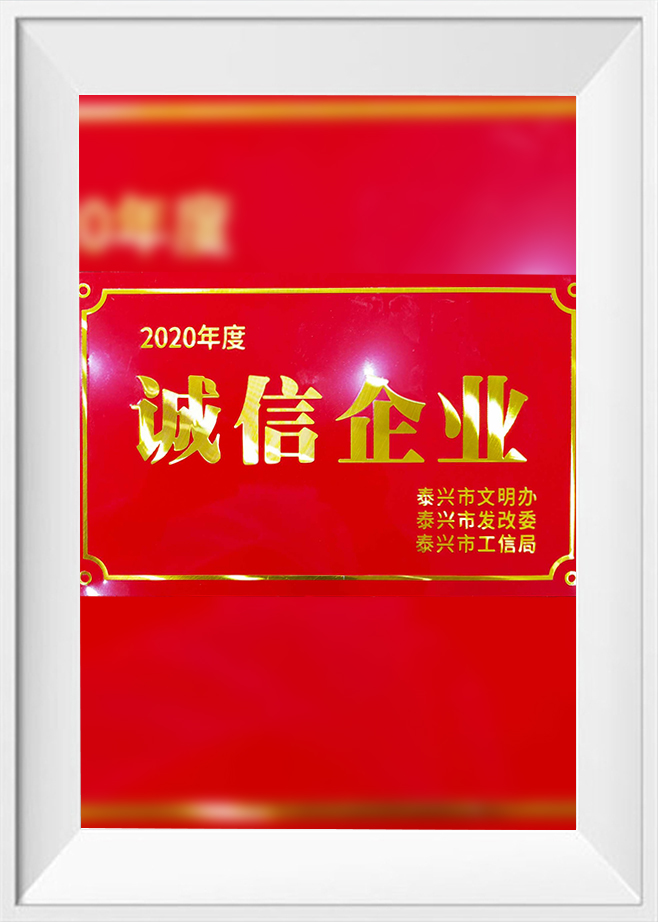
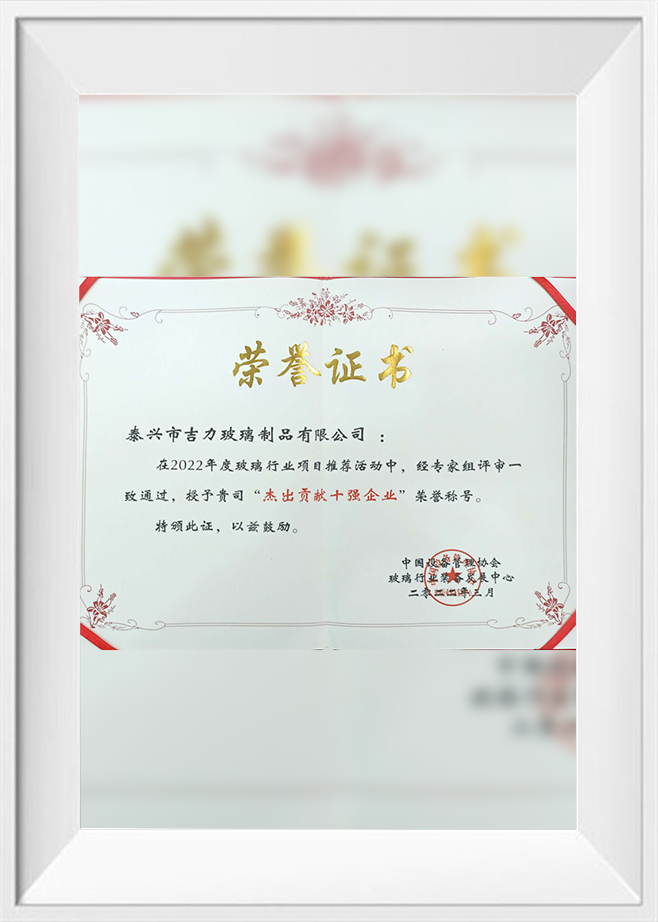
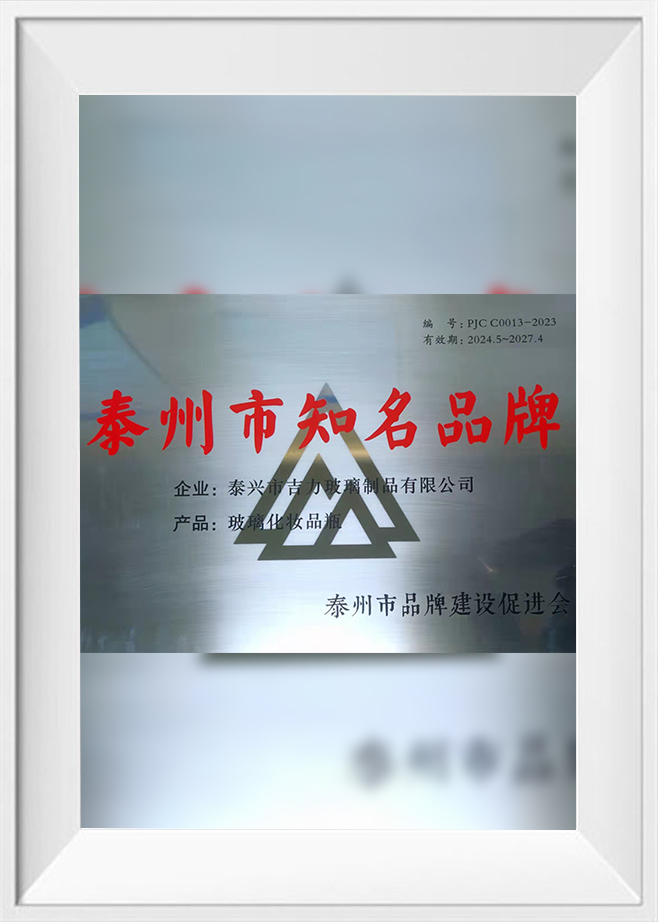
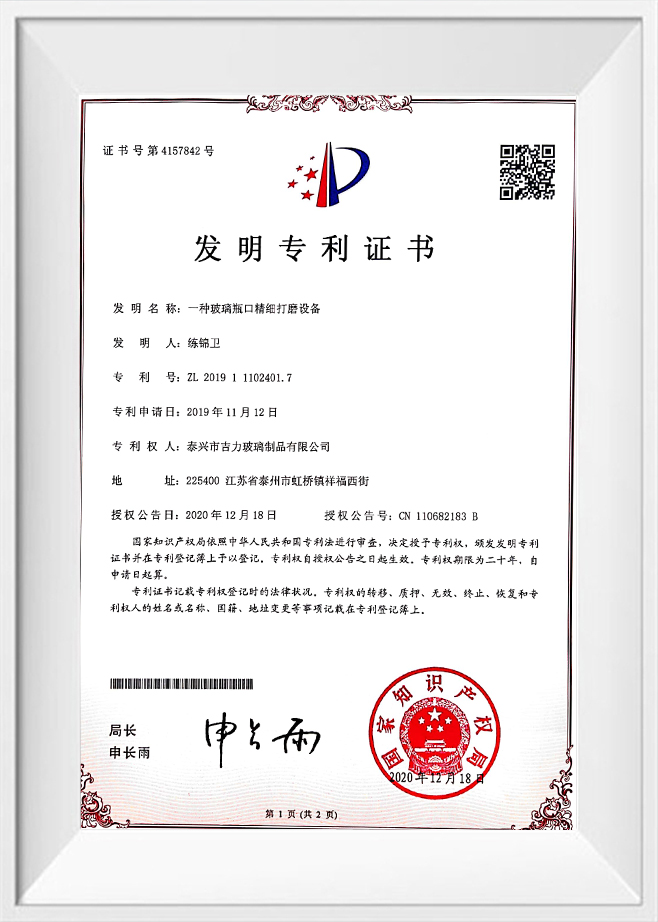
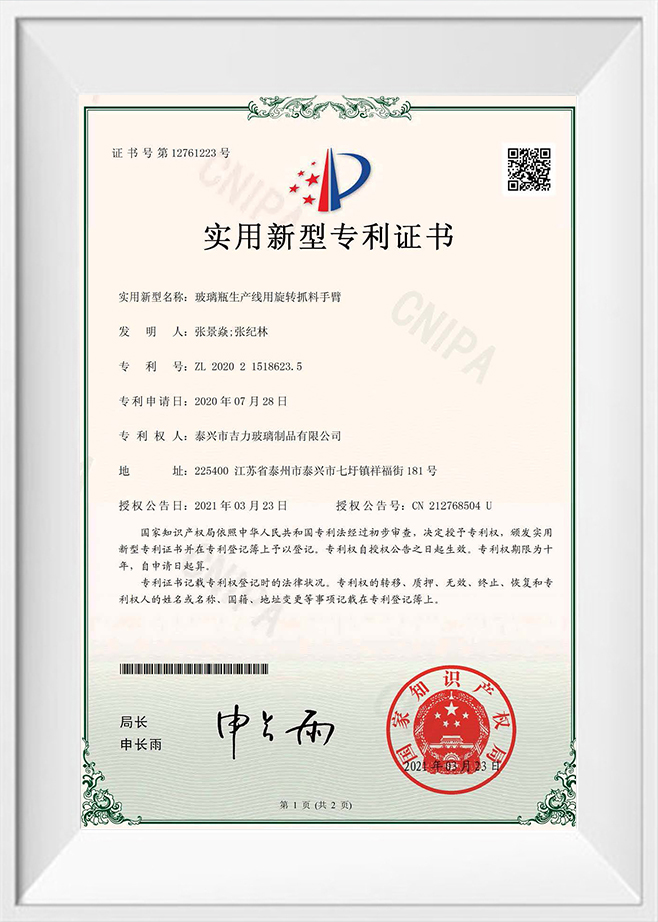
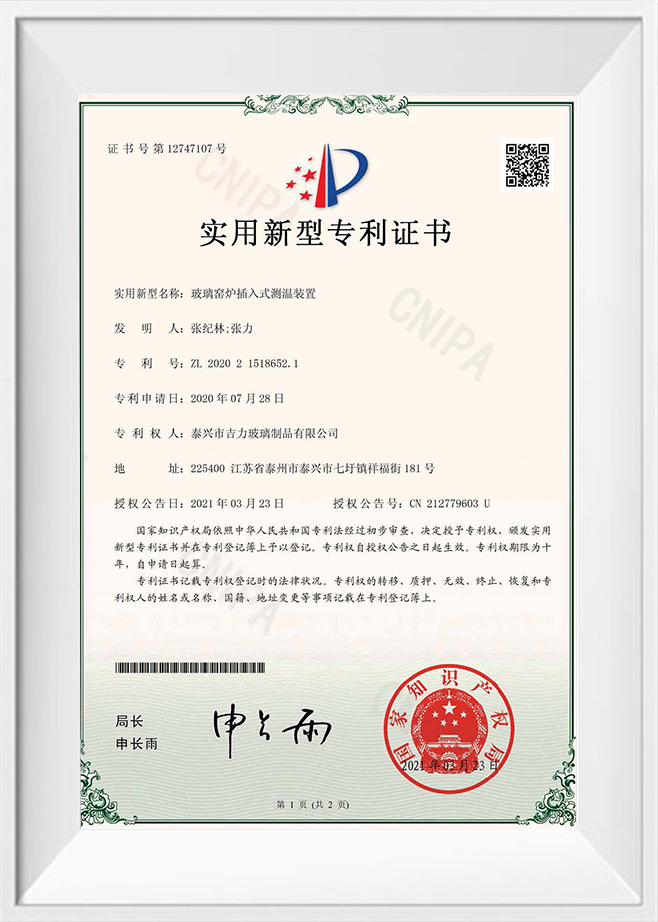
Certificate Of Honor
Product Industry knowledge
Material Innovation Driving Sustainable Glass Packaging
At Taixing Jili Glass Products Co., Ltd., we have witnessed a fundamental shift in raw material sourcing over the past decade. The glass packaging industry is increasingly adopting post-consumer recycled cullet, which can reduce melting temperatures by up to 30°C and lower energy consumption significantly during furnace operations. This practice not only diverts waste from landfills but also preserves virgin raw materials like silica sand, soda ash, and limestone.
Beyond recycled content, lightweighting technology has emerged as a critical frontier. By optimizing mold design and glass distribution, manufacturers can now produce bottles that are 15–20% lighter without compromising structural integrity or aesthetic quality. This reduction translates directly into lower transportation emissions and reduced material usage per unit, creating a ripple effect across the entire supply chain.
Another noteworthy development is the exploration of bio-based binders and coatings that replace traditional petroleum-derived surface treatments. These alternatives maintain the clarity and chemical resistance expected from premium cosmetic packaging while improving end-of-life recyclability. For brands evaluating their packaging footprint, prioritizing suppliers with verified recycled content certifications has become an essential procurement criterion.
Designing for Circularity Without Compromising Luxury Appeal
The perception that eco-friendly packaging must look rustic or minimal has been thoroughly dismantled in recent years. High-end Eco-Friendly Perfume & Cosmetic Glass Bottle options now rival their conventional counterparts in brilliance, weight distribution, and tactile experience. Through advancements in mold-making precision and cold-end coating technologies, sustainable glass can achieve the same refractive index and surface smoothness that luxury brands demand.
Design for disassembly is a principle gaining traction among forward-thinking packaging engineers. By minimizing the use of mixed-material components — such as permanently bonded pumps or non-removable metallic collars — brands enable consumers and recycling facilities to separate glass from plastic and metal more efficiently. Taixing Jili Glass Products Co., Ltd. has observed that clients who adopt mono-material or easily separable designs report higher customer satisfaction scores related to sustainability messaging.
Refillable packaging systems represent another circular strategy with measurable impact. A single glass bottle designed for multiple refill cycles can reduce overall material consumption by 60–70% over its lifetime compared to single-use alternatives. The key engineering challenge lies in ensuring neck finishes and thread specifications remain durable across repeated use, a factor that requires rigorous testing protocols during the development phase.
Manufacturing Efficiency and Emission Reduction Strategies
Glass melting is inherently energy-intensive, yet modern furnaces equipped with oxy-fuel combustion technology have demonstrated 20–25% reductions in CO₂ emissions compared to traditional air-fuel systems. When combined with waste heat recovery units that capture exhaust gases to preheat raw materials, the cumulative efficiency gains become substantial enough to alter the carbon profile of an entire production batch.
The following table summarizes key technologies and their estimated environmental impact based on industry data:
| Technology | Energy Saving Potential | Emission Reduction |
|---|---|---|
| Oxy-Fuel Combustion | 15–25% | 20–25% CO₂ |
| Batch Preheating | 10–18% | 12–15% CO₂ |
| High Cullet Ratio (≥50%) | 8–12% | 10–15% CO₂ |
| Electric Boosting | 5–10% | Dependent on grid mix |
Quality control systems have also evolved to minimize waste. Automated inspection equipment using high-resolution cameras and AI-driven defect detection can identify microscopic flaws earlier in the production line, reducing rejection rates and preventing energy from being expended on products that would ultimately be discarded. These cumulative improvements reflect a broader industry commitment embraced by manufacturers including Taixing Jili Glass Products Co., Ltd.
Consumer Expectations and the Future of Green Packaging Claims
Today's fragrance and skincare consumers are increasingly literate about environmental claims, and they actively distinguish between substantive initiatives and superficial marketing. Independent surveys indicate that over 65% of beauty shoppers are willing to pay a premium for packaging with verified sustainability credentials, yet they also express skepticism toward vague terms like "green" or "natural" when unsupported by specific data.
Transparency has become the most valuable currency in this landscape. Brands that publish detailed lifecycle assessments, disclose recycled content percentages, and obtain third-party certifications such as Cradle to Cradle or Environmental Product Declarations build stronger trust with their audience. Our experience with global clients confirms that this level of openness directly correlates with repeat purchase behavior in the premium beauty segment.
Looking ahead, the convergence of digital product passports and smart packaging technologies will likely reshape how consumers interact with Eco-Friendly Perfume & Cosmetic Glass Bottle solutions. Embedded QR codes or NFC tags can provide instant access to a bottle's material provenance, manufacturing footprint, and end-of-life instructions, transforming the packaging itself into a communication channel for sustainability storytelling. This integration of physical and digital transparency represents the next evolutionary step for the cosmetic glass industry.
Contact Info.
-
Tel.
+86 153 7158 1688 (Simon)
+86 181 3693 6668 (Mary)
+86 139 5117 2783 (Junwei Hua) -
Email
zl@jl-bl.cn (Simon)
mary@jl-bl.cn (Mary)
jwhua@jl-bl.cn (Junwei Hua) -
Address
Hongqiao Town, Taixing City, Taizhou City, Jiangsu Province, China
- Media
Leave Us for Quote
Copyright © Taixing Jili Glass Products Co., Ltd. All Rights Reserved. Wholesale Eco-Friendly Perfume & Cosmetic Glass Bottle Suppliers
