
 ENG
ENG  English
 русский
 Français
 Español
 عربى
عربى Türk
TürkAdvantages:● The electroplated glossy plastic cap combines metallic luster with plastic molding convenience for a luxurious look.● The 356g weight and 22mm wall thickness give the bottle notable heft ...
See DetailsAre transparent glass bottles safe for cosmetic formulations?
2026-07-15
Content
- 1 The Core Advantages of Transparent Glass in Skincare Packaging
- 2 The Psychological Impact of Visual Transparency
- 3 Comparing Glass Materials for Cosmetic Containers
- 4 Selecting the Correct Orifice Design and Capacity
- 5 Sustainability and Environmental Benefits
- 6 Sterilization and Maintenance Protocols for Flawless Bottles
Transparent face cream glass bottles are the ultimate choice for premium skincare packaging because they provide superior chemical stability, endless recyclability, and unmatched visual transparency. Unlike opaque or plastic alternatives, clear glass allows consumers to directly verify the purity, texture, and quality of the cream before purchase, establishing immediate brand trust. Furthermore, the non-reactive nature of glass ensures that delicate active ingredients remain potent over an extended shelf life, making it the most reliable and aesthetically pleasing option for high-end cosmetic formulations.
The Core Advantages of Transparent Glass in Skincare Packaging
When formulating a premium face cream, the packaging is just as critical as the ingredients inside. Transparent glass offers a multitude of functional benefits that directly impact the integrity of the skincare product. The primary advantage lies in its absolute chemical inertness. Glass does not interact with the active compounds, preservatives, or essential oils found in modern face creams. This means that sensitive ingredients, such as Vitamin C derivatives or retinol, will not degrade due to container leaching, which is a common issue with lower-grade plastics.
Additionally, transparent glass provides an exceptional moisture barrier and is completely impermeable to external gases. This impermeability prevents oxygen from entering the bottle and oxidizing the cream, thereby extending the product's shelf life naturally without requiring excessive chemical preservatives. The structural rigidity of glass also prevents the deformation of the container over time, ensuring that the pump or cap mechanism continues to function flawlessly throughout the product's usage cycle.
- Excellent chemical inertness prevents formula contamination.
- Complete impermeability to oxygen and moisture preserves ingredient potency.
- High structural integrity ensures consistent dispensing mechanisms.
- Natural resistance to temperature fluctuations during storage.
The Psychological Impact of Visual Transparency
In the competitive cosmetics industry, consumer perception is heavily influenced by visual cues. Transparent glass packaging leverages this by allowing the buyer to see the exact texture, color, and volume of the face cream. This visual access creates a subconscious psychological effect where transparency equates to honesty and premium quality. When a consumer can see a rich, velvety cream through a flawless glass surface, it reinforces the expectation of luxury and efficacy before the product is even applied to the skin.
Furthermore, clear glass serves as a perfect canvas for product presentation. The way light interacts with the cream inside the bottle can highlight the formulation's refinement. Brands often use tinted transparent glass or apply subtle UV coatings to clear bottles, balancing the need for visual transparency with the necessity of protecting light-sensitive ingredients. This careful curation of the packaging aesthetic significantly enhances the unboxing experience and elevates the overall perceived value of the skincare line.
Comparing Glass Materials for Cosmetic Containers
Not all transparent glass is created equal. The manufacturing process and the raw materials used determine the durability, clarity, and thermal resistance of the final bottle. For face cream packaging, two primary types of glass dominate the market: soda-lime glass and borosilicate glass. Understanding the differences between these materials is essential for selecting a container that matches the specific requirements of the formulation and the brand's shipping capabilities.
| Material Property | Soda-Lime Glass | Borosilicate Glass |
|---|---|---|
| Clarity | High (slight green tint) | Exceptional clarity |
| Thermal Resistance | Standard | Very High |
| Durability | Moderate (can shatter) | Highly durable |
| Cost Efficiency | Economical | Premium pricing |
Soda-lime glass is the most common and cost-effective option, suitable for standard face creams that do not require hot filling. Borosilicate glass, while more expensive, offers superior thermal shock resistance and perfect clarity, making it ideal for luxury brands that emphasize durability and visual perfection.
Selecting the Correct Orifice Design and Capacity
Wide Mouth vs. Narrow Neck Applications
The physical design of the transparent glass bottle must align with the viscosity of the face cream. Thick, dense creams require a wide-mouth jar design, allowing consumers to easily access the product with their fingers or a spatula. Conversely, lightweight, fluid lotions are better suited for narrow-neck bottles paired with pump dispensers. A pump mechanism not only prevents contamination by minimizing air exposure but also ensures precise dosage control. When utilizing a transparent bottle, a well-designed pump or cap in materials like anodized aluminum or matte bamboo can dramatically enhance the visual contrast against the clear glass.
Optimal Capacity for Consumer Usage Cycles
Choosing the right capacity is a delicate balance between perceived value and product stability. A standard face cream is typically used once or twice daily. If the container is too large, the formulation may sit on a vanity for months, increasing the risk of oxidation and bacterial growth once opened. Standard capacities for premium face creams range comfortably within a moderate volume, ensuring the product is consumed during its peak efficacy window. Smaller, travel-friendly transparent glass bottles are also highly valued for introducing new formulations to the market.
Sustainability and Environmental Benefits
In an era where environmental consciousness dictates purchasing decisions, transparent glass stands out as a highly sustainable packaging material. Glass is 100 percent recyclable and can be recycled endlessly without any loss in purity or quality. This closed-loop recycling process significantly reduces the carbon footprint associated with cosmetic packaging. Furthermore, transparent glass does not degrade into microplastics, addressing a major environmental concern associated with traditional plastic skincare tubes.
Brands that utilize clear glass packaging can leverage this sustainability to enhance their market positioning. Using recycled glass materials reduces energy consumption in manufacturing while maintaining the premium aesthetic that consumers expect. By clearly communicating the recyclability of the transparent glass bottle, skincare companies can build a loyal customer base that values both skin health and planetary well-being.
Sterilization and Maintenance Protocols for Flawless Bottles
Before a face cream ever touches the interior of a transparent glass bottle, the container must undergo rigorous sterilization. Because transparent glass clearly reveals any impurities, dust, or water spots, the cleaning process must be meticulous. A standard protocol involves thermal sterilization followed by sterile air drying to prevent any moisture from interacting with the anhydrous or emulsion-based cream. Maintaining the pristine clarity of the glass ensures that the final product looks flawless on the retail shelf.
- Pre-wash the glass bottles with deionized water to remove manufacturing residues.
- Subject the bottles to high-temperature thermal sterilization to eliminate microbial life.
- Cool the containers in a controlled, sterile environment to prevent thermal shock.
- Inspect each transparent bottle under bright lighting to ensure absolute clarity.
- Fill the cream immediately in a sanitized facility to maintain the sterile interior.
By adhering to these strict sterilization guidelines, skincare manufacturers guarantee that the transparent glass bottle not only looks impeccable but also provides a safe, contamination-free environment for the face cream, ultimately protecting the consumer and preserving the integrity of the brand.
Related products
-
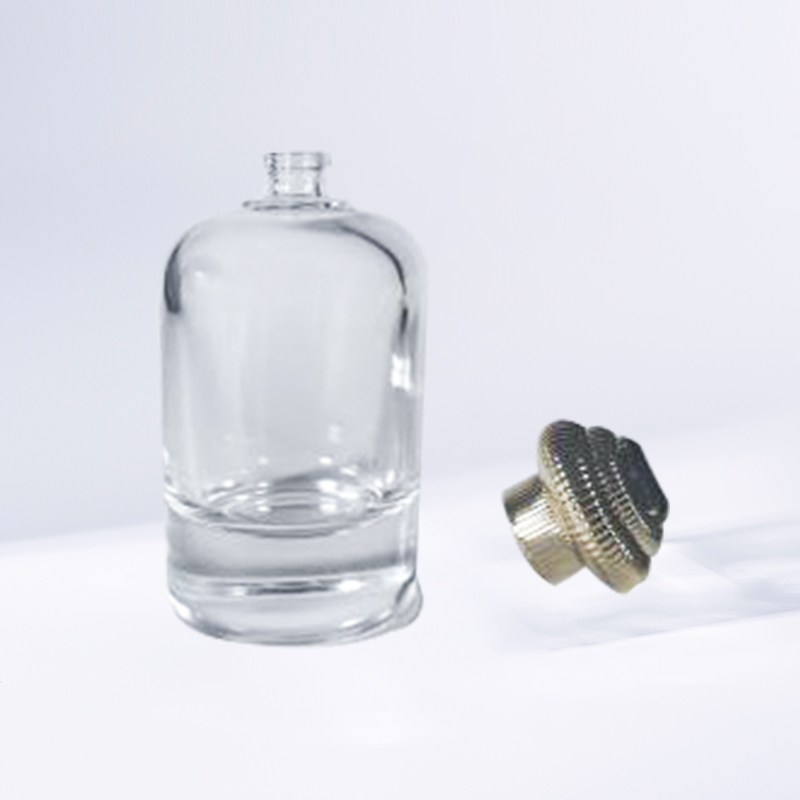
-
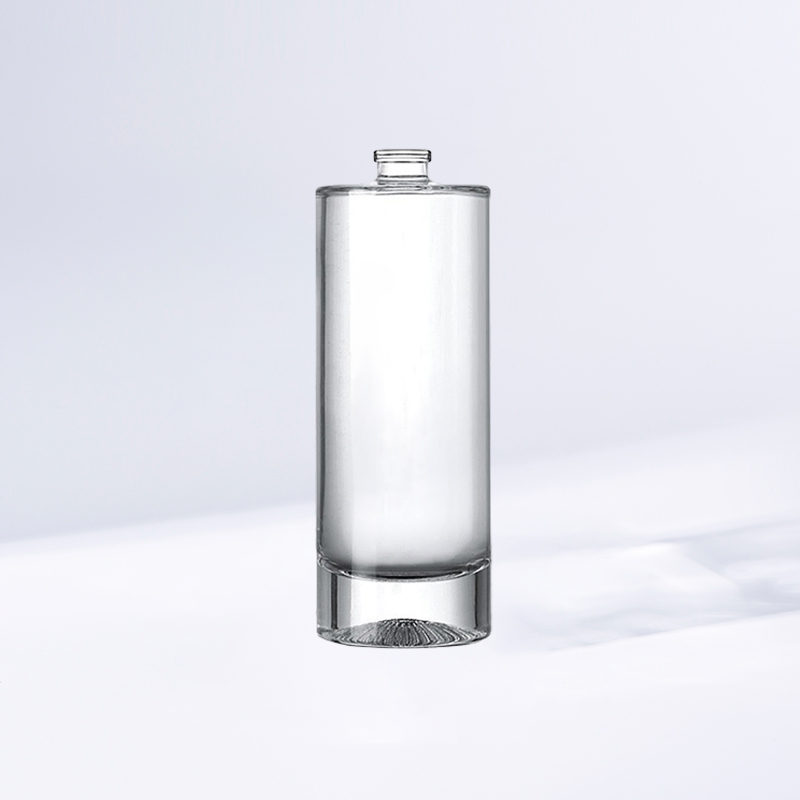
J2433 Transparent Cylinder Screw-Top Perfume Bottle 100ml. Features a clear glass cylindrical body with a stable, wide base and a color-matched screw cap for secure sealing. Dimensions: 63x63x85mm, we...
See Details -
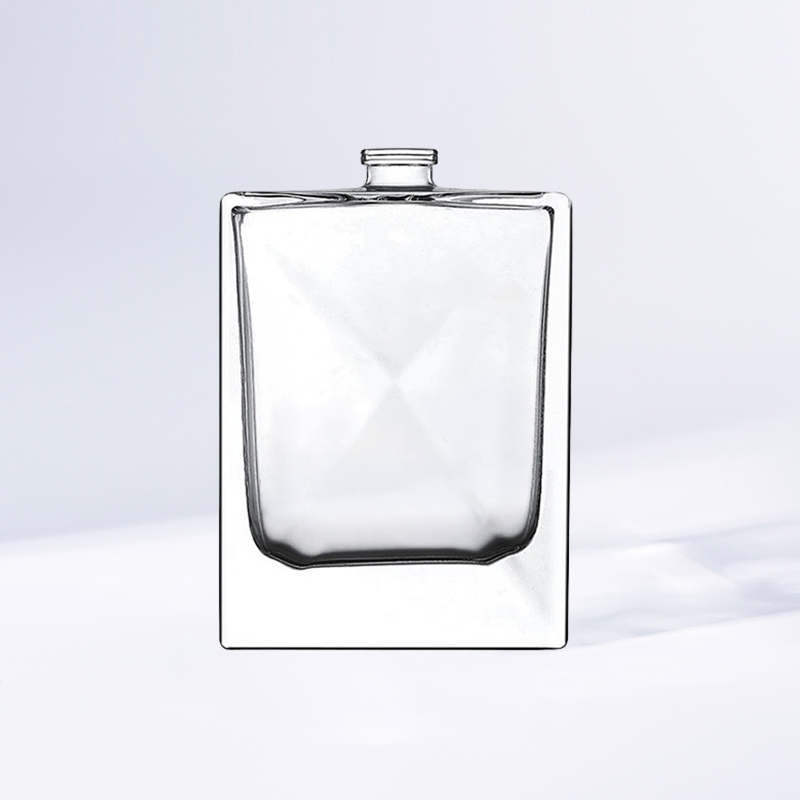
J2249 Premium Transparent Glass Perfume Bottle 104ml. Made of clear glass with a sleek metal dome cap. Dimensions: 66.8x40.5x96.3mm, 260g. Suitable for daily use, travel, and gifting. Transparent body...
See Details -
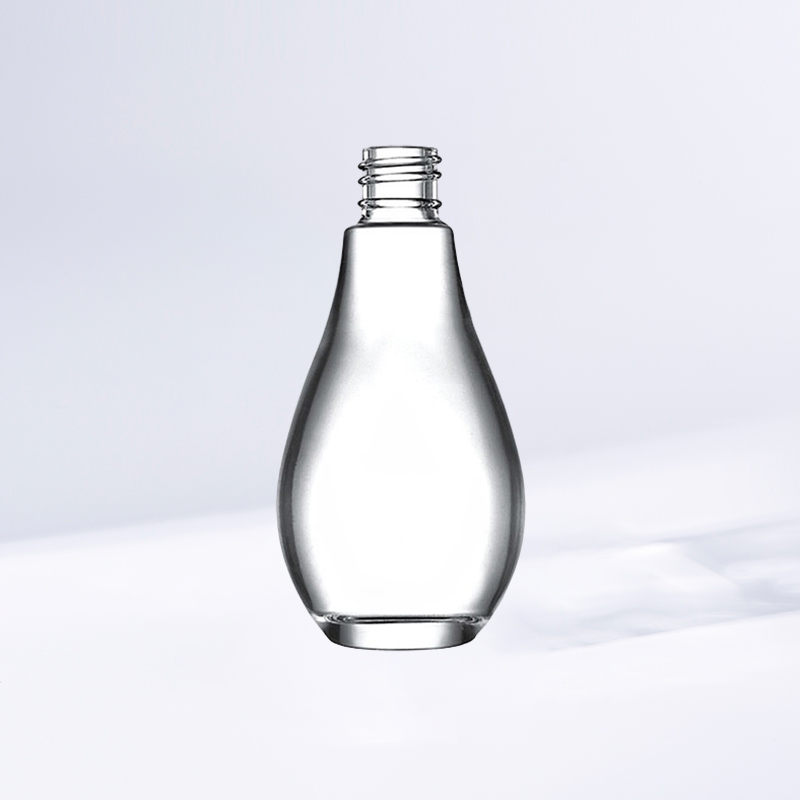
J2514 Transparent Inverted Pear-Shaped Lotion Bottle 46ml. Unique inverted pear silhouette in clear glass. Compact size: 53x23.8x85mm, 84g. Allows easy monitoring of the liquid level. Perfect for loti...
See Details
Contact Info.
-
Tel.
+86 153 7158 1688 (Simon)
+86 181 3693 6668 (Mary)
+86 139 5117 2783 (Junwei Hua) -
Email
zl@jl-bl.cn (Simon)
mary@jl-bl.cn (Mary)
jwhua@jl-bl.cn (Junwei Hua) -
Address
Hongqiao Town, Taixing City, Taizhou City, Jiangsu Province, China
- Media
Leave Us for Quote
Copyright © Taixing Jili Glass Products Co., Ltd. All Rights Reserved. Custom Cosmetic Glass Packaging, Luxury Perfume Glass Bottle Manufacturer
