
 ENG
ENG  English
 русский
 Français
 Español
 عربى
عربى Türk
TürkAdvantages:● Spray-paint finish directly colors the bottle, avoiding label peeling and ensuring uniform surface appearance.● Compact packaging dimensions (44.6mm square) help optimize storage and ship...
See DetailsCrimp Glass Perfume Bottles: A Complete Selection Guide | Jili Glass
2026-08-07
Content
- 1 What Is a Crimp Glass Perfume Bottle?
- 2 Why Choose Crimp Glass Perfume Bottles? Key Benefits
- 3 Crimp vs. Screw Top: How to Choose the Right Closure
- 4 Anatomy of a Crimp Seal: What Makes It Work
- 5 Three Glass Quality Factors That Determine Crimping Success
- 6 How to Evaluate a Crimp Perfume Bottle Supplier
- 7 Conclusion
When a fragrance brand moves from a plain screw-top bottle to a crimp glass perfume bottle, the change is rarely about aesthetics alone. The decision touches on evaporation rates, tamper resistance, shipping reliability, and even how much breakage you will see on your filling line. If you are evaluating packaging options for a new perfume line, you have likely noticed that crimp bottles dominate the premium segment of the market. What you may not know is that the success of a crimp seal depends far more on the glass itself than on the crimping tool. This guide explains how crimp glass perfume bottles work, where they outperform screw tops, and exactly what to check before you commit to a supplier.
What Is a Crimp Glass Perfume Bottle?
A crimp glass perfume bottle uses a metallic collar to mechanically lock a spray pump onto the glass neck. Unlike a screw top, where the pump twists onto threads, a crimp seal is permanent. The metal ring is compressed around the bottle's neck and the pump's ferrule, forming a tight, irreversible joint. This closure is standard for 30ml to 100ml fragrance formats, and the neck typically follows a standardized finish such as FEA 15mm, which refers to the diameter and profile of the glass opening.
The structure of a crimp closure consists of three main components: the glass bottle neck, the spray pump with its metal ferrule, and the outer cap. The outer cap does not provide any sealing function; it simply covers the mechanism and adds visual appeal. Because the seal relies on precise mechanical contact, the glass neck must be manufactured to tighter tolerances than a screw-thread neck would require.
If you are just starting to explore this format, you can browse crimp perfume bottles in various capacities to see how the same closure style adapts to different bottle silhouettes and sizes.
Why Choose Crimp Glass Perfume Bottles? Key Benefits
The premium positioning of crimp glass perfume bottles is not a marketing accident. Three practical advantages explain why established fragrance houses and niche indie brands alike choose this closure over a screw top.
01
Airtight Sealing and Evaporation Control
Ethanol, the primary carrier in most perfumes, is highly volatile. In a screw-top bottle, the gasket inside the cap can degrade over time, allowing subtle but measurable evaporation. A crimped metal collar, by contrast, maintains constant compression against the pump gasket and the glass neck. This minimizes the loss of alcohol and fragrance oils, helping the juice retain its character for years rather than months.
02
Tamper-Evidence and Brand Protection
Crimping is a one-way operation. Once the metal collar is compressed, removing the pump without leaving visible distortion on the collar is practically impossible. For retail shelves and e-commerce fulfillment, this is a strong deterrent against content tampering, refilling, or dilution. A screw cap can be unscrewed, refilled, and replaced without leaving any trace. A crimped bottle tells your customer that the product inside is exactly what left your factory.
03
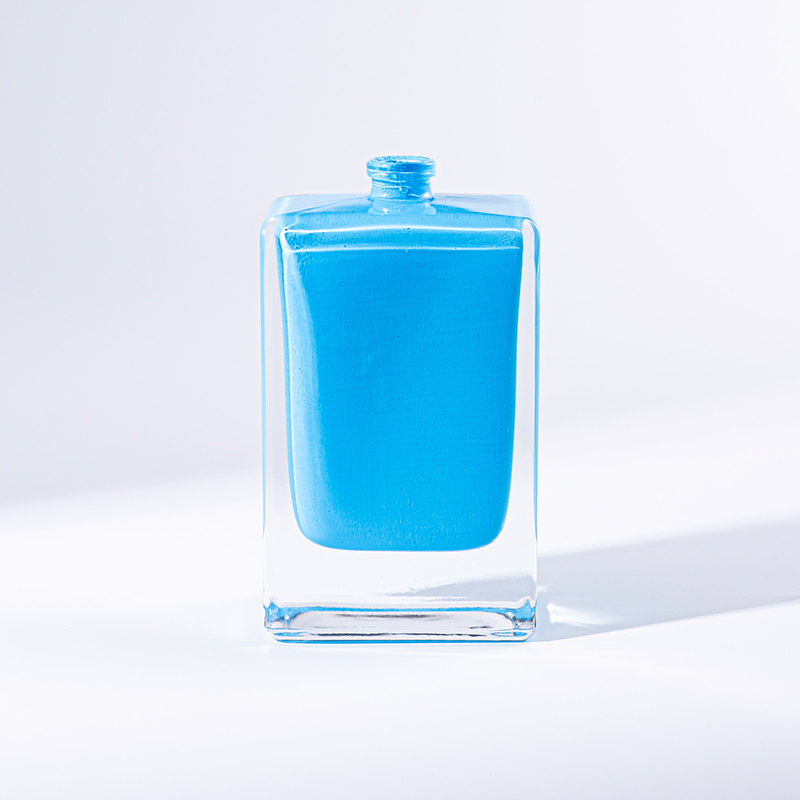 Custom J2367 Crimp Perfume Bottle 100ml Manufacturer, OEM/ODM FactoryTaixing Jili Glass Products Co., Ltd. is a China Custom J2367 Crimp Perfume Bottle 100ml manufacturers and OEM/ODM factory,J2367 Crimp Pe...View Product →
Visual Quality and Perceived Value
The metal collar creates a clean, mechanical transition from the glass body to the actuator. When paired with a plated outer cap, the result looks expensive in a way that a plastic screw thread rarely achieves. For an example of how this adds to the premium presentation, see this 100ml crimp perfume bottle - the uninterrupted glass surface and the discreet collar work together to support a high price point.
Custom J2367 Crimp Perfume Bottle 100ml Manufacturer, OEM/ODM FactoryTaixing Jili Glass Products Co., Ltd. is a China Custom J2367 Crimp Perfume Bottle 100ml manufacturers and OEM/ODM factory,J2367 Crimp Pe...View Product →04
Reliability in Transit
During air freight, cabin pressure changes can cause a screw cap to loosen slightly. A crimped metal collar has no threads to back off; the joint remains rigid regardless of pressure differentials. For export-driven brands shipping finished product over long distances, this reduces the risk of leaked juice arriving in a damaged carton.
Crimp vs. Screw Top: How to Choose the Right Closure
Both crimp and screw closures have legitimate roles in fragrance packaging. The table below compares them across the dimensions that matter most to a brand owner or procurement manager.
| Evaluation Dimension | Crimp Closure | Screw Top |
| Product positioning | Premium, established, mass-prestige | Mass-market, drugstore, travel sizes |
| Filling line complexity | Requires a crimping machine or manual tool | Hand-tightening is sufficient, faster line changeover |
| Seal tightness | Superior; metal collar maintains constant compression | Adequate but dependent on gasket quality and cap torque |
| Tamper evidence | High; removal visibly damages the collar | Low; cap can be removed and replaced cleanly |
| Customization flexibility | Limited to non-threaded neck designs | Easy to switch among different cap styles and materials |
If your product is positioned as a giftable or high-end fragrance, and you need strong sealing and tamper evidence, the crimp closure is the better engineering choice. If your focus is on fast manual assembly, short production runs, or frequent cap redesigns, a screw top offers more operational freedom. Some brands launch with screw caps for a pilot batch, then migrate to crimp when they scale up - the glass bottle often remains the same, only the neck finish changes.
Anatomy of a Crimp Seal: What Makes It Work
To evaluate a crimp glass perfume bottle properly, you must understand the role of each component. A failure in any one part compromises the entire seal.
The Glass Bottle Neck
The neck is the foundation of the crimp seal. Its outer diameter, wall thickness, and the flatness of the lip determine how evenly the metal collar will compress. Glass that has thick and thin spots within the same neck creates localized stress points during crimping, which is the leading cause of cracked bottle mouths. The lip must also be free of chips or waviness; any irregularity provides a leak path.
Some manufacturers use fire-polishing or hand-polishing to refine the neck finish. Fire-polishing smooths away micro-cracks that occur when the glass is cut from the parison. Hand-polishing adds a level of edge quality that further reduces the chance of breakage. For a concrete example of the latter, you can see hand-polished crimp bottles for superior edge quality in the product range.
The Spray Pump and Metal Ferrule
The pump's metal ferrule must match the neck diameter precisely. If the ferrule is too loose, the crimp will not generate enough friction to hold. If it is too tight, the glass cannot seat properly, and the assembly will feel misaligned. A quality pump from a reputable manufacturer will specify the correct ferrule size for your chosen neck finish, such as FEA 15mm.
The Dip Tube
The dip tube runs from the pump into the liquid. Its length must match the bottle's internal height with a small clearance at the bottom. A tube that is too long curls against the bottle floor and can starve the pump of liquid, leaving usable product stuck at the bottom.
The Outer Cap
The cap is purely cosmetic and protective. It snaps over the crimped collar and shields the actuator from dust and accidental sprays. Caps can be metal, plastic, or plated, and they offer the easiest avenue for brand differentiation without affecting the seal's integrity.
Three Glass Quality Factors That Determine Crimping Success
Here is where the perspective of a glass manufacturer differs from that of a pump supplier or a DIY enthusiast. In DIY forums, you will often read about hand-crimping tools breaking bottles roughly a third of the time - that is a common community estimate, not a lab figure. Rather than blaming the tool, a glass manufacturer sees the root cause in the glass itself. Three factors matter above all.
1
Wall Thickness Uniformity in the Neck
When the metal collar is compressed, it applies radial force around the neck's circumference. If the wall thickness varies by even a small margin from one side to the other, the thinner side takes disproportionately more stress. A well-controlled glass mold, maintained at the correct operating temperature, produces a neck with consistent wall thickness. Always ask a potential supplier what wall thickness tolerance they hold and whether they measure it on a per-batch basis.
2
Lip Flatness and Finish
The pump's sealing gasket presses against the lip of the glass neck. If the lip is wavy or contains small chips, the gasket cannot form a continuous contact line. The result is a slow leak that may be hard to detect during a brief factory test but becomes evident after a few months on the shelf. A fire-polished or hand-polished lip eliminates these microscopically small defects.
3
Annealing Quality
Annealing is the controlled cooling process that relieves internal stress in the glass after forming. Poorly annealed glass has internal stress points that are invisible to the eye but ready to fracture when a crimper applies external pressure. A responsible manufacturer operates annealing lehrs with verified temperature profiles and performs random stress checks on finished bottles. The production process of perfume bottles is covered in more detail in a separate guide, but annealing is a step you should never overlook.
How to Evaluate a Crimp Perfume Bottle Supplier
Choosing a supplier for crimp glass perfume bottles is not like buying generic stock packaging. The glass quality directly affects your filling line yield, your product's shelf life, and your brand's reputation. Use this checklist to evaluate any candidate factory.
Ask for Dimensional Data
Request the neck's outer diameter tolerance and wall thickness specification in writing. A reputable manufacturer will have this data on hand. If the supplier cannot quote a tolerance or treats the question as unusual, consider that a red flag.
Run a Sample Crimp Test
Do not evaluate a bottle by looking at it. Send samples to your filling partner or your own facility and crimp them with the pump you intend to use. Track how many bottles survive the crimping process without cracking. If the breakage rate is above your acceptable threshold - even with a manual crimping tool - the glass is the variable you should question first.
Verify Custom Capabilities
If your brand needs a specific capacity, neck finish, or cap color, confirm that the factory supports OEM/ODM work. Some manufacturers offer a catalog of standard molds, while others can develop a completely new bottle shape for you. The difference matters if your design relies on a unique silhouette. For custom bottle development, you can contact our team for custom bottle development to discuss mold costs and lead times.
Check Minimum Order Quantities and Lead Time
MOQs vary widely, from a few thousand pieces for stock molds to much higher volumes for new molds. Clarify the MOQ for the specific bottle you want, plus the realistic lead time for production and delivery. A factory with strong daily output - such as a facility that melts over 60 tons of glass per day - is more likely to handle your volume surges.
Confirm Ancillary Supply
Crimp bottles require a compatible pump and cap. A reliable glass supplier will coordinate with external partners for plastic sprayers and caps, or at least provide guidance on what sizes and components are compatible. This saves you the headache of sourcing multiple components and discovering at the filling line that the pump does not sit flush with the neck.
Conclusion
Crimp glass perfume bottles are the professional standard for fragrances that need airtight sealing, tamper evidence, and a premium shelf presence. They do, however, demand a higher level of glass manufacturing precision than screw-top bottles. The decision between crimp and screw closures should rest on your product's market position and your operational capacity to handle a crimping step in the filling process.
When vetting suppliers, prioritize those that can document neck tolerances, demonstrate consistent wall thickness, and welcome sample crimp tests. A glass factory that understands these engineering details is worth more than one that simply offers the lowest piece price. If you have a specific bottle shape or capacity in mind, browse our full range of perfume bottles to see which options match your brief, and then test the shortlisted samples before you scale up.
Related products
-
-
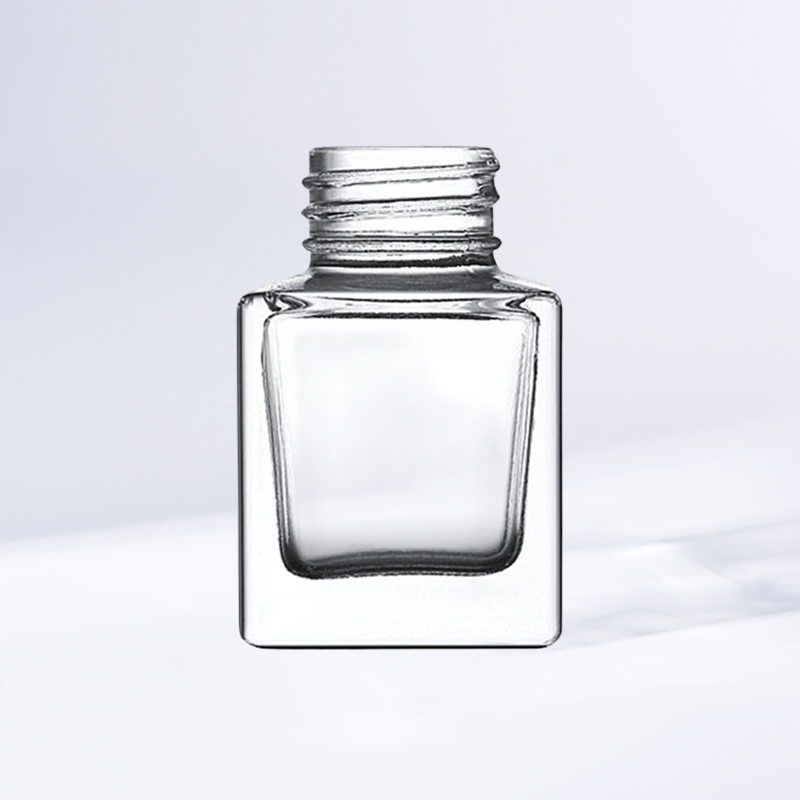
J2303 Screw-Top Aroma Glass Bottle 46ml. Compact transparent glass bottle with screw cap for secure closure. Dimensions: 42x42x64.6mm, 105g. Ideal for essential oils, fragrance oils, and portable use....
See Details -
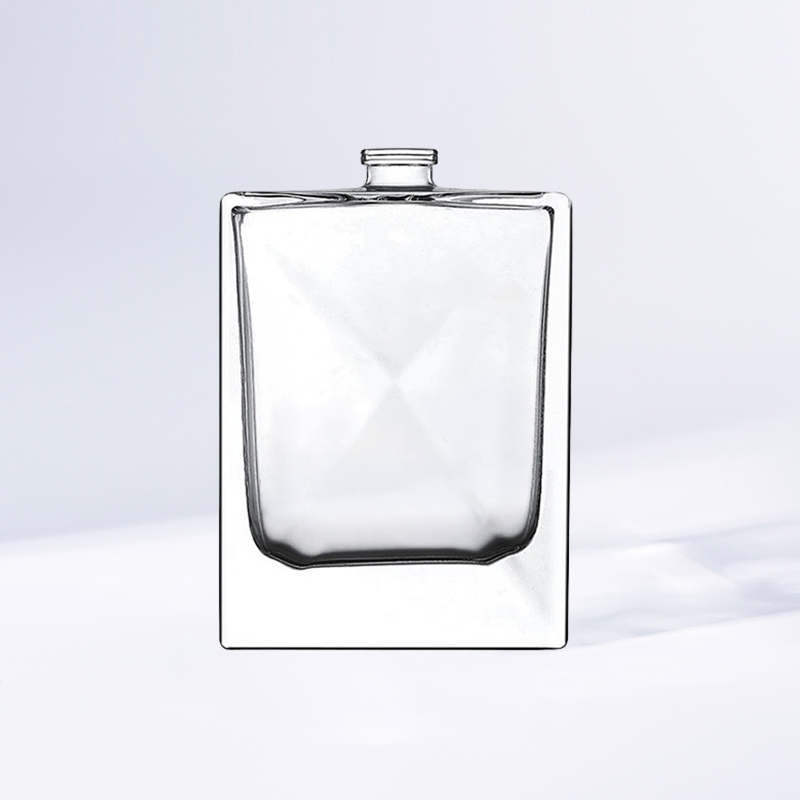
J2249 Premium Transparent Glass Perfume Bottle 104ml. Made of clear glass with a sleek metal dome cap. Dimensions: 66.8x40.5x96.3mm, 260g. Suitable for daily use, travel, and gifting. Transparent body...
See Details -
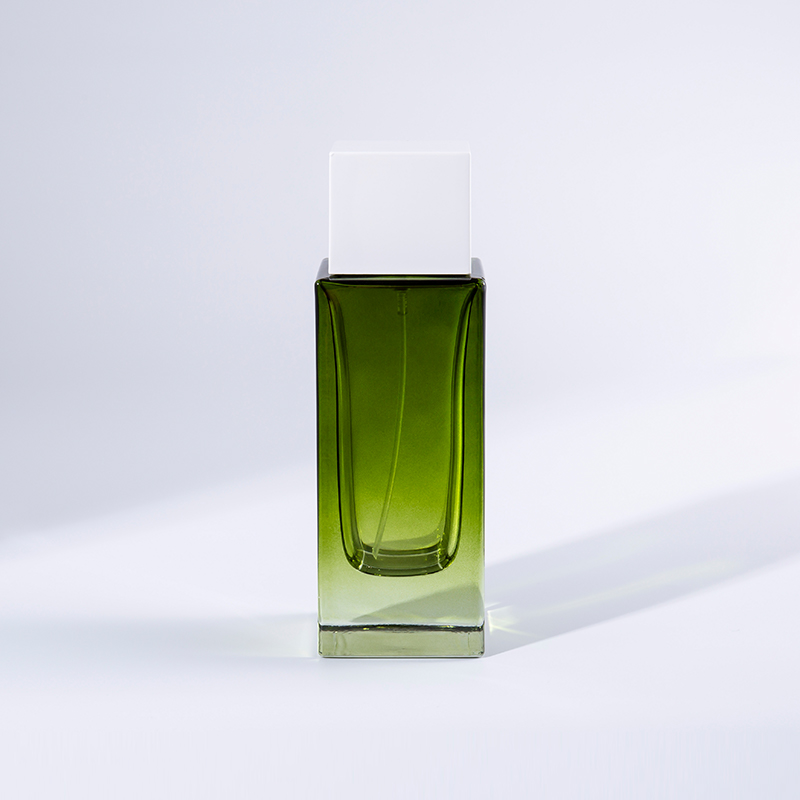
J2943 Crimp Perfume Bottle 80ml. Glass bottle with crimp neck for an airtight seal with spray pump. 80ml capacity. Ideal for commercial perfumes, eau de toilette. Transparent glass showcases liquid co...
See Details
Contact Info.
-
Tel.
+86 153 7158 1688 (Simon)
+86 181 3693 6668 (Mary)
+86 139 5117 2783 (Junwei Hua) -
Email
zl@jl-bl.cn (Simon)
mary@jl-bl.cn (Mary)
jwhua@jl-bl.cn (Junwei Hua) -
Address
Hongqiao Town, Taixing City, Taizhou City, Jiangsu Province, China
- Media
Leave Us for Quote
Copyright © Taixing Jili Glass Products Co., Ltd. All Rights Reserved. Custom Cosmetic Glass Packaging, Luxury Perfume Glass Bottle Manufacturer
