
 ENG
ENG  English
 русский
 Français
 Español
 عربى
عربى Türk
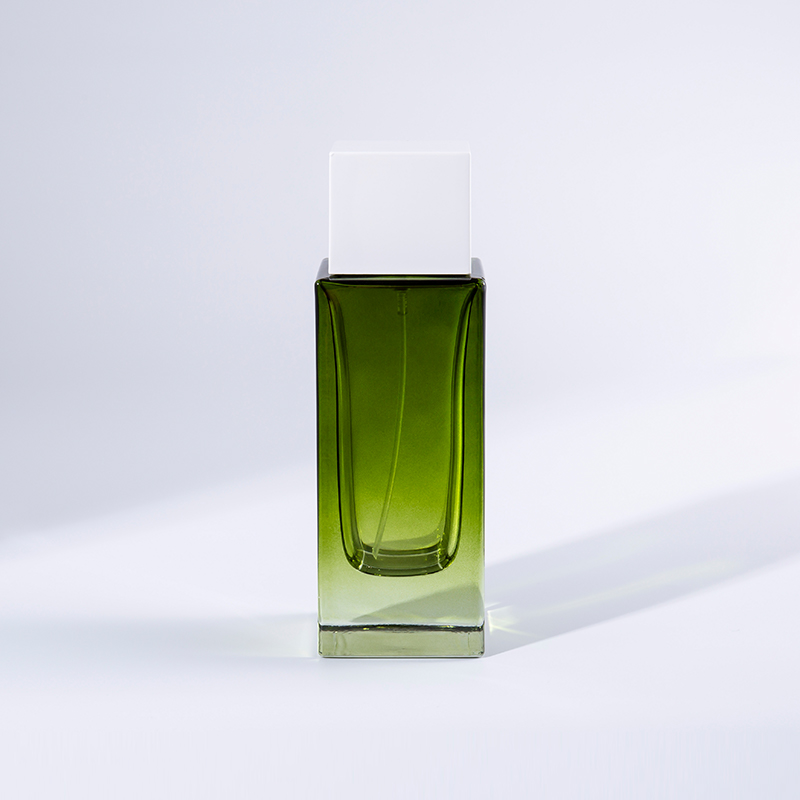
TürkJ2943 Crimp Perfume Bottle 80ml. Glass bottle with crimp neck for an airtight seal with spray pump. 80ml capacity. Ideal for commercial perfumes, eau de toilette. Transparent glass showcases liquid co...
See DetailsDoes Perfume Bottle Shape Affect Fragrance Preservation?
2025-06-16
While bottle shape has minimal direct impact on perfume preservation, it may indirectly influence storage conditions. The real preservation factors are material, sealing, and light protection, but design can play a supporting role. Below is a scientific breakdown:
1. Why Shape Isn’t the Main Factor?
Key Causes of Perfume Deterioration:
Light (UV rays) → Accelerates oxidation (e.g., aldehydes degrade under light).
Heat → Increases alcohol evaporation, altering scent balance.
Oxygen exposure → Breaks down fragrance compounds.
Indirect Shape Effects (Negligible in Modern Bottles):
Air contact surface area:
Slim bottles theoretically expose less liquid to air vs. wide bottles, but modern airtight sprayers neutralize this difference.
Light-blocking structure:
Frosted/dark-colored curved bottles may block light better than clear straight ones, but material (not shape) is the true barrier.
2. Functional Value of Unique Shapes (Not Preservation-Related)
Ergonomics → Curved designs improve grip, reducing drops.
Branding → Distinctive shapes boost visual appeal (e.g., Chanel No. 5’s square bottle).
Fragrance diffusion → Some bottles have "spreader nozzles" for better scent release during use (not storage).
3. How to Actually Preserve Perfume? (Shape Doesn’t Matter)
Storage: Dark, cool (15–25°C), dry place—never bathrooms (humidity) or sunny vanities.
Sealing: Always recap tightly; wrap the neck with cling film for long-term storage.
Decanting: Transfer to small amber glass bottles if needed (reduces air exposure).
Avoid shaking: Agitation speeds alcohol evaporation—store bottles upright and still.
Conclusion: Shape is for Aesthetics, Not Preservation
Bottle shape serves brand identity and usability, while material (dark glass), sealing tech (vacuum pumps), and light protection dictate shelf life. As long as your perfume is stored properly, its bottle—whether angular, round, or avant-garde—won’t affect longevity.
Pro Tip: Focus on storage habits over bottle design when preserving fragrance quality!
Related products
-
-
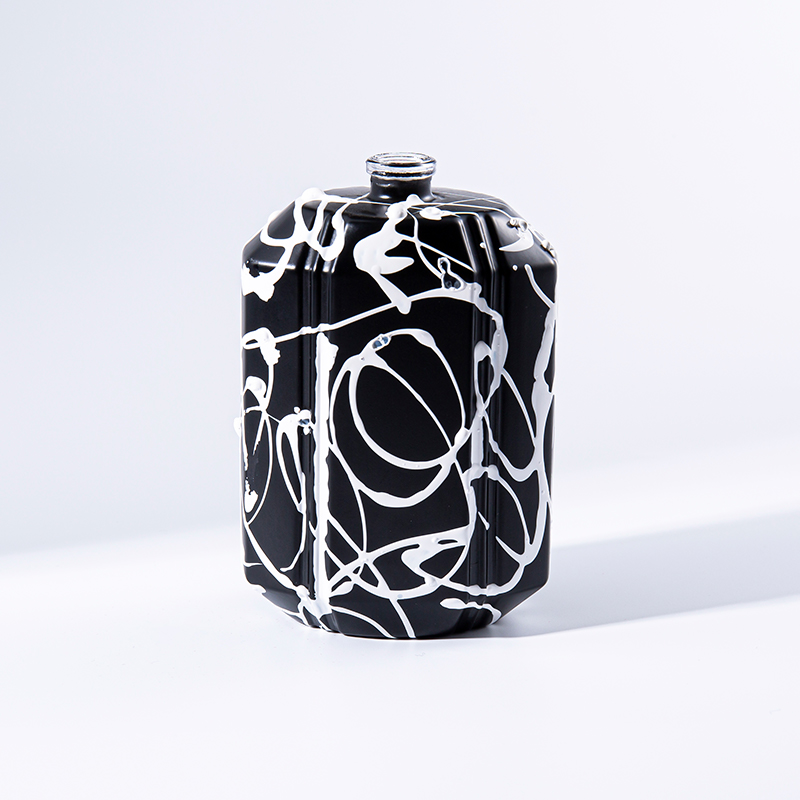
J3617 Crimp Perfume Bottle 100ml. Classic clear glass with aluminum crimp neck and precision spray nozzle. 100ml capacity. Transparent for easy level monitoring. Suitable for perfumes, toners, and per...
See Details -
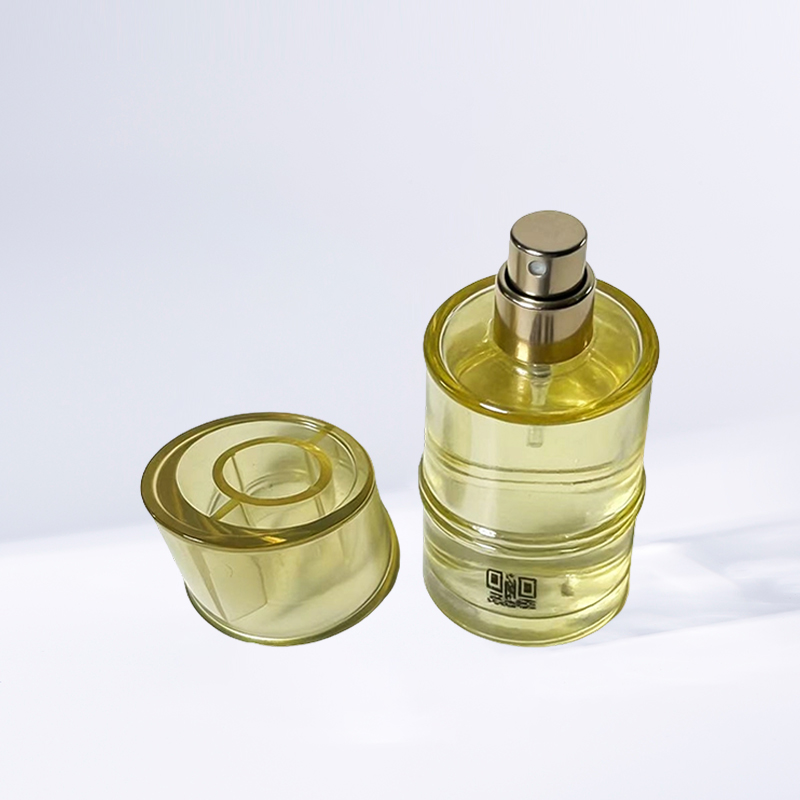
Advantages:● The bamboo-shaped bottle with 45ml capacity offers an ergonomic grip. The 8mm wall thickness provides structural support.● The crimp-seal closure with aluminum sprayer ensures sealing int...
See Details -
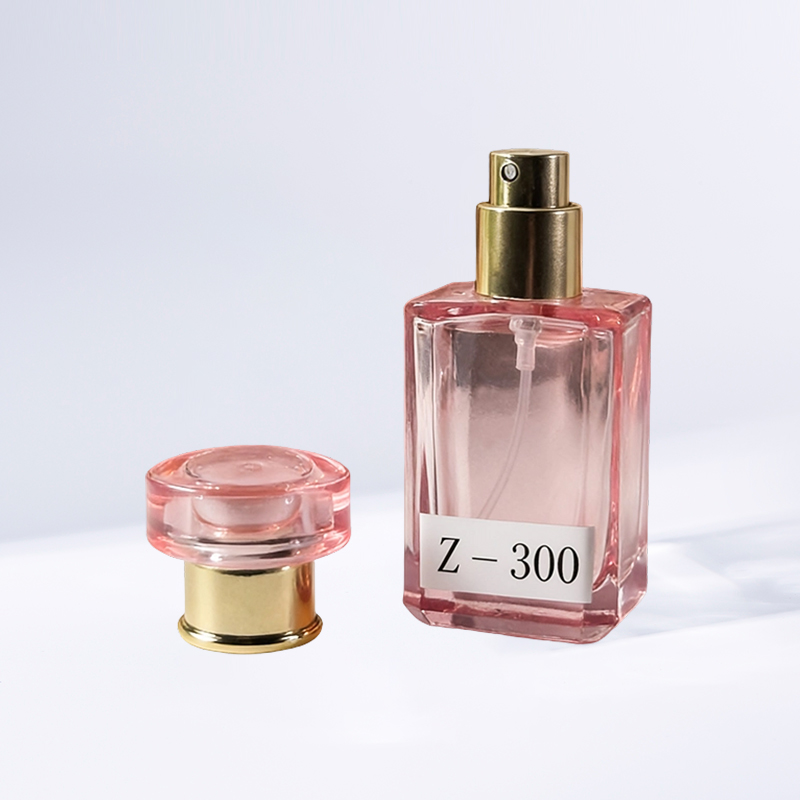
Advantages: ● The 35ml capacity is portable, and the square bottle design saves storage space.● 8mm wall thickness and crimp-seal closure enhance physical stability during transport and use.● The glas...
See Details
Contact Info.
-
Tel.
+86 153 7158 1688 (Simon)
+86 181 3693 6668 (Mary)
+86 139 5117 2783 (Junwei Hua) -
Email
zl@jl-bl.cn (Simon)
mary@jl-bl.cn (Mary)
jwhua@jl-bl.cn (Junwei Hua) -
Address
Hongqiao Town, Taixing City, Taizhou City, Jiangsu Province, China
- Media
Leave Us for Quote
Copyright © Taixing Jili Glass Products Co., Ltd. All Rights Reserved. Custom Cosmetic Glass Packaging, Luxury Perfume Glass Bottle Manufacturer
