
 ENG
ENG  English
 русский
 Français
 Español
 عربى
عربى Türk
TürkJ2249 Premium Transparent Glass Perfume Bottle 104ml. Made of clear glass with a sleek metal dome cap. Dimensions: 66.8x40.5x96.3mm, 260g. Suitable for daily use, travel, and gifting. Transparent body...
See DetailsLuxury Perfume Bottle Supplier: Premium Materials & Decorative Techniques 2026
2026-10-10
Choosing a luxury perfume bottle supplier is a decision that shapes how consumers experience a fragrance. The bottle is the primary physical point of contact. It communicates quality before the scent is even released. It sits on a vanity, a retail shelf, or a gift table. And it carries the brand's identity in a way that no label or advertisement can replicate.
For B2B buyers, finding a premium perfume bottle manufacturer means finding a partner who understands materials, decoration techniques, and the subtle signals that separate luxury from the ordinary. The global high-end perfume packaging market was valued at USD 4.52 billion in 2025 and is projected to reach USD 7.17 billion by 2032, growing at a compound annual growth rate of 6.8%. This growth is driven by premiumization trends and rising consumer expectations for distinctive, high-value packaging. Here is what fragrance brands need to know about luxury perfume bottle materials and decoration in 2026.
The Materials That Define Luxury Perfume Bottles
A luxury perfume bottle is built from materials chosen for their visual impact, tactile quality, and ability to preserve the fragrance. Each material carries its own set of associations.
Glass remains the foundation. It is inert, does not react with alcohol or essential oils, and can be recycled without loss of quality. Crystal is the premium expression of glass. Bottega Veneta's Alta fragrance collection uses a refillable glass flacon made with 15% PCR glass, reproducing the brand's Intrecciato leather weave in glass. The bottle rests on a base of green Italian marble, drawing inspiration from Venice's architectural beauty.
Zamak is the standard for luxury caps and decorative components. An alloy of zinc, aluminium, magnesium and copper, zamak is valued for its high density, cool touch, and ability to reproduce intricate details with precision. TNT Group produced a zamak cap for Stendhal's Essences Précieuses collection, featuring a floral sculpture inspired by the fleur-de-lis. The cap is debossed with the brand name and stands as a goldsmith's creation.
Wood is gaining ground as a sustainable alternative for caps and components. Bottega Veneta's Alta flacon pairs glass with a bespoke wooden cap and a zamak collar. The cap eliminates plastic entirely, using wood with a cork interior. Jean Paul Gaultier's Les Ateliers Gaultier collection uses a decorative bulb atomizer with a zamak brooch wrapped in textiles inspired by the brand's couture archives — including sequined mesh, velvet, and leather.
Aluminium is used for lightweight caps and collars. Rabanne's haute parfumerie collection uses a belt in gold galvanized zamak and brass that can be removed as the bottle is refilled. The elasticity of the coat means it functions as both decoration and closure.
Decorative Techniques That Elevate a Luxury Perfume Bottle
Decoration transforms a functional container into a brand statement. The techniques below are shaping luxury fragrance packaging in 2026.
Metallization and Gold Finishing. Metallization applies a thin metal layer to the glass surface, creating a mirror-like finish. PRAD metallized the Lolita Lempicka apple-shaped bottle with a homogeneous gold tone that blends with the cap. The Huile Pure des Bases de Cartier bottle, produced by Waltersperger and metallized gold by PRAD, won a 2024 Formes de Luxe Award. PRAD combines metallization with laser engraving, silk screening, pad printing, or hot stamping to create unique designs.
Hot Stamping. Hot stamping applies metallic or pigmented foil to the bottle surface using heat and pressure. It delivers a bright, glossy finish suitable for luxury perfumery. Charlotte Tilbury's Fragrance Collection of Emotions used golden and holographic hot stamping to add a brilliant, elegant effect. The technique works with water-based paints and UV-curing inks to maintain recyclability.
Screen Printing. Screen printing remains a standard for applying logos, text, and graphics to glass. It reproduces fine detail with precision. PCM used water-based paints and eco-friendly inks in screen printing and hot stamping processes for Tous' Oh! The Origin collection. UV screen printing is a precise and versatile technique for perfume bottles and facial cosmetics.
Lacquering. Lacquering adds color and depth to a luxury perfume bottle. It can be applied externally or internally. Stendhal's Essences Précieuses bottle features a translucent amber lacquer finish that captures and refracts light, creating a sense of visual depth. Carolina Herrera's La Bomba bottle is decorated with fuchsia lacquering.
Gradient Concrete Finish. Wheaton created a "gradient concrete" finish for Just Cavalli's Give Me Magic line. The effect begins with a dense, opaque surface that gradually fades into translucency, subtly revealing the bottle's interior. A neon-toned screen printing completes the design with bold chromatic contrast. The men's edition uses translucent green; the women's version uses rich purple.
Lost-Wax Casting and Fine Jewelry Adornments. Dior commissioned Milanese jewelry designer Madina Visconti to create a floral cap for a limited edition of J'adore Intense. The artisanal lost-wax casting technique created Visconti's signature Panzè flowers, which were dipped in 24-carat liquid gold and hand-polished. Resin in gold, pink and orange hues embellish the adornment, which cascades from the glass pearl atop the flacon down to the neck of the 200ml bottle. The release is limited to 100 pieces.
Decoration Techniques Comparison for B2B Buyers
Here is a comparison of luxury perfume bottle decoration techniques for sourcing decisions:
| Technique | Visual Effect | Durability | Recyclability | Application |
|---|---|---|---|---|
| Metallization | Mirror-like metallic finish | High | Depends on thickness | Full bottle coverage |
| Hot Stamping | Bright, glossy metallic accent | Good | Minimal impact | Logos, borders, fine detail |
| Screen Printing | Crisp graphics and text | Good | Minimal impact | Logos, patterns, labels |
| Lacquering | Color depth and gloss | Good | Limited (may need removal) | Full or partial coverage |
| Gradient Coating | Color fade effect | Moderate | Limited | Full bottle coverage |
| Lost-Wax Casting | Three-dimensional sculpture | Very high | Component-level recycling | Caps, adornments |
Regional Preferences: Middle East and Brazil
Luxury perfume bottle design preferences vary by region. A luxury perfume bottle supplier should understand these differences.
In the Middle East — particularly in Saudi Arabia, the UAE, and Qatar — consumers are drawn to luxurious, well-crafted packaging. Frosted glass, heavy-weight bottles, and ornate decoration are valued. The GCC fragrance market was valued at USD 4.22 billion in 2025 and is projected to reach USD 5.31 billion by 2031. Saudi Arabia holds the largest market share in the region.
In Latin America — including Mexico, Brazil, and Colombia — expanding middle-class populations and the increasing influence of e-commerce have driven up demand for customized, eye-catching packaging that helps brands stand out on crowded digital shelves. Brazil is projected to be a fast-growing market in the region, reaching USD 3.63 billion by 2034. For B2B buyers in these markets, working with a premium perfume bottle manufacturer that offers both ornate and minimalist designs is an advantage.
Sourcing Considerations for B2B Buyers
If you are sourcing luxury perfume bottles for your fragrance line, here are key considerations.
Start with the material. Glass is the foundation. Consider whether crystal, recycled glass, or standard glass aligns with your brand positioning. For caps and components, zamak offers weight and precision. Wood offers a sustainable alternative.
Choose decoration that matches your story. Metallization and hot stamping signal opulence. Lacquering adds color depth. Gradient finishes create visual movement. Lost-wax casting and jewelry-inspired adornments work for limited editions.
Consider regional preferences. Middle East buyers may prefer heavier bottles and ornate decoration. Latin American buyers may favor bold, shelf-ready designs for e-commerce.
Verify recyclability. The EU Packaging and Packaging Waste Regulation (PPWR) requires all packaging placed on the EU market to be recyclable by 2030. Ask your luxury perfume bottle supplier about decoration techniques that maintain recyclability, such as water-based lacquers and minimal coating thickness.
Plan for refillability. Bottega Veneta's Alta flacon is designed to be refillable, featuring a screw neck. Refillable systems extend product life and align with circular economy goals.
Why Jili for Your Luxury Perfume Bottle?
At Jili, we understand that a luxury perfume bottle supplier must deliver both aesthetic distinction and technical reliability. Our core expertise is glass bottle manufacturing with precision molding and consistent quality. We offer a range of capacities suitable for the luxury fragrance market, from 30ml travel sizes to 100ml and above.
Our decoration capabilities include screen printing, hot stamping, metallization, frosting, and lacquering. We work with brands to align packaging design with regional preferences, including heavier glass weights for the Middle East and bold visual impact for Latin American markets. We also support PCR glass and refillable designs for brands with sustainability commitments.
Whether you are launching a new fragrance for Saudi Arabia, the UAE, Brazil, or Mexico, Jili can help you source luxury perfume bottles that meet market expectations and regulatory requirements.
Related products
-
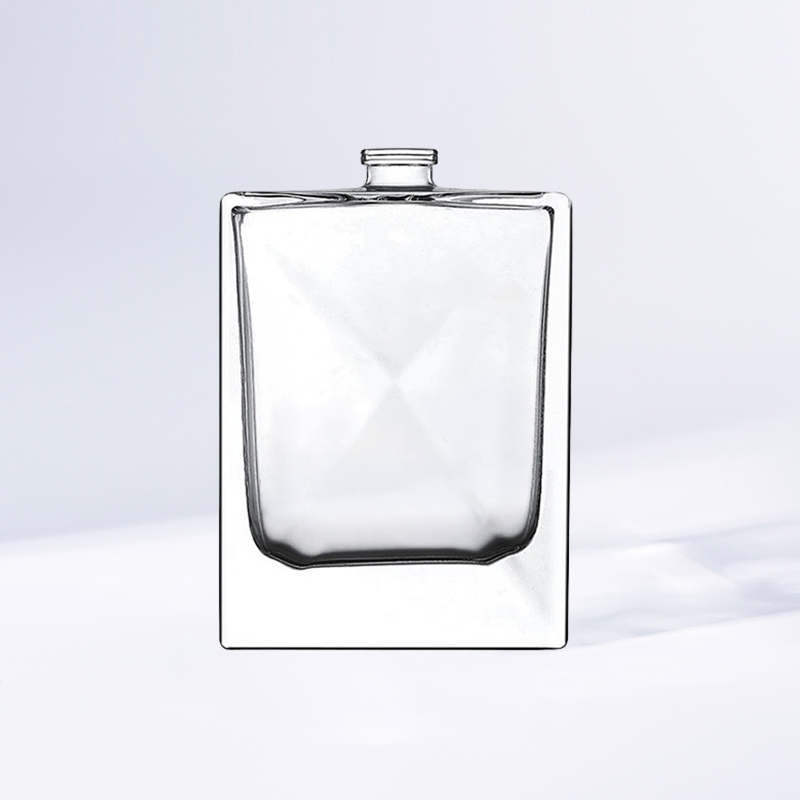
-
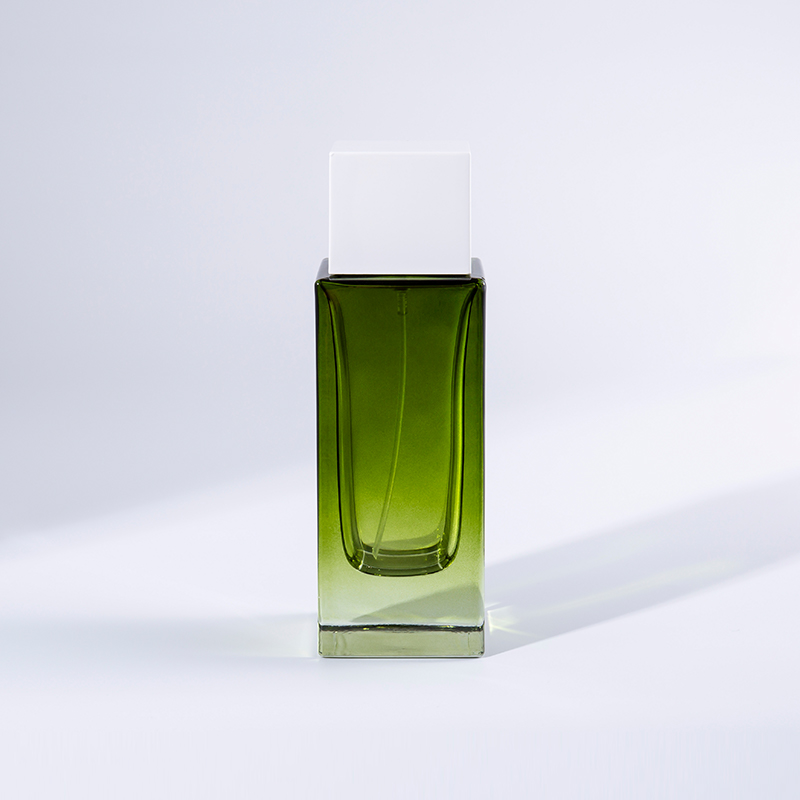
J2943 Crimp Perfume Bottle 80ml. Glass bottle with crimp neck for an airtight seal with spray pump. 80ml capacity. Ideal for commercial perfumes, eau de toilette. Transparent glass showcases liquid co...
See Details -
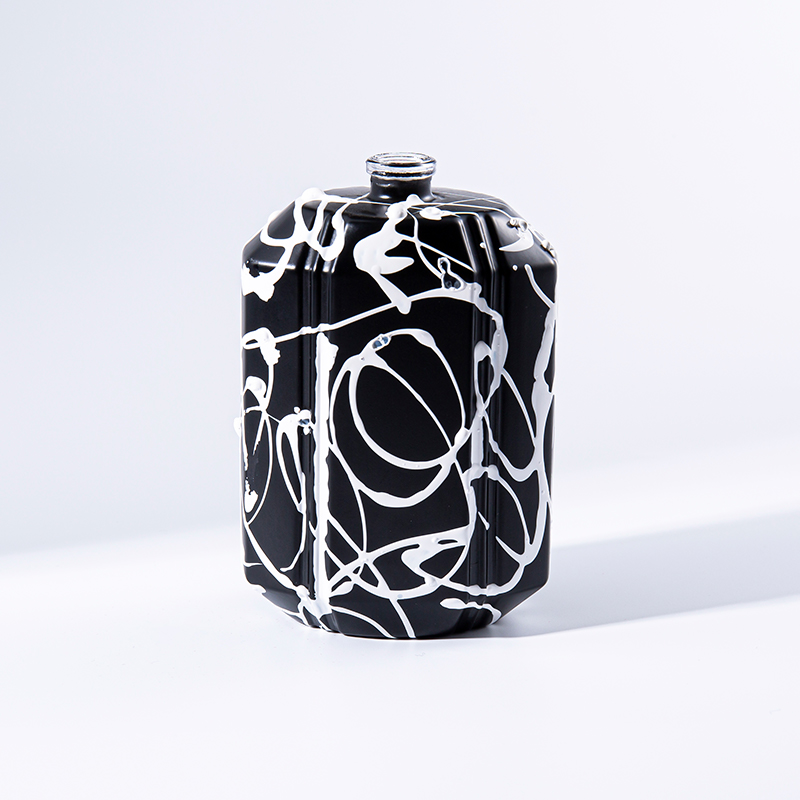
J3617 Crimp Perfume Bottle 100ml. Classic clear glass with aluminum crimp neck and precision spray nozzle. 100ml capacity. Transparent for easy level monitoring. Suitable for perfumes, toners, and per...
See Details -
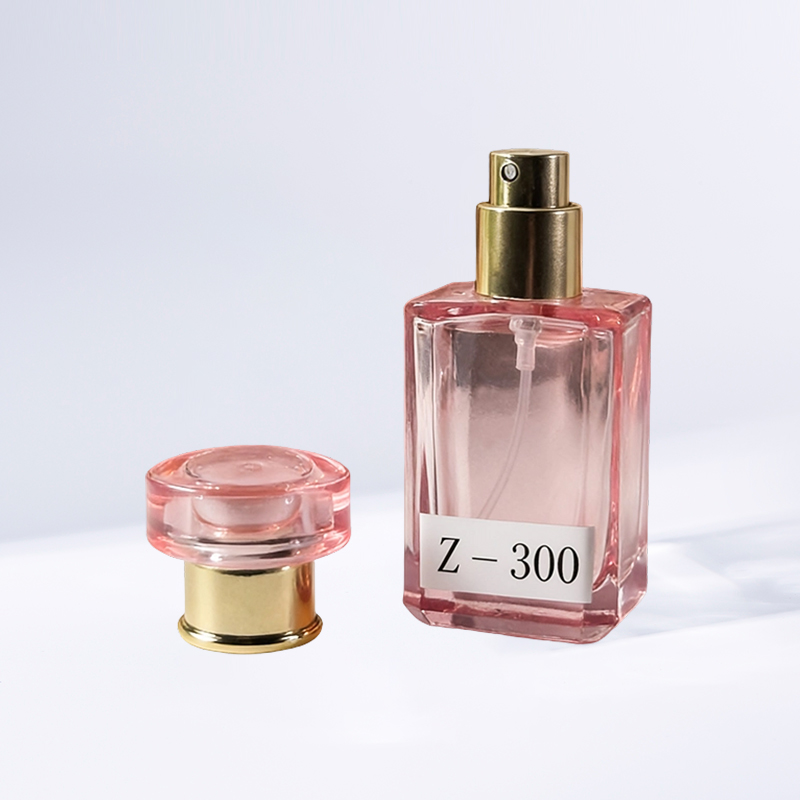
Advantages: ● The 35ml capacity is portable, and the square bottle design saves storage space.● 8mm wall thickness and crimp-seal closure enhance physical stability during transport and use.● The glas...
See Details
Contact Info.
-
Tel.
+86 153 7158 1688 (Simon)
+86 181 3693 6668 (Mary)
+86 139 5117 2783 (Junwei Hua) -
Email
zl@jl-bl.cn (Simon)
mary@jl-bl.cn (Mary)
jwhua@jl-bl.cn (Junwei Hua) -
Address
Hongqiao Town, Taixing City, Taizhou City, Jiangsu Province, China
- Media
Leave Us for Quote
Copyright © Taixing Jili Glass Products Co., Ltd. All Rights Reserved. Custom Cosmetic Glass Packaging, Luxury Perfume Glass Bottle Manufacturer
