
 ENG
 English
 русский
 Français
 Español
 عربى
 Türk
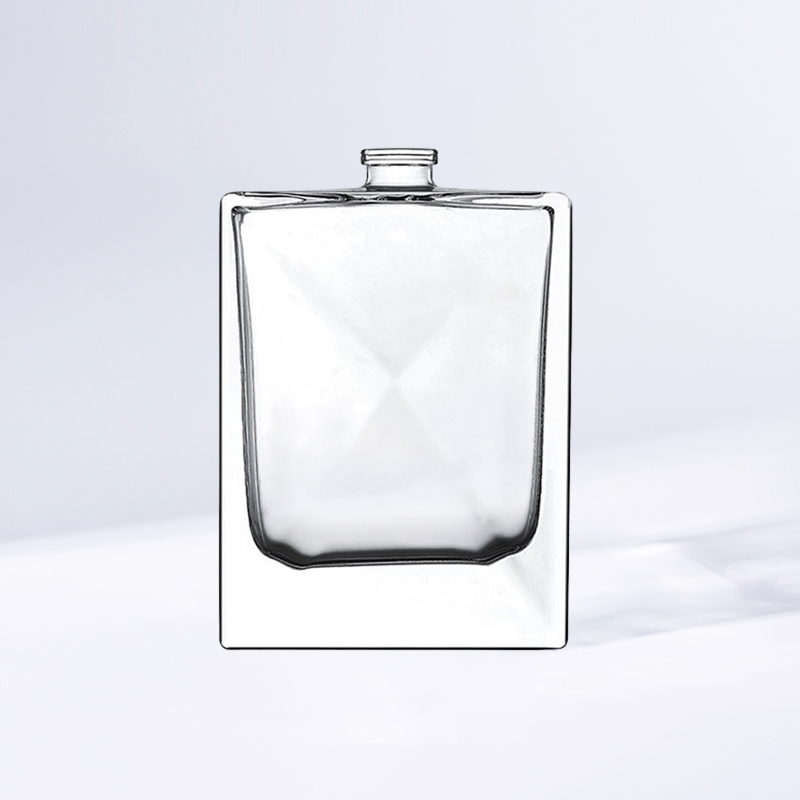
J2249 Premium Transparent Glass Perfume Bottle 104ml. Made of clear glass with a sleek metal dome cap. Dimensions: 66.8x40.5x96.3mm, 260g. Suitable for daily use, travel, and gifting. Transparent body...
See DetailsUltra-Lightweight Glass Perfume Bottle Supplier: 12g Technology for 30ml Formats
2026-10-20
Weight has long been used as a shorthand for quality in fragrance packaging. A heavy glass base signals substance. A dense cap suggests durability. But a new generation of technology is challenging that assumption. For B2B buyers sourcing an ultra-lightweight glass perfume bottle, the question is no longer whether light glass can feel premium. The question is how much weight can be removed without losing the qualities that make a fragrance package desirable.
At a recent international packaging exhibition, a French glass innovator presented thin-walled drawn glass bottles that weigh 12g for a 30ml format, compared with approximately 69g for a comparable traditional glass bottle. The technology won an eco-designed packaging innovation award at the event. For thin-walled glass bottle manufacturers and lightweight perfume bottle suppliers, this signals a shift in what is technically achievable — and what brands may begin to expect.
What Changes When a 30ml Bottle Weighs 12g
The 12g figure is a reference point. It represents a reduction of roughly 80% compared with a conventional 30ml glass perfume bottle. That difference affects the entire downstream chain.
Transport costs fall. Glass is heavy by nature. Every gram removed from the primary container reduces fuel consumption and shipping emissions. For brands distributing across long distances, the savings compound quickly.
Material use drops. Less glass per unit means fewer raw materials and less energy consumed in melting and forming. An ultra-lightweight glass perfume bottle aligns with extended producer responsibility frameworks that increasingly tie packaging fees to weight.
Consumer handling changes. A lighter bottle feels different in the hand. It can be perceived as modern, efficient, or travel-friendly. The challenge for brands is preserving a sense of value without relying solely on mass.
The Technology Behind Thin-Walled Drawn Glass
Drawn glass has been used for decades in pharmaceutical and laboratory applications. Until recently, it was largely limited to cylindrical shapes. A new process has been developed to blow drawn glass into thin-walled flacons with more complex geometries, opening the technique to fragrance and cosmetics formats.
This differs from the injection-stretch process used for perfume bottles. The drawn-glass route allows for a controlled wall thickness that supports ultra-lightweight glass perfume bottle designs without sacrificing structural integrity.
Some major beauty groups have pursued a parallel path. Their research programmes target bottles with a reduced lightweight ratio, while maintaining sufficient resistance and complex shapes. The industry is beginning to question the assumption that weight equals quality, pointing to high-quality drinking glasses that are valued precisely for their lightness.
A Comparison of Lightweighting Approaches
Several technologies are now competing in the lightweight glass space. Each has different implications for lightweight perfume bottle suppliers and their clients.
| Approach | Representative Format | Weight Reduction | Shape Capability | Commercial Status |
| Thin-walled drawn glass | 30ml at 12g | Roughly 80% vs. conventional | Complex shapes now possible | Award-winning, entering market |
| Advanced injection-stretch | 30ml at 16g | Roughly 75% vs. conventional | Complex shapes, under patent | R&D stage, patent pending |
| Optimized lightweight range | Range of formats | Up to 20% CO2 reduction | Standard and custom shapes | Commercially available |
| Conventional glass | 30ml at 69g | Baseline | Established | Widespread |
Optimized lightweight ranges demonstrate that meaningful reductions are already available at commercial scale. The platform combines optimized glass distribution with mechanical performance, achieving up to 20% CO2 reduction compared with standard models. For brands not yet ready for 12g formats, incremental lightweighting remains a practical step.
The Counterargument: Weight Still Matters in Some Markets
The ultra-lightweight glass perfume bottle is not a universal solution. In the Middle East, particularly in Saudi Arabia, the UAE, and Qatar, heavier bottles remain a signal of luxury. The region is driving demand for higher-weight bottles and decorative metal components, reinforcing the perception of luxury through tactile experience. A 12g bottle may not suit every brief in Riyadh or Dubai.
The Middle East and Africa cosmetic and perfumery glass bottles segment is projected to grow at a CAGR of 5.73%, with premiumization in cosmetics and perfumery driving glass demand. For lightweight perfume bottle suppliers targeting this region, the opportunity lies in offering a range rather than a single approach. Lightweight formats can serve travel retail, sampling, and eco-focused lines, while heavier formats continue to anchor flagship launches.
In Brazil and South America, the picture is different again. Brazilian prestige beauty categories prefer glass for perfume bottles and high-end skincare packaging. One regional manufacturer recently inaugurated a logistics center to expand international sales, reflecting confidence in regional demand. The South America glass packaging market is also seeing expanded use of glass for cosmetics and pharmaceuticals, with Brazil and Colombia identified as relevant markets. An ultra-lightweight glass perfume bottle can appeal to Brazilian brands balancing premium positioning with sustainability commitments.
B2B Sourcing Considerations for Ultra-Lightweight Glass
If you are evaluating thin-walled glass bottle manufacturers or lightweight perfume bottle suppliers, several practical factors deserve attention.
Clarify the weight target. A 12g format is a technical benchmark, not a universal requirement. Define the weight range that matches your brand positioning and distribution strategy.
Test the feel. A lighter bottle changes the consumer experience. Request samples and evaluate hand feel, perceived durability, and closure compatibility before committing to a format.
Evaluate decoration compatibility. Thin walls may affect what decoration techniques can be applied. Ask your ultra-lightweight glass perfume bottle supplier about screen printing, lacquering, and metallization limitations on reduced-wall formats.
Consider the refill ecosystem. Lightweight bottles pair naturally with refill systems. A lighter primary container reduces the overall material footprint of a reusable packaging model.
Verify structural testing. Reduced wall thickness requires rigorous drop, pressure, and compatibility testing. Ask for third-party data rather than relying on visual inspection.
Plan for regional preferences. A lightweight perfume bottle supplier should understand that a format suited to a European eco-line may not fit a Middle East luxury brief. Regional nuance matters.
Why Jili for Your Perfume Bottle Needs?
At Jili, we track these lightweighting developments closely. Our core expertise is glass bottle manufacturing with precision molding and consistent quality. We work with brands to identify the format and decoration approach that fits their market, whether the priority is a reduced-weight ultra-lightweight glass perfume bottle for eco-conscious lines or a heavier format for premium retail.
We offer a range of capacities and decoration capabilities, including screen printing, hot stamping, and metallization. For brands exploring lightweight formats, we can guide the selection process and coordinate testing with decoration partners.
Whether you are launching a new fragrance in Brazil, expanding into the Middle East, or developing a sustainable line for European retail, Jili can help you source perfume bottles that align with your brief.
Related products
-
-
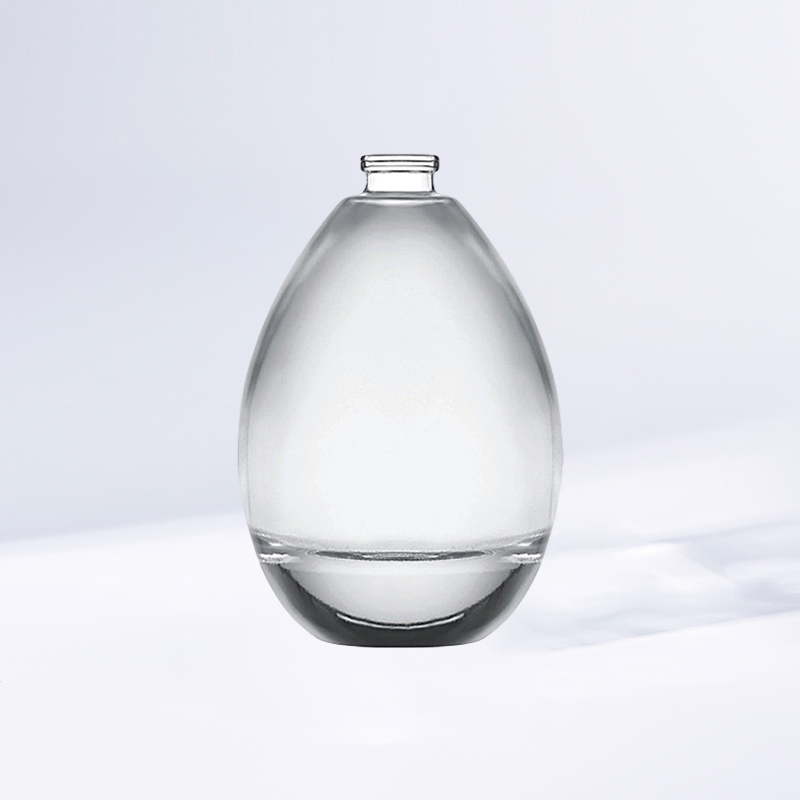
J2556 Elegant Oval Perfume Bottle 105ml. Features an oval silhouette with transparent glass, a contrasting empty upper section, and a liquid-holding lower part. Stable flared base. Dimensions: 63.8x63...
See Details -
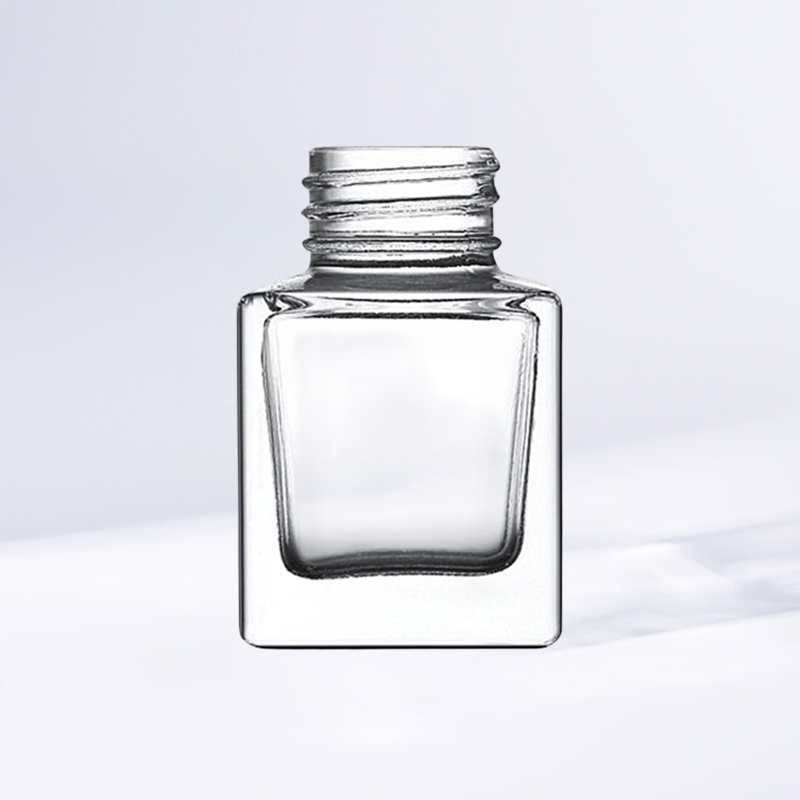
J2303 Screw-Top Aroma Glass Bottle 46ml. Compact transparent glass bottle with screw cap for secure closure. Dimensions: 42x42x64.6mm, 105g. Ideal for essential oils, fragrance oils, and portable use....
See Details -
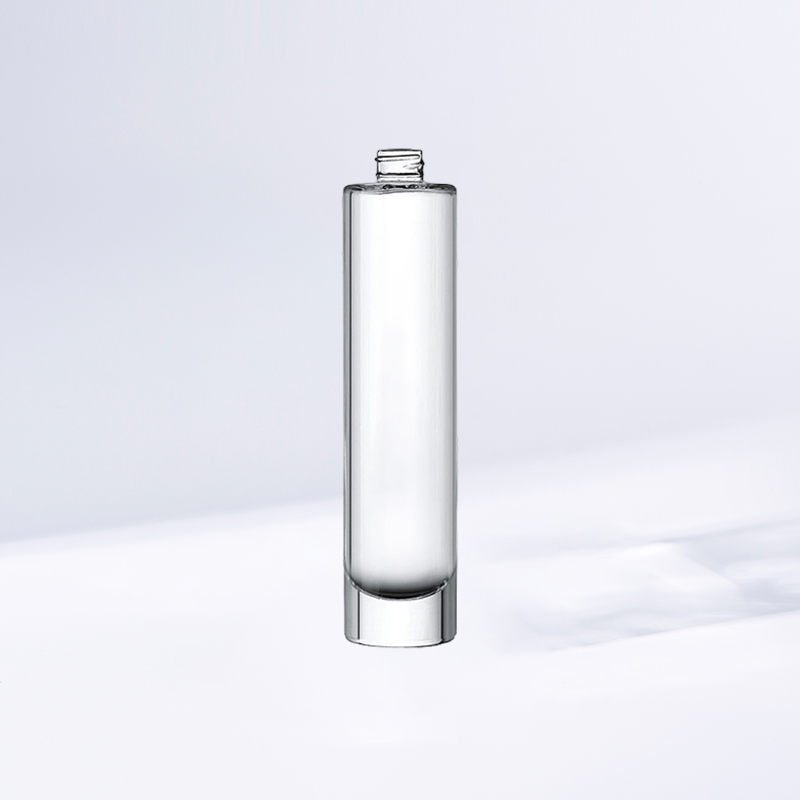
Transparent Long Cylindrical Screw Cap Lotion Bottle 108ml. Clear glass long cylinder with a wide base and a metal screw cap. Dimensions: 41.5x41.5x149.8mm, 190g. Stable and portable. Ideal for lotion...
See Details
Contact Info.
-
Tel.
+86 153 7158 1688 (Simon)
+86 181 3693 6668 (Mary)
+86 139 5117 2783 (Junwei Hua) -
Email
zl@jl-bl.cn (Simon)
mary@jl-bl.cn (Mary)
jwhua@jl-bl.cn (Junwei Hua) -
Address
Hongqiao Town, Taixing City, Taizhou City, Jiangsu Province, China
- Media
Leave Us for Quote
Copyright © Taixing Jili Glass Products Co., Ltd. All Rights Reserved. Custom Cosmetic Glass Packaging, Luxury Perfume Glass Bottle Manufacturer
