
 ENG
ENG  English
 русский
 Français
 Español
 عربى
عربى Türk
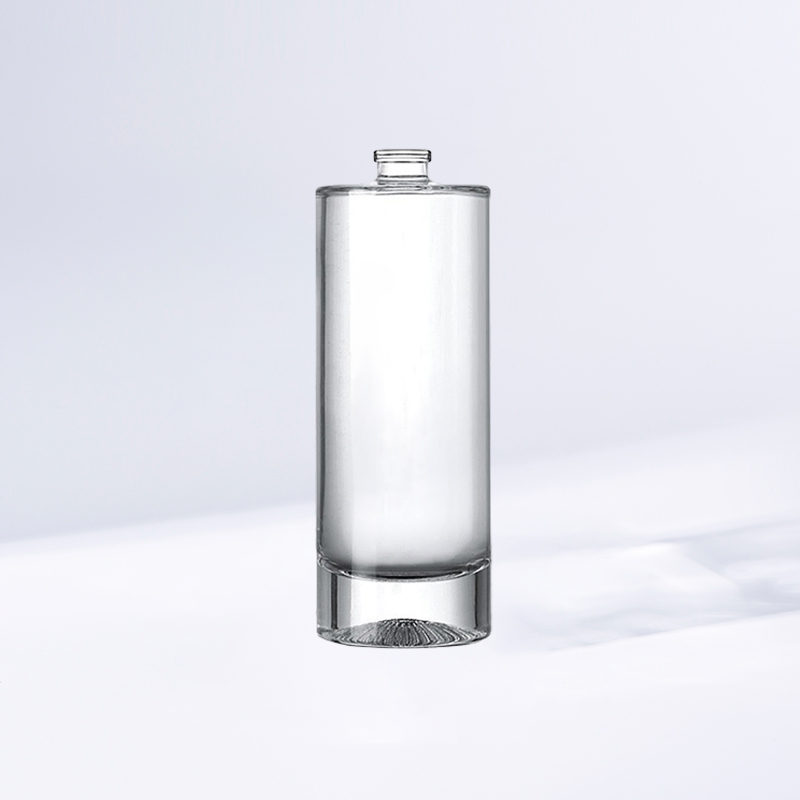
TürkJ2433 Transparent Cylinder Screw-Top Perfume Bottle 100ml. Features a clear glass cylindrical body with a stable, wide base and a color-matched screw cap for secure sealing. Dimensions: 63x63x85mm, we...
See DetailsTrends in the Perfume Bottle Industry?
2025-06-16
The perfume bottle industry, as an intersection of packaging design, material technology, and the luxury market, has recently exhibited diversified development trends, primarily reflected in the following aspects:
1. Sustainability & Eco-Innovation
Recyclable Materials: Glass remains dominant, but bio-based plastics (e.g., sugarcane-derived PE), recycled aluminum, and biodegradable materials are increasingly used to reduce carbon footprints.
Refillable Designs: Luxury brands (e.g., Dior, Gucci) introduce replaceable inner bottles to minimize packaging waste, aligning with eco-conscious consumption.
Zero-Waste Processes: Adoption of water-based coatings and adhesive-free bonding to reduce pollution.
2. Smart & Functional Design
Smart Packaging: NFC chips or QR codes for anti-counterfeiting, traceability, and interactive experiences (e.g., fragrance storytelling or AR trials).
Enhanced Usability: Precision spray pumps, leak-proof seals, and portable mini bottles (e.g., Tom Ford’s travel sizes).
Emotional Design: LED lighting, thermo-chromatic bottles (color-changing with temperature) for sensory engagement.
3. Artistry & Personalization
Collaborations: Limited editions with artists/architects (e.g., LV × Yayoi Kusama) to boost collectible value.
Customization: Engraving, DIY patterns (e.g., Jo Malone’s monogramming), modular caps/bottles.
Miniaturization: Small samples (1-5ml) cater to trial demand, lowering entry barriers.
4. Material & Craftsmanship Breakthroughs
Lightweight Glass: Thinner yet durable designs to cut transport costs.
Textured Finishes: Matte, frosted, or ceramic-like coatings for premium tactile/visual appeal.
3D Printing: Prototyping or limited-edition complex geometries .
5. Cultural Fusion & Market Segmentation
Regional Aesthetics: Ornate metalwork for Middle Eastern markets vs. minimalist Nordic lines (e.g., Byredo) in Asia.
Gender-Neutral Designs: Unisex bottles blur traditional gendered visuals.
Wellness Features: Antibacterial caps, UV-protective coatings to preserve fragrance integrity.
6. Digital & E-Commerce Adaptation
E-Commerce Optimization: Shock-proof packaging, tamper-evident seals for online sales.
Virtual Try-Ons: Apps with AR filters linked to bottle designs.
Challenges & Opportunities
Cost Balance: Scaling up eco-materials to offset higher prices.
Regulatory Push: EU bans on single-use plastics accelerating innovation.
Emerging Markets: Growth in China/Middle East fueling luxury demand.
Future Outlook
The industry will further integrate technology and art, with sustainability as a core competitive edge. Brands must balance creativity, functionality, and eco-friendliness to meet Gen Z and millennials’ demand for "ethical luxury."
Related products
-
-
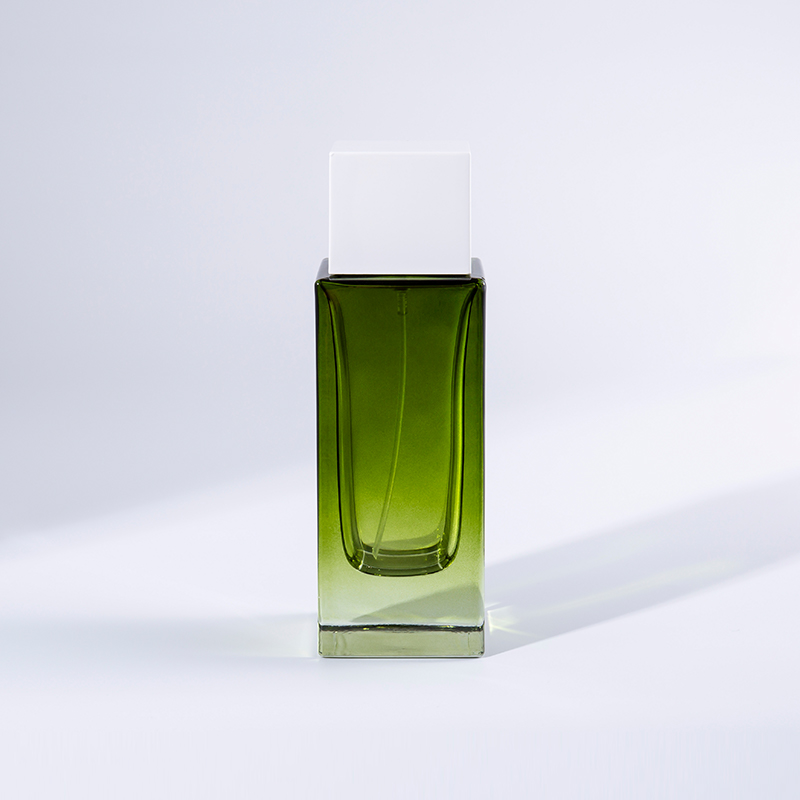
J2943 Crimp Perfume Bottle 80ml. Glass bottle with crimp neck for an airtight seal with spray pump. 80ml capacity. Ideal for commercial perfumes, eau de toilette. Transparent glass showcases liquid co...
See Details -
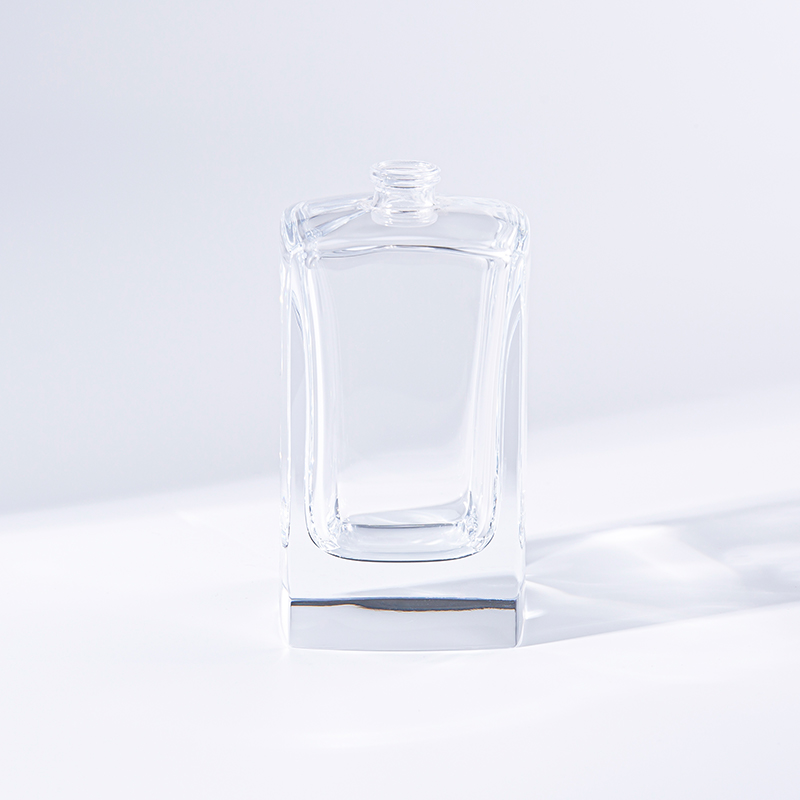
J3364 Hand Polished Crimp Perfume Bottle 100ml. Hand-polished clear glass for a smooth, glossy finish. Aluminum crimp cap with precision spray nozzle. 100ml capacity. Transparent for level monitoring....
See Details -
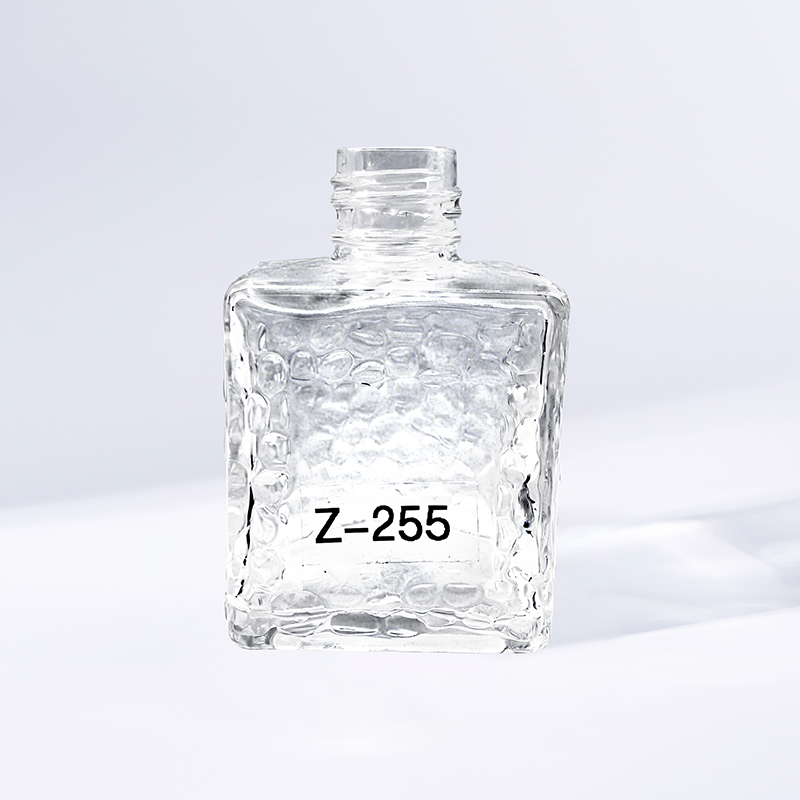
Z-255 Screw Aromatherapy Bottle 100ml. High-transparency glass with screw cap for secure seal. 100ml capacity. Allows easy monitoring of liquid level. Suitable for essential oils, home/office diffuser...
See Details
Contact Info.
-
Tel.
+86 153 7158 1688 (Simon)
+86 181 3693 6668 (Mary)
+86 139 5117 2783 (Junwei Hua) -
Email
zl@jl-bl.cn (Simon)
mary@jl-bl.cn (Mary)
jwhua@jl-bl.cn (Junwei Hua) -
Address
Hongqiao Town, Taixing City, Taizhou City, Jiangsu Province, China
- Media
Leave Us for Quote
Copyright © Taixing Jili Glass Products Co., Ltd. All Rights Reserved. Custom Cosmetic Glass Packaging, Luxury Perfume Glass Bottle Manufacturer
