
 ENG
ENG  English
 русский
 Français
 Español
 عربى
عربى Türk
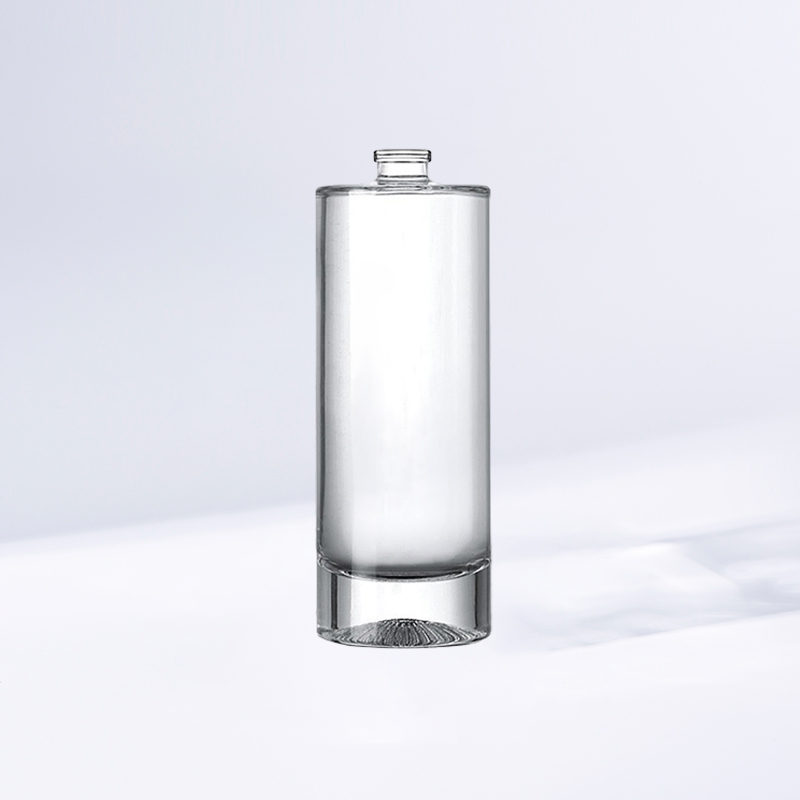
TürkJ2433 Transparent Cylinder Screw-Top Perfume Bottle 100ml. Features a clear glass cylindrical body with a stable, wide base and a color-matched screw cap for secure sealing. Dimensions: 63x63x85mm, we...
See DetailsWhat Are Empty Perfume Glass Bottles and Why Are They Widely Used in the Fragrance Industry?
2026-06-02
Content
- 1 Introduction: The Rising Importance of Empty Perfume Glass Bottles
- 2 What Are Empty Perfume Glass Bottles?
- 3 Key Materials and Manufacturing Process
- 4 Types of Empty Perfume Glass Bottles
- 5 Market Demand and Industry Trends
- 6 Why Glass Bottles Are Preferred Over Plastic
- 7 Design and Customization Options
- 8 Functional Features of Perfume Glass Bottles
- 9 Applications Across Different Industries
- 10 Quality Testing Standards for Empty Perfume Glass Bottles
- 11 How to Maintain Empty Perfume Glass Bottles
- 12 Conclusion
- 13 FAQ
Introduction: The Rising Importance of Empty Perfume Glass Bottles
The global fragrance industry continues to expand, driven by evolving consumer preferences, premiumization trends, and the rapid growth of e-commerce beauty brands. Within this ecosystem, empty perfume glass bottles have become a fundamental component of product presentation, preservation, and brand identity.
Unlike simple containers, perfume bottles now serve as a combination of functional packaging and visual storytelling. Brands increasingly rely on refillable perfume glass bottles and luxury perfume glass bottles to create a lasting impression on consumers while maintaining product integrity.
In addition, sustainability concerns and regulatory pressures are pushing manufacturers and brands toward recyclable and reusable packaging solutions. As a result, demand for high-quality empty perfume glass bottles for both retail and wholesale markets continues to rise globally.
What Are Empty Perfume Glass Bottles?
Empty perfume glass bottles are specialized containers designed to store and dispense liquid fragrances, including perfumes, colognes, essential oils, and body mists. They are typically made from high-grade glass to ensure chemical stability and preserve fragrance.
Compared to plastic alternatives, glass bottles provide better resistance to chemical reactions, ensuring that the fragrance composition remains unchanged over time. This makes them the preferred choice for both premium brands and mass-market fragrance producers.
These bottles come in a wide range of designs, including small glass perfume bottles for travel, atomizer spray bottles, and decorative packaging formats used in luxury branding.
Key Materials and Manufacturing Process
The production of empty perfume glass bottles involves precise engineering and strict quality control. Most bottles are made from soda-lime glass or borosilicate glass depending on durability requirements.
The manufacturing process generally includes:
- Raw material melting at high temperatures
- Molding into specific bottle shapes
- Annealing to improve strength
- Surface finishing such as frosting, coating, or coloring
- Quality inspection for sealing and durability
Advanced finishing techniques such as gradient coating, UV printing, and electroplating are widely used to enhance aesthetic appeal, especially in luxury perfume glass bottles.
Types of Empty Perfume Glass Bottles
The market for empty perfume glass bottles is highly segmented based on usage, design, and functionality. Each type serves a different consumer or brand need.
Product Overview
| Type | Description | Application | Key Benefit |
|---|---|---|---|
| Spray Bottles | Fine mist atomizer system for fragrance dispersion | Perfume and cologne | Even application and user convenience |
| Refillable Bottles | Designed for multiple refills | Travel and personal use | Sustainable and cost-efficient |
| Mini Bottles (5–15ml) | Compact packaging format | Sampling and promotion | Portable and lightweight |
| Decorative Bottles | Custom-designed artistic bottles | Luxury branding | Strong visual identity |
| Roller Bottles | Equipped with roller ball applicator | Essential oils | Controlled and precise usage |
These product categories allow manufacturers to target different segments, from premium perfume brands to mass-market cosmetic companies.
Market Demand and Industry Trends
The demand for empty perfume glass bottles has increased significantly due to several global trends:
First, the rise of e-commerce has encouraged brands to focus on visually appealing packaging that stands out in online listings. Second, the growing popularity of niche fragrance brands has created demand for custom perfume bottle packaging that reflects unique brand identities.
Additionally, consumers are increasingly attracted to refillable perfume glass bottles as part of a broader shift toward sustainable consumption. This has led manufacturers to innovate in reusable designs and lightweight glass structures.
The wholesale perfume glass bottles segment is also expanding, particularly in emerging markets where distributors supply packaging materials to small and medium-sized fragrance producers.
Why Glass Bottles Are Preferred Over Plastic
Glass remains the dominant material in fragrance packaging for several reasons:
- Chemical stability ensures fragrance purity
- Non-reactive surface preserves scent composition
- Premium appearance enhances brand value
- Fully recyclable and environmentally friendly
- Better barrier properties against air and moisture
These advantages make glass bottles the standard choice for high-end perfume packaging and mass production alike.
Design and Customization Options
Customization plays a critical role in the perfume packaging industry. Brands use design differentiation to build identity and consumer recognition.
Common customization options include:
- Bottle shapes: round, square, cylindrical, or asymmetrical designs
- Surface finishing: matte, frosted, gradient, or glossy coatings
- Color application: transparent, tinted, or opaque glass
- Printing techniques: silk screen printing, hot stamping, UV printing
- Cap and sprayer design customization
Such flexibility allows manufacturers to produce small glass perfume bottles for travel as well as large luxury packaging solutions.
Functional Features of Perfume Glass Bottles
Modern empty perfume glass bottles are engineered with both aesthetics and performance in mind. Key functional features include:
- Leak-proof sealing systems to prevent evaporation
- Fine mist spray mechanisms for even distribution
- Durable glass construction for impact resistance
- Airtight caps to maintain fragrance integrity
- Compatibility with refill systems
These features ensure that bottles are suitable for both retail use and long-term storage.
Applications Across Different Industries
Although primarily associated with fragrance brands, empty perfume glass bottles are widely used across multiple industries:
- Perfume and fragrance manufacturing
- Essential oil and aromatherapy products
- Cosmetic and skincare packaging
- Promotional and gift packaging
- Travel-size personal care products
The versatility of these bottles makes them a core packaging solution in the beauty and wellness sector.
Quality Testing Standards for Empty Perfume Glass Bottles
Quality testing is a critical step in the production of empty perfume glass bottles, ensuring that each unit meets both functional and aesthetic requirements before entering the market. Since perfume packaging directly affects product safety, user experience, and brand reputation, manufacturers implement a series of strict inspection procedures throughout the production process. Below are the key testing dimensions presented in a clear and structured manner.
Strength and Durability Test
- Purpose: Evaluates whether the glass bottle can withstand impact during handling, filling, and transportation.
- Method: Includes drop tests from specific heights onto hard surfaces to simulate real-world shipping conditions.
- Standard: Bottles must remain intact without cracking or shattering under controlled testing standards.
Leakage and Sealing Test
- Purpose: Ensures the integrity of the cap, pump, and bottle neck—especially critical for refillable and spray-type designs.
- Method: Bottles are filled with liquid and stored in inverted positions or under pressure conditions to monitor for leaks over time.
- Importance: Particularly vital for wholesale perfume glass bottles used in bulk distribution.
Spray Performance Test
- Purpose: Verifies the functionality of atomizer designs.
- Method: Measures spray consistency, spray angle, and mist particle size.
- Standard: A high-quality spray mechanism should produce a fine, even mist without clogging or sputtering, ensuring a smooth user experience.
Surface Quality Inspection
- Purpose: Assesses visual appearance to meet aesthetic standards.
- Checks Include: Scratches, bubbles, uneven coating, or printing defects.
- Note: For luxury perfume glass bottles, aesthetic precision is especially important, as visual presentation directly influences brand perception.
Chemical Resistance and Material Safety Test
- Purpose: Confirms that the glass does not react chemically with fragrance ingredients over time.
- Benefits: Helps maintain fragrance stability and prevents contamination.
- Final Approval: Only products that pass all these quality testing standards are approved for packaging and global distribution, ensuring reliability, safety, and premium performance across all empty perfume glass bottles.
How to Maintain Empty Perfume Glass Bottles
Proper maintenance of empty perfume glass bottles helps preserve their appearance, functionality, and reusability, especially for refillable perfume glass bottles used in daily or travel applications. The first step is regular cleaning after each use. It is recommended to rinse the bottle with warm water immediately after emptying the fragrance to prevent residue buildup. For more thorough cleaning, a mild, non-corrosive detergent can be used, followed by multiple rinses with clean water to ensure no chemical residue remains inside the bottle.
Drying is equally important. After washing, the bottle should be air-dried completely in a clean, dust-free environment. Avoid sealing or capping the bottle while moisture is still present, as trapped humidity may affect future fragrance quality or cause odor contamination. For spray-type bottles, gently press the atomizer with clean water during rinsing to remove any remaining perfume particles in the nozzle system.
Storage conditions also play a key role in maintaining empty perfume glass bottles. They should be kept in a cool, dry place away from direct sunlight and high temperatures, which may weaken rubber seals or affect decorative coatings. It is also advisable to store bottles upright to prevent leakage and protect the spray mechanism.
For decorative or luxury perfume glass bottles, extra care should be taken to avoid scratches and impact damage. Using soft cloths for wiping the exterior helps maintain surface gloss and extends the aesthetic lifespan of the packaging. With proper cleaning, drying, and storage practices, empty perfume glass bottles can be safely reused multiple times while maintaining both functionality and visual appeal.
Conclusion
Empty perfume glass bottles are no longer just containers; they are a strategic element of branding, consumer experience, and product preservation. From refillable perfume glass bottles to luxury perfume glass bottles used in high-end branding, the industry continues to evolve in response to sustainability demands and design innovation.
FAQ
1. What are empty perfume glass bottles used for?
Empty perfume glass bottles are mainly used for storing and dispensing fragrances such as perfumes, colognes, essential oils, and body mists. They are widely used in personal care, cosmetic packaging, and travel-size product applications.
2. Are empty perfume glass bottles refillable?
Yes, many empty perfume glass bottles are designed to be refillable. Refillable perfume glass bottles are equipped with removable sprayers or caps, allowing users to reuse them multiple times, which helps reduce packaging waste and cost.
3. What sizes are commonly available for perfume glass bottles?
Common sizes include 5ml, 10ml, 15ml, 30ml, 50ml, and 100ml. Small glass perfume bottles are often used for travel or sampling, while larger sizes are more suitable for retail packaging and brand distribution.
4. How can I prevent leakage in perfume glass bottles?
To prevent leakage, ensure the spray head is tightly sealed and the bottle is not overfilled. High-quality empty perfume glass bottles also use secure crimping or screw systems to improve sealing performance and reduce the risk of leakage during transport.
5. Can empty perfume glass bottles be customized?
Yes, custom perfume bottle packaging is widely available. Customization options include bottle shape, color coating, logo printing, frosting, and cap design, allowing brands to create unique packaging that enhances brand identity.
Related products
-
-
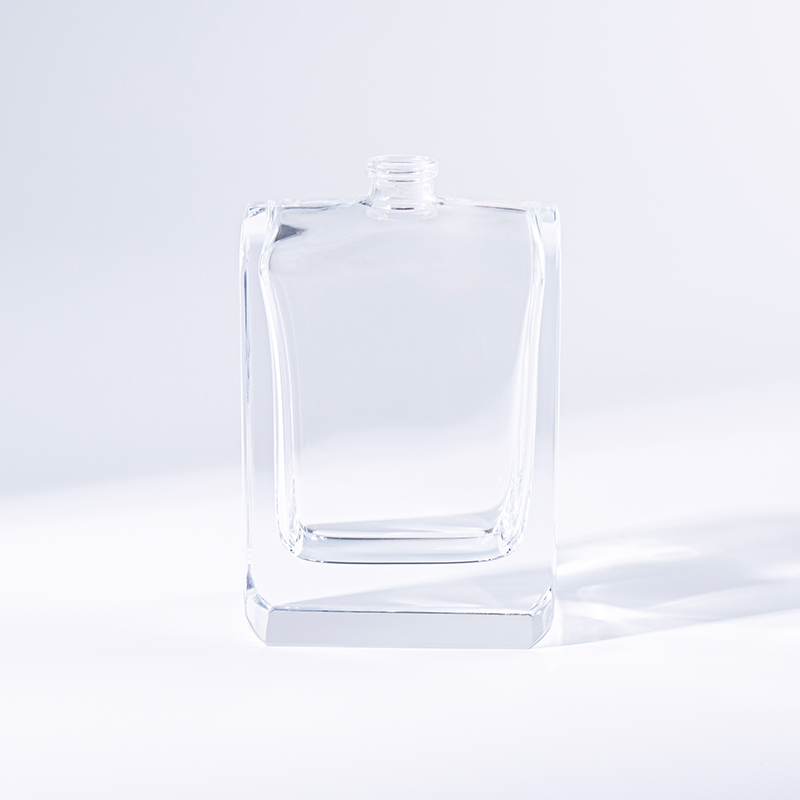
J2434 Hand Polished Crimp Perfume Bottle 100ml. Hand-polished neck and shoulder for enhanced touch. Crimp pump with aluminum collar. 100ml capacity. Smooth glossy finish at contact points. Suitable fo...
See Details -
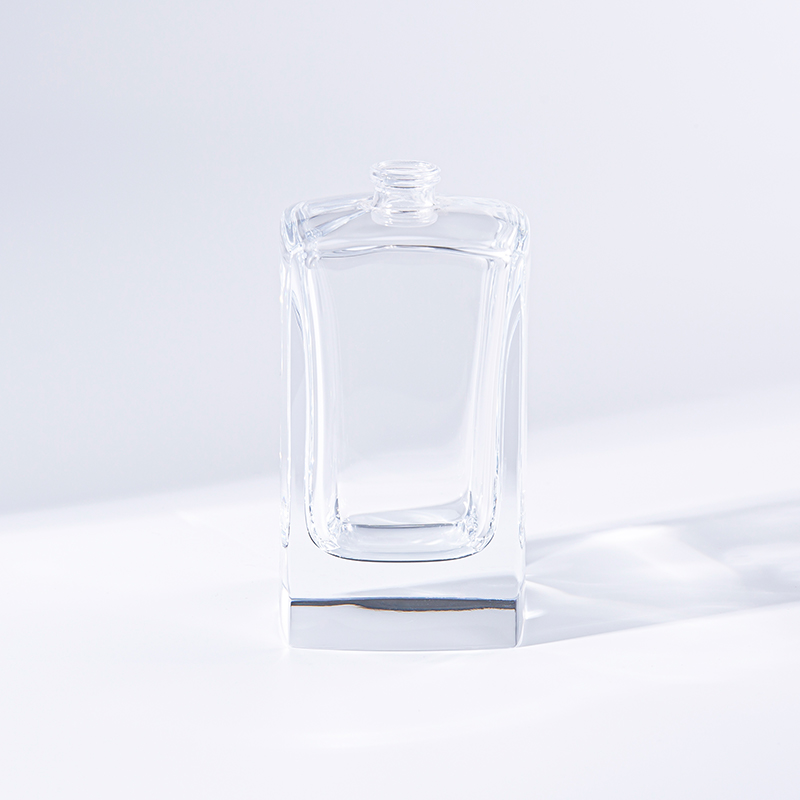
J3364 Hand Polished Crimp Perfume Bottle 100ml. Hand-polished clear glass for a smooth, glossy finish. Aluminum crimp cap with precision spray nozzle. 100ml capacity. Transparent for level monitoring....
See Details -
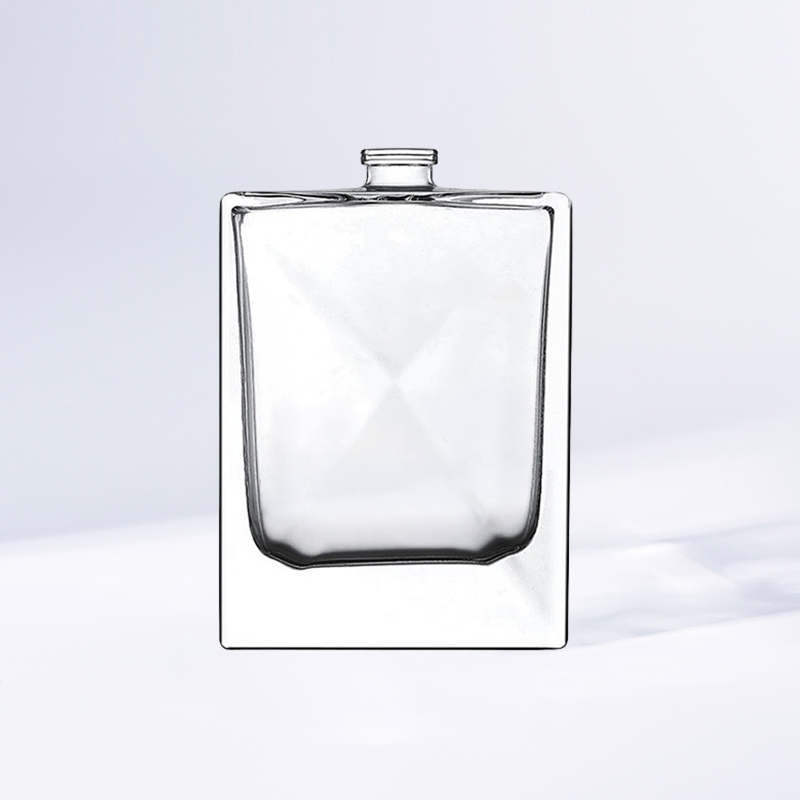
J2249 Premium Transparent Glass Perfume Bottle 104ml. Made of clear glass with a sleek metal dome cap. Dimensions: 66.8x40.5x96.3mm, 260g. Suitable for daily use, travel, and gifting. Transparent body...
See Details
Contact Info.
-
Tel.
+86 153 7158 1688 (Simon)
+86 181 3693 6668 (Mary)
+86 139 5117 2783 (Junwei Hua) -
Email
zl@jl-bl.cn (Simon)
mary@jl-bl.cn (Mary)
jwhua@jl-bl.cn (Junwei Hua) -
Address
Hongqiao Town, Taixing City, Taizhou City, Jiangsu Province, China
- Media
Leave Us for Quote
Copyright © Taixing Jili Glass Products Co., Ltd. All Rights Reserved. Custom Cosmetic Glass Packaging, Luxury Perfume Glass Bottle Manufacturer
