
 ENG
ENG  English
 русский
 Français
 Español
 عربى
عربى Türk
TürkJ2287 Square Aroma Diffuser Bottle 50ml. Semi-transparent glass square bottle with clean lines. Dimensions: 52.1x52.1x61mm, 143g. Ideal for reed diffusers in the home or office. Displays liquid color ...
See DetailsGlass Aroma Diffuser Bottles: A Buyer's Guide to Quality and Customization
2026-08-21
Glass aroma diffuser bottles hold the oil-and-reed system that spreads scent through a room, but the bottle itself is not a passive vessel. The thickness of the glass, the diameter of the neck, the fit of the cap, and the volume you choose all influence how much fragrance evaporates, how stable the bottle stands, and how premium it feels on a shelf. For brand owners and packaging buyers, understanding these control points is the difference between a product that sells well and one that leaks, evaporates too fast, or looks generic.
Why Glass Remains the Default Choice for Aroma Diffusers
Most aroma diffusers on the market use glass rather than plastic because glass is chemically inert, easy to clean, and compatible with essential oil blends. It does not react with the fragrance or leach additives into the oil, which keeps the product cleaner during its shelf life. Amber, cobalt blue, and frosted glass also protect the oil from UV light while still showing the liquid level. Clear glass, in turn, lets the natural color of the oil become part of the visual identity.
From a cost perspective, standard soda-lime glass is usually sufficient for a reed diffuser. It offers good clarity and surface quality at a reasonable price. Borosilicate glass adds heat resistance and improves durability, but most aroma oil formulas do not require it. Talk to your supplier about the difference; an experienced glass manufacturer can help you decide without overspecifying the material.
Choosing the Right Capacity and Shape
Capacity drives cost, evaporation rate, and the perceived value of the bottle. A 20-50ml bottle feels personal and sample-like, while a 100-150ml bottle communicates a longer-lasting home fragrance product. Shape also matters: square bottles conserve shelf space and stand well in a box, while oval and cylindrical bottles feel more elegant in the hand.
20-50ml
Best for travel sets, gift samplers, and small rooms such as bathrooms.
50-100ml
The standard size for retail reed diffusers; balances refill frequency and shelf presence.
100-150ml
A practical option for living rooms and open spaces; requires a stable base and generous wicking area.
150ml and above
Used for hospitality or commercial settings; a wider neck and heavier glass reduce tipping risk.
For product lines, the 50ml square glass aroma diffuser bottle is a space-saving choice when the reed is thin and the oil volume is small. If you prefer a larger surface for the label, the 105ml rectangular aroma diffuser bottle gives a broad front panel without taking up too much shelf depth.
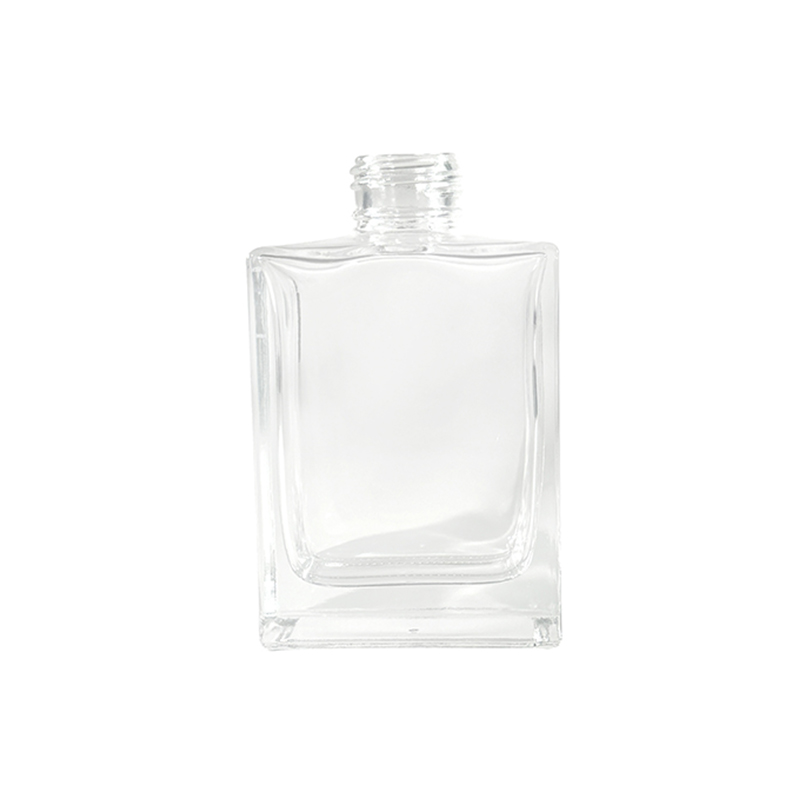 Custom J2456 Premium Transparent Aroma Diffuser Bottle 105ml Rectangular Large CTaixing Jili Glass Products Co., Ltd. is a China Custom J2456 Premium Transparent Aroma Diffuser Bottle 105ml Rectangular Large Capacity ...View Product →
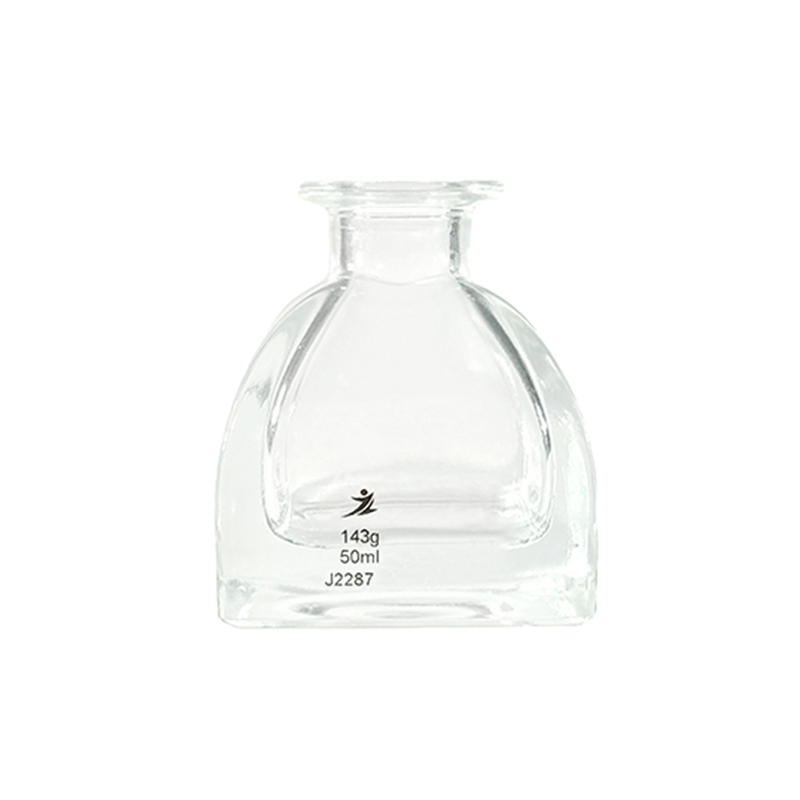 Custom J2287 Square Aroma Diffuser Bottle 50ml Premium Quality Household FragranTaixing Jili Glass Products Co., Ltd. is a China Custom J2287 Square Aroma Diffuser Bottle 50ml Premium Quality Household Fragrance Conta...View Product →
Neck Finish, Cap Sealing, and Evaporation Control
The neck opening is the part most often overlooked. A narrow neck with an inner reducer limits the exposed oil surface, slows evaporation, and keeps reeds in place. A wider neck allows more airflow and is easier to fill, but it may cause the fragrance to fade faster. When sourcing bottles, ask for the exact neck diameter and thread type rather than assuming a standard cap will fit.
Cap sealing matters just as much. Screw caps are easy for consumers to open and refill, while crimp caps work when the bottle will be sealed once with a pump or aerosol actuator. For reed diffusers, a screw-top bottle with a silicone liner prevents leakage without restricting the reed diameter. For a portable or travel format, the 40ml screw-top aromatherapy bottle is a practical refillable option that fits a small carton or pouch.
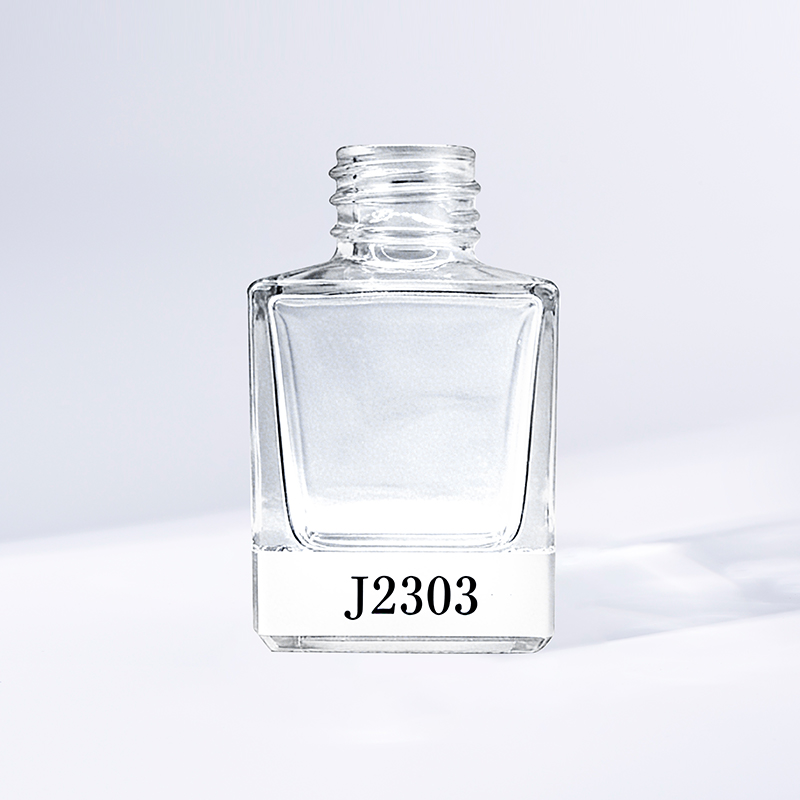 Custom J2303 Screw Aromatherapy Bottle 40ml Manufacturer, OEM/ODM FactoryTaixing Jili Glass Products Co., Ltd. is a China Custom J2303 Screw Aromatherapy Bottle 40ml manufacturers and OEM/ODM factory,J2303 Scre...View Product →
Glass Color, Surface Finish, and Brand Customization
The finish of the glass affects both product performance and brand image. Frosted or pearl-finished glass diffuses light and feels premium, but it reduces visibility of the oil level. Amber or green glass is the first choice for light-sensitive oils such as citrus blends. Clear glass is the most flexible if you plan to print a large label or let the oil color show through.
Decoration is where a standard bottle becomes a branded product. Silk-screen printing, ceramic coating, and metallic stamping are common ways to add logos, usage instructions, or a simple pattern. An experienced glass manufacturer can produce these finishes in one production flow and control quality on the bottle body and closure. We explain the capabilities and quality checks on our advantages page, which is a useful starting point for a packaging brief.
How to Evaluate a Sample in Four Steps
A completed sample can look perfect and still leak, hold the wrong volume, or wick poorly. Use a short evaluation protocol before approving bulk production.
- Measure the fill volume. Fill the bottle to the recommended fill line with water, then compare the actual volume to the declared capacity. Check the shoulder and neck area for air space.
- Test the cap and liner. Tighten the cap, turn the bottle upside down for 24 hours, and check for wetness around the threads. Then test the same cap with the final oil formula, not just water.
- Run a reed wicking test. Insert the actual reed sticks and use the same oil viscosity you plan to ship. Observe for 48 hours to see whether the wicking rate is stable and whether the oil migrates evenly.
- Inspect decoration scalability. Ask for a single-color print or frosted logo sample. Place it on the bottle, wipe it with a damp cloth, and check that the ink does not lift or scratch.
Frequently Asked Questions
What is the best glass color for a reed diffuser?
Amber or cobalt blue offer the highest level of UV protection. Clear or frosted glass is a better choice when the oil is stable and you want the customer to see the liquid color.
How do I prevent leaks around the cap?
Select a neck finish that matches the cap thread precisely and specify a gasket or silicone liner. During sample testing, invert the bottle with the actual oil formula for 24 hours to confirm the seal.
Can the same bottle work for reed diffuser and spray perfume?
Not usually. A reed diffuser requires a wide neck for reed wicking and refilling, while a spray perfume uses a crimp or screw neck designed for an actuator. Choose a bottle that matches the intended closure system.
What details should I send to a glass bottle manufacturer for a quote?
Include target capacity, bottle height, neck size, cap type, decoration area, and annual quantity. These details let the supplier recommend a standard mold before exploring a custom design.
A glass aroma diffuser bottle performs well when the glass, neck, cap, and decoration work as one system. Start with a standard capacity and neck profile, validate the sample with reeds and oil, and then scale up with decoration. That keeps risk low and gives your brand a consistent shelf presence. To discuss your next fragrance line, contact our team with your target capacity and cap preference, and we will match you with a suitable bottle from our aroma bottle lineup.
Related products
-
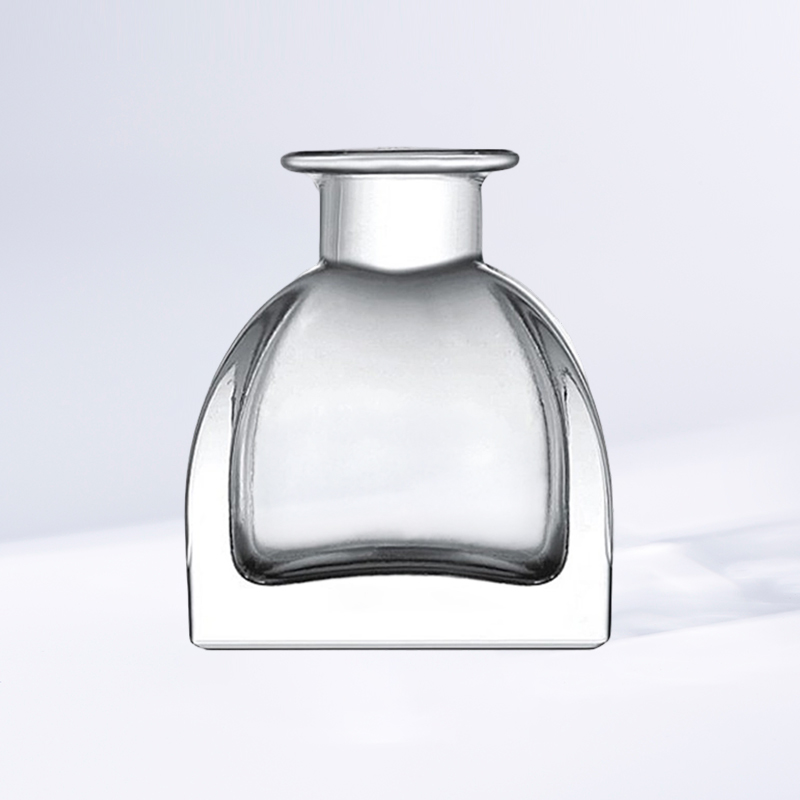
-
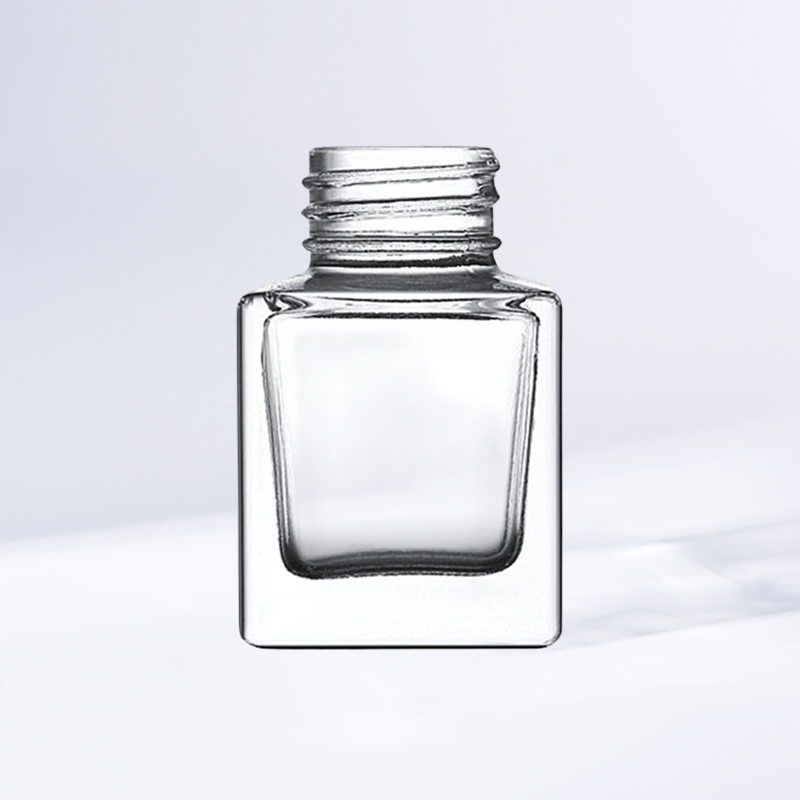
J2303 Screw-Top Aroma Glass Bottle 46ml. Compact transparent glass bottle with screw cap for secure closure. Dimensions: 42x42x64.6mm, 105g. Ideal for essential oils, fragrance oils, and portable use....
See Details -
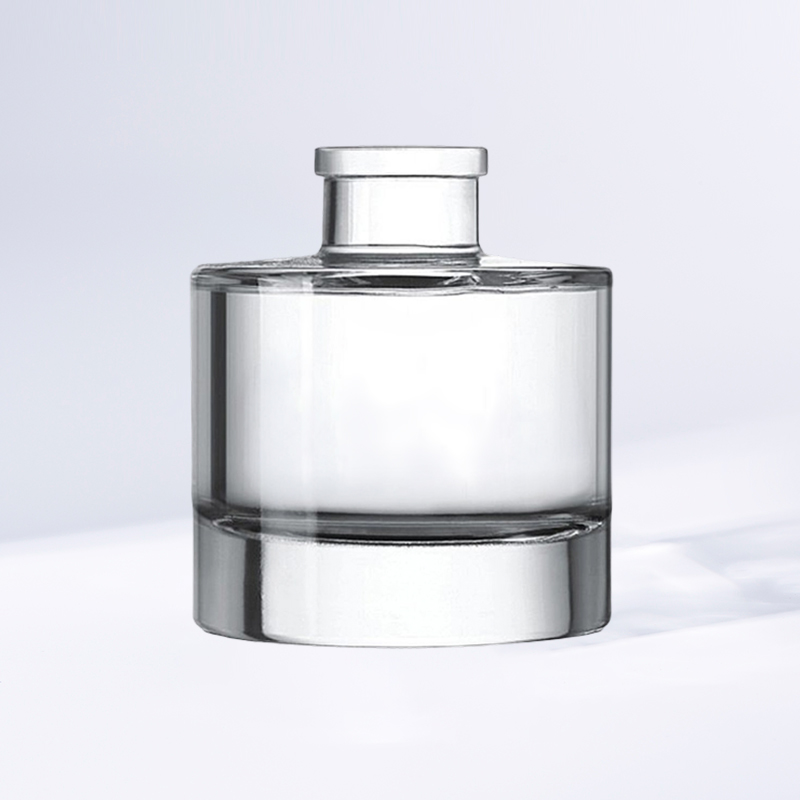
J2437 Square Aroma Diffuser Bottle 120ml. Large capacity clear glass square bottle (70x70mm base) with stable weight (293g). Designed for long-lasting home fragrance with reed sticks. Sealed neck mini...
See Details -
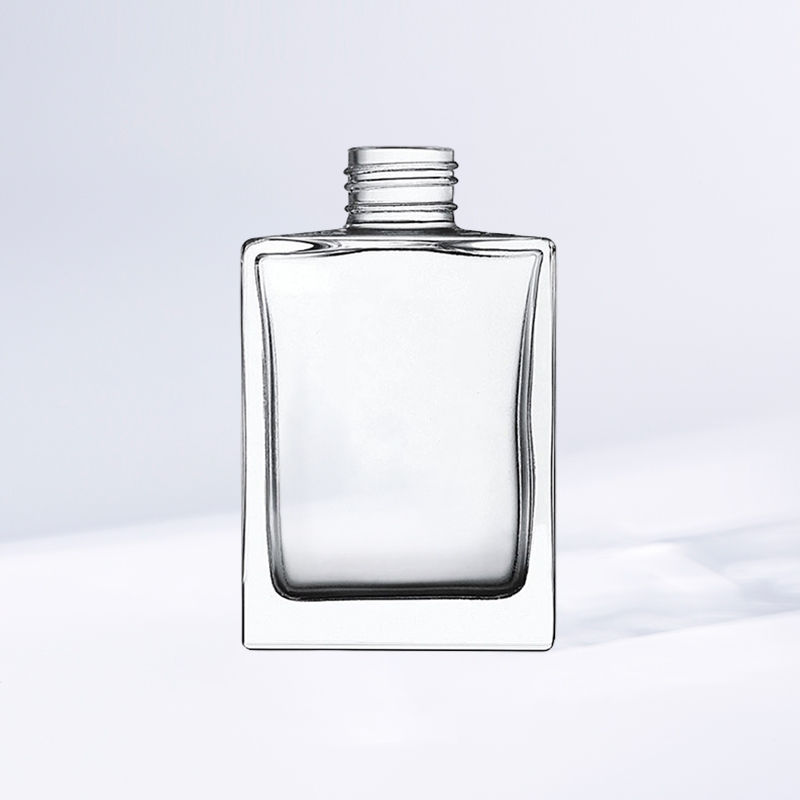
J2456 Premium Transparent Aroma Diffuser Bottle 105ml. Rectangular clear glass with a metal lid for a secure seal. Dimensions: 61.3x38.2x99mm, 198g. Space-saving design perfect for home, office, or as...
See Details
Contact Info.
-
Tel.
+86 153 7158 1688 (Simon)
+86 181 3693 6668 (Mary)
+86 139 5117 2783 (Junwei Hua) -
Email
zl@jl-bl.cn (Simon)
mary@jl-bl.cn (Mary)
jwhua@jl-bl.cn (Junwei Hua) -
Address
Hongqiao Town, Taixing City, Taizhou City, Jiangsu Province, China
- Media
Leave Us for Quote
Copyright © Taixing Jili Glass Products Co., Ltd. All Rights Reserved. Custom Cosmetic Glass Packaging, Luxury Perfume Glass Bottle Manufacturer
