
 ENG
ENG  English
 русский
 Français
 Español
 عربى
عربى Türk
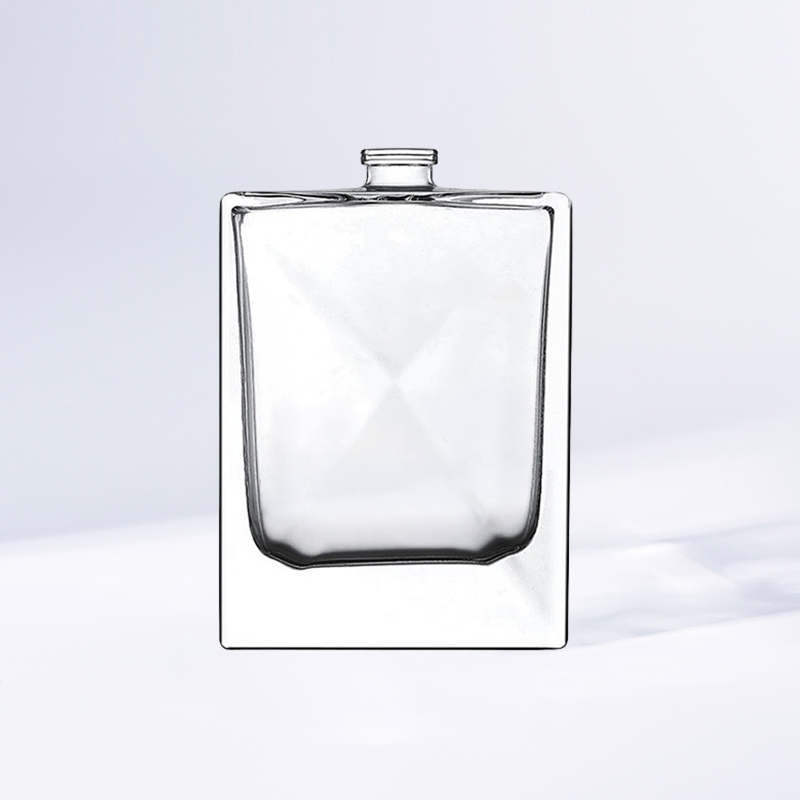
TürkJ2249 Premium Transparent Glass Perfume Bottle 104ml. Made of clear glass with a sleek metal dome cap. Dimensions: 66.8x40.5x96.3mm, 260g. Suitable for daily use, travel, and gifting. Transparent body...
See DetailsLuxury Perfume Bottle: Aluminum vs Glass Material Comparison 2026
2026-08-18
Walk into any fragrance department. Most bottles are glass. Heavy, transparent, classic. But something is changing. More brands are introducing aluminum bottles. Sleeker. Lighter. Different. The choice of material for a luxury perfume bottle is no longer obvious.
For years, glass was the default for a luxury perfume bottle. It felt premium. It looked expensive. It preserved the scent. But aluminum is gaining ground. It offers advantages that glass cannot provide. And glass has strengths that aluminum cannot replicate. Here is what you need to know about this aluminum vs glass perfume bottle comparison.
The Rise of Aluminum in Luxury Perfumery
The return of aluminum in high perfumery packaging is significant. It fits into a context of increased regulatory pressure, with the gradual entry into force of the PPWR, and a profound transformation of the CSR policies of major houses. Packaging is now evaluated in terms of its recyclability, carbon footprint, and contribution to a circular logic.
Faced with these requirements, glass reveals certain structural limitations: weight, logistical fragility, energy constraints related to its transformation. Plastic struggles to maintain an image compatible with the codes of luxury. Aluminum emerges as an intermediate solution with high strategic value, capable of reconciling environmental performance, desirability, and industrial mastery.
Aluminum: Key Advantages
Aluminum offers several functional advantages that are driving its adoption in luxury perfume bottle design.
Lightweight is the major benefit. Aluminum is significantly lighter than glass. This reduces shipping costs and carbon emissions during transport. For international distribution, this can be a substantial saving.
Durability is another key factor. An aluminum bottle does not shatter on a 1.2m drop test onto concrete. It may dent, but the bottle remains intact and functional. This is especially important for e-commerce logistics. Glass shatters. Aluminum survives.
Complete light protection is also valuable. Aluminum provides a total barrier against light and oxygen, ensuring fragrance formulas remain stable over time. Glass, even in amber or opaque versions, does not offer the same level of protection.
From a technical perspective, aluminum constitutes a total barrier against light and oxygen, guaranteeing protection of perfume formulas. Environmentally, its infinite recyclability without loss of quality makes it one of the efficient materials on the market.
Glass: Enduring Strengths
Despite aluminum's rise, glass remains the standard for many luxury perfume bottle designs. Glass offers qualities that are difficult to replace.
Premium aesthetics are a key advantage. Glass allows consumers to see the color, texture, and remaining quantity of the fragrance. This transparency is a visual cue associated with luxury. Thick-walled glass, in particular, communicates quality and heritage.
Chemical inertness is another major benefit. Glass does not react with the alcohol and essential oils in perfume. Aluminum requires internal coatings to prevent interaction with the formula. If the coating is damaged, there is a risk of corrosion or alteration of the scent.
Infinite recyclability is often cited as a glass advantage. Glass can be recycled endlessly without loss of quality. However, the same is true for aluminum. Both materials score well on recyclability, though glass recycling systems are more widely established globally.
The luxury perfume bottle shapes initial impressions, communicates craftsmanship, and builds perceived value before the scent is even sprayed. This is why many luxury houses stick with glass for their signature scents.
Side-by-Side Comparison
Here is a direct perfume bottle material comparison:
| Feature | Glass | Aluminum |
| Weight | Heavy | Lightweight |
| Impact resistance | Can shatter | Dents but does not break |
| Light protection | Limited (amber helps) | Complete |
| Chemical resistance | Excellent (inert) | Good (requires coating) |
| Product visibility | Transparent/translucent | Opaque |
| Premium perception | Classic luxury | Modern luxury |
| Recyclability | Infinite | Infinite |
| E-commerce suitability | Requires protective packaging | More robust for shipping |
| Cost per unit | Medium to high | Medium |
Sustainability: A Complex Picture
Both materials have environmental advantages and drawbacks.
Aluminum is considered "endlessly recyclable." Producing recycled aluminum requires significantly less energy than producing it from raw materials. However, bauxite mining for aluminum production can contribute to deforestation, pollution, and habitat loss. This is a concern that brands must consider.
Glass is also endlessly recyclable. Recycled glass (PCR) reduces the need for virgin raw materials. However, glass production requires high temperatures, making it energy-intensive. Its heavier weight also increases transport emissions. But glass does not require mining of bauxite, which is an advantage from an ethical sourcing perspective.
One expert estimates that a new aluminum bottle has twice the "global-warming cost" impact compared to a new plastic bottle due to production processes and energy consumption. This does not mean aluminum is bad, but it does mean the sustainability picture is nuanced.
Regulatory Pressure: The PPWR Factor
The EU Packaging and Packaging Waste Regulation (PPWR) is reshaping packaging decisions. From 2030, all packaging placed on the EU market must meet recyclability requirements. This puts pressure on multi-material designs and complex packaging.
The PPWR also pushes for packaging minimisation and refillable systems. By 2027, cosmetic brands must adopt refillable packaging systems. This is where aluminum's durability and lightweight come into play. An aluminum bottle can withstand repeated use in a refillable system better than glass.
Glass, however, remains valuable because it is infinitely recyclable and widely accepted across recycling systems globally. Aluminum works well for refillable packaging because it is lightweight and highly durable.
What This Means for Your Brand
If you are choosing a material for your luxury perfume bottle, here are a few considerations.
Start with your brand identity. Is your brand classic heritage or modern innovation? Glass aligns with tradition. Aluminum signals a more contemporary approach.
Consider your distribution channels. If you sell heavily through e-commerce, aluminum's durability is a practical advantage. If you sell primarily through physical retail where the bottle is the main visual, glass may be a better fit.
Evaluate your sustainability goals. Both materials are recyclable. But aluminum offers significant weight reduction for shipping. Glass offers a more established recycling infrastructure.
Consider the consumer experience. Some consumers associate weight with quality. A luxury perfume bottle made of glass feels heavier and more substantial. An aluminum bottle feels lighter but more modern.
The better choice depends on what kind of fragrance business you are building, how your products are distributed, and what type of customer experience your brand wants to create. For many brands, the answer is no longer choosing one material over the other but understanding how both can work together across different product formats and customer use scenarios.
Why Jili for Your Luxury Perfume Bottle?
At Jili, we manufacture luxury perfume bottle designs with precision molding and consistent quality. Our product range includes perfume bottles, emulsion bottles, and other cosmetic glass containers. We also offer custom designs and decoration options including frosting, silk-screening, and metallization. While our core expertise is glass, we understand the broader packaging landscape and can guide you through the material decision based on your brand positioning, distribution strategy, and sustainability goals.
Whether you choose glass or decide to explore aluminum alternatives, Jili can help you create luxury perfume bottle packaging that resonates with your customers.
[Browse Jili's Perfume Bottle Collection] ← jiliglass.com
Related products
-
-
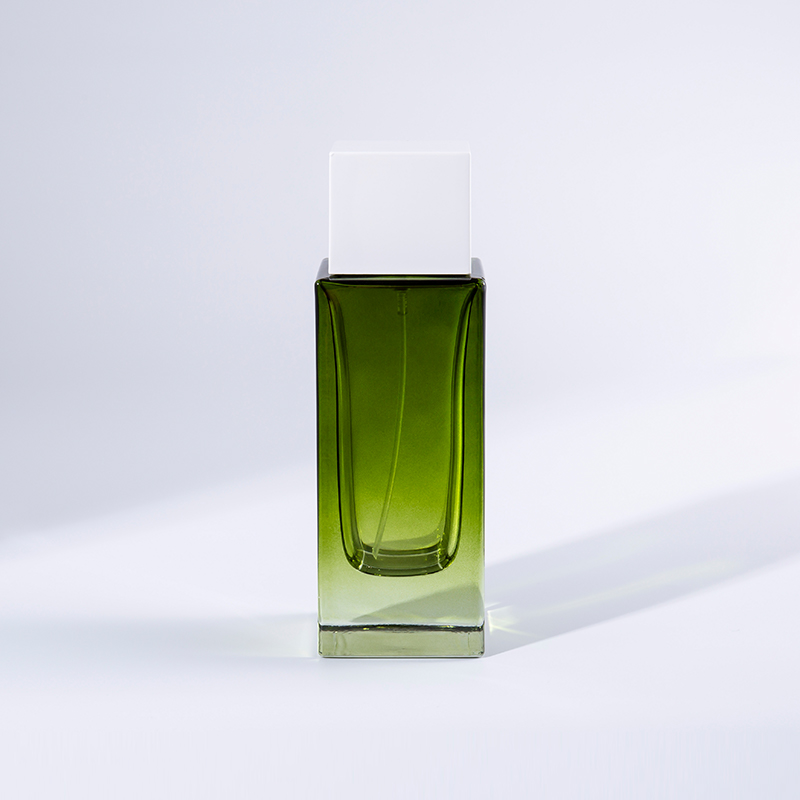
J2943 Crimp Perfume Bottle 80ml. Glass bottle with crimp neck for an airtight seal with spray pump. 80ml capacity. Ideal for commercial perfumes, eau de toilette. Transparent glass showcases liquid co...
See Details -
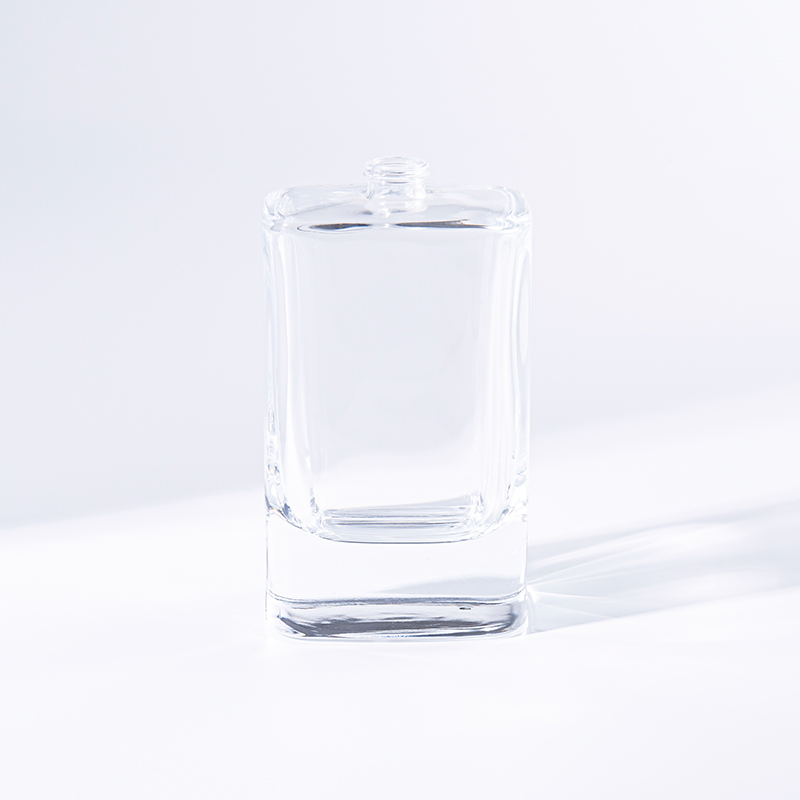
J3008 Fire Polished Crimp Perfume Bottle 100ml. Fire-polished glass for a smooth, bright surface. Crimp neck with standard spray pump. 100ml capacity. High clarity, airtight seal. Suitable for perfume...
See Details -
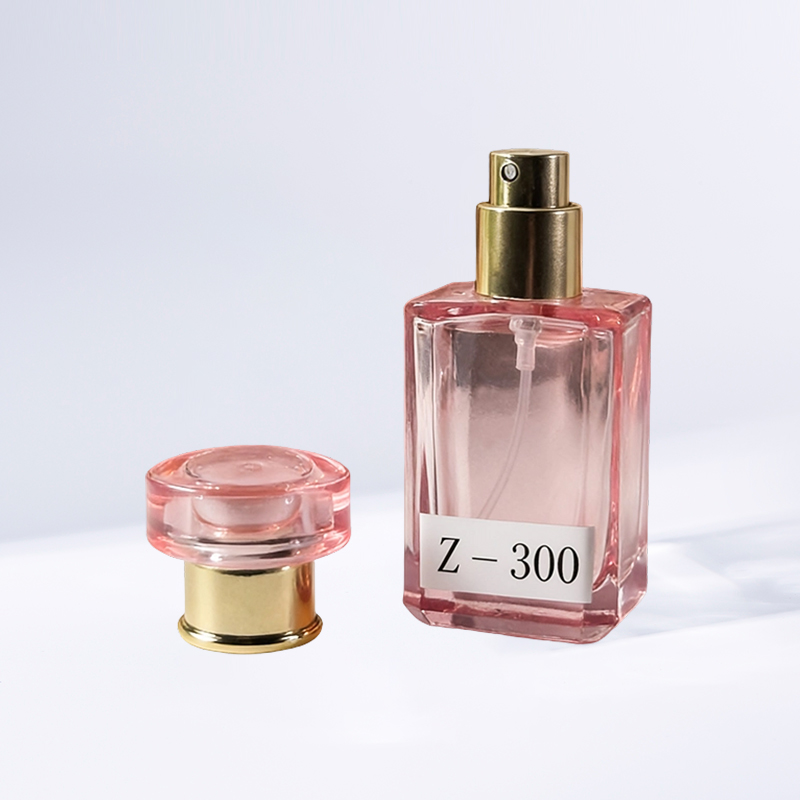
Advantages: ● The 35ml capacity is portable, and the square bottle design saves storage space.● 8mm wall thickness and crimp-seal closure enhance physical stability during transport and use.● The glas...
See Details
Contact Info.
-
Tel.
+86 153 7158 1688 (Simon)
+86 181 3693 6668 (Mary)
+86 139 5117 2783 (Junwei Hua) -
Email
zl@jl-bl.cn (Simon)
mary@jl-bl.cn (Mary)
jwhua@jl-bl.cn (Junwei Hua) -
Address
Hongqiao Town, Taixing City, Taizhou City, Jiangsu Province, China
- Media
Leave Us for Quote
Copyright © Taixing Jili Glass Products Co., Ltd. All Rights Reserved. Custom Cosmetic Glass Packaging, Luxury Perfume Glass Bottle Manufacturer
