
 ENG
ENG  English
 русский
 Français
 Español
 عربى
عربى Türk
TürkJ2437 Square Aroma Diffuser Bottle 120ml. Large capacity clear glass square bottle (70x70mm base) with stable weight (293g). Designed for long-lasting home fragrance with reed sticks. Sealed neck mini...
See DetailsGlass Diffuser Bottles: How to Choose Capacity, Shape and Neck Finish for Your Line
2026-08-28
Most home fragrance brands finalize the oil formula long before they think about the bottle, and that order of decisions causes more relaunches than any other packaging mistake. A glass diffuser bottle is not a passive container. It decides how much oil you can fill, how many reed sticks the neck will hold, how fast the fragrance evaporates, and whether the finished unit survives a courier network without leaking or cracking.
The short answer for anyone planning a reed diffuser or aromatherapy line: glass is the right material, and the choices that actually matter are capacity, shape, neck finish and wall quality. The sections below walk through each decision the way a packaging buyer should, with typical ranges and the checks worth running before a bulk order.
Why Glass Is the Default Material for Diffuser Bottles
Glass has dominated the reed diffuser category for decades, and the reasons are chemical before they are aesthetic. Fragrance oils are aggressive solvents: they carry concentrated aroma compounds, often diluted in carriers such as dipropylene glycol, and essential oils add terpenes on top of that. Several common plastics cloud, craze or leach during months of contact with these formulas. Soda-lime glass does none of that. It does not react with the oil, does not absorb aroma molecules, and does not pass anything back into the liquid, so the scent a customer notices in month three is still the scent you compounded on filling day.
The practical follow-ons matter just as much. Weight signals quality on a retail shelf, clarity shows off tinted oils, and the empty vessel can be washed and refilled instead of discarded. We explain the preservation mechanics in more detail in our article on why aroma glass bottles preserve fragrance longer, but the summary is simple: inert walls keep a formula stable from the first day to the last weeks of use.
Matching Capacity to Room Size and Diffusion Time
Capacity is the specification buyers get wrong most often, because bigger always looks safer on a spreadsheet. In practice, capacity should follow three variables: the room size the product is sold for, the diffusion period promised on the label, and the neck bore that sets how many reeds fit. Most commercial reed diffusers sit between 40 and 200 ml, and the market divides roughly like this:
| Capacity | Typical placement | Typical diffusion time | Common reed count |
|---|---|---|---|
| 40-50 ml | Bathrooms, bedside tables, entryways | About 8-12 weeks | 5-7 reeds |
| 100-120 ml | Bedrooms and living rooms | About 3-4 months | 6-8 reeds |
| 145-200 ml | Open-plan spaces, lobby scenting, gift sets | About 4-6 months | 8-10 reeds |
Two cautions belong in your spec sheet. First, diffusion time scales with reed count and room airflow as much as with volume, so quote ranges on packaging rather than guarantees. Second, fill volume and brimful capacity are not the same number; a 50 ml bottle usually holds a few milliliters more up to the shoulder, and your filling line needs both figures in writing.
For a mid-size living room SKU, a rectangular large-capacity format is a common anchor bottle, which is why the 105 ml class sells steadily across home fragrance brands:
105ml rectangular large-capacity aroma diffuser bottle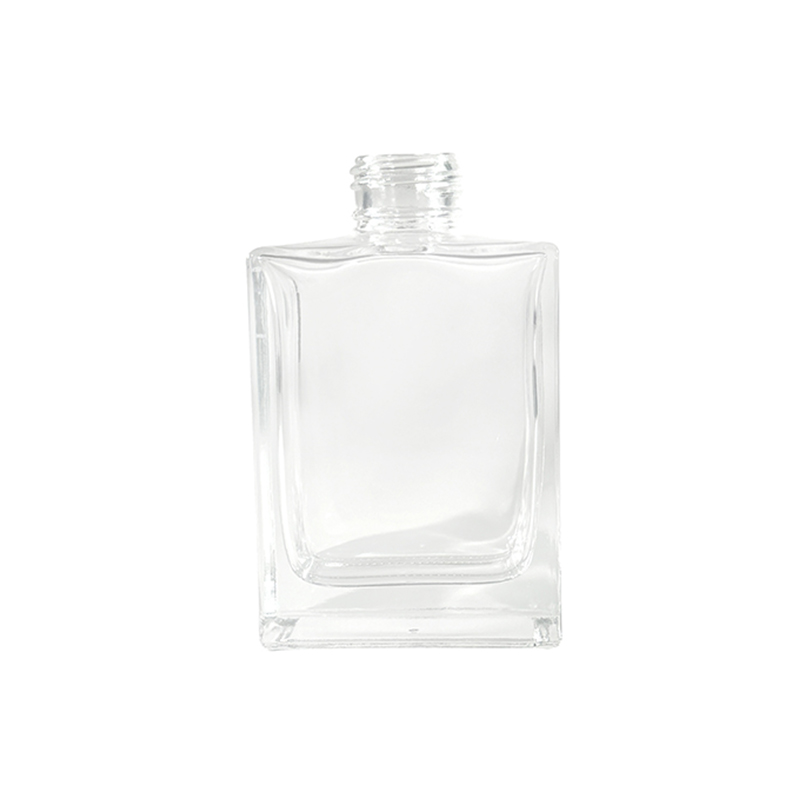 J2456 Rectangular 105ml Clear Glass Aroma Diffuser BottleA large-capacity rectangular diffuser bottle with a metal-lid seal and clear view of liquid. Its 105 ml format makes it a common anchor size for mid-size home fragrance lines.View Product →
Common Bottle Shapes and the Job Each One Does
Shape is where packaging turns from engineering into merchandising, but every common silhouette still does a distinct job on the shelf and in the carton.
Square bottles
A square body gives the best base stability per milliliter of footprint, packs tightly into master cartons, and carries minimalist label designs well. It is the default for household fragrance lines that live on shelving.
Rectangular large-capacity bottles
Stretching the body increases oil volume without a bulbous profile, which suits statement pieces for living rooms, lobbies and gift sets. The tradeoff is unit weight, so transit boxes need dividers.
Small screw-top formats
Compact threaded bottles seal fully for transport, which makes them the natural pick for car diffusers, drawer scenting, travel kits and sampling programs.
If you need a reference point for the square category, this model is a typical household fragrance bottle in the 50 ml class:
50ml square aroma diffuser bottle for household fragrance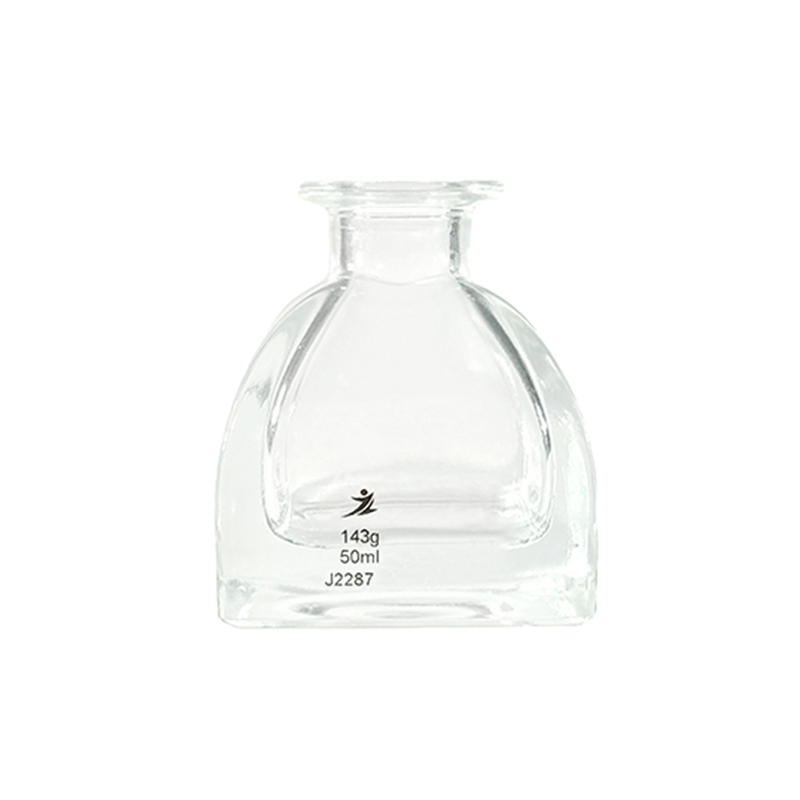 J2287 Square 50ml Aroma Diffuser Bottle for Household FragranceA semi-transparent square glass bottle with clean lines, sized at 50 ml for reed diffusers. A typical household fragrance reference for buyers comparing square-format options.View Product →
Neck Finish: The Detail That Decides Reeds and Leaks
Neck finish is the least glamorous line on the drawing and the one that generates the most customer complaints when it is wrong. Diffuser bottles generally come in two families.
Open-neck bottles hold the reed bundle by friction. The bore diameter decides how many sticks fit, usually five to ten on consumer formats, and therefore how strong the scent throw is. A bore that is too wide lets oil evaporate faster than the label promises; one that is too narrow chokes wicking and the customer under-smells the room. Get the bore diameter in millimeters from the bottle supplier and match it against your reed supplier's stick diameter, normally 3 to 4 mm, before artwork is signed off.
Screw-top bottles solve the transport and refill problem. A threaded finish takes a lined cap, so the unit ships sealed and can be reopened for refills. Thread consistency is the risk here: an uneven thread shows up as cross-threading on the filling line or slow seepage in a hot warehouse.
Before approving a sample, run this short sequence:
- Dry-fit your reeds and count how many sticks the bore holds without forcing.
- Fill with your actual oil, fit the cap, and invert the unit for 24 hours to check for seepage at the thread.
- Weigh the bottle before and after a week at room temperature to measure the real evaporation rate.
- Confirm the cap liner material is rated for long-term fragrance oil contact.
The compact screw-finish format below shows this family at its most portable:
46ml portable screw-top aroma glass bottle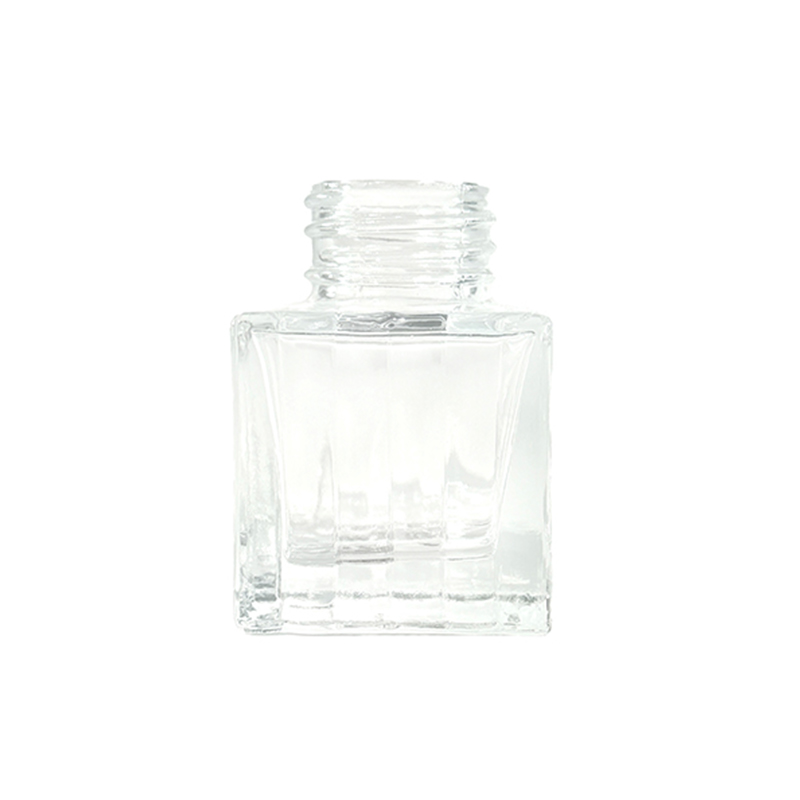 J2303 Screw-Top 46ml Portable Aroma Glass BottleA compact 46 ml screw-top glass bottle suited to essential and fragrance oils, with an easy-to-carry format. It illustrates the portable end of the screw-finish diffuser family.View Product →
What to Check Before Placing a Bulk Order
With material, capacity, shape and finish settled, the remaining risk lives in manufacturing quality. Four checkpoints separate a reliable glass supplier from an average one.
- Wall thickness uniformity. Thin spots near the shoulder or base are where bottles crack in transit. Ask how thickness is controlled and whether section weights are recorded during production.
- Base stability. A bottle that rocks on the inspection table will rock on a customer's shelf. Check samples from every cavity of the mold, not just the first one.
- Clarity limits. Seeds, small gas bubbles, and streaks are standard glass defects. Agree acceptable limits in writing so there is no debate at final inspection.
- Filling tolerance. Have the supplier state capacity tolerance as a percentage so the volume claims on your label hold across the entire run.
If the line needs a custom silhouette rather than an existing mold, plan the timeline realistically. A new mold adds tooling cost and several weeks of lead time, while existing molds can move from artwork approval to mass production far faster. A manufacturer that runs its own furnaces and holds a mold library measured in thousands of shapes can usually keep color and dimensions consistent across a run, which is worth weighing when you compare quotes.
Frequently Asked Questions
How many reed sticks should a diffuser bottle hold?
Follow the neck bore rather than the capacity. Most consumer bottles hold five to ten sticks of 3-4 mm diameter; more reeds mean a stronger throw and faster oil consumption. Start with six or eight and adjust after a week of testing in a real room.
Can a glass diffuser bottle be reused with a new fragrance?
Yes. Empty the residue, wash with warm soapy water, rinse, wipe the interior with alcohol and let it dry completely before refilling. Faint traces of the previous oil can linger, so reuse works best when the new scent sits in a similar family.
Should a diffuser bottle ship with the reeds installed?
Only with a cap or plug fitted. A sealed unit prevents oil sloshing out and reeds snapping in transit, but many brands simply pack the sticks in a separate sleeve and ask the customer to insert them on unboxing, which removes the leak risk entirely.
Can I order a custom diffuser bottle shape with my own branding?
Established manufacturers offer OEM and ODM service for exactly this. A fully custom shape requires mold tooling and lead time, while an existing mold with custom frosting, coloring and printing is the faster route. Provide target capacity, neck finish and expected annual volumes when you request a quote.
Choosing among glass diffuser bottles comes down to matching four numbers, capacity, bore, wall thickness and tolerance, to the promise printed on your label. Brands that treat the bottle as the first specification instead of the last tend to launch faster and reorder with fewer surprises. If you need drawings, capacity data or samples for a specific format, contact us and the team can quote from existing molds or develop a new one for your line.
Related products
-
-
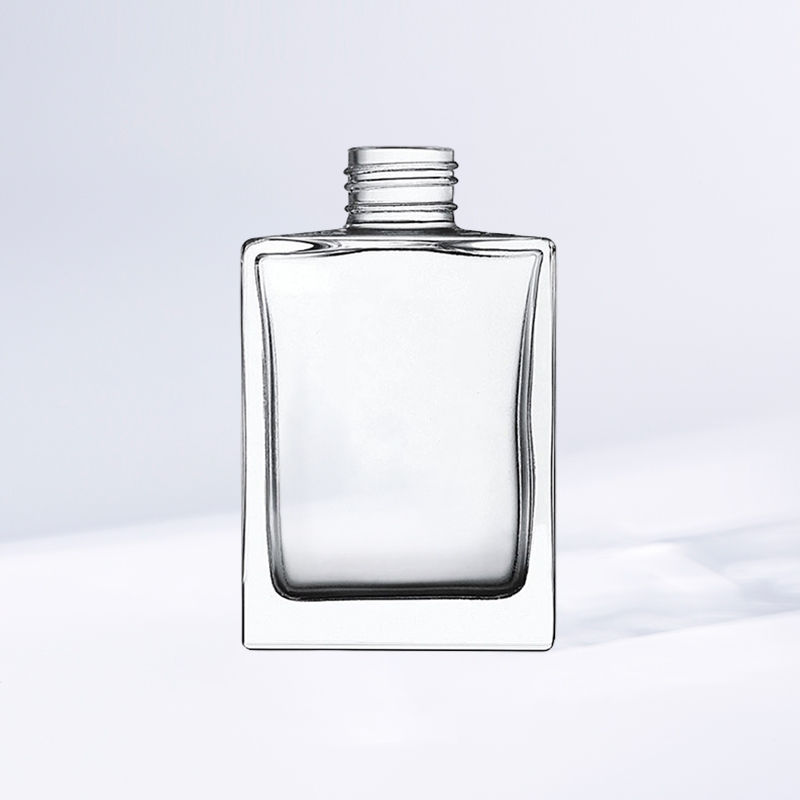
J2456 Premium Transparent Aroma Diffuser Bottle 105ml. Rectangular clear glass with a metal lid for a secure seal. Dimensions: 61.3x38.2x99mm, 198g. Space-saving design perfect for home, office, or as...
See Details -
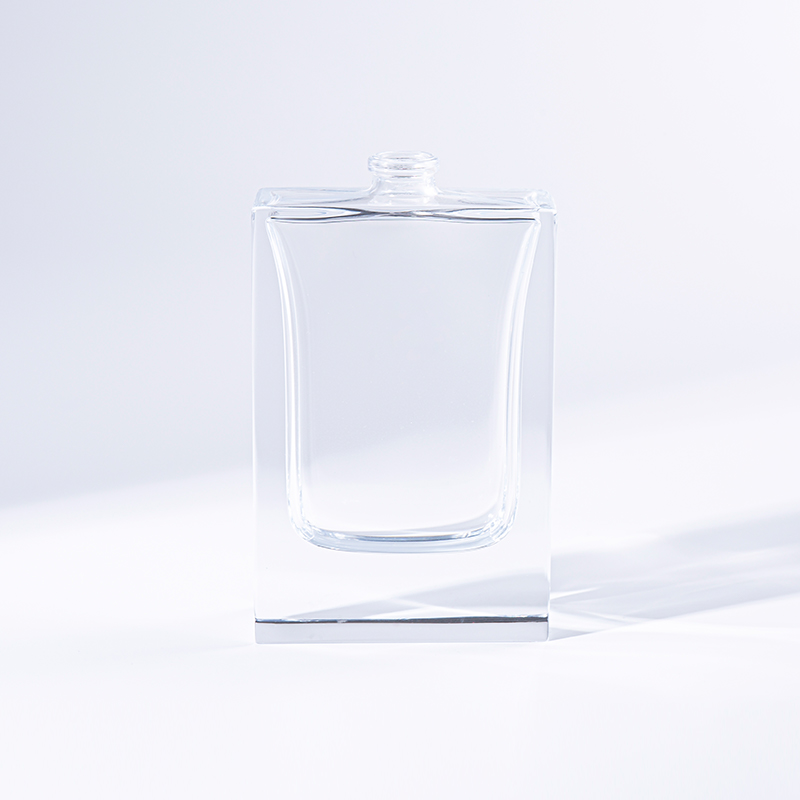
Z-442 Hand Polished Crimp Perfume Bottle 50ml. Hand-polished clear glass with a smooth finish. Aluminum crimp cap and precision spray nozzle. 50ml compact size. Ideal for travel, personal use, and gif...
See Details -
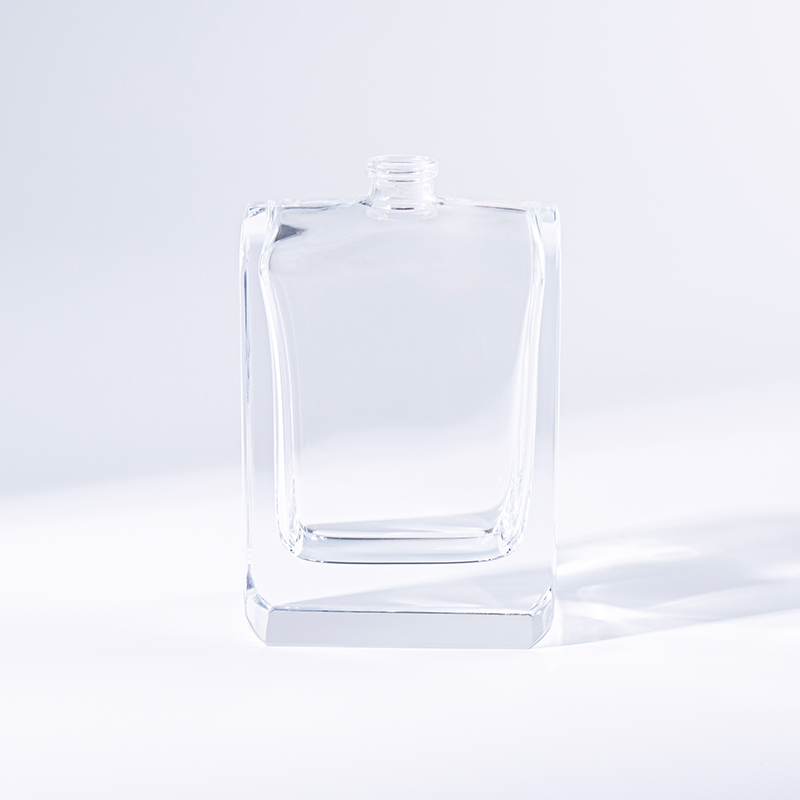
J2434 Hand Polished Crimp Perfume Bottle 100ml. Hand-polished neck and shoulder for enhanced touch. Crimp pump with aluminum collar. 100ml capacity. Smooth glossy finish at contact points. Suitable fo...
See Details
Contact Info.
-
Tel.
+86 153 7158 1688 (Simon)
+86 181 3693 6668 (Mary)
+86 139 5117 2783 (Junwei Hua) -
Email
zl@jl-bl.cn (Simon)
mary@jl-bl.cn (Mary)
jwhua@jl-bl.cn (Junwei Hua) -
Address
Hongqiao Town, Taixing City, Taizhou City, Jiangsu Province, China
- Media
Leave Us for Quote
Copyright © Taixing Jili Glass Products Co., Ltd. All Rights Reserved. Custom Cosmetic Glass Packaging, Luxury Perfume Glass Bottle Manufacturer
