
 ENG
ENG  English
 русский
 Français
 Español
 عربى
عربى Türk
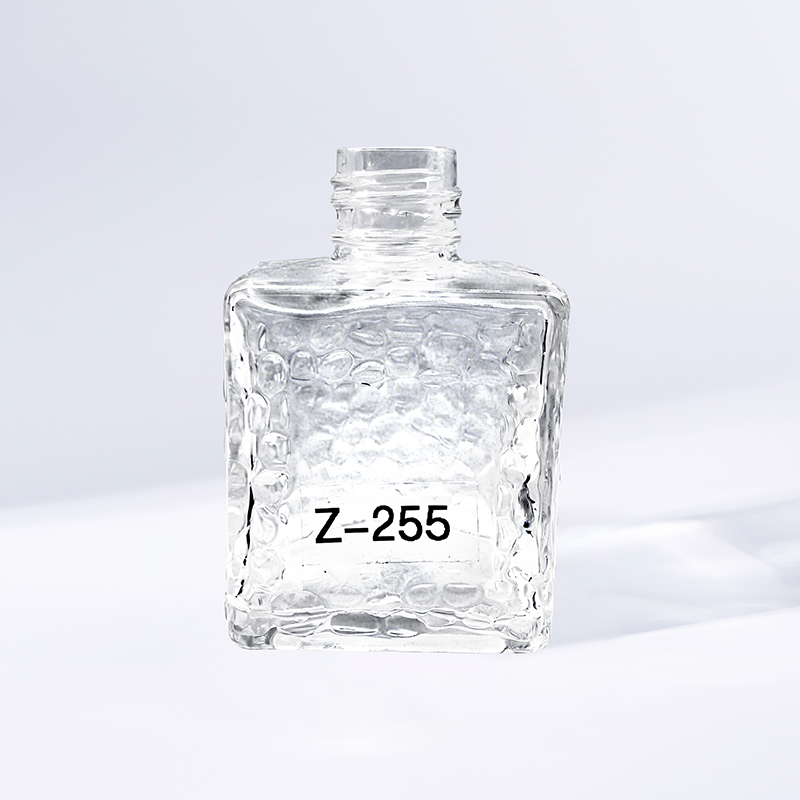
TürkZ-255 Screw Aromatherapy Bottle 100ml. High-transparency glass with screw cap for secure seal. 100ml capacity. Allows easy monitoring of liquid level. Suitable for essential oils, home/office diffuser...
See DetailsWhy does the Aroma Glass Bottle better preserve the fragrance of essential oils and perfumes?
2026-06-02
Content
- 1 Introduction and Applications of Aroma Glass Bottles
- 2 Materials and Chemical Stability of Aroma Glass Bottles
- 3 Design and Surface Treatments of Aroma Glass Bottles
- 4 Industry Standards and Quality Regulations for Aroma Glass Bottles
- 5 Performance Parameters and Recommendations for Aroma Glass Bottles
Introduction and Applications of Aroma Glass Bottles
Overview
Aroma glass bottles are specialized containers designed to preserve and present liquid fragrances, essential oils, and aromatherapy solutions. These bottles are essential in maintaining the chemical integrity and aroma quality of volatile compounds while providing an attractive, functional packaging solution for consumers and professionals.
Key Applications
- Perfume and Fragrance Packaging: Aroma glass bottles protect delicate perfume compositions from oxidation and evaporation, ensuring consistent scent delivery over time.
- Essential Oils and Aromatherapy: Glass bottles provide chemical stability for plant-derived oils, preventing reactions with the container that could alter therapeutic properties.
- Cosmetic and Skincare Products: Some aroma bottles are used for serums, facial oils, and other cosmetic liquids that require controlled dispensing and protection from light and air exposure.
- Laboratory and Specialty Uses: Certain aroma bottles are employed in laboratories for storing volatile or sensitive liquids, benefiting from precise sealing and chemical inertness.
Capacity and Size Considerations
Aroma glass bottles are typically manufactured in a range of capacities to suit various applications:
| Capacity | Common Use | Notes |
|---|---|---|
| 5–15ml | Essential oils, sample perfumes | Compact size for portability and trial products |
| 20–50ml | Premium perfumes, aromatherapy oils | Balance between usability and aesthetic presentation |
| 60–100ml | Full-size perfumes and bulk essential oils | Larger format, often for display or extended use |
Conclusion
The introduction of aroma glass bottles highlights their critical role in preserving fragrance integrity, providing chemical stability, and enhancing consumer experience. Their application spans from personal fragrance and aromatherapy to cosmetic and laboratory uses, making them indispensable in industries that require both functional and visually appealing packaging solutions.
Materials and Chemical Stability of Aroma Glass Bottles
Overview
The selection of glass materials is critical for aroma bottles, as the container must maintain the chemical integrity of volatile liquids such as perfumes and essential oils. Proper materials prevent reactions with the contents, reduce evaporation, and ensure long-term stability of aroma profiles.
Common Glass Types
- Borosilicate Glass: Known for high thermal resistance, low expansion, and excellent chemical inertness. It is highly suitable for essential oils and high-quality perfumes that may contain reactive compounds.
- Soda-Lime Glass: Most widely used for standard fragrance bottles. It provides good clarity and cost efficiency but has lower chemical resistance compared to borosilicate.
- Colored Glass (Amber, Blue, Green): Protects light-sensitive liquids from UV degradation, preserving the scent and therapeutic properties of volatile oils.
Factors Affecting Chemical Stability
- pH and Composition of Contents: Acidic or highly concentrated aromatic compounds may interact with glass surfaces; borosilicate glass minimizes these reactions.
- Temperature Fluctuations: Thermal expansion differences can cause microcracks; borosilicate resists high temperature changes, reducing risk.
- Light Exposure: Colored or coated glass reduces UV penetration, preventing degradation of sensitive compounds.
- Sealing and Cap Compatibility: Proper sealing prevents oxidation and evaporation, maintaining chemical stability.
Parameter Comparison of Common Aroma Glass Bottle Materials
| Material | Chemical Resistance | Thermal Resistance | Transparency / Aesthetics | Typical Use |
|---|---|---|---|---|
| Borosilicate Glass | Excellent, inert to most aromatic compounds | High, withstands rapid temperature changes | Clear or colored options available | Premium perfumes, essential oils, and laboratory applications |
| Soda-Lime Glass | Moderate, may react with strong acids or concentrated oils | Low to moderate | High clarity, widely available colors | Standard fragrance bottles and general aromatherapy products |
| Colored Glass (Amber, Blue, Green) | Good, protects against UV-sensitive compounds | Moderate | Opaque to semi-transparent, aesthetic enhancement | Light-sensitive essential oils and perfumes |
Conclusion
The material selection of aroma glass bottles directly impacts chemical stability, fragrance preservation, and product safety. Borosilicate glass offers superior chemical and thermal resistance, while soda-lime glass provides cost-effective clarity. Colored glass enhances UV protection, preserving aroma quality over time. Understanding these material properties helps manufacturers and formulators choose the appropriate bottle type for specific aroma applications.
Design and Surface Treatments of Aroma Glass Bottles
Overview
The design and surface treatments of aroma glass bottles are crucial for both functionality and aesthetic appeal. Proper bottle design ensures ease of use, preserves fragrance quality, and enhances visual presentation. Surface treatments improve durability, protect against chemical degradation, and create a premium appearance for consumers.
Design Considerations
- Bottle Shape: Cylindrical, rectangular, and custom shapes impact both storage efficiency and visual appeal. Narrow-neck designs help minimize evaporation and control dispensing.
- Neck and Cap Design: Compatibility with droppers, spray pumps, or screw caps affects sealing efficiency and prevents leakage.
- Volume Selection: Common capacities include 5–15ml for essential oils, 20–50ml for premium perfumes, and 60–100ml for full-size bottles.
- Ergonomics: Bottle grip and weight distribution influence consumer handling comfort and usability.
Surface Treatments
- Frosting / Etching: Provides a matte appearance, enhances grip, and can be combined with decorative printing.
- UV-Cured Coatings: Improve scratch resistance and chemical protection, preventing micro-scratches and surface deterioration.
- Metallic or Electroplated Coatings: Offer premium visual effects, act as a light barrier, and protect UV-sensitive liquids.
- Colored Glass Coatings: Amber, green, or blue coatings reduce UV penetration and preserve volatile compounds in perfumes and oils.
- Anti-Slip Coatings: Enhance handling safety by providing a textured surface without compromising aesthetics.
Parameter Comparison of Design and Surface Treatments
| Design / Treatment | Function | Advantages | Typical Use |
|---|---|---|---|
| Cylindrical Shape | Storage and stacking efficiency | Uniform volume distribution; easy to handle | Perfumes, essential oils |
| Narrow Neck Design | Evaporation control and dispensing | Minimizes fragrance loss; precise pouring | Premium aroma bottles |
| Frosting / Etching | Aesthetic enhancement and tactile feel | Improves visual appeal; enhances grip | Luxury aroma bottles |
| UV-Cured Coating | Scratch resistance and chemical protection | Durable surface; preserves bottle integrity | All types of aroma bottles |
| Colored Glass Coating | UV protection and aesthetic enhancement | Prevents fragrance degradation; enhances appearance | Light-sensitive essential oils and perfumes |
Conclusion
The combination of thoughtful bottle design and advanced surface treatments significantly enhances both the aesthetic value and functional performance of aroma glass bottles. By selecting the appropriate shape, neck design, and surface coating, manufacturers can improve fragrance preservation, user experience, and visual appeal, ensuring that aroma bottles meet both technical and consumer expectations.
Industry Standards and Quality Regulations for Aroma Glass Bottles
Overview
Aroma glass bottles must comply with strict industry standards and quality regulations to ensure safety, chemical stability, and global market acceptance. Standards cover material selection, manufacturing processes, chemical resistance, and product labeling to protect consumers and preserve the integrity of aromatic liquids.
Key Standards and Regulations
- ISO 9001 Quality Management System: Ensures consistent production quality, covering all processes from raw material inspection to final product testing.
- ISO 14001 Environmental Management System: Governs environmental responsibility, including waste reduction, energy efficiency, and sustainable production practices.
- FDA 21 CFR 177.26: Regulates glass materials intended for contact with cosmetic and personal care liquids, ensuring chemical safety.
- European EN 1186-1 Migration Testing: Assesses potential chemical migration from glass containers into aromatic liquids, meeting EU safety standards.
- GB 4806.1-2016 (China Food Contact Materials Standard): Specifies safety requirements for glass containers that come in contact with consumable liquids, applicable for cosmetic and aroma products.
- ASTM Standards (E438, C1036): Define mechanical, optical, and surface quality parameters for high-quality glass containers.
Parameter Comparison of Regulatory Compliance
| Standard / Regulation | Scope | Impact on Aroma Glass Bottles |
|---|---|---|
| ISO 9001 | Quality management system | Ensures consistent production, reduces defects, and maintains bottle integrity |
| ISO 14001 | Environmental management system | Promotes eco-friendly production and sustainable materials usage |
| FDA 21 CFR 177.26 | Chemical safety for cosmetic contact materials | Prevents harmful chemical migration into aromatic liquids |
| EN 1186-1 | Chemical migration testing | Ensures compliance with EU safety standards for consumer use |
| GB 4806.1-2016 | China food contact material standard | Specifies chemical safety and material quality for aroma and cosmetic bottles |
| ASTM E438 / C1036 | Mechanical and optical properties | Ensures bottle durability, clarity, and surface quality |
Conclusion
Compliance with international and national standards is essential for aroma glass bottles to ensure chemical safety, mechanical durability, and consumer confidence. Manufacturers must implement quality management systems, adopt environmentally responsible practices, and conduct rigorous testing to meet both regulatory and functional requirements for aromatic liquids.
Performance Parameters and Recommendations for Aroma Glass Bottles
Overview
The performance of aroma glass bottles depends on multiple parameters, including chemical resistance, mechanical strength, thermal stability, and optical clarity. Evaluating these factors ensures the bottles effectively preserve aromatic liquids, maintain durability, and provide an attractive presentation for consumers.
Key Performance Parameters
- Chemical Resistance: Aroma glass bottles must resist reaction with perfumes, essential oils, and other volatile compounds. High chemical resistance prevents degradation of the fragrance and ensures safety.
- Mechanical Strength: Resistance to impact and compression is critical for transportation and handling. Bottles should withstand drops, stacking, and packaging stress.
- Thermal Stability: Bottles should tolerate temperature fluctuations during storage and shipping without cracking or compromising seal integrity.
- Optical Clarity and Aesthetic Quality: Transparency or coloration must be consistent and defect-free to enhance product presentation and consumer appeal.
- Sealing Efficiency: Compatibility with caps, droppers, and pumps ensures minimal evaporation and prevents contamination, preserving fragrance over time.
Parameter Comparison of Common Aroma Glass Bottle Types
| Parameter | Borosilicate Glass | Soda-Lime Glass | Colored Glass |
|---|---|---|---|
| Chemical Resistance | Excellent, inert to most aromatic liquids | Moderate, may react with strong acids or concentrated oils | Good, protects UV-sensitive compounds |
| Mechanical Strength | High, withstands impact and compression | Moderate, less resistant to shock | Moderate, strength depends on thickness and coating |
| Thermal Stability | Excellent, tolerates rapid temperature changes | Low to moderate, may crack under sudden heat | Moderate, slight expansion with temperature variations |
| Optical Clarity | High, available clear or tinted | High, widely transparent and aesthetically versatile | Moderate to high, colored for UV protection and design |
| Sealing Compatibility | Excellent, compatible with droppers, spray pumps, and screw caps | Good, standard caps and pumps suitable | Good, works with most closure systems |
Recommendations
- Use borosilicate glass for premium perfumes and essential oils requiring high chemical and thermal resistance.
- Choose colored glass for light-sensitive liquids to reduce UV degradation while maintaining visual appeal.
- Ensure proper neck design and cap selection to optimize sealing efficiency and minimize evaporation.
- Consider surface treatments such as UV-cured coatings or frosting to enhance scratch resistance and aesthetics.
- Evaluate bottle thickness and weight to balance durability with ergonomics and consumer handling comfort.
Conclusion
By understanding and evaluating the performance parameters of aroma glass bottles, manufacturers and product developers can ensure optimal chemical stability, mechanical durability, and aesthetic appeal. Careful selection of glass type, surface treatment, and closure systems guarantees the long-term preservation of fragrances and a high-quality user experience.
Related products
-
-
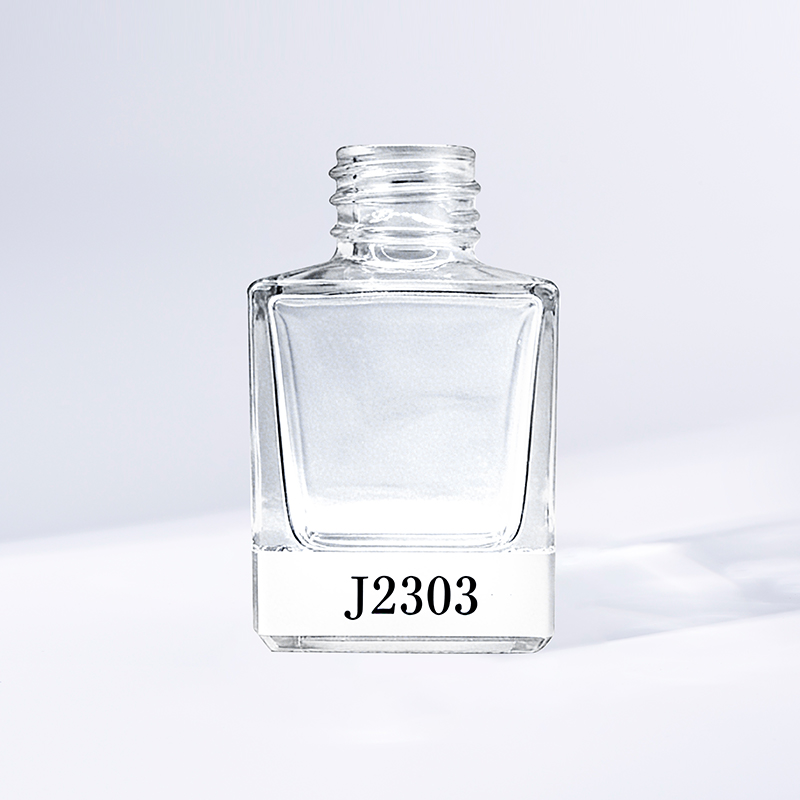
J2303 Screw Aromatherapy Bottle 40ml. Clear glass with a screw cap for repeated opening/closing. 40ml compact size. Wide mouth for easy filling and reed insertion. Ideal for essential oils, reed diffu...
See Details -
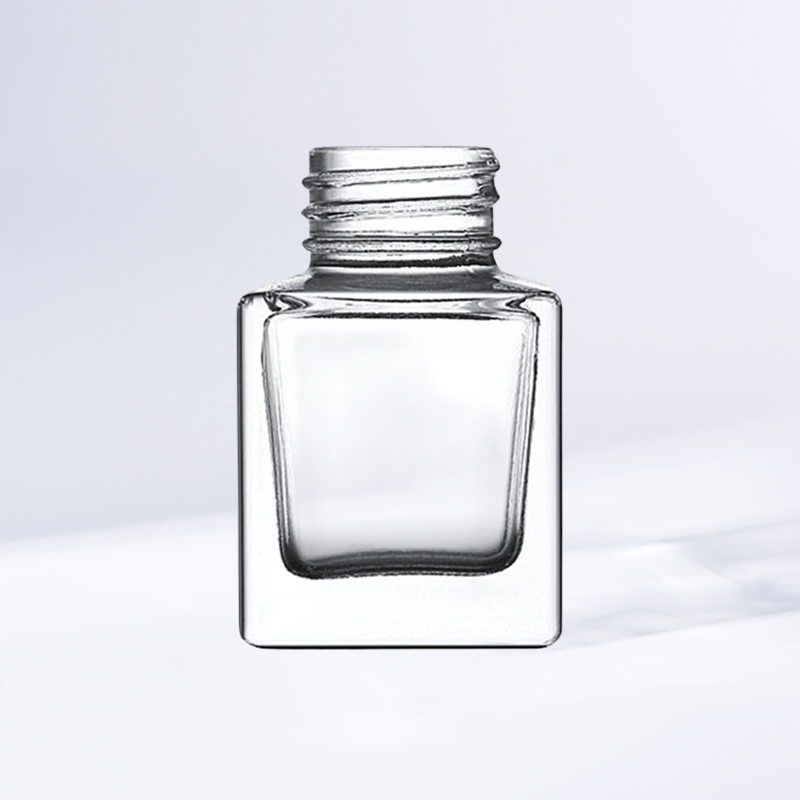
J2303 Screw-Top Aroma Glass Bottle 46ml. Compact transparent glass bottle with screw cap for secure closure. Dimensions: 42x42x64.6mm, 105g. Ideal for essential oils, fragrance oils, and portable use....
See Details -
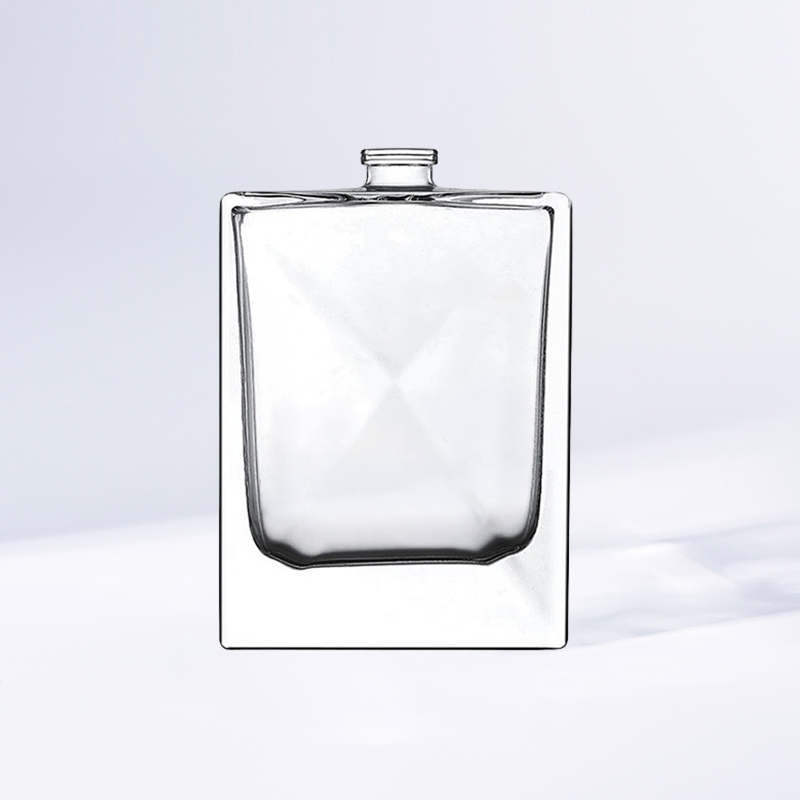
J2249 Premium Transparent Glass Perfume Bottle 104ml. Made of clear glass with a sleek metal dome cap. Dimensions: 66.8x40.5x96.3mm, 260g. Suitable for daily use, travel, and gifting. Transparent body...
See Details
Contact Info.
-
Tel.
+86 153 7158 1688 (Simon)
+86 181 3693 6668 (Mary)
+86 139 5117 2783 (Junwei Hua) -
Email
zl@jl-bl.cn (Simon)
mary@jl-bl.cn (Mary)
jwhua@jl-bl.cn (Junwei Hua) -
Address
Hongqiao Town, Taixing City, Taizhou City, Jiangsu Province, China
- Media
Leave Us for Quote
Copyright © Taixing Jili Glass Products Co., Ltd. All Rights Reserved. Custom Cosmetic Glass Packaging, Luxury Perfume Glass Bottle Manufacturer
