
 ENG
ENG  English
 русский
 Français
 Español
 عربى
عربى Türk
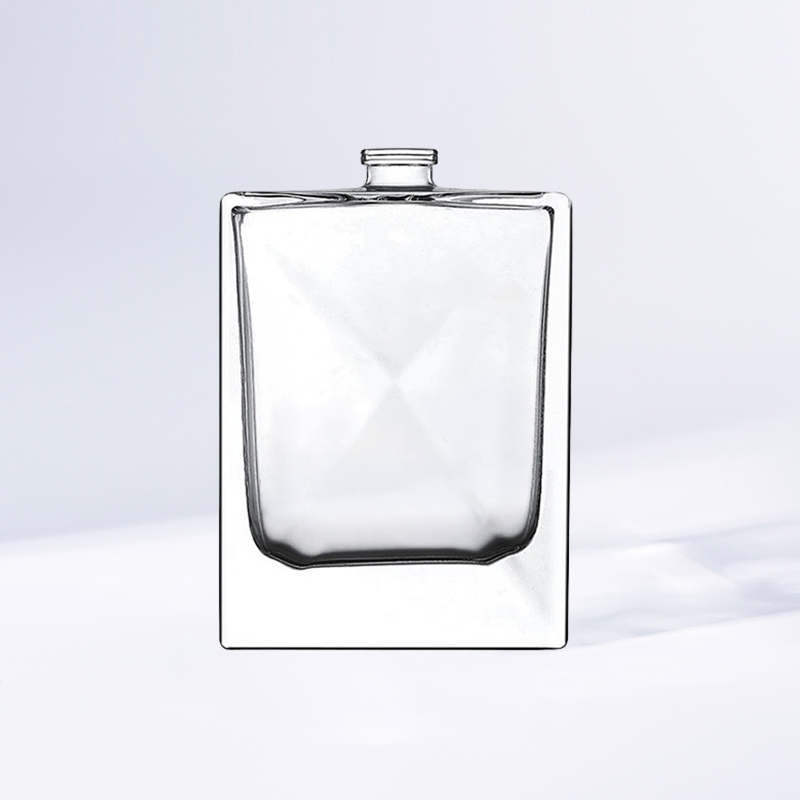
TürkJ2249 Premium Transparent Glass Perfume Bottle 104ml. Made of clear glass with a sleek metal dome cap. Dimensions: 66.8x40.5x96.3mm, 260g. Suitable for daily use, travel, and gifting. Transparent body...
See DetailsGlass Perfume Bottle Supplier: B2B Sourcing Guide for Custom Designs 2026
2026-09-23
Content
- 1 Understanding Your MOQ Before You Start
- 2 Neck Finish: Screw Neck vs Crimp Neck
- 3 Glass Material: Soda Lime vs Borosilicate
- 4 Regional Sourcing: Where to Look
- 5 Style Trends: What Buyers Are Searching For
- 6 Sustainability Requirements for Glass Perfume Bottles
- 7 What This Means for B2B Buyers
- 8 Why Jili for Your Glass Perfume Bottle?
Sourcing a glass perfume bottle supplier is one of the decisions a fragrance brand makes. The bottle defines shelf presence. It shapes the consumer's impression. It also determines how easily the product moves through filling lines, shipping networks, and recycling streams.
For B2B buyers, the search for a custom perfume bottle manufacturer often starts with a simple question: where do I find a supplier that can deliver both quality and consistency? The answer depends on several factors. Design capability. Production capacity. Material expertise. And increasingly, sustainability credentials. Buyers in Saudi Arabia, the UAE, Brazil, and Mexico are asking these questions with growing urgency as their local fragrance markets expand. Here is what fragrance brands need to know about sourcing glass perfume bottles in 2026.
Understanding Your MOQ Before You Start
One of the questions a custom perfume bottle manufacturer will ask is about volume. What is your perfume bottle MOQ? Minimum order quantity varies widely depending on the supplier and the level of customization.
Stock bottle designs typically have lower MOQs. Custom molds require higher volumes to justify the tooling investment. A standard perfume bottle mold cost can range from several thousand to tens of thousands of dollars, depending on complexity and cavity count. This cost is usually amortized across the production run.
For emerging brands in markets like Brazil and Mexico, starting with a stock design and custom decoration is a practical approach. Screen printing, frosting, or metallization can differentiate a stock bottle without the upfront cost of a new mold. As volume grows, investing in a custom mold becomes more feasible.
Neck Finish: Screw Neck vs Crimp Neck
The neck finish is a technical detail that affects both filling and consumer experience. Two main options dominate the market: screw neck and crimp neck.
A screw neck vs crimp neck perfume bottle decision depends on your refill strategy and recycling goals. Screw neck designs allow consumers to unscrew the pump, refill the bottle, and reassemble it. Crimp neck designs press the pump permanently onto the glass. Crimp neck is reliable and secure. Screw neck is refill-friendly and easier to separate for recycling.
For brands in the Middle East exploring refillable packaging, screw neck is the preferred choice. It aligns with the circular economy goals that many markets are now encouraging through regulation. For traditional fragrance lines, crimp neck remains a proven option.
Glass Material: Soda Lime vs Borosilicate
Most perfume bottles are made from soda lime glass. It is cost-effective, widely available, and compatible with standard decoration techniques. It offers the clarity and weight that consumers associate with luxury fragrance packaging.
Borosilicate glass is another option. It has higher thermal resistance and is often used in laboratory and pharmaceutical applications. For perfume, it is less common due to higher cost. However, some niche brands choose borosilicate for its durability and chemical inertness.
When evaluating a glass bottle wholesale partner, ask about the type of glass they use. Soda lime glass is suitable for fragrance applications. Borosilicate may be specified for specialized products or markets with high temperature variations, such as parts of the Middle East where summer temperatures are high.
Regional Sourcing: Where to Look
The global glass perfume bottle supply chain has several established production clusters.
| Region | Strength | Notes |
| Italy | Luxury design and decoration | Lombardy and Piedmont are dense with glass bottle manufacturers |
| France | High-end packaging | Normandy and Grasse focus on premium fragrance packaging |
| Germany | Caps and pumps | Significant production capacity for closures and dispensing systems |
| China | Scale and cost efficiency | Major export hub for glass bottles and decoration |
| Brazil | Growing regional demand | Beauty Fair showcases glass as a design element for Latin America |
For brands selling into specific markets, sourcing from a nearby glass perfume bottle supplier can reduce shipping costs and times. However, cost and capability often favor established clusters in Europe and Asia.
In the Middle East, Saudi Arabia and the UAE are key markets for luxury fragrance packaging. The GCC fragrance market was valued at approximately USD 4.22 billion in 2025 and is projected to reach USD 5.31 billion by 2031. Saudi Arabia holds the largest market share in the region. The UAE, particularly Dubai, serves as a global hub for luxury goods. For brands selling in these countries, working with a glass perfume bottle supplier that understands regional preferences for ornate, premium designs is important.
In South America, Brazil and Mexico represent significant growth markets. Brazil is projected to be the fastest-growing market in Latin America, reaching USD 3.63 billion by 2034. The country already accounts for approximately 55-60% of South America's flavors and fragrances market revenue. Mexico's production of cosmetics, perfumes, and toiletries reached over USD 8.25 billion in 2023, serving as a manufacturing hub for the US nearshoring market. Colombia and Argentina are also significant markets in the region's fragrance landscape.
Style Trends: What Buyers Are Searching For
Search behavior reveals what brands and buyers are looking for. Several style-driven phrases appear repeatedly in sourcing queries, especially from buyers in the Middle East and Latin America.
Dubai style perfume bottle wholesale is a search term used by buyers seeking ornate, luxurious designs. These bottles often feature heavy glass, metallic accents, and decorative caps. The Middle East market values presentation and premium feel. This style is particularly popular in Saudi Arabia and the UAE.
Rhinestone glass perfume bottle and diamond blue glass perfume bottle reflect demand for decorated bottles with jewel-like elements. These styles appeal to brands targeting gift and collectible markets in the Middle East, where ornate packaging is a tradition.
Arabian style essential oil bottle shows crossover between fragrance and essential oil packaging. These bottles are often smaller, with narrow necks and decorative closures. This style has roots in traditional attar and oud packaging, popular across the Gulf region.
These search patterns tell a custom perfume bottle manufacturer something important: buyers are looking for differentiation through design. Shape, color, and decoration matter as much as function. For brands selling into Brazil and Mexico, bold colors and distinctive shapes also drive shelf appeal in competitive retail environments.
Sustainability Requirements for Glass Perfume Bottles
Sustainability is no longer optional. The EU Packaging and Packaging Waste Regulation (PPWR) requires all packaging placed on the EU market to be recyclable by 2030. Glass is infinitely recyclable, but decoration can interfere with sorting and processing.
When sourcing from a glass perfume bottle supplier, ask about PCR glass options and recyclable decoration techniques. Water-based lacquers, organic inks, and sublimation decoration maintain recyclability. Heavier coatings and multi-material closures may compromise it.
A glass bottle wholesale partner that understands these requirements can help brands meet regulatory goals without sacrificing aesthetics. This matters increasingly for brands exporting to Europe, but also for brands in Latin America where regulations on plastic packaging are tightening.
What This Means for B2B Buyers
If you are sourcing glass perfume bottles for your fragrance line, here are key considerations.
Start with volume. Understand the perfume bottle MOQ and perfume bottle mold cost before committing to a custom design. Start with stock if volume is low.
Choose the right neck finish. A screw neck vs crimp neck perfume bottle decision affects refillability and recyclability.
Specify the glass material. Soda lime glass works for applications. Borosilicate glass is an option for specialized needs, including markets with high temperature variations.
Evaluate decoration. Choose techniques that align with your brand identity and sustainability goals. For Middle East buyers, ornate decoration is expected. For Latin American markets, bold visual impact matters.
Verify the supply chain. For PCR materials and recyclable decoration, ask your custom perfume bottle manufacturer for certification and testing data.
Why Jili for Your Glass Perfume Bottle?
At Jili, we understand that a glass perfume bottle supplier is more than a vendor. We are a partner in your brand's success. Our core expertise is glass bottle manufacturing with precision molding and consistent quality. We offer a range of sizes, shapes, and decoration options, including screen printing, hot stamping, and metallization.
We also support custom designs for brands ready to invest in their own mold. Our team can guide you on neck finish selection, material choice, and decoration techniques that align with your market and sustainability goals. Whether you are selling to Saudi Arabia, the UAE, Brazil, Mexico, or beyond, Jili can help you source glass perfume bottles that meet your requirements.
Related products
-
-
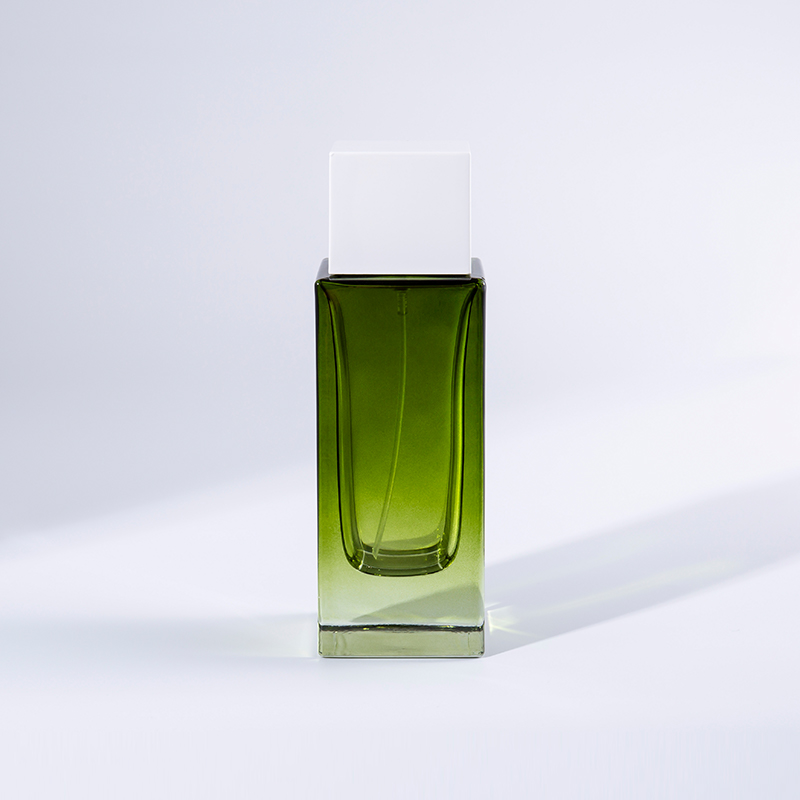
J2943 Crimp Perfume Bottle 80ml. Glass bottle with crimp neck for an airtight seal with spray pump. 80ml capacity. Ideal for commercial perfumes, eau de toilette. Transparent glass showcases liquid co...
See Details -
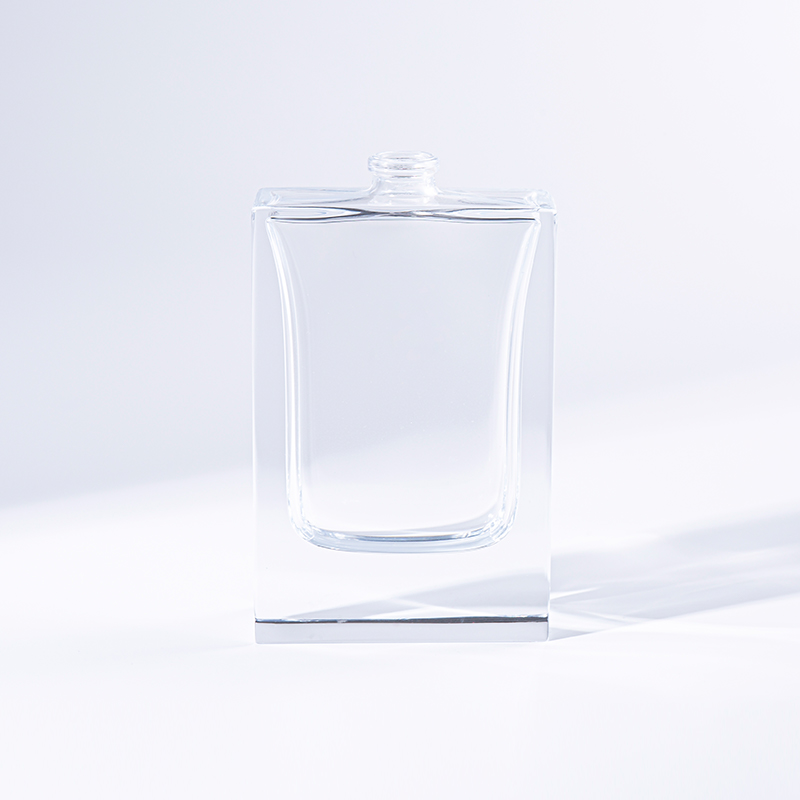
Z-442 Hand Polished Crimp Perfume Bottle 50ml. Hand-polished clear glass with a smooth finish. Aluminum crimp cap and precision spray nozzle. 50ml compact size. Ideal for travel, personal use, and gif...
See Details -
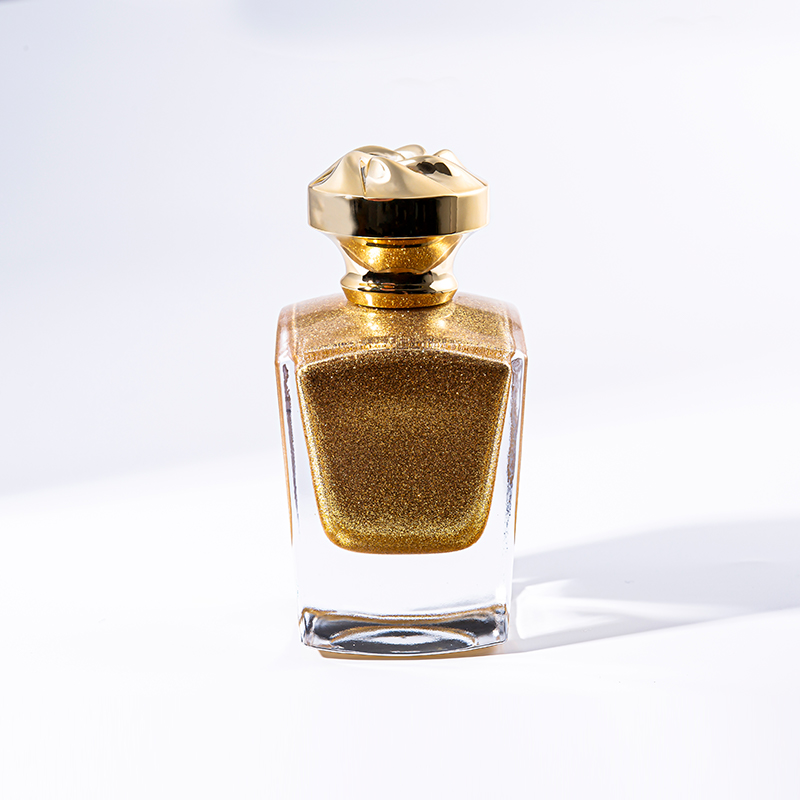
J2907 Crimp Perfume Bottle 100ml. Trapezoidal profile (wide base, narrow top) for stability. Semi-transparent glass with diffused light. Crimp neck with a pump. 100ml capacity. Anti-slip base. Ideal f...
See Details
Contact Info.
-
Tel.
+86 153 7158 1688 (Simon)
+86 181 3693 6668 (Mary)
+86 139 5117 2783 (Junwei Hua) -
Email
zl@jl-bl.cn (Simon)
mary@jl-bl.cn (Mary)
jwhua@jl-bl.cn (Junwei Hua) -
Address
Hongqiao Town, Taixing City, Taizhou City, Jiangsu Province, China
- Media
Leave Us for Quote
Copyright © Taixing Jili Glass Products Co., Ltd. All Rights Reserved. Custom Cosmetic Glass Packaging, Luxury Perfume Glass Bottle Manufacturer
