
 ENG
ENG  English
 русский
 Français
 Español
 عربى
عربى Türk
TürkJ2943 Crimp Perfume Bottle 80ml. Glass bottle with crimp neck for an airtight seal with spray pump. 80ml capacity. Ideal for commercial perfumes, eau de toilette. Transparent glass showcases liquid co...
See DetailsPerfume Cap Supplier: PCR Aluminum & Bio-Based Materials for Fragrance Brands
2026-09-18
Finding the right perfume cap supplier is a decision that goes beyond cost. The cap is the tactile experience a consumer has with a fragrance. It signals quality before the bottle is even opened. A dense zinc alloy cap that clicks shut with resistance reads as premium almost instantly. A lightweight plastic cap does not.
In 2026, the perfume cap supplier landscape is shifting. PCR aluminum is moving from concept to industrial scale. Bio-based materials are entering the market. And brand leaders like Chanel are driving collaboration across the supply chain. Here is what fragrance brands sourcing from a perfume cap manufacturer need to know.
The Traditional Standard: Zamak Caps
Zamac remains the go-to material for prestige and niche fragrance brands. Cast from No.3 zinc alloy, zamak caps can be electroplated in gold, silver, gunmetal, or matte black. They support engraving, gemstone inlay, and magnetic closures. The perceived value jump over plastic is significant.
The trade-offs are cost and weight. A 25g zinc cap adds roughly $0.85 to $1.20 in annual shipping costs per unit compared to an 8g plastic cap. Zamak also has higher embodied energy: 8.5 kg CO₂ per kg versus 1.9 kg CO₂ per kg for polypropylene.
Production runs slowly. Zamac lines produce around 3,000 pieces per day due to plating steps. Plastic injection molding can hit much higher volumes.
PCR Aluminum: Chanel-Led Industry Collaboration
The significant development in sustainable perfume packaging is the move toward post-consumer recycled (PCR) aluminum. Under the leadership of Chanel Parfums and Beauté, three competitors—Tesem, G. Pivaudran, and the Pochet Group—have agreed to collaborate rather than duplicate efforts.
The foundation is Tesem's BRI&Va technology. Since 2022, Tesem has refined a process that enables substantial amounts of PCR aluminum in high-end packaging while preserving the same gloss and finish as virgin anodized aluminum. The technology supports up to 50% PCR content.
The environmental impact is notable. Aluminum containing 20% PCR can reduce CO₂ emissions by 78.9% compared to virgin aluminum. This allows brands to maintain luxury aesthetics while meeting decarbonization goals.
"We want to offer industry players an effective solution capable of meeting the market's growing expectations in terms of decarbonization," said Susana Santos, Director of Innovation at Tesem.
The three partners maintain their strategic and commercial independence. But by sharing expertise, they accelerate adoption of PCR aluminum perfume cap solutions across the luxury sector.
Bio-Based and Alternative Materials
Beyond aluminum, several new materials are entering the perfume cap market.
Injection-Molded Cellulose Caps. New exhibitor Injectose is developing ReCap, described as the injection-molded fragrance cap with 95% cellulose fibers. Versions include virgin pulp, bulk dyed, urban fallen leaves, and green algae fibers. Rigidity is comparable to polypropylene. The cap can be recycled in existing paper streams.
Wooden Caps with Integrated Threading. GISM Italia is presenting a wooden cap with internal threading machined directly into the wood. This eliminates the need for a plastic insert. A cork washer can improve sealing. Cost is said to be comparable to standard plastic closures.
Upcycled Organic Materials. Berlin Packaging unveiled Xoco, a polypropylene material derived from upcycled hazelnut shells. The material contains 10% hazelnut shells, creating visible organic particles. It maintains recyclability.
95% Recycled Steel. Italian specialist Cosmotec presented a collection of premium perfume cap designs made from at least 95% recycled steel. Steel's higher density compared with aluminum provides greater weight and a stronger perception of quality in hand.
Maison Piver: PCR Zamak in Practice
The French perfume house Maison Piver demonstrated that PCR materials work in heritage luxury. The brand launched a new range featuring a custom zamak cap produced by Segede Industrie. The cap incorporates 30% post-consumer recycled zamak and uses a gold cataphoretic varnish finish instead of traditional galvanization.
The cap's silhouette is inspired by the Maison's historical bottles. Engraving of its logo adds a signature detail. This case shows that sustainable perfume packaging does not require abandoning traditional materials. PCR zamak allows brands to preserve heritage aesthetics while integrating circular economy principles.
Material Comparison for B2B Buyers
Here is a comparison of perfume cap materials for sourcing decisions:
| Material | Perceived Value | Recyclability | PCR Potential | Cost Level |
|---|---|---|---|---|
| Zamac (zinc alloy) | High | Recoverable | Up to 30% PCR | Medium-high |
| PCR Aluminum | High | Infinite | Up to 50% PCR | Medium-high |
| Injection cellulose | Moderate | Paper stream | 95% bio-based | Developing |
| Wood (integrated thread) | Moderate-high | Compostable/recyclable | Renewable | Comparable to plastic |
| Recycled steel | High | Infinite | 95% recycled | Medium |
| PP Plastic | Low | Recyclable #5 | Up to 30% PCR | Low |
What This Means for B2B Buyers
If you are sourcing perfume caps for your fragrance line, here are key considerations.
Start with product positioning. A flagship SKU justifies a zamak or aluminum cap. Entry-level or travel sizes may use plastic or lighter materials. Pick based on where the SKU sits in your line.
Consider PCR content. PCR aluminum and PCR zamak are now available at industrial scale. If your brand has sustainability commitments, these materials allow you to maintain luxury aesthetics while reducing environmental impact.
Evaluate bio-based options. Injection-molded cellulose and wooden caps offer alternatives for brands with strong sustainability narratives. Test mechanical performance and sealing before committing to large orders.
Verify supply chain. For PCR materials, ask your perfume cap supplier for certification and traceability data. PCR content claims require third-party verification.
Test the seal. Do not skip pre-production sample testing. Leakage discovered after mass production is costly to fix.
Why Jili for Your Perfume Bottle Needs?
At Jili, we understand that the cap is more than a closure. It is a touchpoint that shapes consumer perception. As a perfume cap supplier, we work with fragrance brands to source and integrate the right cap solutions for their positioning and sustainability goals. Our core expertise is glass bottle manufacturing with precision molding, and we collaborate with trusted cap suppliers to deliver complete packaging solutions.
Whether you are launching a new fragrance or refreshing an existing line, Jili can help you align bottle and cap design for a cohesive brand experience.
Related products
-
-
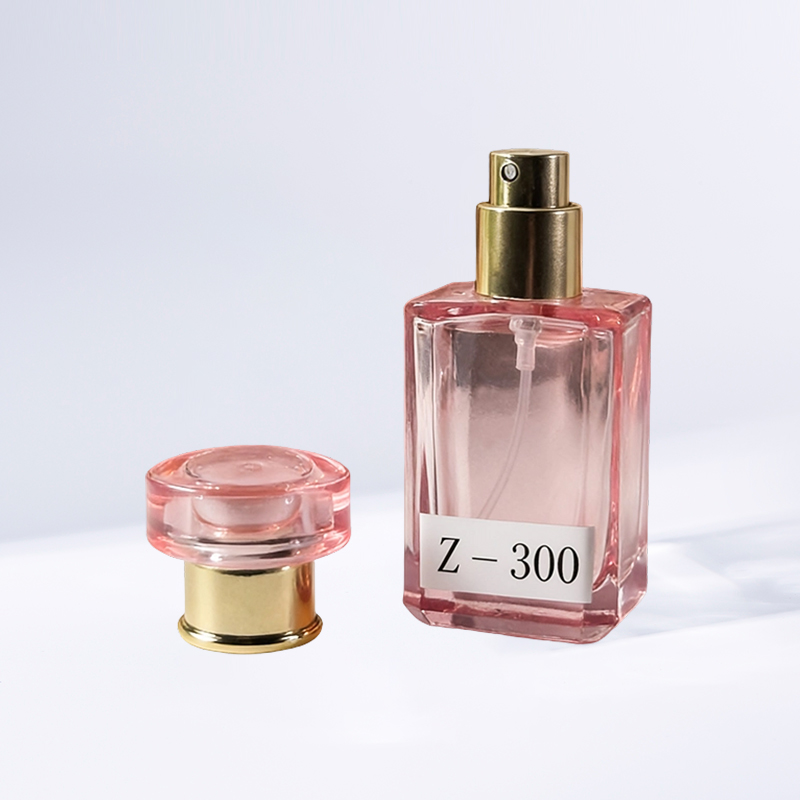
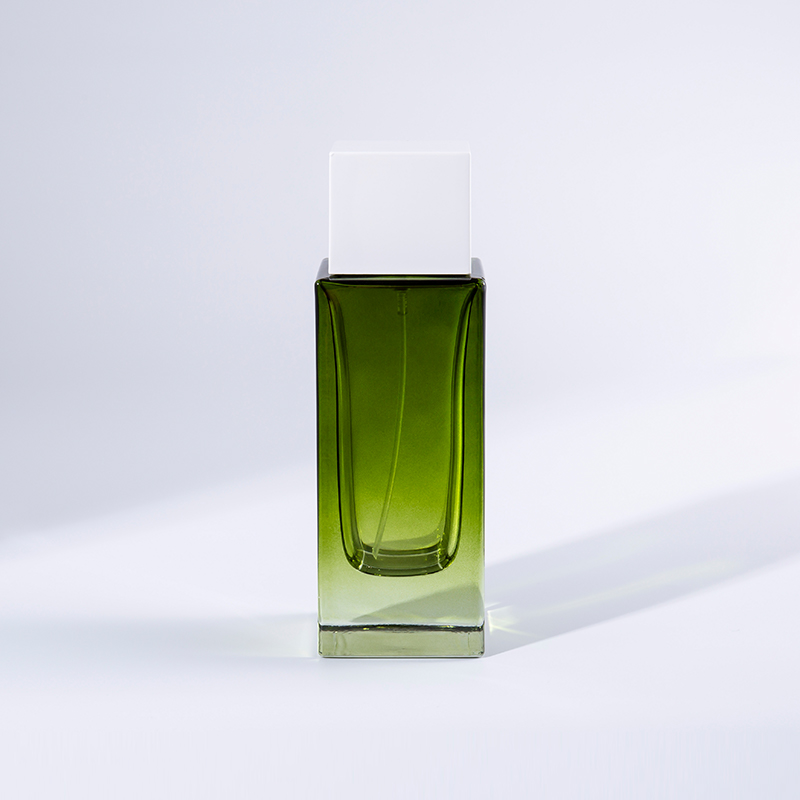
Advantages: ● The 35ml capacity is portable, and the square bottle design saves storage space.● 8mm wall thickness and crimp-seal closure enhance physical stability during transport and use.● The glas...
See Details -
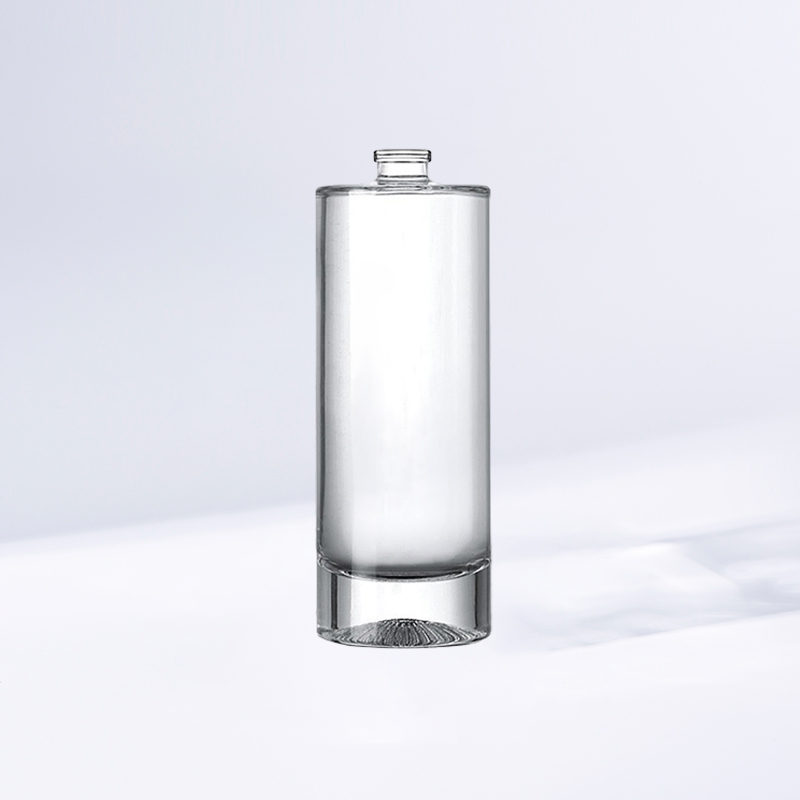
J2433 Transparent Cylinder Screw-Top Perfume Bottle 100ml. Features a clear glass cylindrical body with a stable, wide base and a color-matched screw cap for secure sealing. Dimensions: 63x63x85mm, we...
See Details -
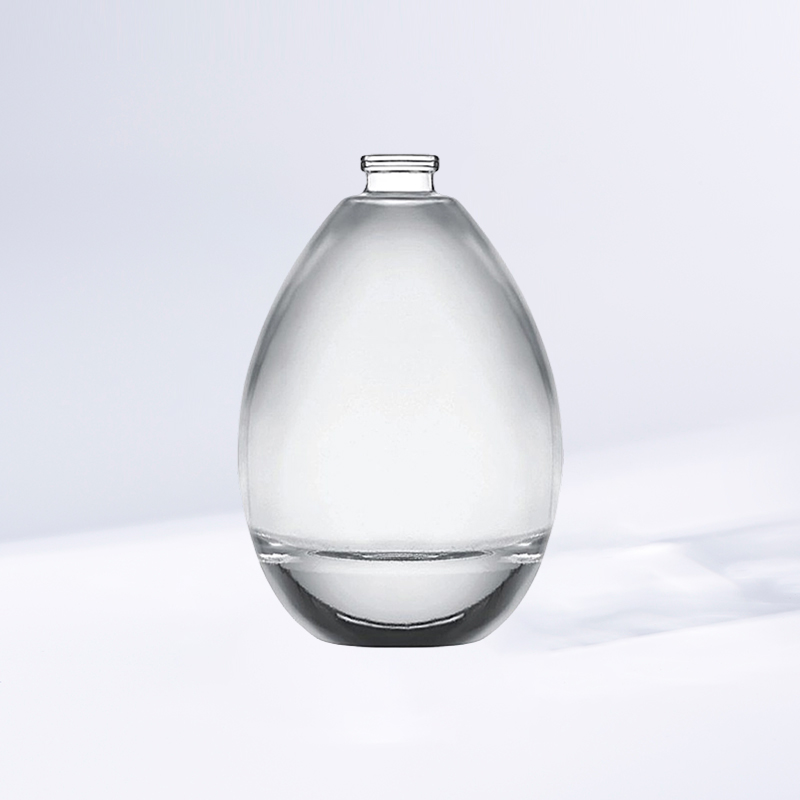
J2556 Elegant Oval Perfume Bottle 105ml. Features an oval silhouette with transparent glass, a contrasting empty upper section, and a liquid-holding lower part. Stable flared base. Dimensions: 63.8x63...
See Details
Contact Info.
-
Tel.
+86 153 7158 1688 (Simon)
+86 181 3693 6668 (Mary)
+86 139 5117 2783 (Junwei Hua) -
Email
zl@jl-bl.cn (Simon)
mary@jl-bl.cn (Mary)
jwhua@jl-bl.cn (Junwei Hua) -
Address
Hongqiao Town, Taixing City, Taizhou City, Jiangsu Province, China
- Media
Leave Us for Quote
Copyright © Taixing Jili Glass Products Co., Ltd. All Rights Reserved. Custom Cosmetic Glass Packaging, Luxury Perfume Glass Bottle Manufacturer
