
 ENG
ENG  English
 русский
 Français
 Español
 عربى
عربى Türk
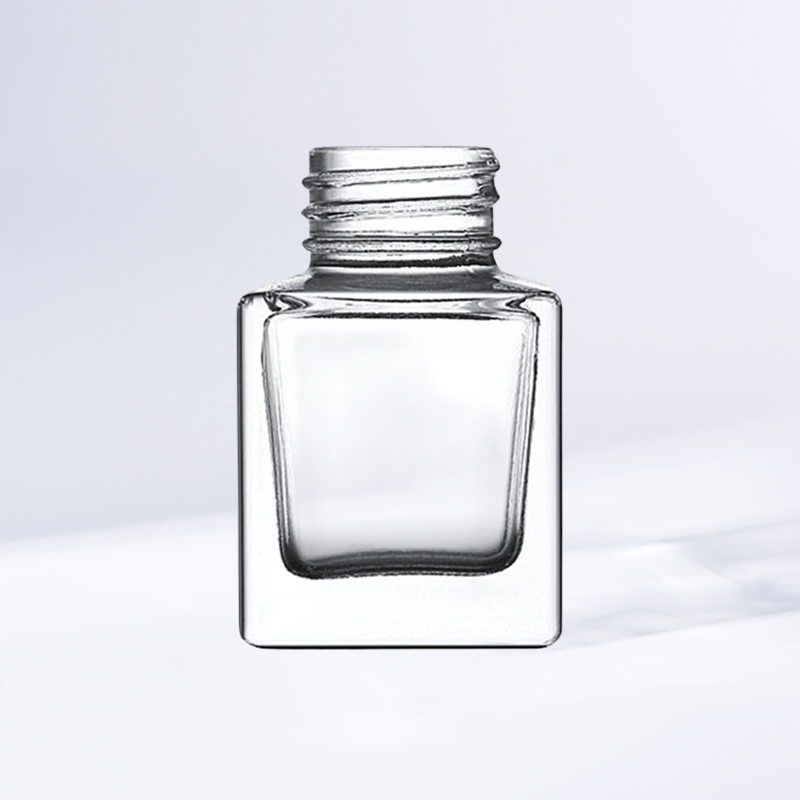
TürkJ2303 Screw-Top Aroma Glass Bottle 46ml. Compact transparent glass bottle with screw cap for secure closure. Dimensions: 42x42x64.6mm, 105g. Ideal for essential oils, fragrance oils, and portable use....
See DetailsLightweight Glass Bottle Technology: Weight Reduction Trends 2026
2026-08-14
Pick up a glass bottle from ten years ago. Then pick up a new one. You might notice a difference. The new one feels lighter. That is not an accident. It is the result of years of engineering aimed at creating a lightweight glass bottle that uses less material without sacrificing strength or appearance.
The push for glass bottle weight reduction is reshaping the packaging industry. From spirits to perfumery, brands are asking: how light can we go? The answer, it turns out, is quite light. A 700ml spirits bottle that used to weigh 575 grams can now weigh just 400 grams. That is a reduction of about 30% . For fragrance brands, a lightweight perfume bottle offers similar opportunities to cut costs and carbon footprint. Here is what you need to know.
Why Lightweighting Matters
The lightweight glass bottle trend is driven by several factors.
Cost is a major consideration. Glass is heavy. Heavy bottles cost more to ship. They require more raw materials to produce. A glass bottle weight reduction of 20-30% directly reduces logistics costs. For brands shipping thousands of units, this adds up.
Carbon footprint is another driver. Producing glass requires high temperatures. Less glass means less energy. A lightweight perfume bottle can cut CO2 emissions significantly. In some cases, lightweighting can reduce carbon footprint by 15% or more .
Regulatory pressure is increasing. Extended Producer Responsibility (EPR) fees are often based on packaging weight. A lightweight glass bottle means lower fees . In Europe, regulations are pushing brands to reduce packaging weight and improve recyclability.
Consumer expectations are shifting. Shoppers want sustainable products. They may not know the weight of a bottle, but they care about environmental impact. A lightweight glass bottle is part of a broader sustainability story.
How Lightweighting Works
Creating a lightweight glass bottle requires more than just using less glass. It requires engineering.
The approach involves removing excess material without compromising function. As one glass manufacturer puts it, the goal is packaging that is "engineered to be exactly what it needs to be" . This means considering every aspect of the bottle's journey: how it is filled, handled, transported, and used by consumers.
Simply removing weight can create problems. Thinner glass can be more fragile. It can reduce rigidity and increase breakage . Good lightweighting avoids these issues. It maintains the integrity of the bottle while reducing material use.
The Rightweight solution from Croxsons, for example, can reduce glass weight by up to 30% while preserving strength, function, and shelf appeal . The technology took more than 16 years to develop . It is now being applied across a range of products, from soft drinks bottles to premium spirits.
Real-World Examples
Brands across industries are adopting lightweight glass bottle technology.
Chanel reengineered its Chance Eau Splendide bottle to lower its environmental impact. The redesign involved replacing the cap and side bands with aluminum, cutting the total weight by 20%. The primary packaging is now more than 95% recyclable .
Patrón Tequila reduced the weight of its tequila bottles by 8% in late 2025, with the goal of lowering its carbon footprint. The updated design includes an embossed glass pattern inspired by agave plants, which also improves grip for bartenders .
Johnnie Walker’s Blue Label Ultra, a limited edition released in 2024, weighs just 180 grams. It is said to be the lightest 70cl glass whisky bottle ever produced. Diageo, the brand owner, is offering other brands a royalty-free license to the patent to encourage industry progress in lightweighting .
Cognac brand A. de Fussigny worked with glassmaker Verallia to produce bottles that weigh 480 grams, down from 750 grams. That is a 36% reduction .
Champagne Moussé collaborated with Saverglass to create the Light 26 bottle, weighing 725 grams compared to the traditional champagne bottle weight of 835-900 grams .
Lightweighting Techniques at a Glance
| Technique | How It Works | Typical Weight Reduction | Application |
|---|---|---|---|
| Rightweight engineering | Removes excess material while preserving strength | Up to 30% | Spirits, soft drinks, premium glass bottles |
| Hybrid furnace production | Oxy-fuel combustion and high-cullet recipes reduce material intensity | 15-20% | General glass bottle manufacturing |
| Flat glass folding | Ultra-thin glass folded and laser-welded | Significant | Luxury spirits (Martell prototype) |
| Aluminum component replacement | Replaces zamac and brass with lighter aluminum | Up to 20% | Perfume bottles (Chanel Chance) |
| Optimized bottle shape | Reduces neck diameter and headspace | 10-15% | Champagne (Moussé Light 26) |
Lightweighting and Perfume Bottles
For fragrance brands, lightweight perfume bottle design presents both opportunities and challenges.
A lightweight perfume bottle can reduce shipping costs and carbon footprint. It can also lower EPR fees in regulated markets. However, consumers often associate weight with quality. A lightweight glass bottle must still feel premium in the hand.
The solution lies in balance. A glass bottle weight reduction of 15-20% can be achieved without changing the feel of the bottle significantly. Chanel achieved a 20% weight reduction on its Chance bottle while maintaining its signature aesthetic . Stoelzle's Phoenix collection offers lightweight, refillable fragrance bottles that can be decorated with screen printing, spraying, and inner lacquering .
For perfume brands considering a lightweight perfume bottle, it is important to work with a manufacturer who understands both the technical and aesthetic requirements.
What This Means for Your Brand
If you are considering a lightweight glass bottle for your fragrance or spirits line, here are a few practical steps.
Start with an assessment. What does your current bottle weigh? What could be reduced without compromising quality? A thorough analysis of your bottle design can identify opportunities for weight reduction.
Work with an experienced manufacturer. Not all glass producers have lightweighting expertise. Look for a partner with a track record of successful glass bottle weight reduction projects.
Test for durability. A lightweight glass bottle must withstand filling, shipping, and everyday use. Conduct drop tests and pressure tests to ensure the new design performs as well as the old one.
Consider the full lifecycle. A lightweight perfume bottle is part of a broader sustainability strategy. Think about how the bottle will be used, recycled, and potentially refilled.
Why Jili for Your Lightweight Glass Bottle?
At Jili, we understand that a lightweight glass bottle is about more than just reducing weight. It is about maintaining quality, aesthetics, and functionality while lowering costs and environmental impact. We offer lightweight glass bottle designs for fragrance brands, from standard shapes to fully custom creations.
Our engineering team focuses on creating lightweight perfume bottle designs that feel premium in the hand and perform reliably in production. We also support sustainable options, including PCR glass and refillable designs.
Whether you are launching a new fragrance or refreshing an existing line, Jili can help you explore glass bottle weight reduction opportunities.
[Browse Jili's Perfume Bottle Collection] ← jiliglass.com
Related products
-
-
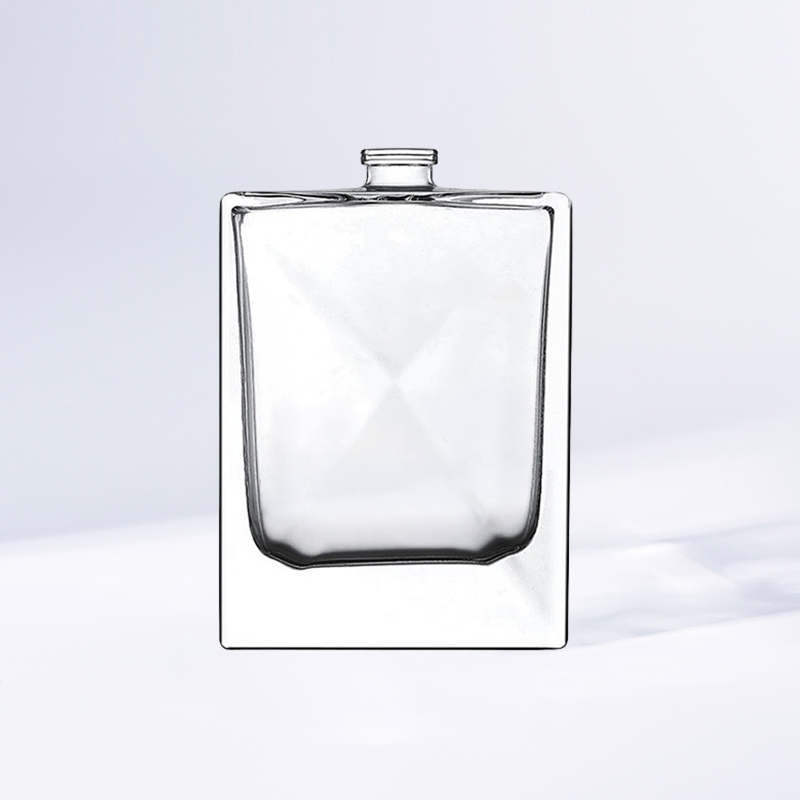
J2249 Premium Transparent Glass Perfume Bottle 104ml. Made of clear glass with a sleek metal dome cap. Dimensions: 66.8x40.5x96.3mm, 260g. Suitable for daily use, travel, and gifting. Transparent body...
See Details -
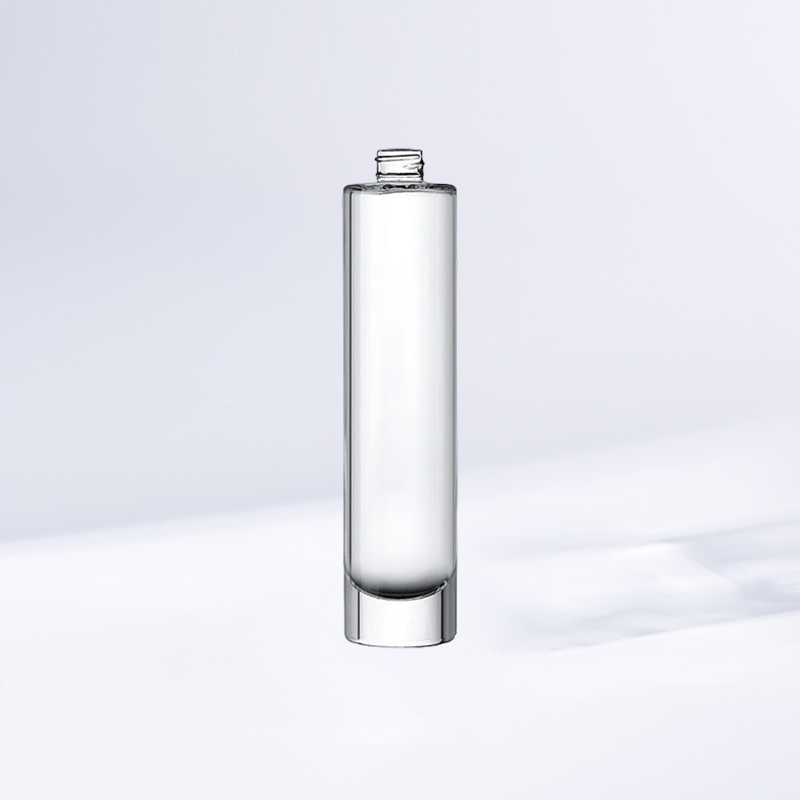
Transparent Long Cylindrical Screw Cap Lotion Bottle 108ml. Clear glass long cylinder with a wide base and a metal screw cap. Dimensions: 41.5x41.5x149.8mm, 190g. Stable and portable. Ideal for lotion...
See Details -
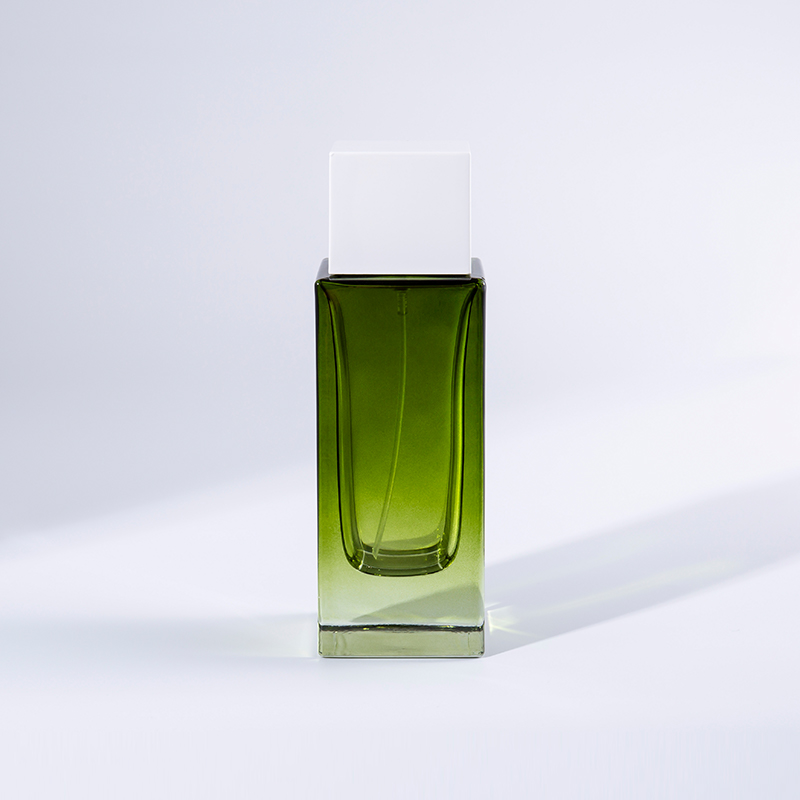
J2943 Crimp Perfume Bottle 80ml. Glass bottle with crimp neck for an airtight seal with spray pump. 80ml capacity. Ideal for commercial perfumes, eau de toilette. Transparent glass showcases liquid co...
See Details
Contact Info.
-
Tel.
+86 153 7158 1688 (Simon)
+86 181 3693 6668 (Mary)
+86 139 5117 2783 (Junwei Hua) -
Email
zl@jl-bl.cn (Simon)
mary@jl-bl.cn (Mary)
jwhua@jl-bl.cn (Junwei Hua) -
Address
Hongqiao Town, Taixing City, Taizhou City, Jiangsu Province, China
- Media
Leave Us for Quote
Copyright © Taixing Jili Glass Products Co., Ltd. All Rights Reserved. Custom Cosmetic Glass Packaging, Luxury Perfume Glass Bottle Manufacturer
