
 ENG
ENG  English
 русский
 Français
 Español
 عربى
عربى Türk
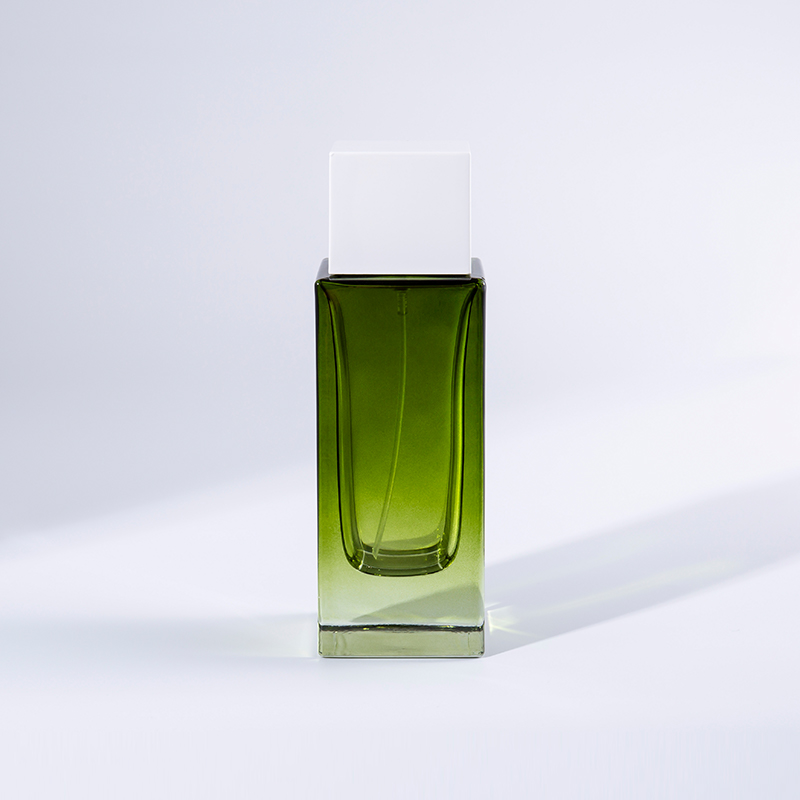
TürkJ2943 Crimp Perfume Bottle 80ml. Glass bottle with crimp neck for an airtight seal with spray pump. 80ml capacity. Ideal for commercial perfumes, eau de toilette. Transparent glass showcases liquid co...
See DetailsPerfume Bottle Decoration: Sputtering & Metallization Techniques 2026
2026-08-04
Content
If you have ever held a luxury fragrance bottle that catches the light with a metallic sheen, yet remains partially transparent, you have seen modern perfume bottle decoration at work. Gone are the days when a fragrance container was simply clear or frosted. Today, brands are using advanced perfume bottle decoration techniques to create bottles that are visually stunning and environmentally responsible.
The challenge, however, is significant. How do you make a bottle look like it is coated in gold or chrome, while ensuring it can still be recycled? This is where perfume bottle decoration methods like sputtering and advanced metallization come in. These techniques are changing the game for fragrance packaging.
What Is Sputtering in Perfume Bottle Decoration?
Sputtering is a perfume bottle decoration technique that applies a thin metal layer onto the glass surface inside a vacuum chamber. Unlike traditional metallization, which uses evaporation to deposit metal, sputtering uses a physical process that gives manufacturers more control over the coating thickness.
Here is why this matters for your perfume bottle decoration strategy. Sputtering allows the glass to maintain some transparency. This means a bottle can have a metallic, mirror-like finish while still letting light through. Lancôme's La Vie Est Belle L'Extrait limited edition used this exact technique to achieve a transparent metallic effect with a color gradient.
The Italian glassmaker Bormioli Luigi invested two million euros in a dedicated sputtering production line. According to their R&D manager, Emanuela Fava, "sputtering brings flexibility, possible color effects and control over the thickness of metal deposits until a transparent version is obtained."
This transparency is important not just for aesthetics. It also ensures the bottle can be identified and sorted correctly in recycling facilities.
Metallization: From Opaque to Transparent
Metallization has long been a popular perfume bottle decoration choice for giving glass a luxurious, reflective surface. Traditional metallization, however, often creates an opaque coating. This can interfere with recycling because sorting machines cannot "see" through the metal layer to identify the glass.
The industry is responding. Companies like Pochet and PRAD are developing translucent metallization solutions. With this approach, the metal layer is thin enough for light to pass through. This preserves the upscale look while keeping the bottle fully recyclable.
PRAD, a French liquid metallization specialist, offers both opaque and transparent solutions. According to PRAD CEO Bruno Pierrain, "liquid metallization, whether opaque, gradient, or our transparent solution, offers unlimited possibilities for innovation and differentiation."
Perfume Bottle Decoration Techniques Comparison
Here is a quick comparison of the main perfume bottle decoration methods:
| Feature | Traditional Metallization | Sputtering | Translucent Metallization |
|---|---|---|---|
| Process | Vacuum evaporation | Vacuum physical deposition | Liquid or vacuum application |
| Opacity | Opaque | Controllable, can be transparent | Semi-transparent |
| Recyclability | May interfere with sorting | Fully recyclable | Fully recyclable |
| Aesthetic Effect | High-shine mirror finish | Metallic with light transparency | Subtle light play |
| Customization | Limited by opacity | Color gradient possible | Wide range of colors and intensities |
Sustainability Meets Aesthetics
One of the biggest questions facing fragrance brands today is how to balance visual appeal with environmental responsibility. Perfume bottle decoration is at the center of this conversation.
The good news is that glass itself is infinitely recyclable. The challenge is that certain decorations—opaque metallization, heavy lacquers, or non-recyclable coatings—can compromise this advantage. Newer perfume bottle decoration techniques are designed to address this.
Verescence, for example, developed a translucent lacquering process that is compatible with recycling. Similarly, Bormioli Luigi has focused on sputtering precisely because it makes the glass bottle fully recyclable. These innovations mean you do not have to choose between a beautiful bottle and a sustainable one.
Applications in Perfume Bottle Decoration
These perfume bottle decoration methods are appearing in well-known fragrance launches. Lancôme's La Vie Est Belle used sputtering to create a limited edition with a metallic effect combined with a specific hue. The color gradient created a difference in opacity between the top and bottom of the bottle, making the design unique.
Liquid metallization has also gained traction. Interparfums' Jimmy Choo bottle features pink and gold metallization that plays with transparency. Diptyque's City Candles collection combines opaque red metallization with screen printing. These examples show how perfume bottle decoration can be adapted to different brand aesthetics.
What This Means for Your Brand
If you are sourcing a bottle for your fragrance line, here are a few considerations when exploring perfume bottle decoration options.
First, ask about recyclability. Not all decorated finishes are created equal. Ask your supplier whether the decoration is opaque, translucent, or transparent. Translucent options are generally more compatible with recycling.
Second, consider the visual effect. Sputtering offers a metallic finish with subtle light transparency. Traditional metallization provides a high-shine, mirror-like effect. Translucent liquid metallization allows for delicate plays of light. Choose the perfume bottle decoration that matches your brand identity.
Third, think about cost and production scale. Sputtering requires specialized equipment and is is not yet widely adopted in the industry. Liquid metallization, on the other hand, has scaled up significantly. PRAD, for instance, expanded its metallization capacity to over 15 million bottles per year.
Why Jili for Your Perfume Bottle Decoration?
At Jili, we understand that perfume bottle decoration is a key differentiator for fragrance brands. We produce bottles that can accommodate a wide range of finishes, including frosting, silk-screening, metallization, and sputtering, all aligned with sustainability goals.
We work closely with brands to choose the right perfume bottle decoration method for their aesthetic and environmental requirements. Whether you want a high-shine metallized finish or a subtle frosted effect, Jili can deliver.
[Browse Jili's Perfume Bottle Collection] ← www.jiliglass.com
Related products
-
-
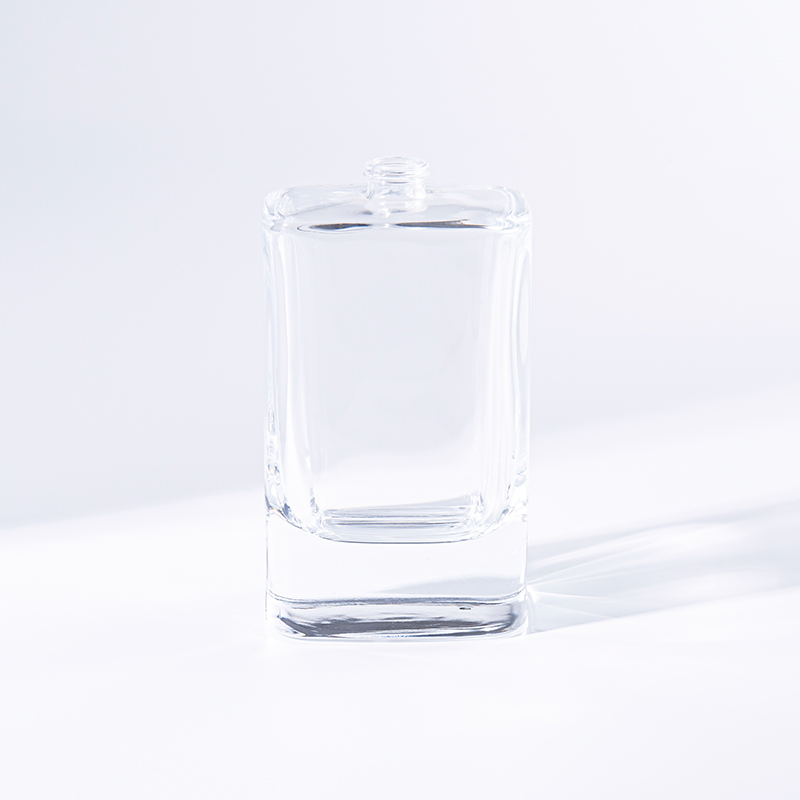
J3008 Fire Polished Crimp Perfume Bottle 100ml. Fire-polished glass for a smooth, bright surface. Crimp neck with standard spray pump. 100ml capacity. High clarity, airtight seal. Suitable for perfume...
See Details -
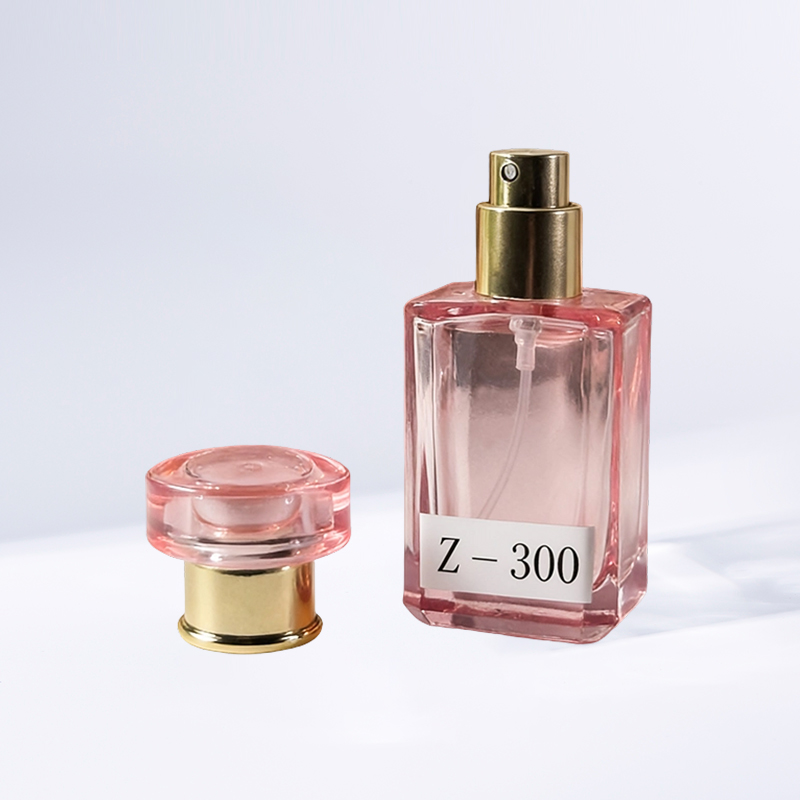
Advantages: ● The 35ml capacity is portable, and the square bottle design saves storage space.● 8mm wall thickness and crimp-seal closure enhance physical stability during transport and use.● The glas...
See Details -
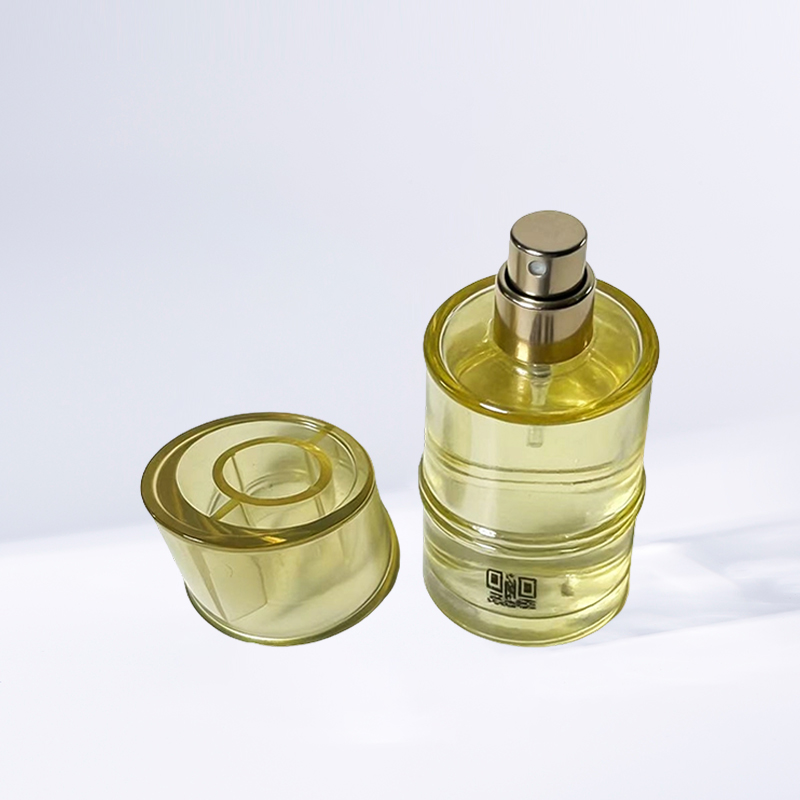
Advantages:● The bamboo-shaped bottle with 45ml capacity offers an ergonomic grip. The 8mm wall thickness provides structural support.● The crimp-seal closure with aluminum sprayer ensures sealing int...
See Details
Contact Info.
-
Tel.
+86 153 7158 1688 (Simon)
+86 181 3693 6668 (Mary)
+86 139 5117 2783 (Junwei Hua) -
Email
zl@jl-bl.cn (Simon)
mary@jl-bl.cn (Mary)
jwhua@jl-bl.cn (Junwei Hua) -
Address
Hongqiao Town, Taixing City, Taizhou City, Jiangsu Province, China
- Media
Leave Us for Quote
Copyright © Taixing Jili Glass Products Co., Ltd. All Rights Reserved. Custom Cosmetic Glass Packaging, Luxury Perfume Glass Bottle Manufacturer
