
 ENG
ENG  English
 русский
 Français
 Español
 عربى
عربى Türk
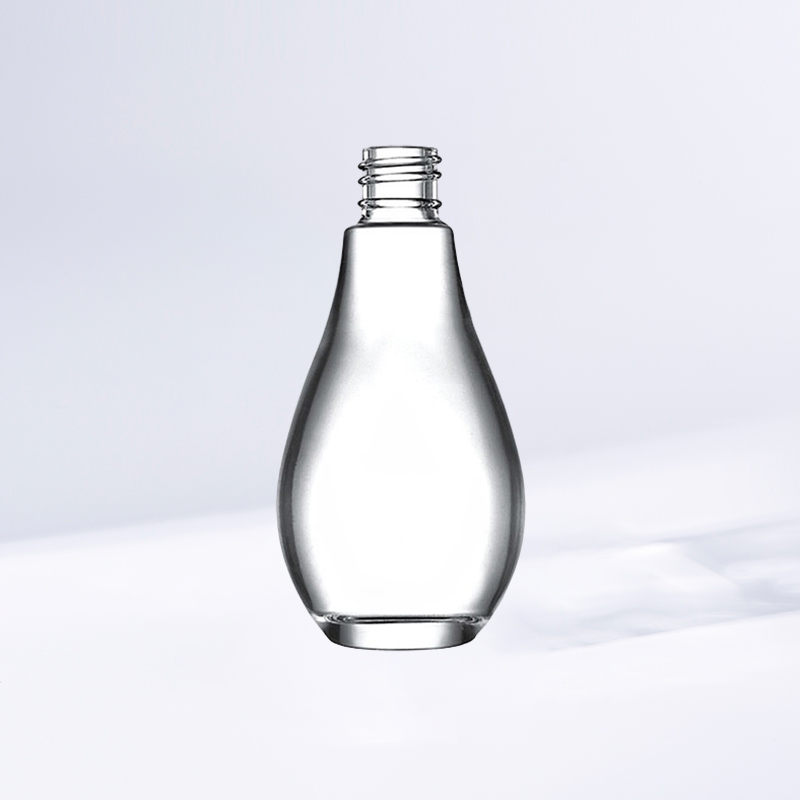
TürkJ2514 Transparent Inverted Pear-Shaped Lotion Bottle 46ml. Unique inverted pear silhouette in clear glass. Compact size: 53x23.8x85mm, 84g. Allows easy monitoring of the liquid level. Perfect for loti...
See DetailsWhich glass materials are best for high-end perfume bottles?
2026-07-31
Content
- 1 The Defining Characteristics of a Luxury Perfume Glass Bottle
- 2 The Material Composition of Premium Flacons
- 3 The Complex Manufacturing Process of Luxury Vessels
- 4 Design Psychology and Sensory Engagement
- 5 Advanced Decorative Techniques
- 6 Sustainability in High-End Fragrance Packaging
- 7 Preservation and Display of Luxury Flacons
The Defining Characteristics of a Luxury Perfume Glass Bottle
A luxury perfume glass bottle is the ultimate physical manifestation of a perfumer's olfactory masterpiece, serving as both a protective vessel and a piece of functional art. It is fundamentally distinguished from standard packaging by the utilization of premium lead-free crystal or optical glass, meticulous handcrafted artisanship, and distinct structural design. These elements work in harmony to elevate the fragrance into a coveted collectible that transcends its liquid contents. A truly luxurious flacon must not only preserve the chemical integrity of the scent by preventing UV degradation and evaporation but also communicate the soul of the fragrance through profound visual depth and tactile resonance. The weight, the clarity, and the precision of the closure mechanism all contribute to a multisensory experience that begins before the fragrance is even applied to the skin.
The Material Composition of Premium Flacons
The foundation of any high-end perfume bottle lies in the quality of the glass itself. Standard packaging often relies on basic soda-lime glass, which is cost-effective but prone to slight greenish tinting and microscopic surface imperfections. In contrast, luxury packaging demands materials that offer exceptional clarity, brilliance, and structural density. The choice of material directly impacts how light interacts with the bottle, creating a luminous effect that makes the liquid inside appear more vibrant. Furthermore, high-quality glass is chemically inert, ensuring that the delicate balance of top, heart, and base notes remains completely unaltered over decades.
Comparing High-End Glass Materials
When evaluating luxury vessels, manufacturers typically choose between a few select materials, each offering distinct advantages in terms of aesthetics and durability. The following table illustrates the primary materials used in the creation of high-end fragrance vessels:
| Material Type | Clarity & Brilliance | Weight & Density | Acoustic Resonance |
|---|---|---|---|
| Lead-Free Crystal | Exceptional, diamond-like sparkle | Heavy and substantial | Long, melodic ring |
| Optical Glass | Pure, distortion-free transparency | Medium to heavy | Sharp, clear tap |
| Ceramic-Coated Glass | Opaque, rich color saturation | Heavy | Dull thud |
Lead-free crystal is often the material of choice for the most exclusive fragrances. By replacing lead with barium oxide or zinc oxide, manufacturers achieve a refractive index that mimics natural diamonds, allowing the bottle to catch and bend ambient light beautifully. The inherent weight of crystal provides a psychological anchor, conveying a sense of permanence and value to the consumer.
The Complex Manufacturing Process of Luxury Vessels
Creating a high-end perfume bottle is a rigorous process that blends ancient glassblowing techniques with modern precision engineering. Unlike mass-produced containers that are entirely machine-blown, luxury flacons often require significant human intervention to achieve the desired perfection. Every step is monitored to ensure there are no bubbles, striations, or asymmetrical contours. The journey from molten raw material to the finished piece involves several highly specialized stages.
- Batching and Melting: Pure silica sand is mixed with specific fluxes and stabilizers, then melted in furnaces at extreme temperatures to create a homogeneous molten glass.
- Molding and Blowing: The molten glass is either hand-blown by master artisans using traditional wooden molds or shaped using highly calibrated pressing machines for consistency.
- Annealing: The newly formed bottles are gradually cooled in a lehr kiln over several hours. This critical step relieves internal thermal stress, preventing the glass from shattering under pressure.
- Fire Polishing: The bottles are passed through a high-temperature flame to melt away any microscopic rough edges, resulting in a flawlessly smooth surface finish.
- Quality Control: Each piece is inspected by hand under harsh lighting to detect any imperfections. Bottles that do not meet stringent standards are recycled back into the furnace.
The annealing process is particularly vital for luxury vessels. If cooled too quickly, the glass retains internal tension, making it brittle. A properly annealed luxury bottle can withstand significant thermal shock and physical impact, ensuring it remains a lasting keepsake long after the perfume is exhausted.
Design Psychology and Sensory Engagement
The architecture of a luxury perfume bottle is deeply rooted in psychological principles. Designers use shape, color, and texture to subliminally prepare the user's senses for the fragrance contained within. The visual language of the bottle must align perfectly with the olfactory profile of the perfume, creating a cohesive brand narrative that resonates on an emotional level.
Color as an Olfactory Precursor
The coloration of the glass is rarely an afterthought. Amber and smoky tones are frequently employed to house oriental or woody fragrances, communicating warmth, mystery, and nocturnal elegance. Conversely, crystal-clear or pale frosted glass is reserved for fresh, aquatic, or floral scents, evoking purity, morning dew, and transparency. The color is often achieved through the addition of metal oxides during the melting phase, ensuring the hue penetrates the entire structure of the glass rather than merely sitting on the surface.
Tactile Resonance and Ergonomics
How a bottle feels in the hand is just as important as how it looks. Luxury designers meticulously calculate the center of gravity, ensuring the bottle feels balanced and poised when held. Surfaces may be faceted to mimic cut gemstones, providing a gripping texture that refracts light dynamically. Others may feature smooth, seamless curves that fit naturally into the palm, offering a comforting, organic touch. The interplay of heavy glass against a precisely fitted metal collar creates a tactile contrast that reinforces the perception of premium craftsmanship.
Advanced Decorative Techniques
Once the glass body is perfected, it undergoes various decorative applications that further separate it from standard packaging. These techniques require immense skill and are often applied by hand.
- Vacuum Metalization: A process where a microscopic layer of precious metal, such as gold or silver, is bonded to the interior of the glass, creating a flawless mirror effect that standard painting cannot achieve.
- Silk Screening and Hot Stamping: Intricate logos and geometric patterns are applied using fine mesh screens and real metallic foils, ensuring crisp lines and luxurious shimmer that resists fading.
- Hand-Enameling: Artisans paint delicate motifs directly onto the glass, curing each layer in an oven to build dimension and vibrant color depth.
These advanced decoration methods transform a simple glass container into a storytelling medium. The application of real metallic foils and hand-painted enamels means that no two bottles are absolutely identical, granting the consumer a unique piece of art. The interaction between the metallic finishes and the ambient light creates a dynamic visual experience that evolves as the viewing angle changes, continuously drawing the eye back to the object.
Sustainability in High-End Fragrance Packaging
The luxury sector is increasingly embracing sustainable practices without compromising on aesthetic appeal. Modern luxury consumers demand that elegance does not come at the expense of environmental responsibility. Consequently, glass manufacturers are innovating with eco-conscious materials and circular design philosophies.
One significant advancement is the use of post-consumer recycled (PCR) glass. While traditionally associated with a slight green tint, new filtration technologies allow for the production of high-clarity PCR glass that rivals virgin materials. Additionally, lightweighting techniques are being employed to reduce the overall mass of the bottle, thereby lowering the carbon footprint associated with shipping and raw material extraction, while still maintaining a perception of heaviness through clever structural design.
Refillable systems are also becoming a hallmark of modern luxury. By designing robust bottles with easily detachable spray mechanisms, brands encourage consumers to keep the primary glass vessel for a lifetime, purchasing only the fragrance refills. This approach significantly reduces glass waste while reinforcing the idea that the bottle is a permanent, cherished artifact rather than disposable packaging.
Preservation and Display of Luxury Flacons
Owning a luxury perfume bottle comes with the responsibility of proper care to maintain both the integrity of the fragrance and the brilliance of the glass. Perfume degrades when exposed to direct sunlight, extreme temperature fluctuations, and excessive humidity. Therefore, the way these bottles are stored is crucial to their longevity.
Glass should be kept in a cool, dark environment, such as a dedicated cabinet or a closed display case. When cleaning the exterior, it is advisable to use a soft, lint-free microfiber cloth. Harsh chemical cleaners can damage delicate metallic accents or hand-painted enamels. If a deep clean is necessary, a mild solution of warm water and gentle soap can be applied, but the bottle must be dried immediately to prevent water spots from calcifying on the crystal surface. By following these preservation techniques, a luxury perfume glass bottle can remain a pristine testament to design and craftsmanship for generations.
Related products
-
-
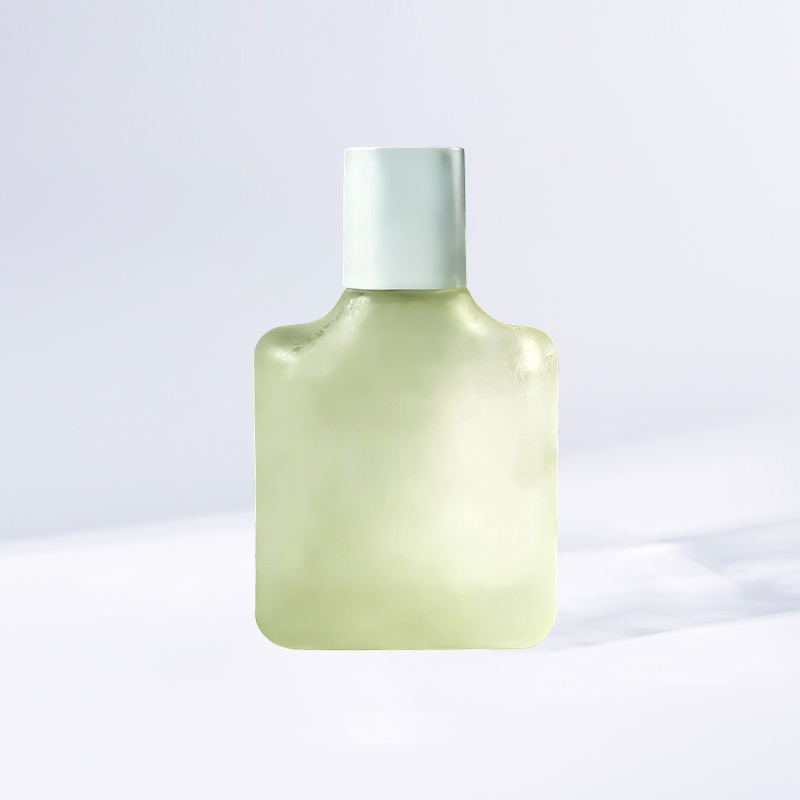
Advantages:● 142g weight and 12mm thickness provide structural assurance for the 50ml capacity and irregular shape.● Defined packaging dimensions facilitate master carton specification calculation and...
See Details -
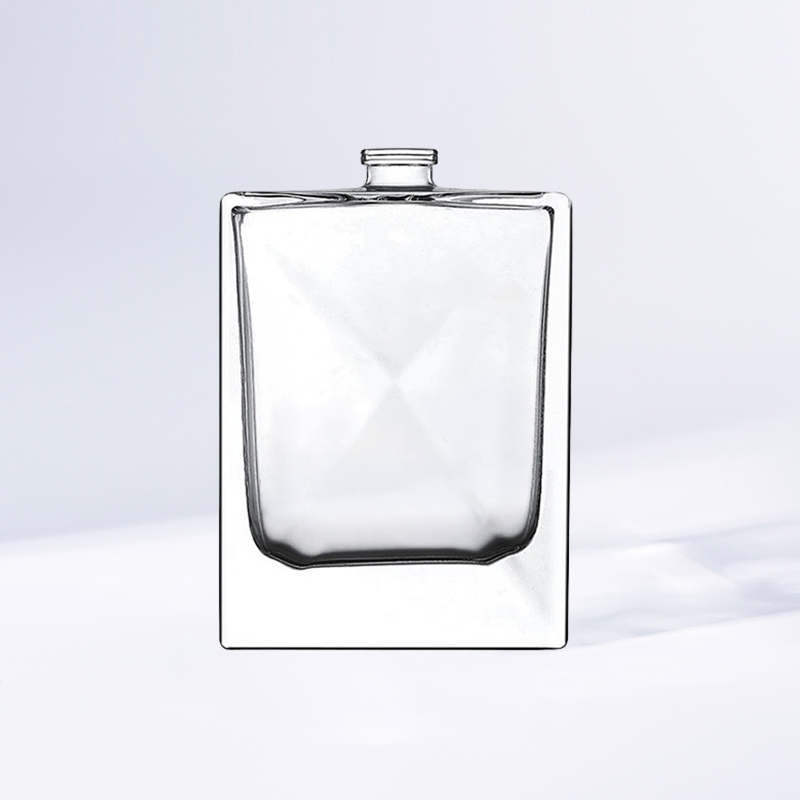
J2249 Premium Transparent Glass Perfume Bottle 104ml. Made of clear glass with a sleek metal dome cap. Dimensions: 66.8x40.5x96.3mm, 260g. Suitable for daily use, travel, and gifting. Transparent body...
See Details -
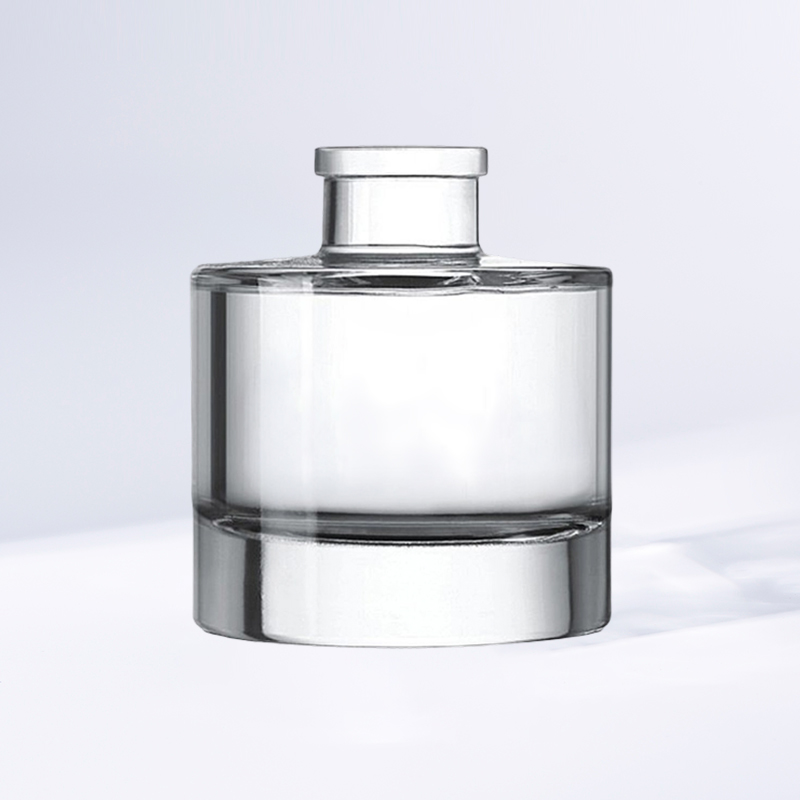
J2437 Square Aroma Diffuser Bottle 120ml. Large capacity clear glass square bottle (70x70mm base) with stable weight (293g). Designed for long-lasting home fragrance with reed sticks. Sealed neck mini...
See Details
Contact Info.
-
Tel.
+86 153 7158 1688 (Simon)
+86 181 3693 6668 (Mary)
+86 139 5117 2783 (Junwei Hua) -
Email
zl@jl-bl.cn (Simon)
mary@jl-bl.cn (Mary)
jwhua@jl-bl.cn (Junwei Hua) -
Address
Hongqiao Town, Taixing City, Taizhou City, Jiangsu Province, China
- Media
Leave Us for Quote
Copyright © Taixing Jili Glass Products Co., Ltd. All Rights Reserved. Custom Cosmetic Glass Packaging, Luxury Perfume Glass Bottle Manufacturer
