
 ENG
ENG  English
 русский
 Français
 Español
 عربى
عربى Türk
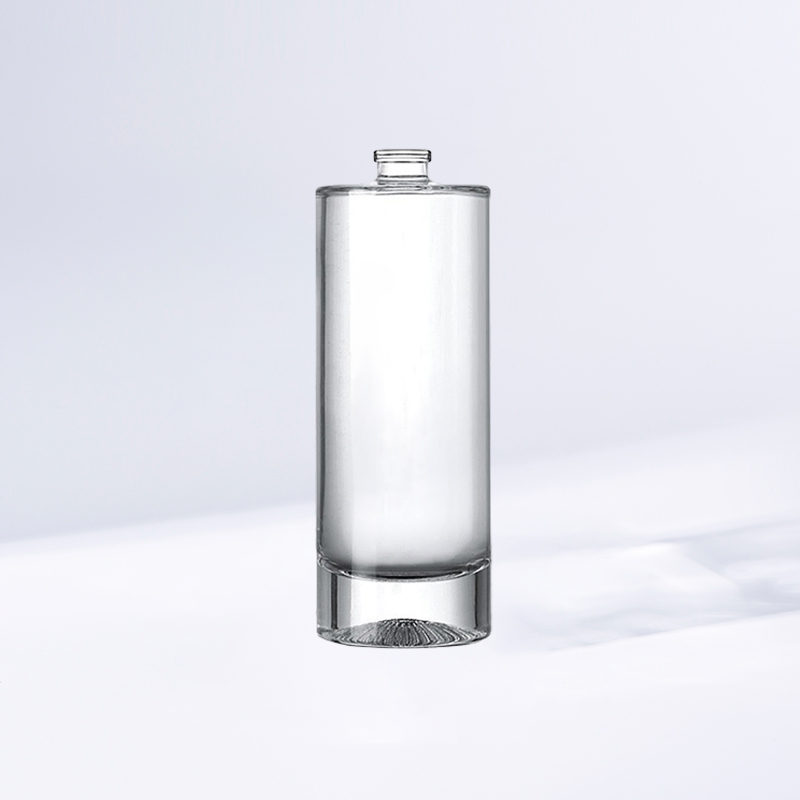
TürkJ2433 Transparent Cylinder Screw-Top Perfume Bottle 100ml. Features a clear glass cylindrical body with a stable, wide base and a color-matched screw cap for secure sealing. Dimensions: 63x63x85mm, we...
See DetailsWhy Are Perfume Bottle Caps So Important in Fragrance Design?
2026-06-02
Content
- 1 Introduction: The Importance of Perfume Bottle Caps
- 2 Perfume Bottle Caps Replacement: Maintenance and Substitution Needs
- 3 Custom Perfume Bottle Caps Design: The Rise of Personalization
- 4 Metal Perfume Bottle Caps Materials: The Role of Material Selection
- 5 Airtight Perfume Bottle Caps Leak Proof: Sealing Performance
- 6 Mini Perfume Bottle Caps Sizes: Compact Design Requirements
- 7 Future Development Trends of Perfume Bottle Caps
- 8 Conclusion: The Systemic Value of Perfume Bottle Caps
Introduction: The Importance of Perfume Bottle Caps
In the fragrance industry, attention is often focused on the scent itself, the bottle design, or the spray mechanism. However, Perfume Bottle Caps play an equally critical role in the overall product system. Far beyond being a simple closure component, they serve as a bridge between functionality and aesthetics.
A well-designed perfume bottle cap not only enhances sealing performance and protects the spray pump but also contributes significantly to the visual identity of the product. As the fragrance market continues to evolve, Perfume Bottle Caps have transformed from secondary accessories into essential design elements.
In many high-end fragrance products, the cap design is as influential as the bottle itself in shaping first impressions and perceived value.
Perfume Bottle Caps Replacement: Maintenance and Substitution Needs
In practical use, Perfume Bottle Caps replacement is more common than many people assume. Over time, caps may become damaged, loose, or worn due to frequent handling or transportation.
Typical reasons for replacement include physical damage such as cracks or deformation, sealing failure caused by aging components, surface oxidation in metal materials, and incompatibility between cap and spray pump structures.
When replacing Perfume Bottle Caps, structural compatibility is far more important than appearance. Even if a cap fits externally, mismatched internal dimensions can still lead to leakage or poor sealing performance.
Common Issues and Solutions
| Issue Type | Symptoms | Solution |
| Loose Fit | The cap falls off easily | Replace with compatible locking structure |
| Cracking | Visible breakage on the surface | Replace the full cap assembly |
| Leakage | Fragrance evaporates quickly | Check and replace sealing components |
| Oxidation | Surface discoloration | Use anti-corrosion materials |
From a system perspective, Perfume Bottle Caps replacement should be viewed as part of product maintenance rather than simple part substitution.
Custom Perfume Bottle Caps Design: The Rise of Personalization
With the increasing demand for personalization, custom perfume bottle caps design has become one of the fastest-growing trends in the fragrance packaging industry.
Customization is not just about creating a different shape. It is about expressing identity through design language, transforming the cap into a storytelling element.
Design directions often include geometric innovation, artistic sculptural forms, surface finishing techniques, and symbolic detailing that reflects brand identity or product concept.
However, aesthetic innovation must always be balanced with engineering feasibility. Complex structures may interfere with sealing mechanisms, requiring careful validation during the design phase of Perfume Bottle Caps.
Metal Perfume Bottle Caps Materials: The Role of Material Selection
Among all material categories, metal remains one of the most widely used options for high-end Perfume Bottle Caps. The choice of material significantly affects durability, weight, tactile experience, and overall visual impression.
Material Comparison
| Material | Characteristics | Advantages | Limitations |
| Aluminum Alloy | Lightweight and easy to process | Low cost, highly moldable | Moderate premium feel |
| Stainless Steel | Strong and durable | Excellent corrosion resistance | Heavier weight |
| Zinc Alloy | Highly moldable | Suitable for complex designs | Requires surface coating |
| Brass | Classic and vintage appearance | Premium visual texture | Higher cost |
The value of metal Perfume Bottle Caps lies primarily in sensory experience. Weight, temperature, and texture all contribute to how users perceive product quality.
Airtight Perfume Bottle Caps Leak Proof: Sealing Performance
Sealing performance is one of the most important functional requirements of Perfume Bottle Caps. An airtight design ensures fragrance stability, prevents evaporation, and maintains product integrity over time.
High-performance sealing systems typically rely on three structural components: internal sealing rings, mechanical locking structures, and pressure-balancing design.
The sealing ring, often made from silicone or rubber, creates elastic compression between the cap and bottle neck. Locking structures ensure mechanical stability, while pressure design reduces leakage risks during transportation.
Proper sealing not only preserves fragrance quality but also extends product shelf life and maintains consistency across scent layers.
Mini Perfume Bottle Caps Sizes: Compact Design Requirements
The increasing popularity of travel-size fragrances has made mini perfume bottle caps sizes an important design category within Perfume Bottle Caps.
Miniature caps must balance precision manufacturing with structural stability. Smaller dimensions require higher machining accuracy and tighter tolerances to ensure proper sealing.
Size Reference Overview
| Fragrance Capacity | Cap Size | Usage Scenario |
| 1–3ml | Ultra-compact design | Samples |
| 5ml | Small-cap structure | Travel use |
| 10ml | Standard mini cap | Daily portability |
| 15–20ml | Reinforced structure | Repeated usage |
The challenge in designing mini Perfume Bottle Caps lies in maintaining sealing integrity while reducing size.
Future Development Trends of Perfume Bottle Caps
The evolution of Perfume Bottle Caps is moving toward greater integration of materials science, design innovation, and functional enhancement.
One major direction is sustainability, with increased use of recyclable metals and eco-friendly materials. Another direction is functional integration, including anti-counterfeiting features and intelligent structural components.
A third trend is minimalism, where clean geometry replaces decorative complexity, emphasizing elegance through simplicity.
These developments suggest that Perfume Bottle Caps will increasingly become multifunctional design systems rather than simple closures.
Conclusion: The Systemic Value of Perfume Bottle Caps
Although small in size, Perfume Bottle Caps play a significant role in the fragrance product ecosystem. They influence not only functional performance but also aesthetic perception and user experience.
From replacement needs to custom design trends, from material selection to sealing innovation, every aspect of Perfume Bottle Caps reflects the increasing complexity of modern fragrance packaging design.
Ultimately, the perfume bottle cap is no longer a secondary component but a crucial part of the overall product identity, combining engineering precision with artistic expression.
Related products
-
-
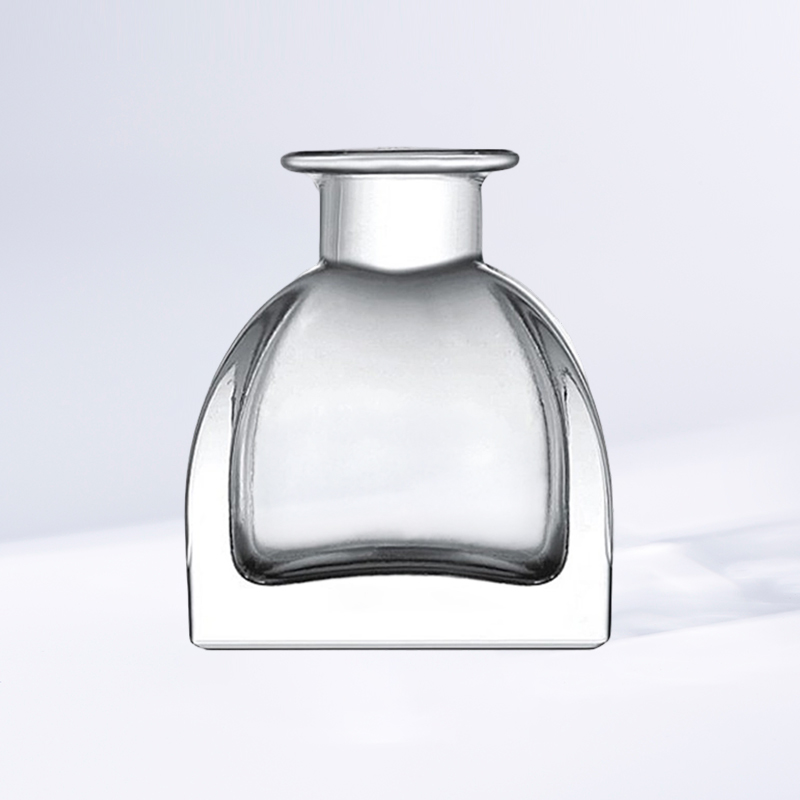
J2287 Square Aroma Diffuser Bottle 50ml. Semi-transparent glass square bottle with clean lines. Dimensions: 52.1x52.1x61mm, 143g. Ideal for reed diffusers in the home or office. Displays liquid color ...
See Details -
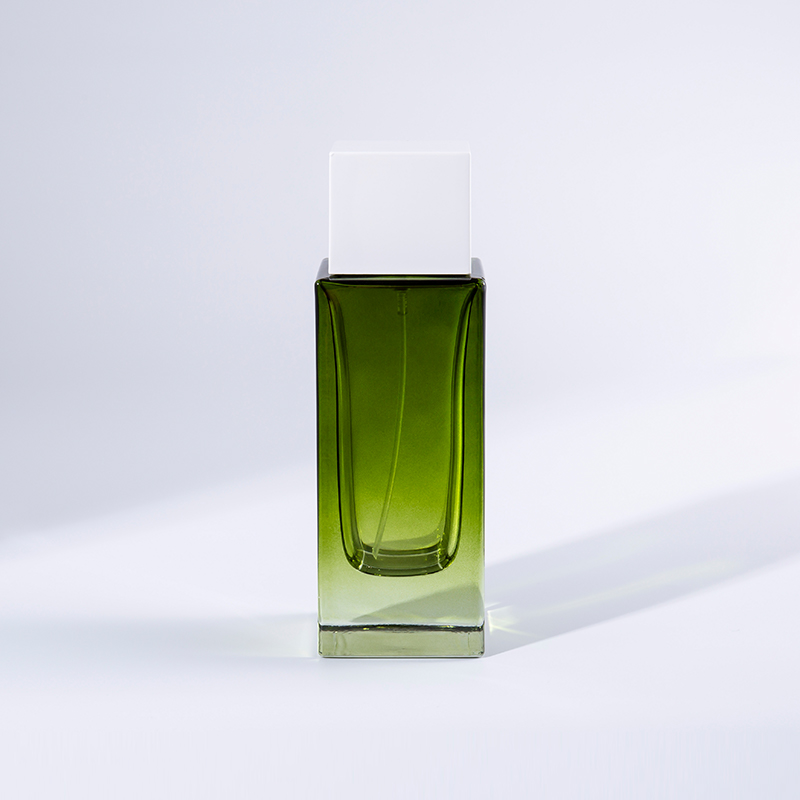
J2943 Crimp Perfume Bottle 80ml. Glass bottle with crimp neck for an airtight seal with spray pump. 80ml capacity. Ideal for commercial perfumes, eau de toilette. Transparent glass showcases liquid co...
See Details -
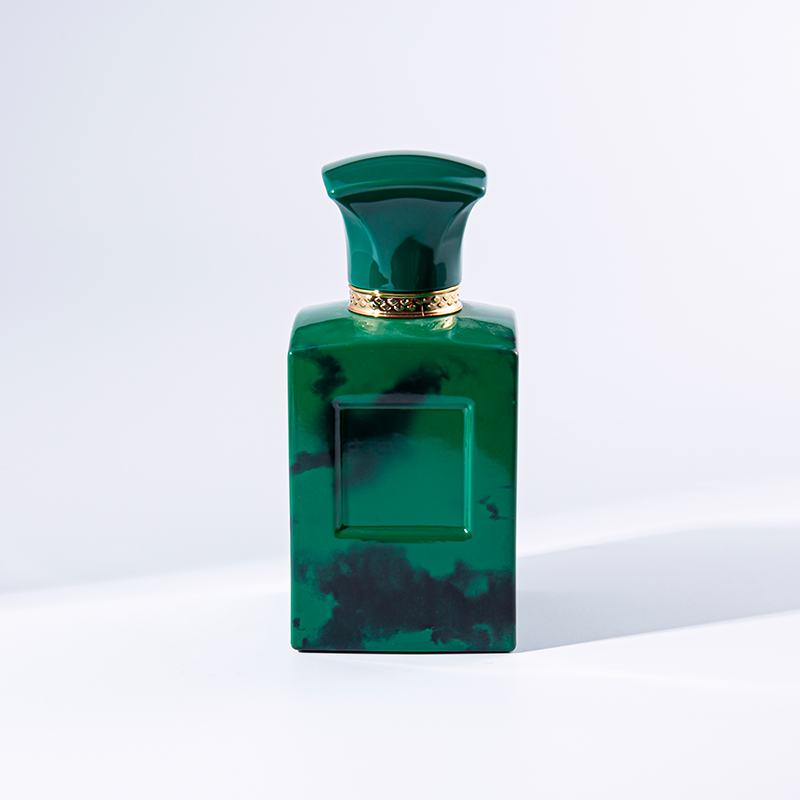
W316 Crimp Perfume Bottle 100ml. Chemically inert glass body, crimp neck for mechanical interlock with spray pump. 100ml capacity. Preserves fragrance integrity. High optical clarity. Compatible with ...
See Details
Contact Info.
-
Tel.
+86 153 7158 1688 (Simon)
+86 181 3693 6668 (Mary)
+86 139 5117 2783 (Junwei Hua) -
Email
zl@jl-bl.cn (Simon)
mary@jl-bl.cn (Mary)
jwhua@jl-bl.cn (Junwei Hua) -
Address
Hongqiao Town, Taixing City, Taizhou City, Jiangsu Province, China
- Media
Leave Us for Quote
Copyright © Taixing Jili Glass Products Co., Ltd. All Rights Reserved. Custom Cosmetic Glass Packaging, Luxury Perfume Glass Bottle Manufacturer
