
 ENG
 English
 русский
 Français
 Español
 عربى
 Türk
প্রস্তাবিত পণ্য
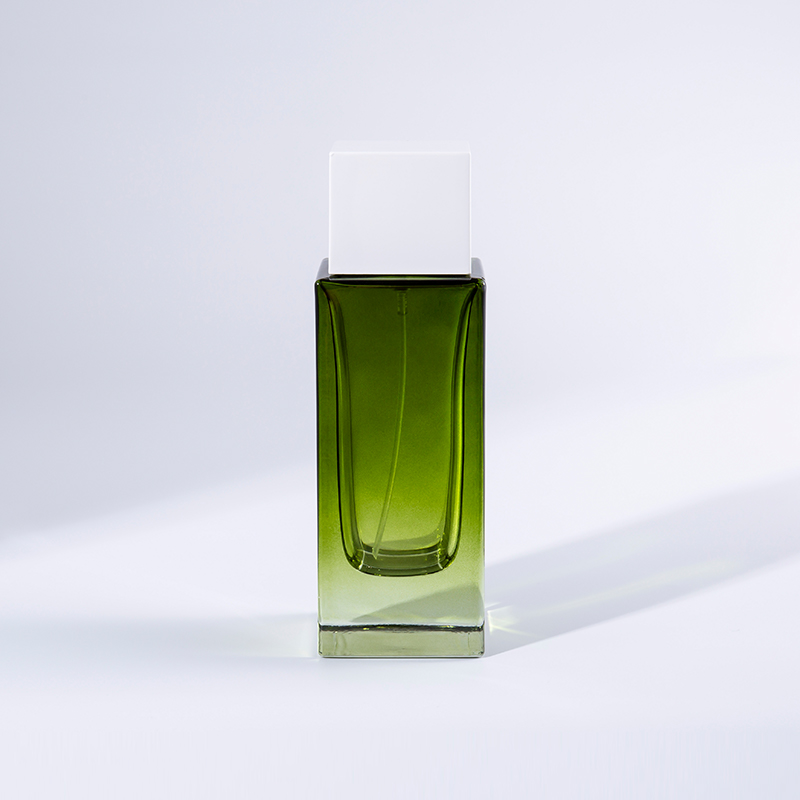
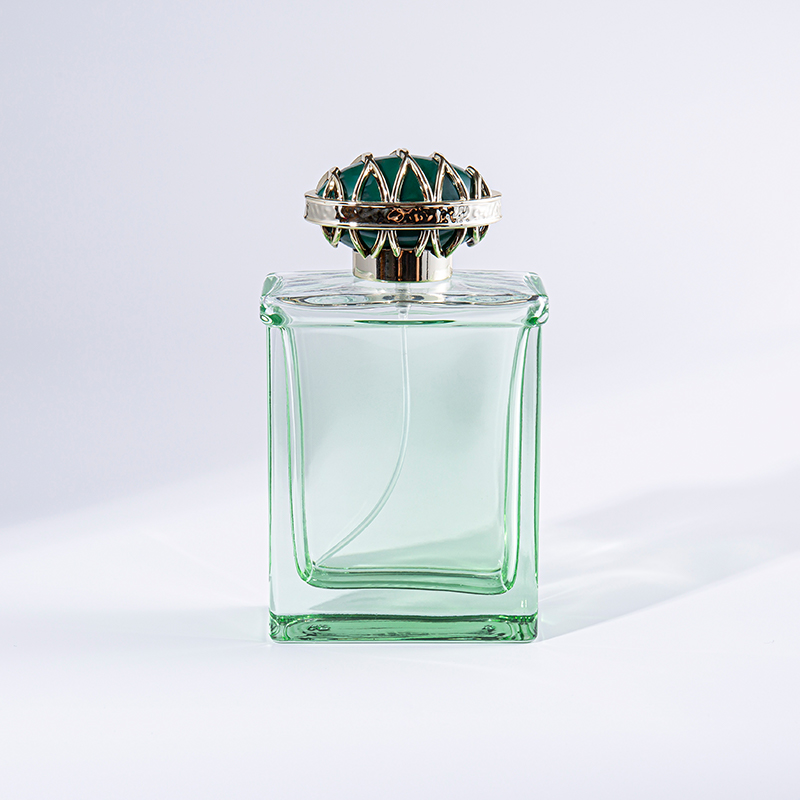
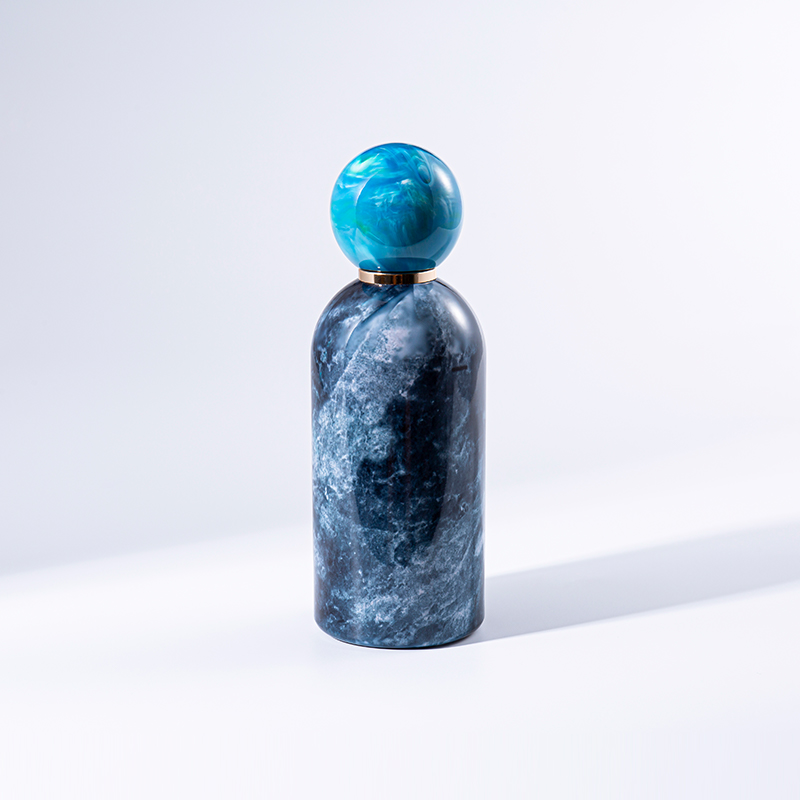
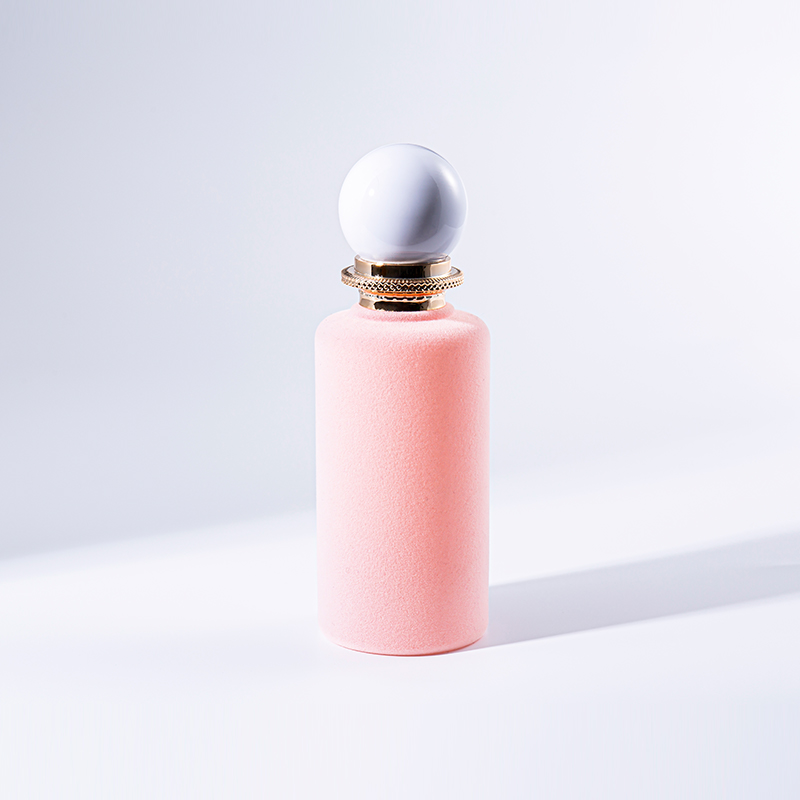
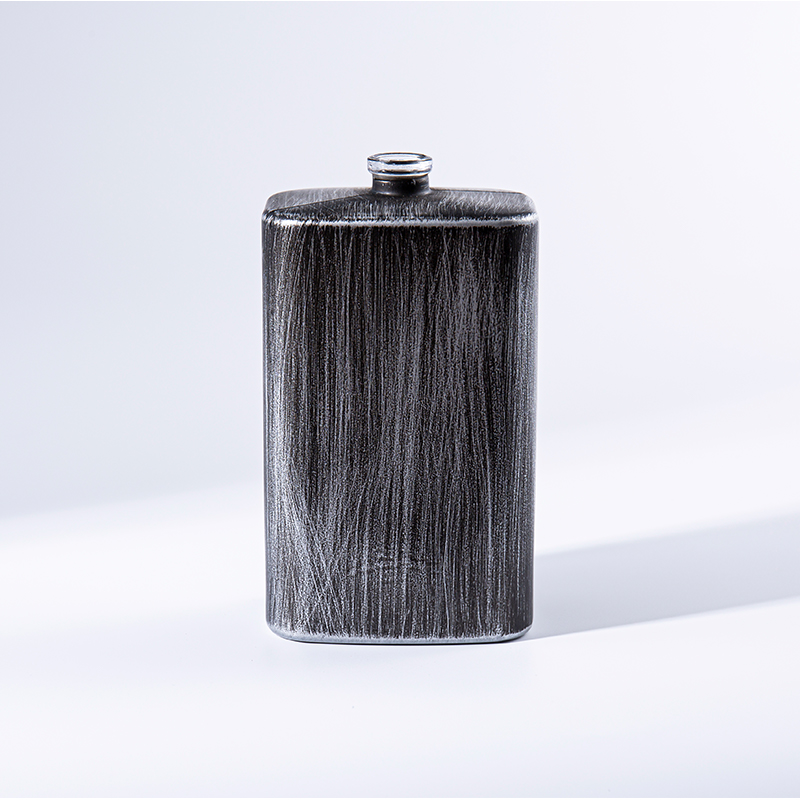
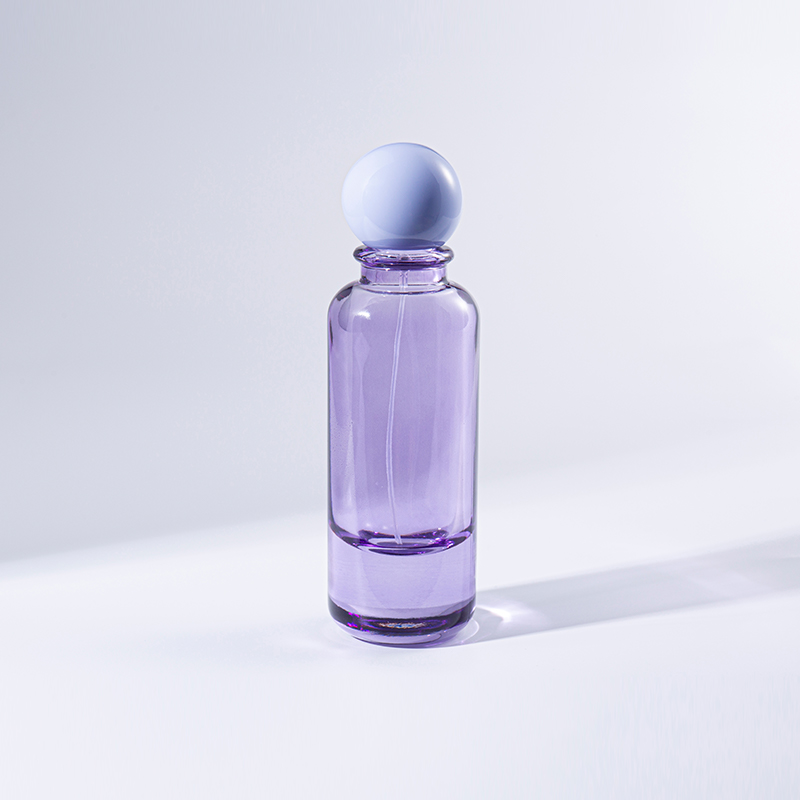
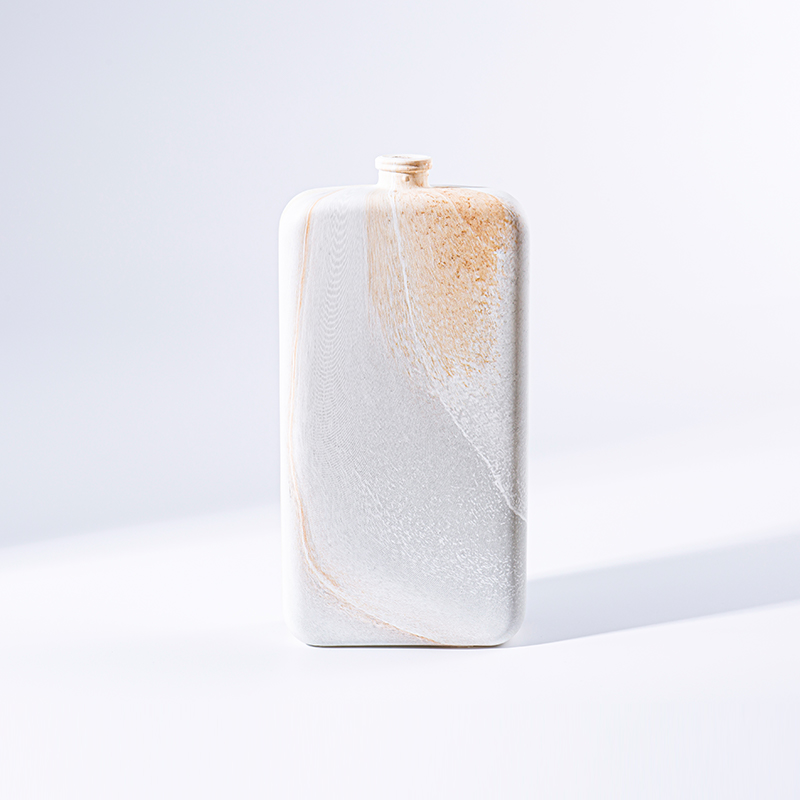
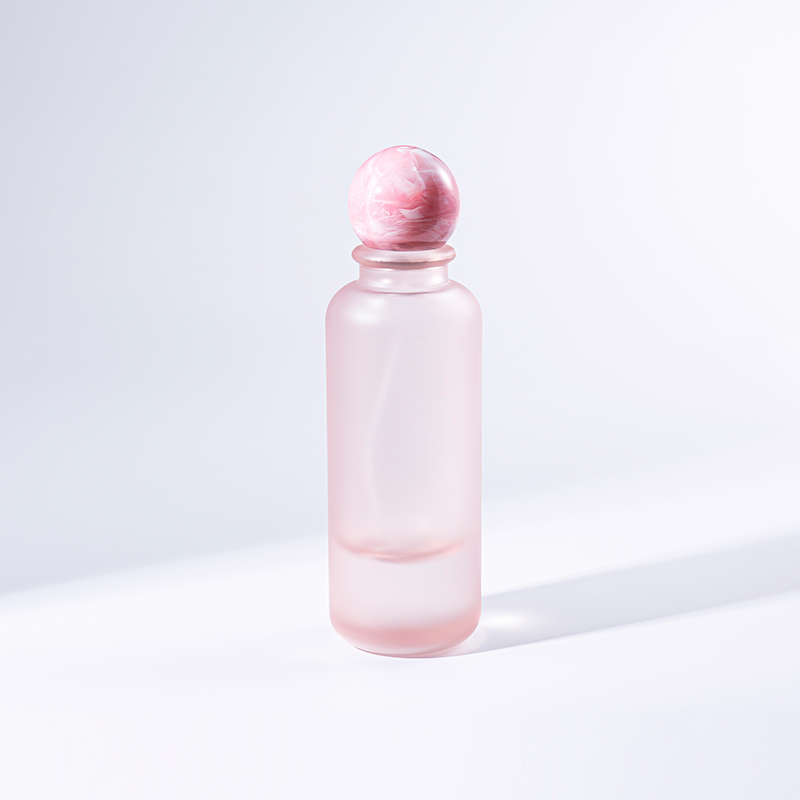
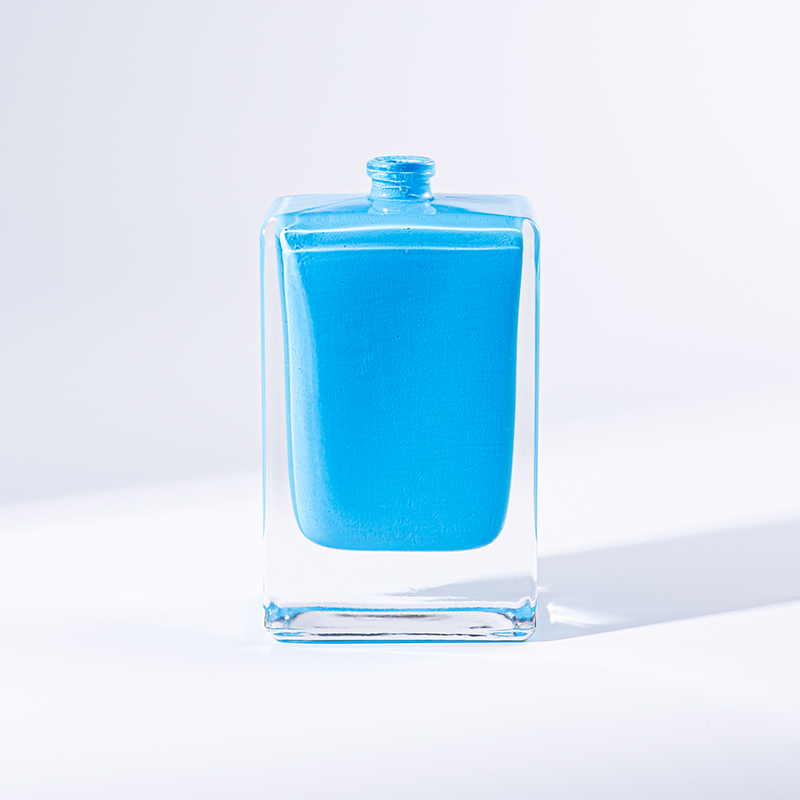
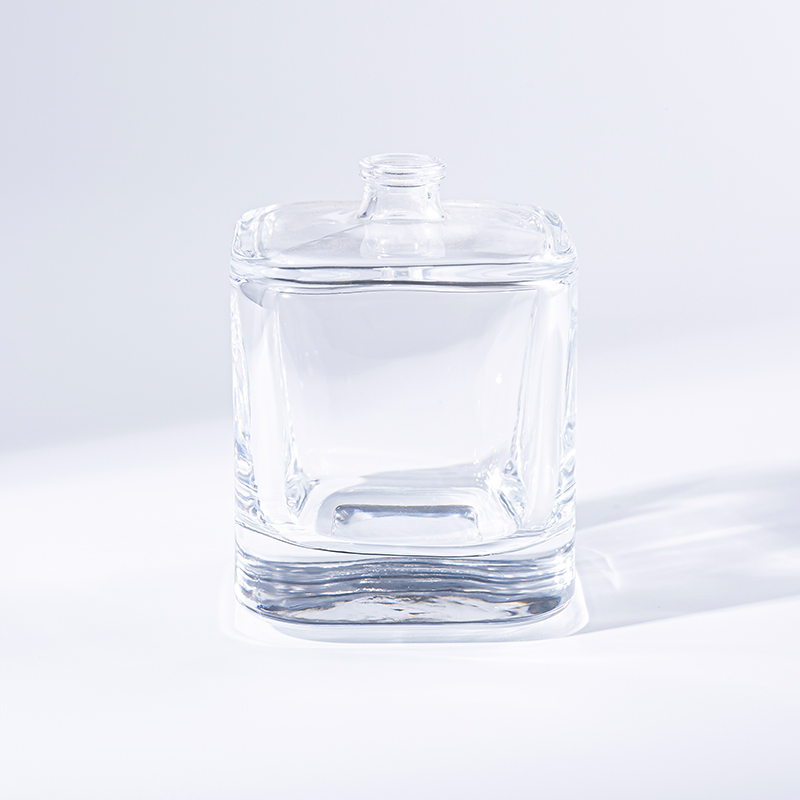
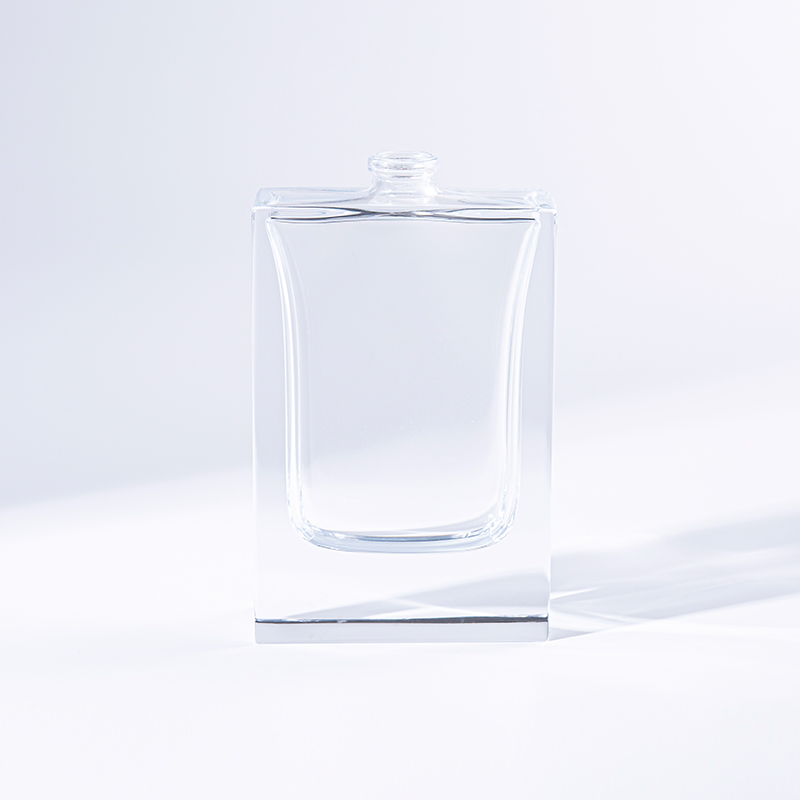
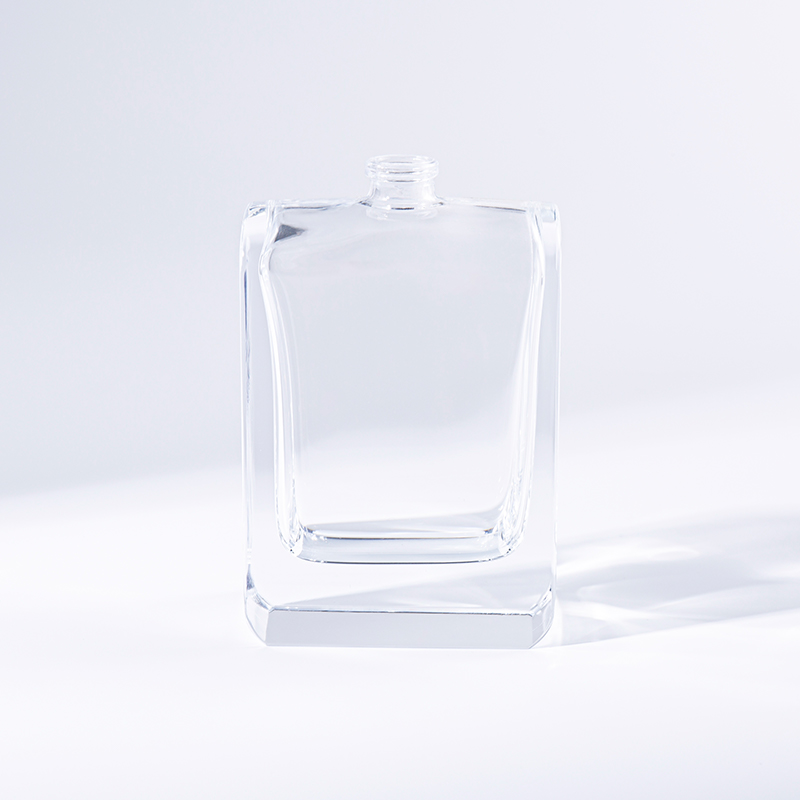
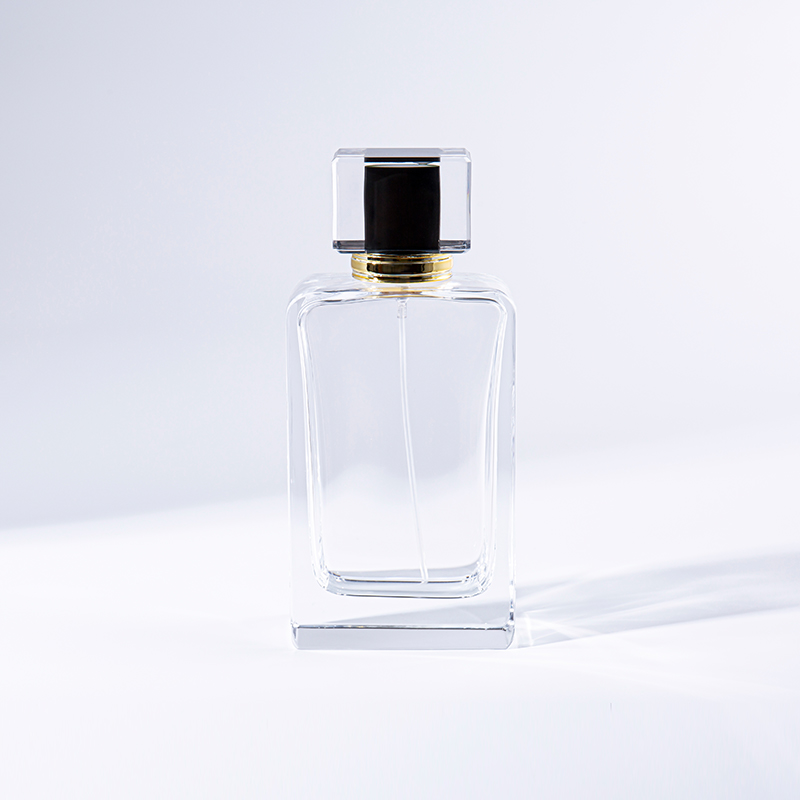
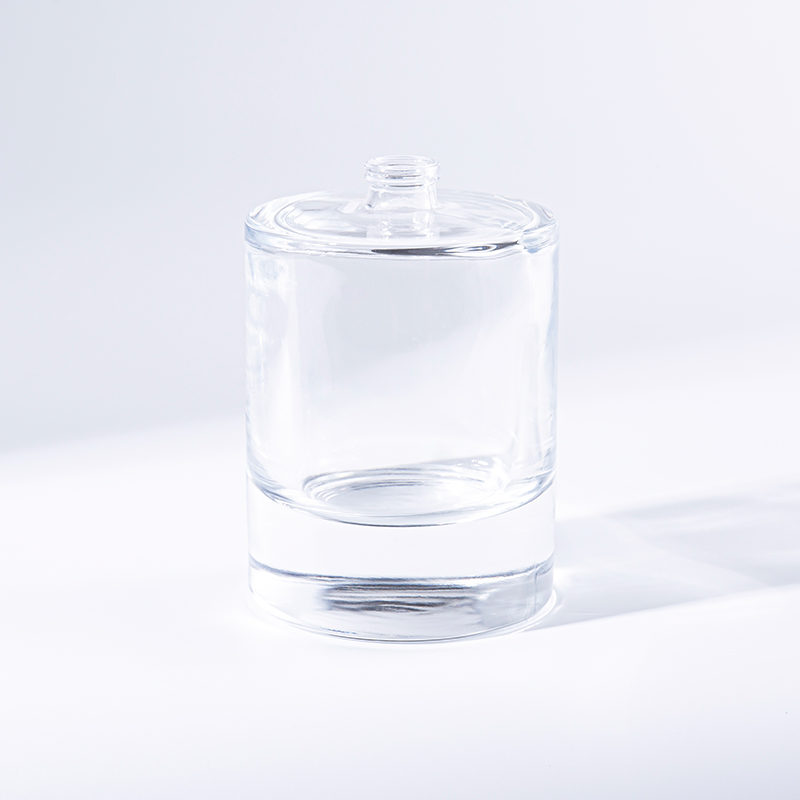
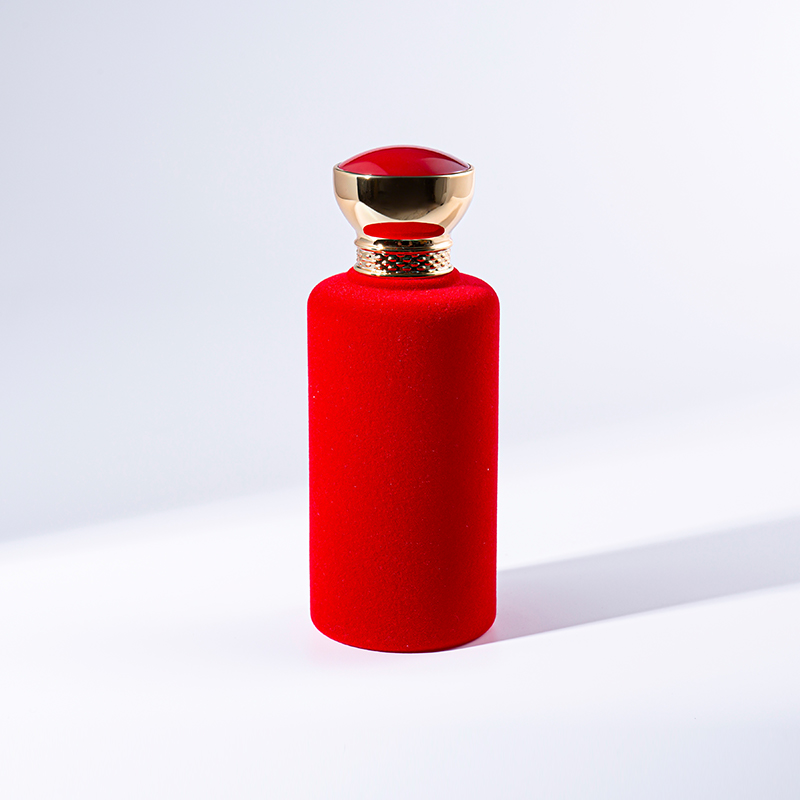
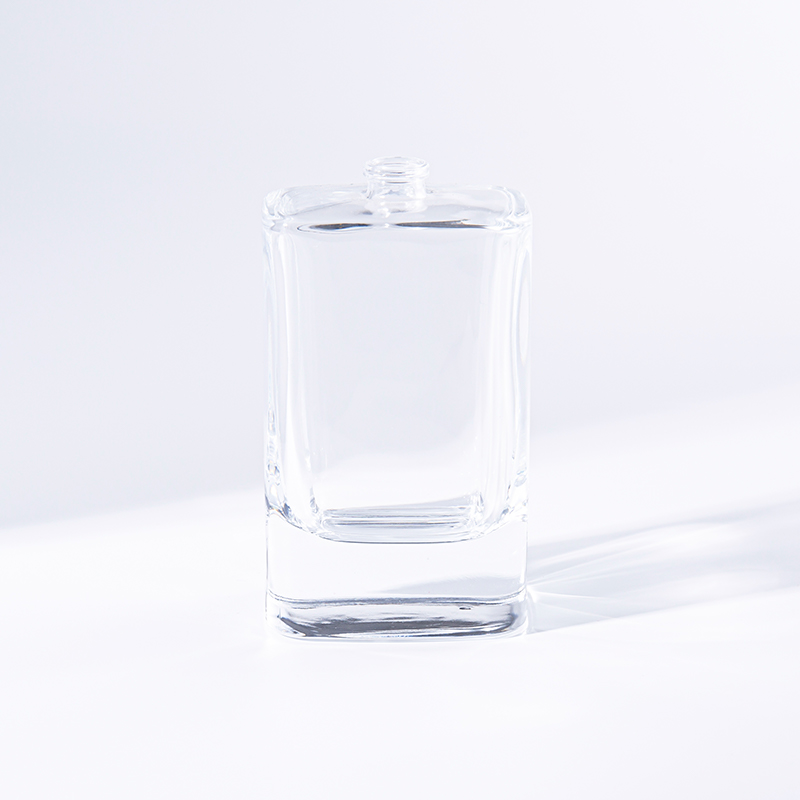
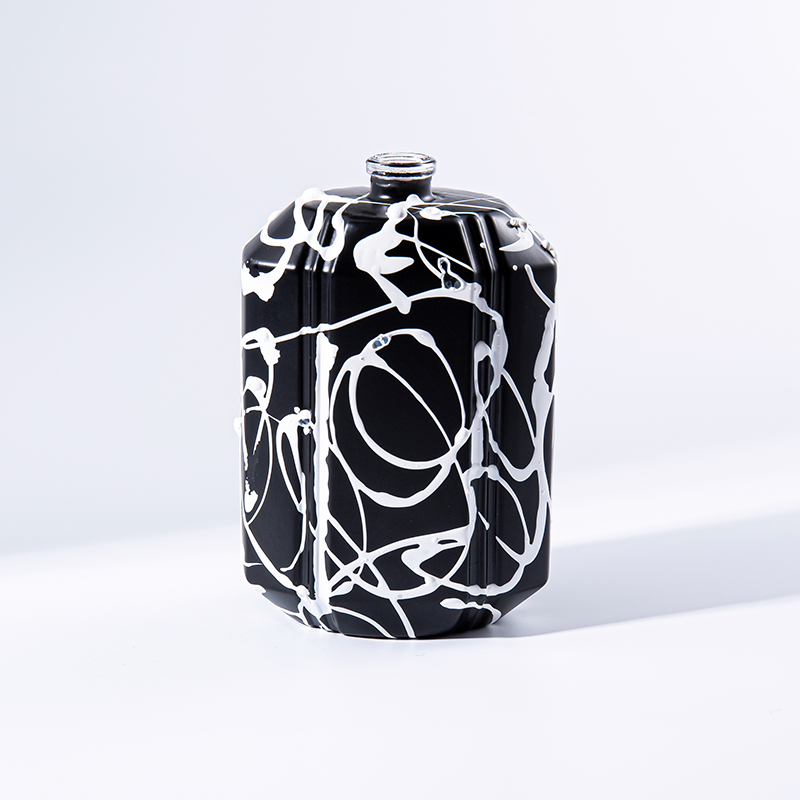
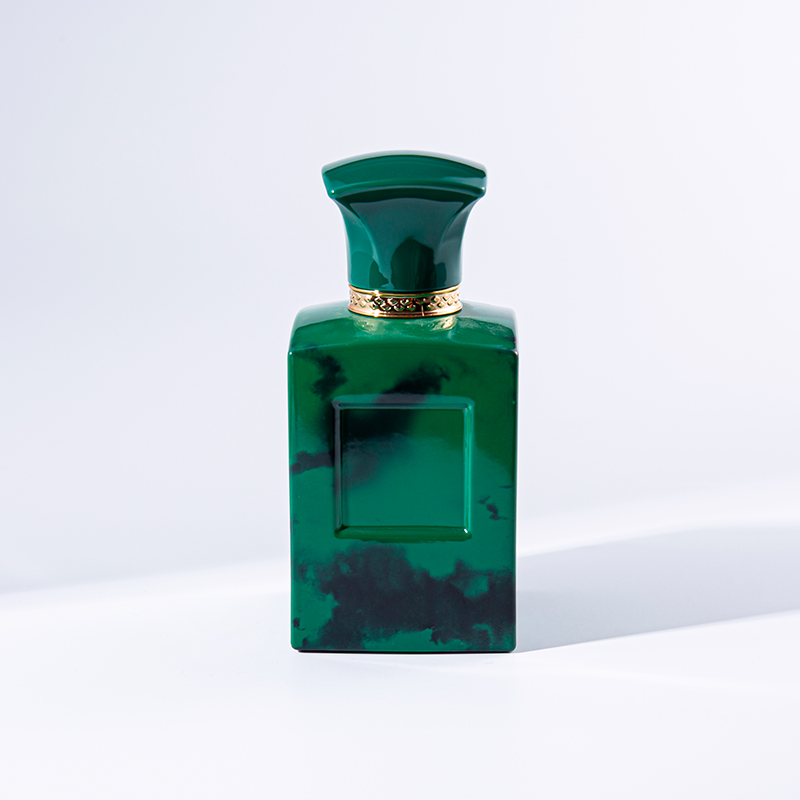
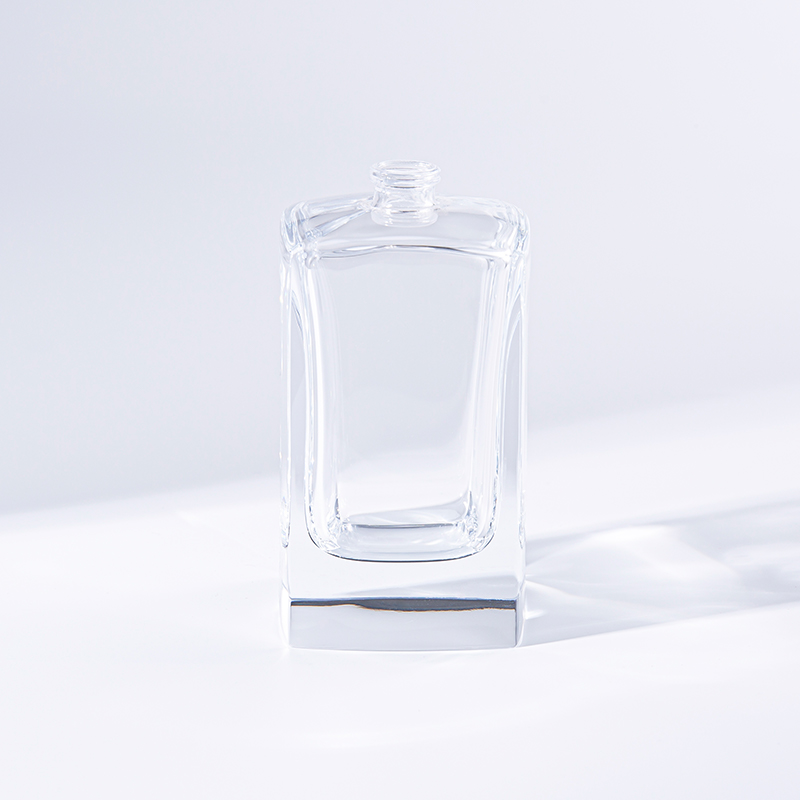
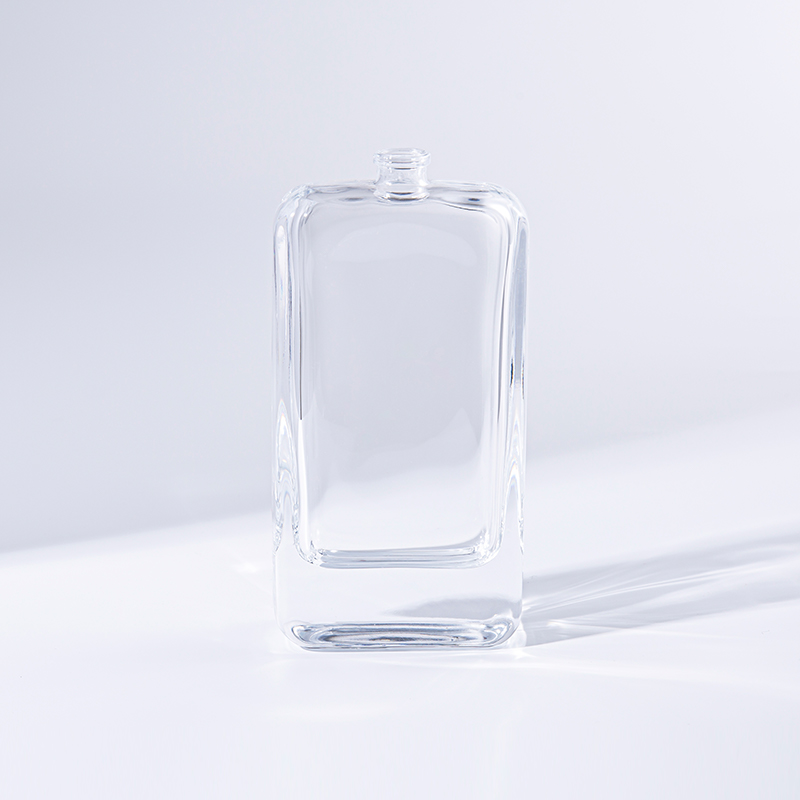
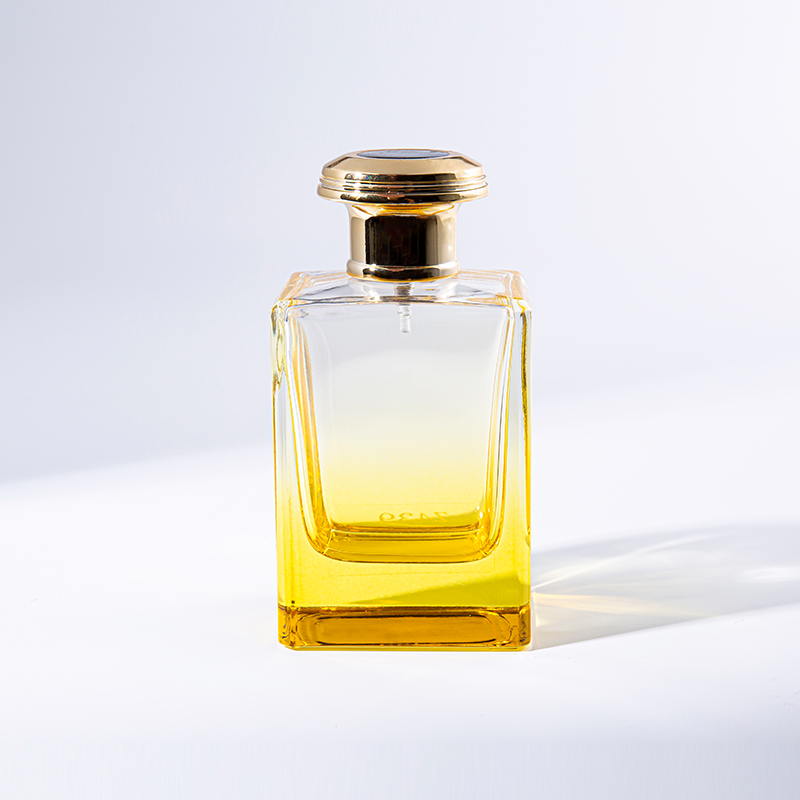
Colored Glass Perfume Bottles Color-led fragrance packaging that combines glass functionality with distinctive brand presentation
Colored Glass Perfume Bottles for Distinctive Fragrance Packaging
Colored glass perfume bottles are fragrance packaging that combines glass functionality with color-led brand presentation. Glass color can help differentiate fragrance collections, coordinate with brand identity, and create a consistent retail appearance. Key purchasing considerations include color consistency, light transmission, glass quality, decoration compatibility, closure fit, and packaging protection. Jili Glass range of more than 5,000 cosmetic glass bottle varieties serves as a starting point for exploring available designs, subject to confirmation of specific colors and models.
How Glass Color Influences Bottle Appearance and Product Positioning
Transparent, Tinted, and Opaque-Looking Effects
Transparent colored glass produces a different visual effect from darker or less transparent alternatives. Bottle color and transparency affect the visibility of the fragrance inside, which should be considered when selecting a design. Glass coloration should be distinguished from surface coatings or decorative treatments when evaluating the final appearance. The actual coloring method and available finishes should be confirmed for the selected bottle rather than assuming all colors are produced in the same way.
Match Color to Fragrance Collections and Brand Identity
Color choices support different fragrance themes, seasonal collections, and product positioning. The relationship between bottle color, cap finish, logo treatment, label design, and outer packaging should be evaluated together. The selected color should be checked under different lighting conditions and against the intended retail background. A physical sample should be approved when accurate color representation is important to the finished product.
Color Consistency Across Production Batches
An approved color sample or reference standard should be established before production. The supplier color inspection arrangements and acceptable variation criteria should be confirmed. Consistency across bottles produced for the same fragrance collection should be evaluated. How color deviations will be assessed should be clarified before approving repeat orders.
Selecting the Right Colored Glass Perfume Bottle
Bottle Shape, Capacity, and Dimensions
Available bottle silhouettes, including square, round, oval, and other designs offered in the actual product range, should be compared. Capacity and proportions should be matched to the intended fragrance format and retail packaging. Bottle height, width, depth, base stability, and neck dimensions should be verified before finalizing artwork or cartons. The selected model should fit the planned filling, assembly, storage, and shipping arrangements.
Glass Appearance and Surface Quality
Glass clarity where applicable, color distribution, surface smoothness, and visible defects should be inspected. The bottle color and finish should support the intended logo, label, or decorative treatment. The actual glass specifications and quality requirements for the selected model should be confirmed. Samples should be requested when color accuracy and appearance are central to product approval.
Closure and Dispensing Compatibility
The bottle neck finish must match the selected spray pump and cap. Component fit, spray operation, closure security, and leakage resistance should be checked. Material compatibility with the intended fragrance formulation should be evaluated. The assembled packaging should be tested before approving a production order.
Color Customization and Packaging Coordination
Selecting or Developing the Required Color
A color reference, visual sample, or clearly defined color target should be provided when requesting a specific appearance. Which colors and coloration methods are available for the selected bottle design should be confirmed. Feasibility, minimum order requirements, additional processing costs, and sample arrangements should be confirmed directly with the supplier. The physical sample should be approved before mass production rather than relying solely on screen images.
Coordinate Color with Logos and Decorative Finishes
Logo contrast and readability against the chosen glass color should be evaluated. Available printing, surface decoration, or finishing options for the selected model should be reviewed. Artwork placement, color references, decoration durability, and production feasibility should be confirmed. The bottle, cap, spray pump, and outer packaging should create a consistent visual presentation.
Use Existing Designs Before Considering New Development
Jili Glass broad cosmetic glass bottle range can be explored to identify suitable shapes and finishes. Available models should be compared before requesting changes to bottle dimensions or color requirements. Existing mold availability and whether the requested color or finish can be applied to the chosen model should be confirmed. Additional tooling or development should be discussed only when the requirements cannot be met by an available design.
Quality Checks for Colored Glass Perfume Bottles
Appearance and Color Inspection
Production samples should be compared with the approved color reference under consistent viewing conditions. Uneven coloration, visible surface defects, scratches, and inconsistencies that affect presentation should be inspected. Acceptance criteria for color variation and appearance should be defined before production.
Functional and Compatibility Testing
The neck finish, spray pump fit, cap assembly, and dispensing performance should be verified. Appropriate leakage and fragrance compatibility testing should be conducted. Decoration and surface treatments should remain acceptable under intended handling and storage conditions.
Packaging and Transit Protection
Protective packaging should be selected according to bottle dimensions, glass characteristics, decoration, and shipping conditions. Excessive movement, contact between bottles, and abrasion during transportation should be prevented. Inner inserts, dividers, and outer cartons should be confirmed before shipment. Transit testing may be appropriate for fragile or high-value packaging configurations.
Why Consider Jili Glass for Colored Glass Perfume Bottles
1Extensive Product Selection
More than 5,000 cosmetic glass bottle varieties provide a broad range of designs to explore when selecting suitable packaging.
2Established Industry Background
Jili Glass was restructured from the former Dongtai Industrial Group, which has a 48-year history in the glass packaging industry.
3Technical Team
The company has 230 employees, with 12% holding intermediate or senior professional and technical titles, supporting development and quality control.
4Supporting Packaging Capabilities
Bottle caps, plastic spray nozzles, and further processing can be discussed according to project requirements.
5International Market Experience
The company products have reached more than 30 countries and regions and have been supplied to over 60 Chinese companies.
6Project Communication Support
These capabilities may support bottle selection, color and decoration discussions, and coordination of packaging components. The actual color range, coloration method, customization feasibility, and quality-control arrangements should be confirmed for the selected product.
Colored Glass Perfume Bottles vs. Clear Glass Perfume Bottles
| Comparison Factor | Colored Glass Perfume Bottles | Clear Glass Perfume Bottles |
| Visual presentation | Adds color directly to the packaging appearance | Highlights the fragrance natural appearance |
| Brand differentiation | Color can help distinguish products and collections | Branding may rely more on shape, labels, and decoration |
| Fragrance visibility | Depends on the color and transparency | Generally provides greater visibility of the contents |
| Color consistency | Requires defined color references and inspection criteria | Focuses more on clarity and glass appearance |
| Decoration planning | Artwork contrast must suit the selected color | Artwork can be planned around a transparent background |
| Selection priorities | Color accuracy, appearance, compatibility, and cost | Clarity, appearance, compatibility, and cost |
Buyer Selection Checklist for Colored Glass Perfume Bottles
Confirm Product and Color Requirements
Bottle capacity, shape, dimensions, and required color should be specified. Whether the desired effect requires colored glass, a surface coating, or another decorative treatment should be clarified. Available models and coloration methods should be confirmed before requesting final pricing.
Verify Samples and Quality Expectations
A physical sample should be reviewed for color accuracy, surface quality, and overall appearance. The bottle neck finish, spray pump, cap, and intended fragrance compatibility should be confirmed. Written color and appearance standards should be established for production and repeat orders.
Review Total Cost and Delivery Requirements
A quotation covering the bottle, components, decoration, packaging, and any applicable tooling or processing costs should be requested. Sample costs, minimum order quantity, lead time, and shipping arrangements should be confirmed directly with the supplier. Protective packaging should be verified and inspection criteria agreed before production approval.
Frequently Asked Questions About Colored Glass Perfume Bottles
Can colored glass perfume bottles be produced in a specific brand color?
Availability depends on the selected bottle design, coloration method, and production feasibility. Buyers should provide a color reference and request a physical sample for approval. Any additional costs or order requirements should be confirmed before production.
Does colored glass protect perfume from light?
Light transmission depends on the glass color, transparency, thickness, and other design characteristics. Color alone does not establish a specific level of UV protection. If light protection is important, relevant technical information and test data should be requested for the selected bottle.
How can buyers maintain consistent bottle colors across repeat orders?
An approved physical sample or color reference should be established, acceptable variation defined, and the supplier inspection procedures confirmed. The approved specifications should be kept for repeat orders, and production samples should be reviewed before approving shipment when color consistency is critical.