 ENG
 English
 русский
 Français
 Español
 عربى
 Türk
প্রস্তাবিত পণ্য
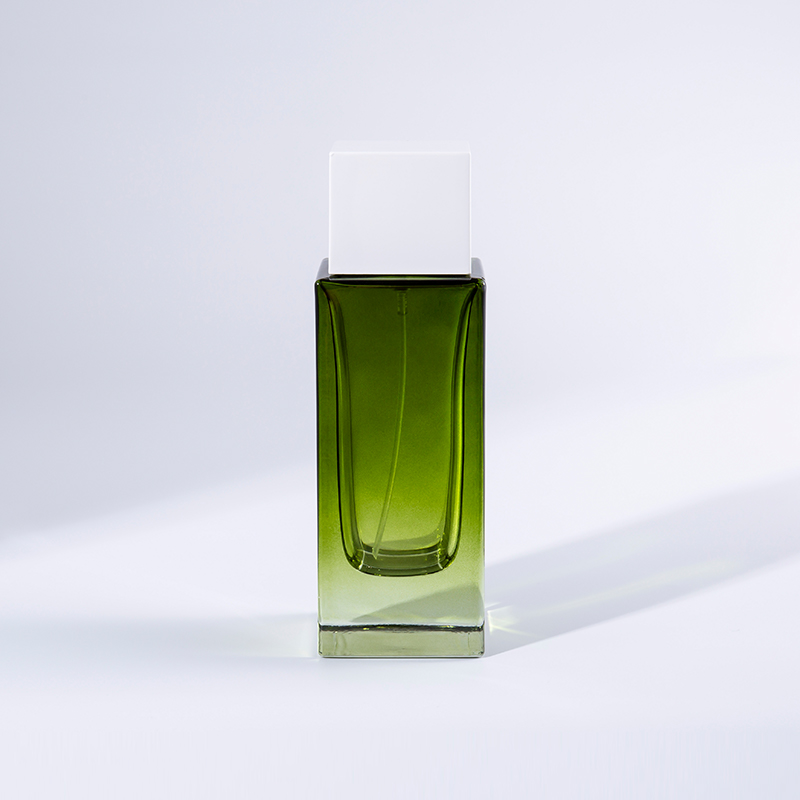
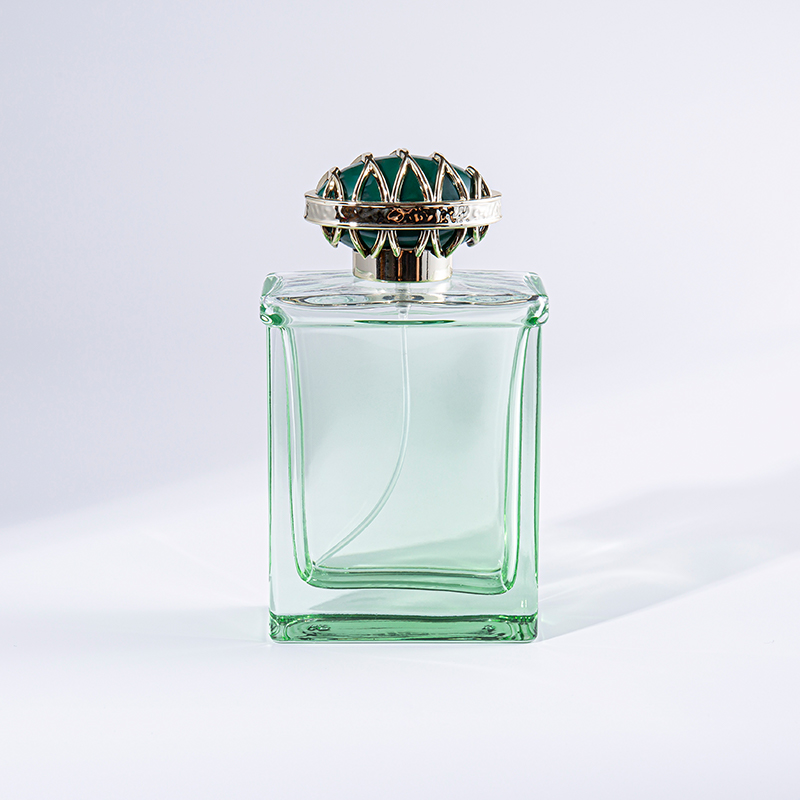
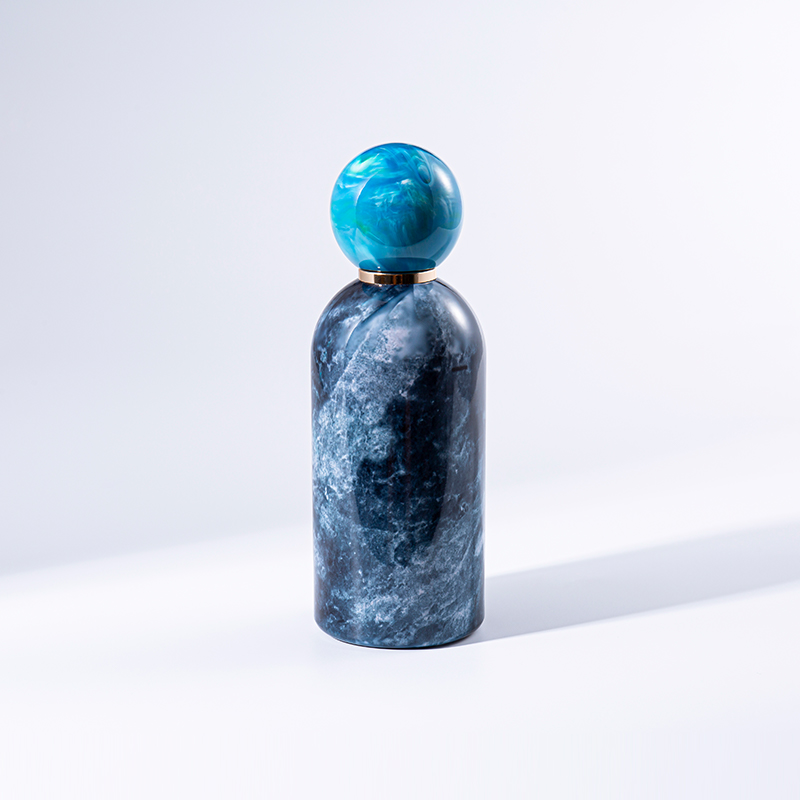
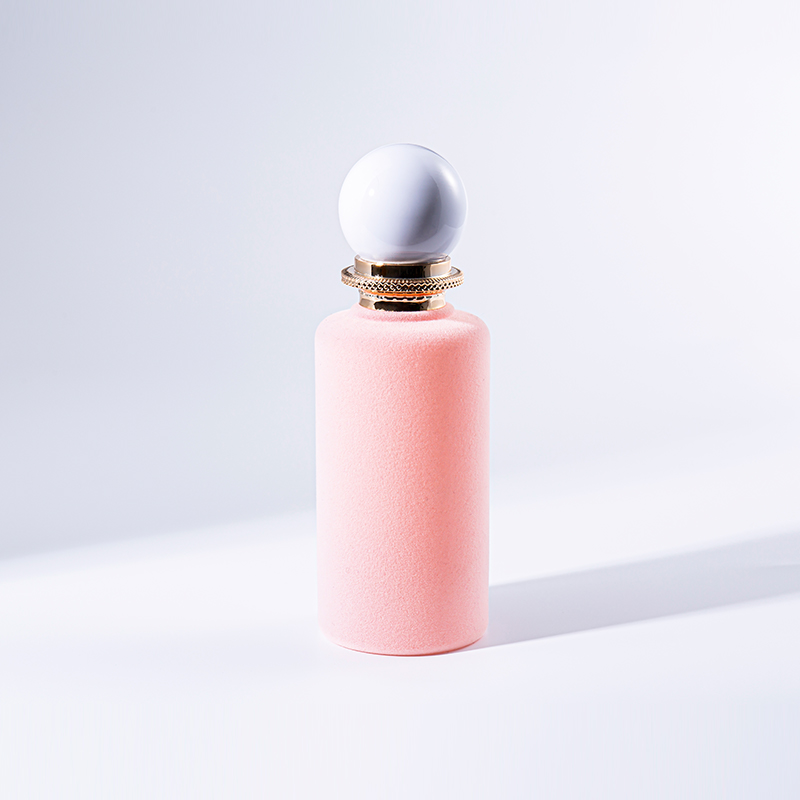
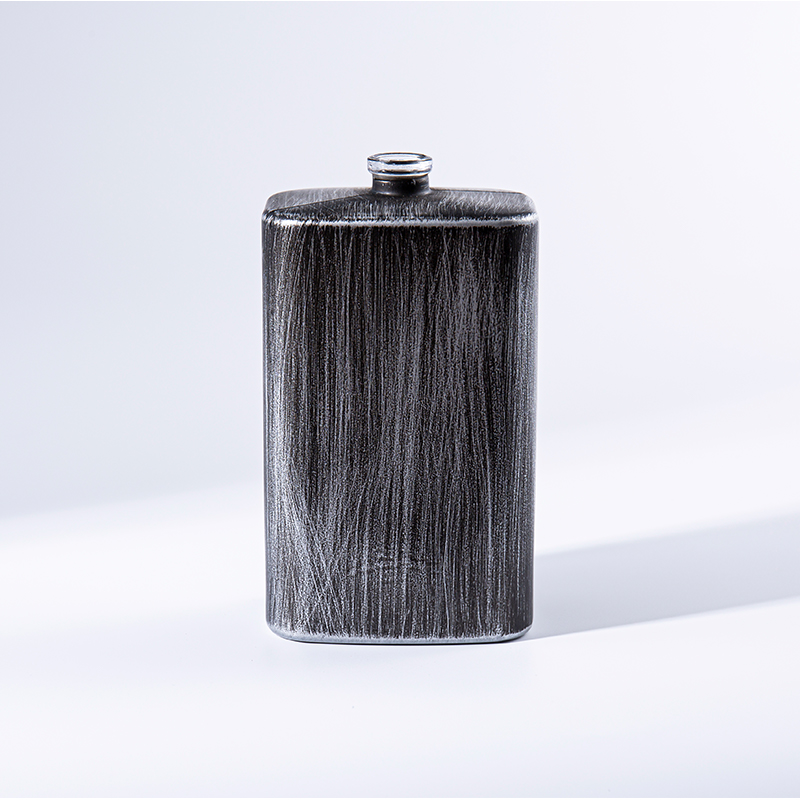
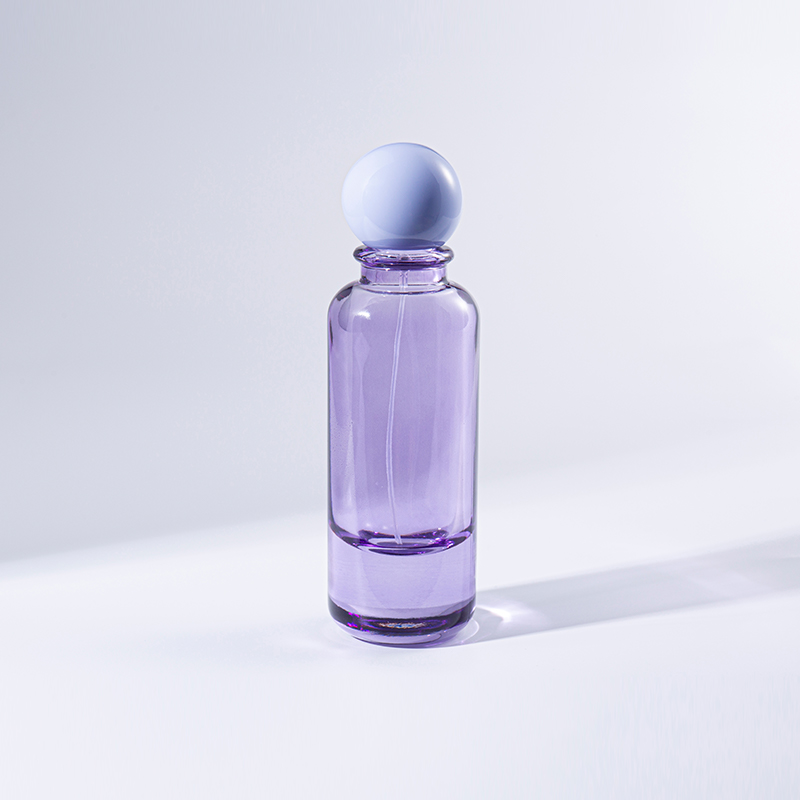
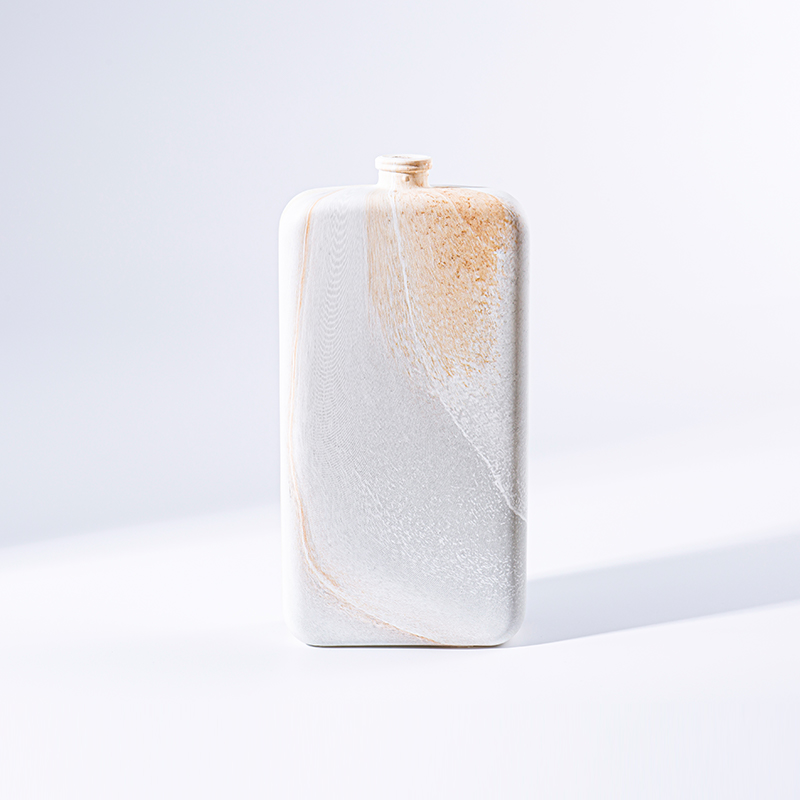
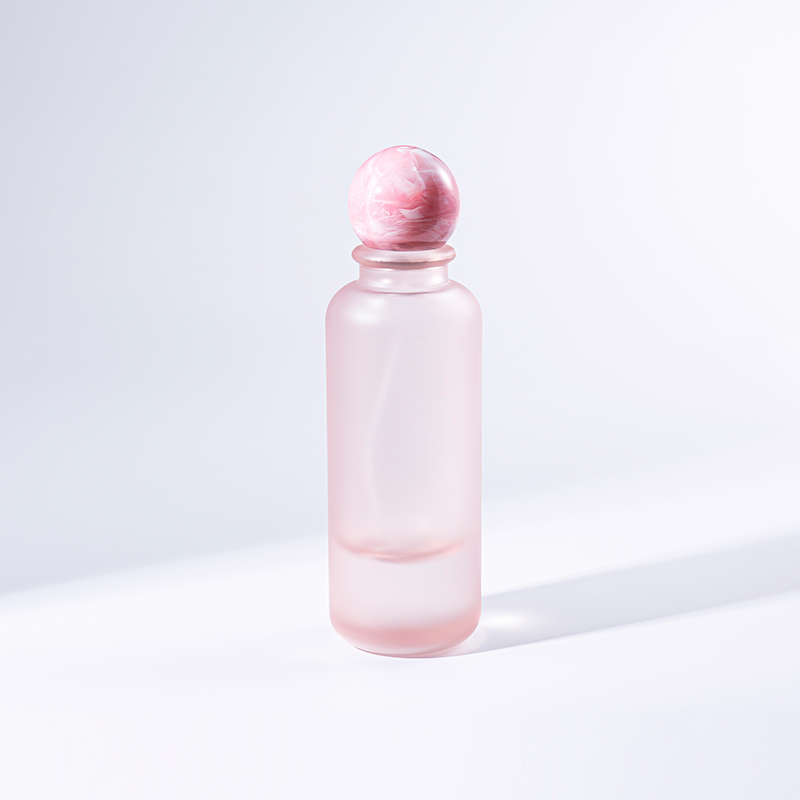
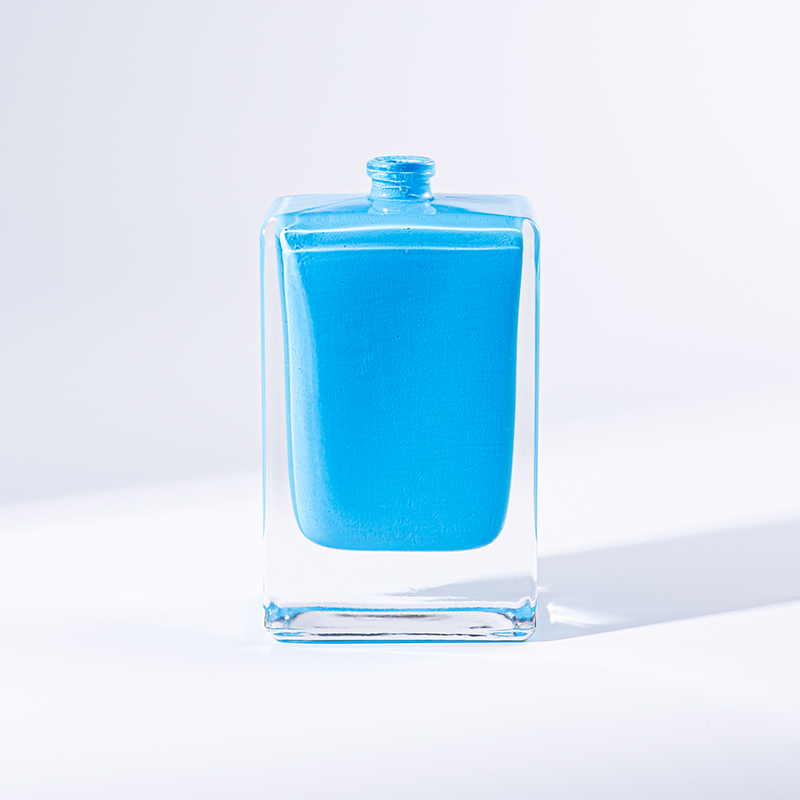
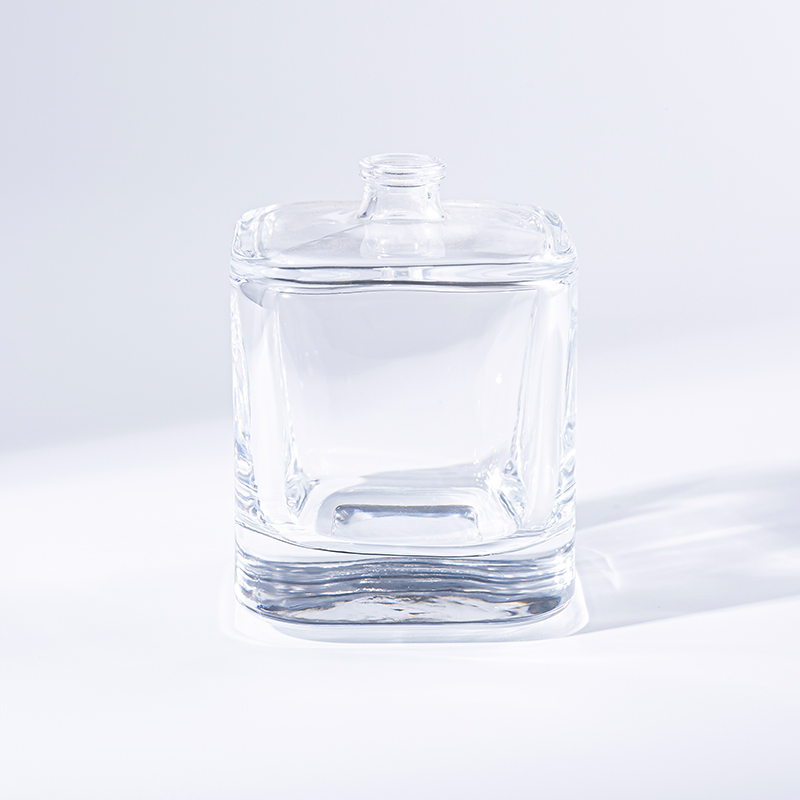
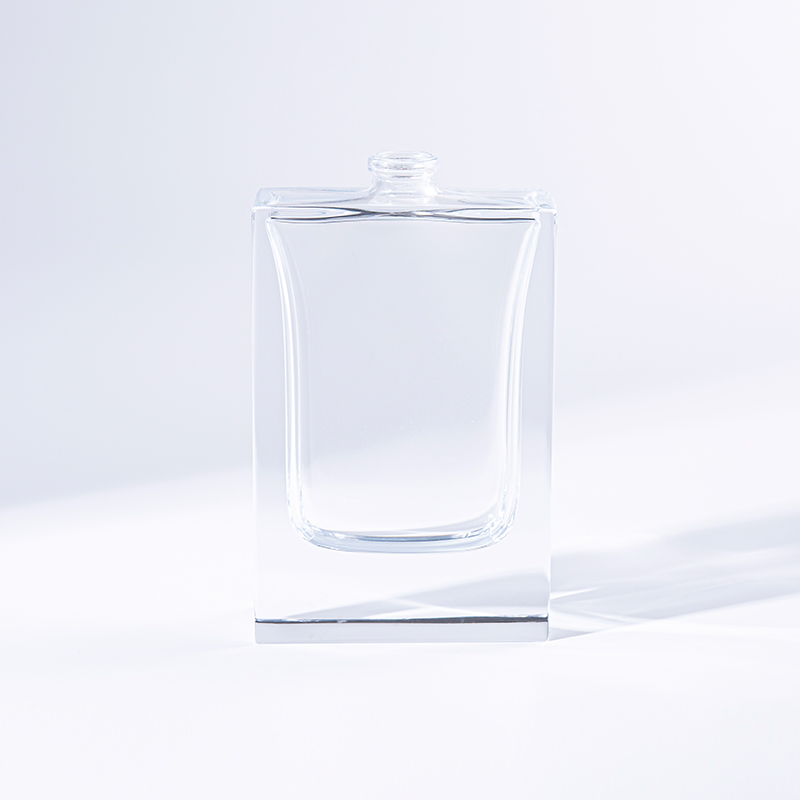
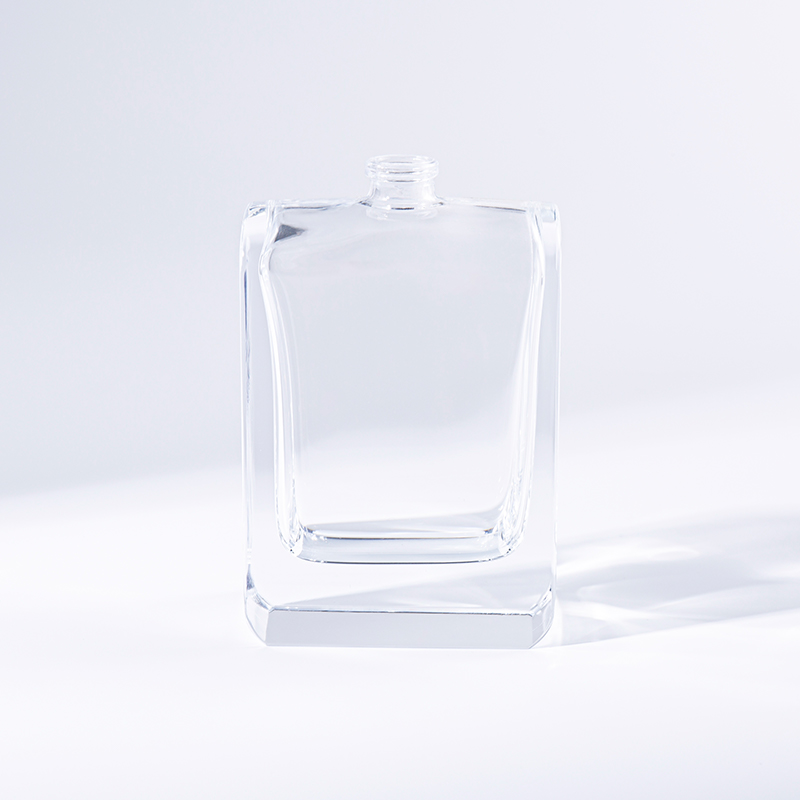
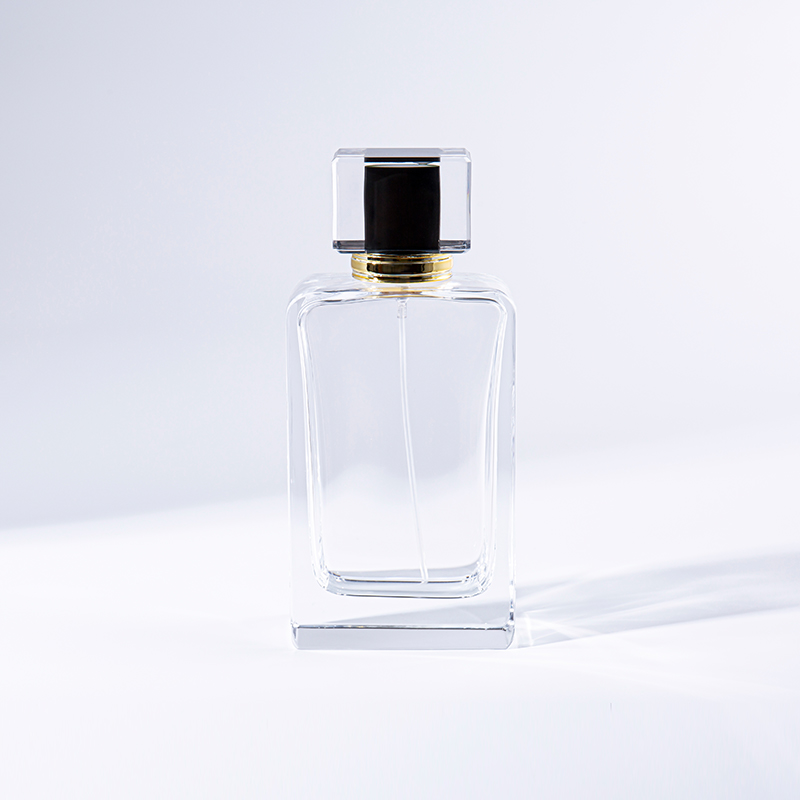
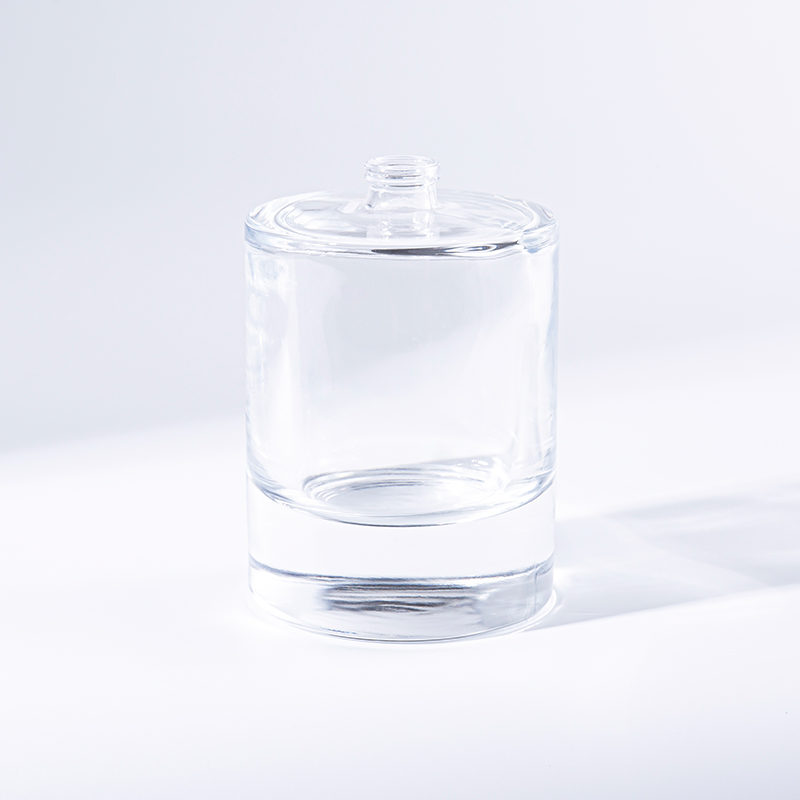
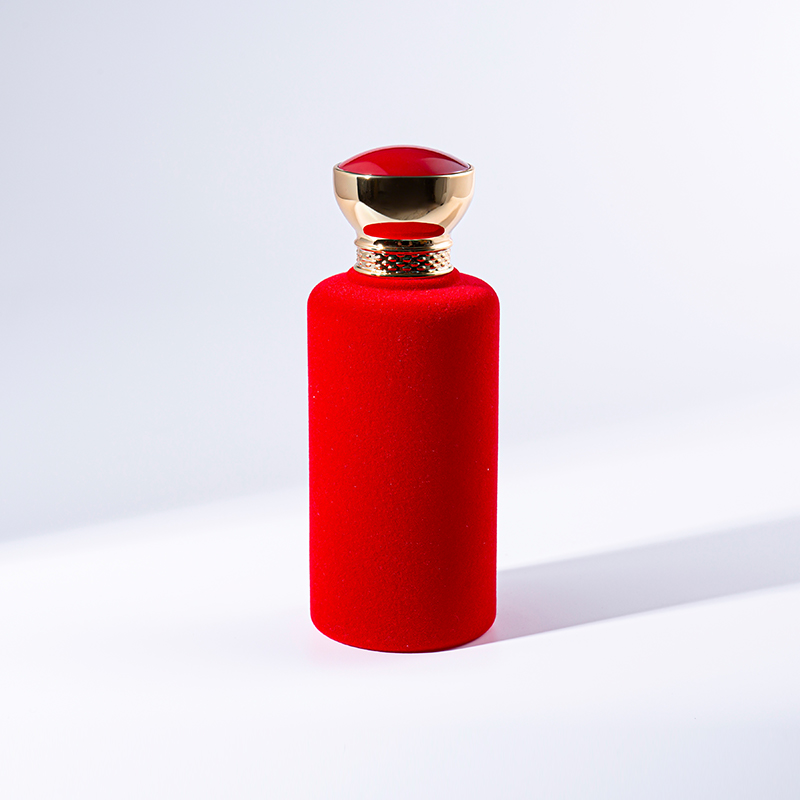
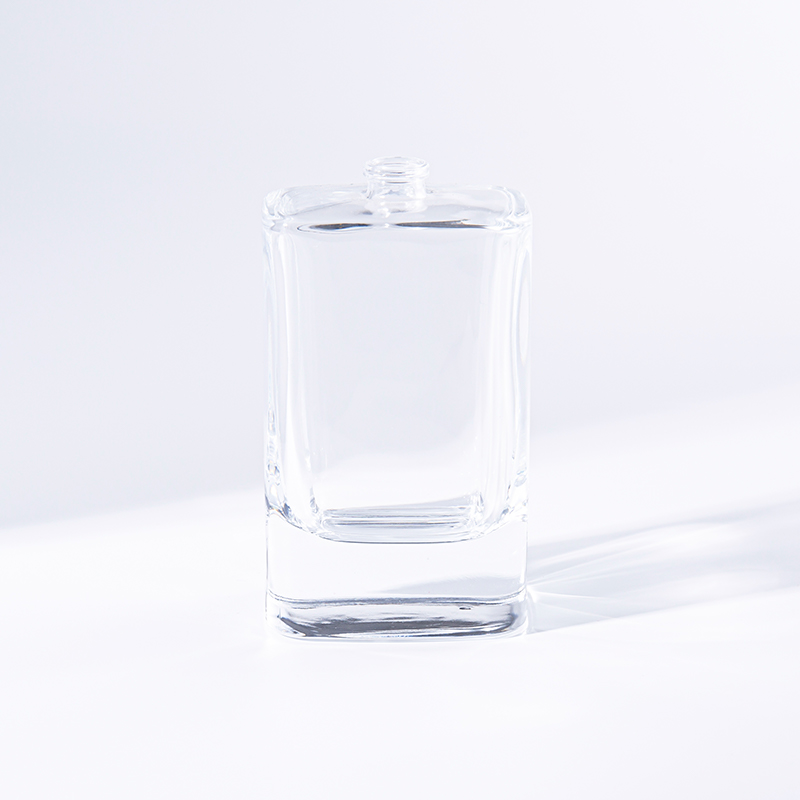
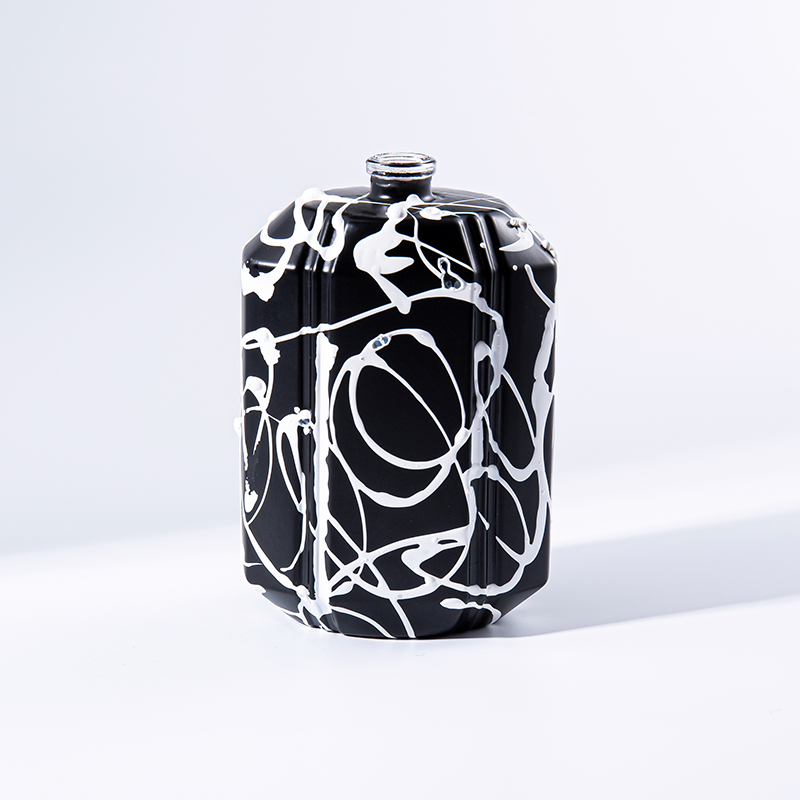
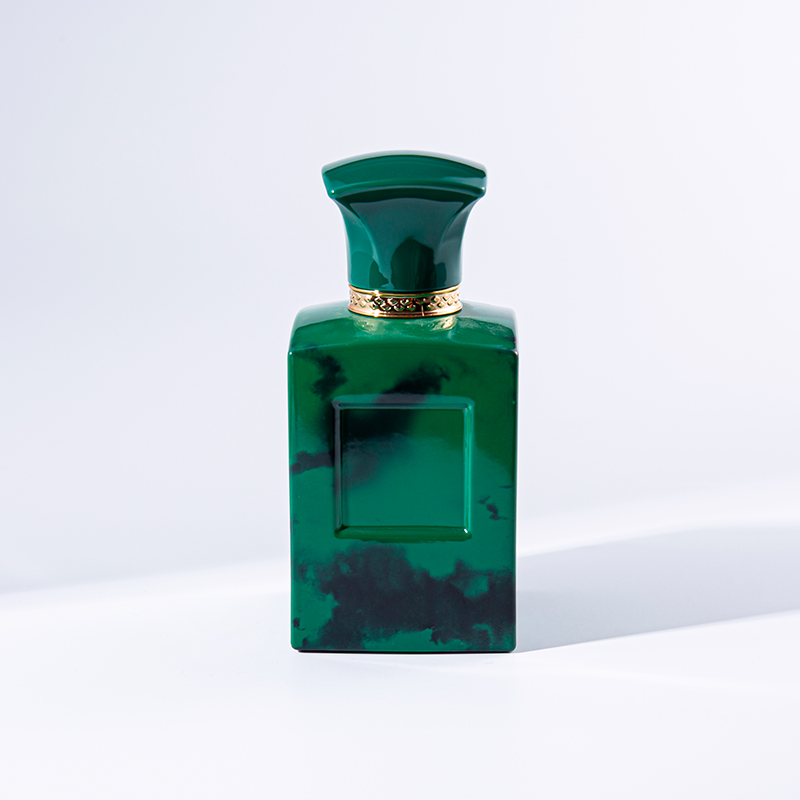
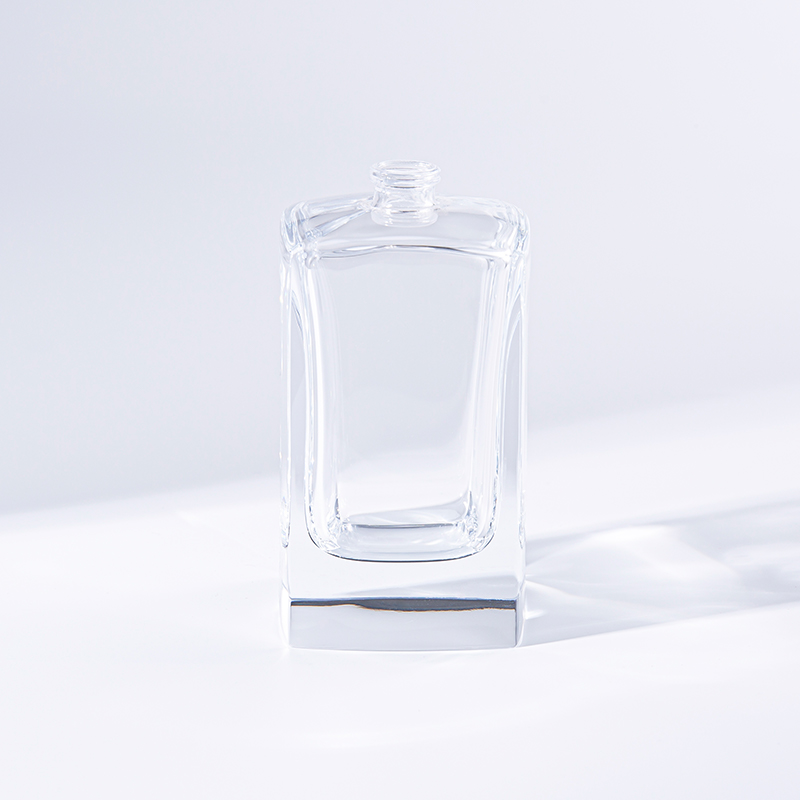
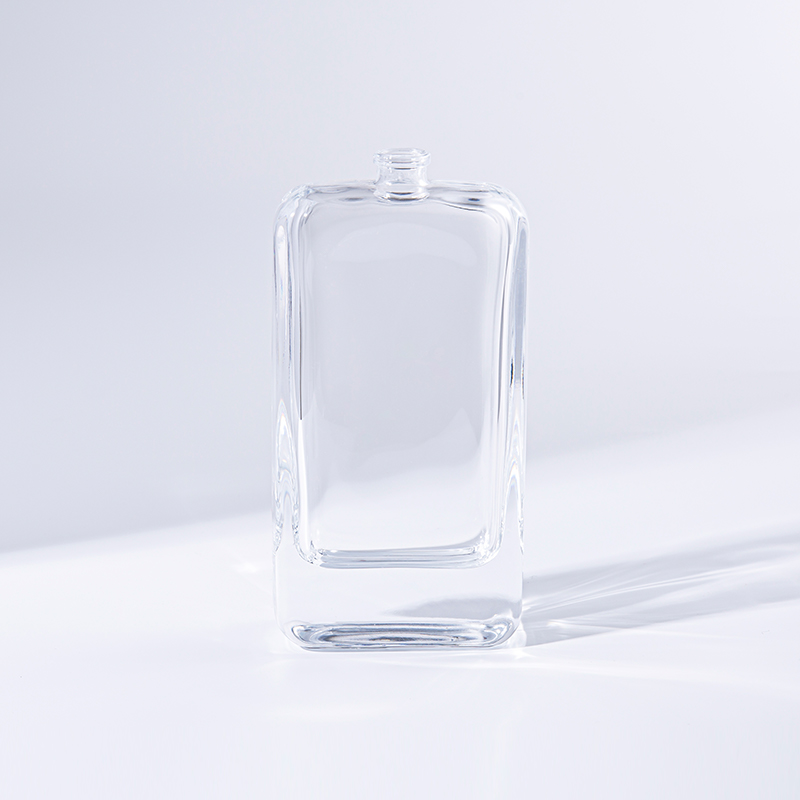
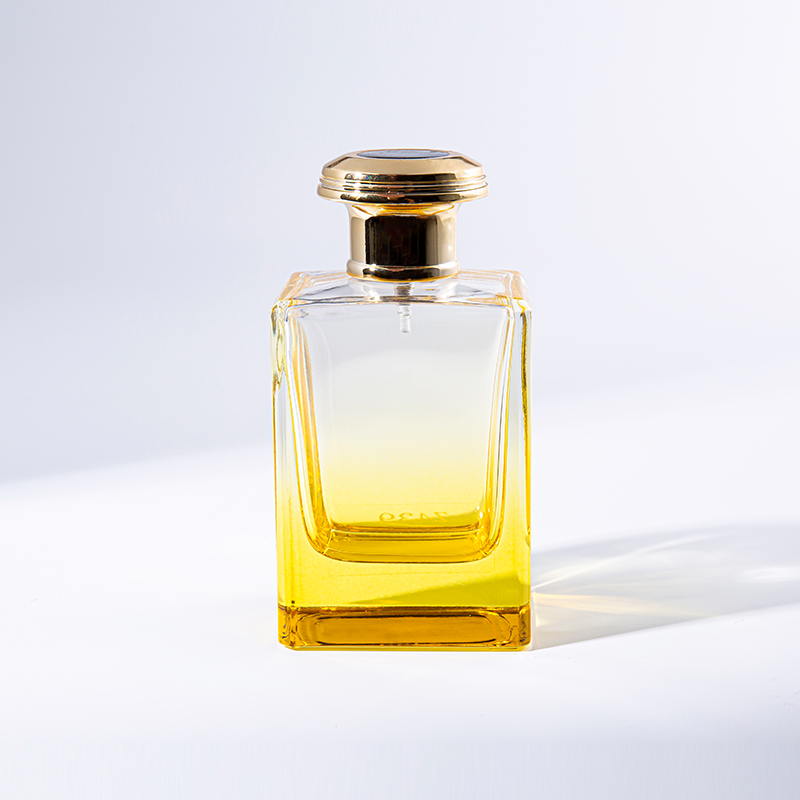
Fire Polished Glass Bottles Controlled heat-based surface finishing for premium glass packaging
Heat Finishing ProcessProduct Introduction
Fire polished glass bottles are glass containers whose specified surfaces or edges are finished using a controlled heating process to soften the glass surface and improve its smoothness. The suitability of fire polishing depends on the bottle glass composition, geometry, thickness, and intended finish. The process can smooth suitable glass surfaces and affect their appearance, but it does not automatically increase glass strength, eliminate all defects, or make every glass bottle suitable for this process.
- Product definition: Fire polishing is a controlled heat-based process used to smooth suitable glass surfaces and edges.
- Surface characteristics: Controlled heating can soften and smooth suitable glass surfaces, affecting gloss and light reflection.
- Bottle design: Bottle shape, edge geometry, and base structure all influence the feasibility of fire polishing.
- Packaging applications: Suitable for perfume and cosmetic packaging where the selected bottle design and finishing process are appropriate.
- Purchasing considerations: Surface appearance, dimensional consistency, finishing requirements, and inspection criteria are key factors.
- Jili Glass capabilities: Existing bottle designs, mold options, and customization services are available for evaluation.
Key Advantages of Fire Polished Glass Bottles
Heat-Based Surface Finishing
Controlled heating softens suitable glass surfaces to produce a smoother finish. Selecting appropriate processing conditions for the glass material and bottle geometry is essential for achieving the desired result. The achievable finish depends on the product design and process parameters, so each bottle model should be evaluated individually.
Surface Appearance and Light Reflection
Surface smoothing can affect gloss and light reflection, enhancing the visual presentation of fragrance packaging. The relationship between polished edges, bottle contours, and packaging presentation should be considered during design. Surface appearance should be distinguished from other properties such as transparency, scratch resistance, and mechanical strength.
Compatibility With Bottle Geometry
Bottle edges, corners, bases, and surface contours all influence the feasibility of fire polishing. Complex bottle shapes may require process evaluation and sample testing before production. The proposed finishing method should be confirmed for the specific bottle model to ensure successful results.
Integration With Decorative Finishes
Fire polishing may be considered alongside glass color, frosting, spray coating, screen printing, and other applicable decorative processes. Evaluating process compatibility and sequence is important for achieving the desired final appearance. Confirming the finished appearance through samples before production supports a smooth project outcome.
Appearance Consistency in Bulk Production
Defining acceptable surface conditions and appearance requirements is the foundation of consistent production. Inspection should cover gloss, visible marks, edge condition, and consistency between batches. Establishing sample approval and inspection criteria before bulk production helps maintain quality standards.
Product Features and Specifications
| Product Type | Fire Polished Glass Bottles |
| Bottle Material | Glass; confirm the specific material for the selected model |
| Finishing Method | Controlled heat-based surface finishing |
| Bottle Shape | According to the selected model or approved design |
| Bottle Capacity | Confirm according to product specifications |
| Bottle Dimensions | Height, width, and other dimensions according to the selected model |
| Glass Thickness | Confirm according to product specifications |
| Finished Areas | Specify the surfaces or edges intended for fire polishing |
| Surface Appearance | Define the required gloss, smoothness, and visible finish |
| Glass Color | Confirm available options |
| Additional Decoration | Subject to design and process compatibility |
| Packaging | Confirm protective packaging and transportation requirements |
Fire Polishing Process
Fire polishing uses controlled heating to soften and smooth suitable glass surfaces. The glass composition, heating conditions, and bottle geometry all affect the process outcome. Fire polishing is not the same as manual polishing or grinding, and the two methods should not be treated as interchangeable.
Bottle Geometry and Surface Requirements
Edge shape, wall thickness, and base structure must be considered when evaluating fire polishing feasibility. Maintaining the required bottle dimensions and appearance after finishing is essential. The actual processing scope should be confirmed with the production team before proceeding.
Surface Finish Inspection
The areas requiring inspection should be clearly defined. Criteria for gloss, visible surface defects, edge condition, and appearance consistency should be established. Comparing finished samples against the approved reference and agreed specifications confirms that the desired result has been achieved.
Applications of Fire Polished Glass Bottles
Fragrance
Perfume and Fragrance Packaging
A suitable polished finish can contribute to the presentation of glass perfume bottles. Bottle shape, edge finishing, light reflection, and decorative design work together to create the desired visual effect. Specific Jili Glass products should be referenced only when their published specifications confirm the use of fire polishing.
Cosmetic
Cosmetic Glass Packaging
Fire polished bottles may be used in cosmetic packaging where the bottle design and finishing method are suitable. The desired surface appearance and container structure influence finishing requirements. Verifying application suitability for each model before selection is recommended.
Custom
Customized Glass Packaging
Fire polishing can be considered during bottle design and finishing development. Existing mold selection, new design evaluation, surface decoration, and sample approval are all part of the process. Evaluating the proposed process before confirming the production plan helps ensure a successful outcome.
What to Consider When Selecting Fire Polished Glass Bottles
Which Surfaces Can Be Fire Polished
Identify whether the process is intended for edges, bases, or other specified surfaces. Providing drawings or reference samples clarifies the target appearance. Confirming that the selected geometry is suitable for the proposed process before production is essential.
How to Evaluate the Finished Surface
Inspect the bottle under consistent lighting conditions to evaluate the finish accurately. Check gloss, surface irregularities, visible defects, and edge condition. Establishing acceptance criteria before sample approval and bulk production supports consistent quality.
Does Fire Polishing Affect Glass Strength
Mechanical performance depends on the glass composition, original condition, processing parameters, and final geometry. Fire polishing should not be assumed to automatically strengthen glass. Suitable testing should be specified when mechanical performance is a critical requirement.
How Does Fire Polishing Differ From Hand Polishing
Fire polishing uses heat to soften suitable glass surfaces, while hand polishing relies on manual finishing methods. The two approaches have different processing requirements and suitability for particular bottle designs. Confirming which method is used for the selected product is essential rather than treating them as interchangeable.
How to Maintain Consistency in Bulk Orders
Confirming the approved sample and finishing specifications is the foundation of consistent production. Appearance inspection criteria and sampling procedures should be defined. Packaging and handling requirements should be established to protect finished surfaces during transportation.
Customization and Production Process
01
Requirement Confirmation
Confirm the intended application, bottle dimensions, shape, required polished areas, target appearance, and additional decoration requirements.
02
Existing Mold Selection or New Design Evaluation
Evaluate whether an existing bottle design meets the project requirements or whether new mold development is needed.
03
Finishing Feasibility Assessment
Assess the glass material, bottle geometry, and required appearance to determine whether fire polishing is suitable.
04
Sample Development and Approval
Evaluate the finished bottle for surface appearance, dimensions, edge condition, and compatibility with other decorative processes.
05
Production and Quality Inspection
Follow the approved specifications and reference sample. Inspect the designated surfaces according to the agreed acceptance criteria.
06
Packaging and Shipment
Confirm protective packaging, order quantities, transportation requirements, and delivery arrangements.
Frequently Asked Questions
Q1. What Are Fire Polished Glass Bottles?
Fire polished glass bottles are glass bottles whose designated surfaces or edges undergo controlled heat-based finishing to smooth suitable areas of the glass. The process uses controlled heating to soften the glass surface and improve its smoothness. Suitability depends on the bottle glass composition, geometry, thickness, and intended finish.
Q2. What Is the Difference Between Fire Polishing and Hand Polishing?
Fire polishing uses heat to soften the glass surface, while hand polishing uses manual finishing methods. The appropriate method depends on the bottle design and required finish. The two processes have different requirements and should not be treated as interchangeable.
Q3. Can All Glass Bottles Be Fire Polished?
Suitability depends on the glass composition, geometry, thickness, and processing requirements. Not every bottle design is suitable for fire polishing. Feasibility should be confirmed with the manufacturer for the selected model before proceeding with production.
Q4. Does Fire Polishing Improve the Appearance of Glass Bottles?
Fire polishing can smooth suitable surfaces and affect gloss and light reflection. The final result depends on the glass and processing conditions. Surface appearance improvements should be evaluated on a sample basis to confirm the desired outcome for each specific bottle design.
Q5. What Information Is Needed to Request a Quotation?
To facilitate an accurate quotation, please provide the following information:
- Required bottle capacity and dimensions.
- Reference images, drawings, or an existing sample.
- Bottle shape and glass color.
- Surfaces or edges intended for fire polishing.
- Target surface appearance and additional decoration requirements.
- Estimated order quantity and packaging requirements.