 ENG
 English
 русский
 Français
 Español
 عربى
 Türk
প্রস্তাবিত পণ্য
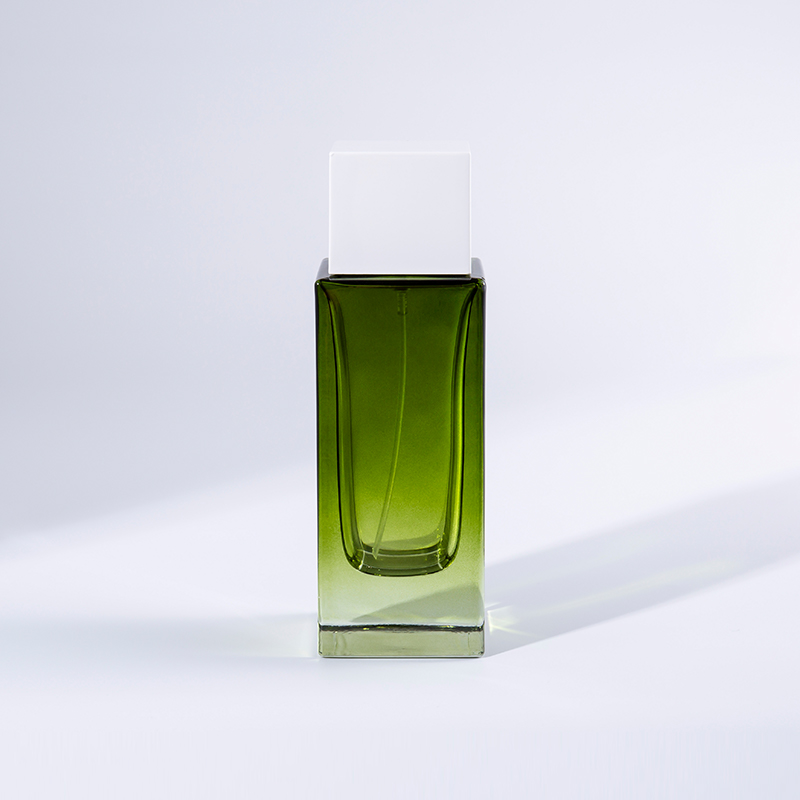
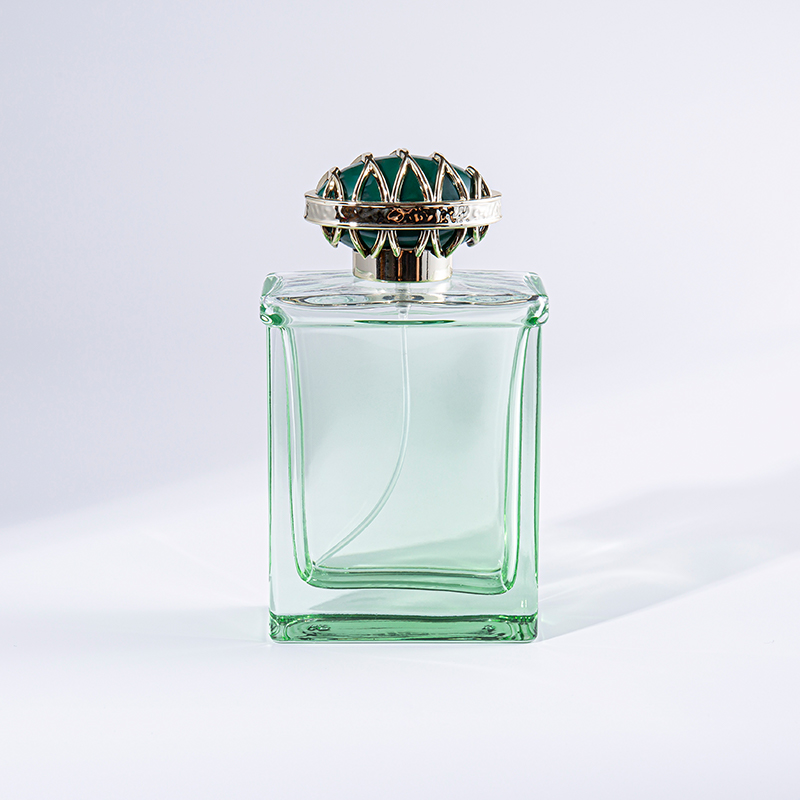
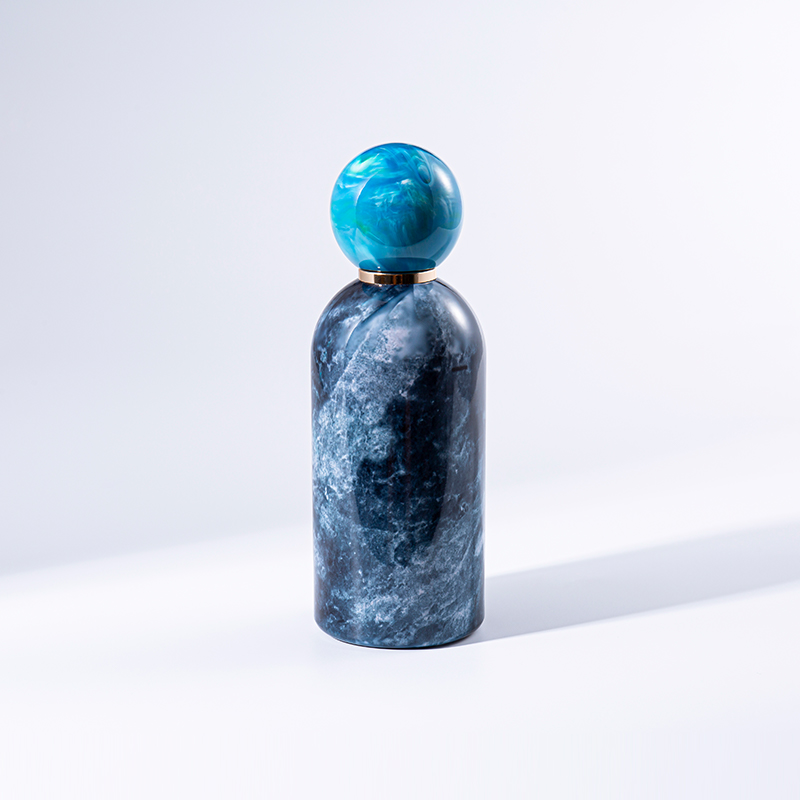
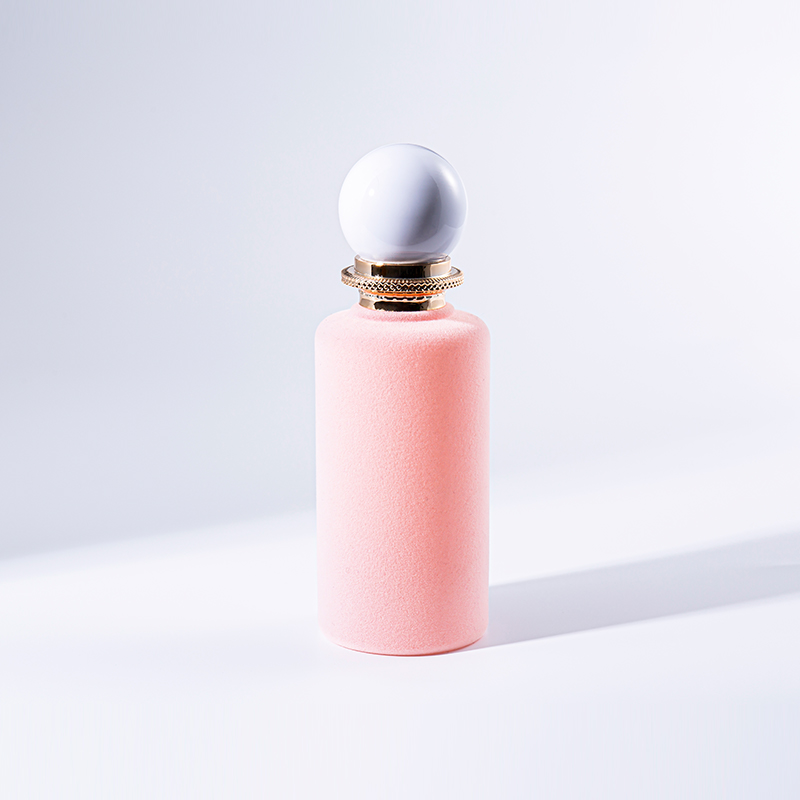
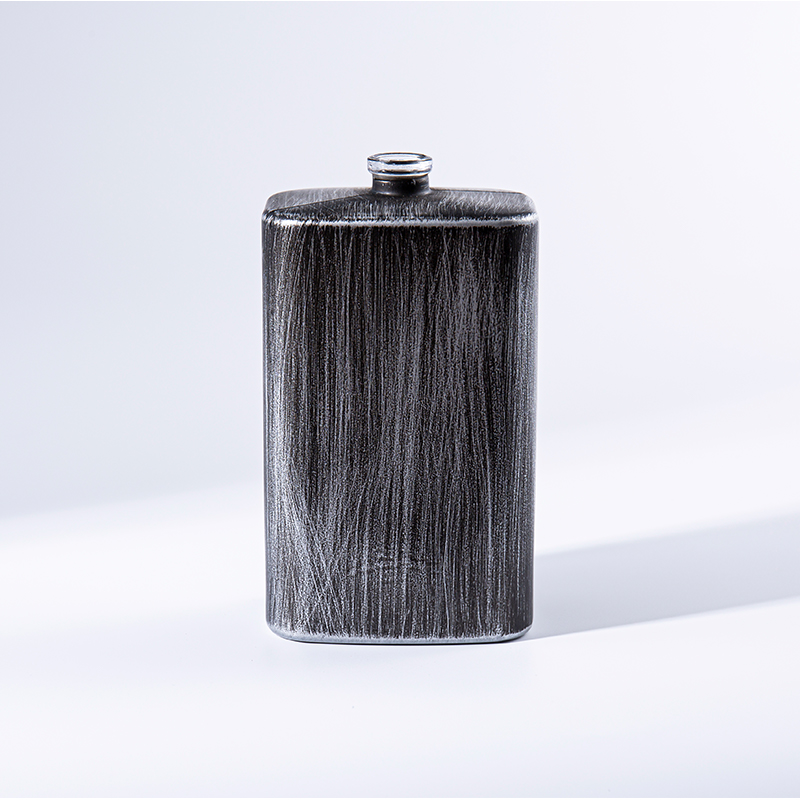
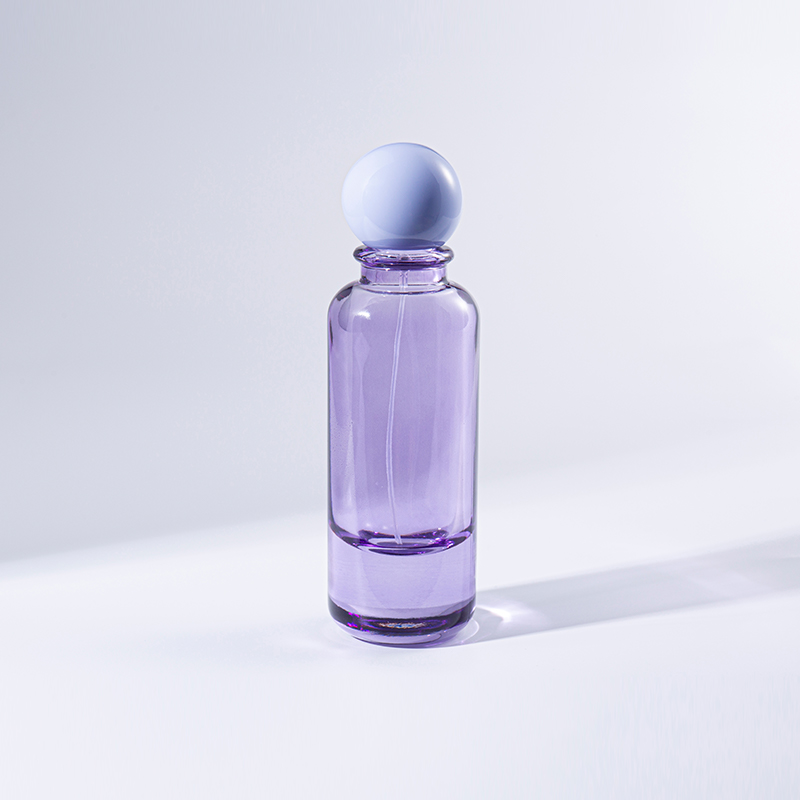
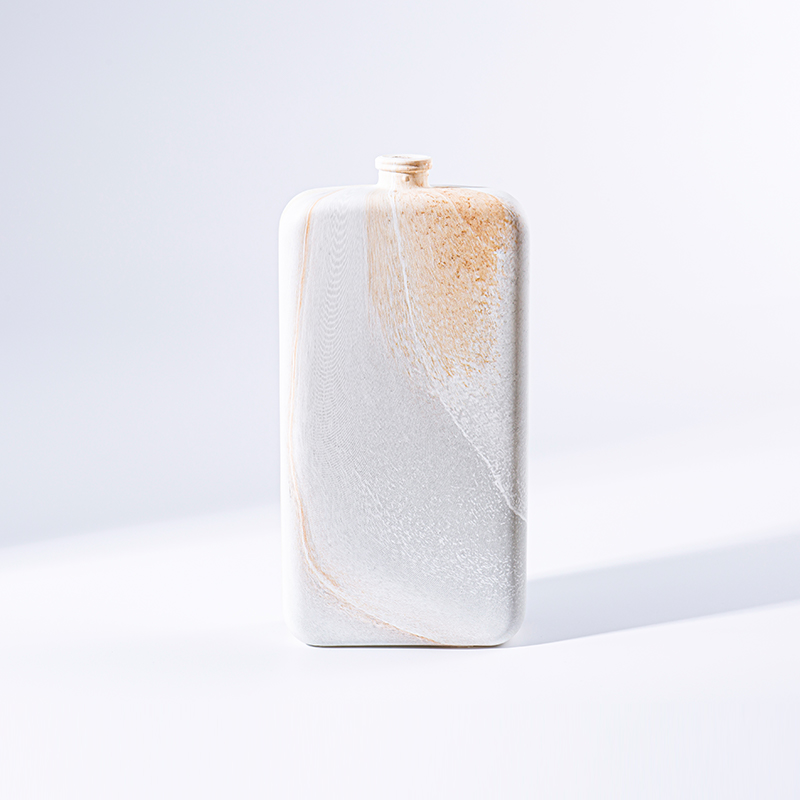
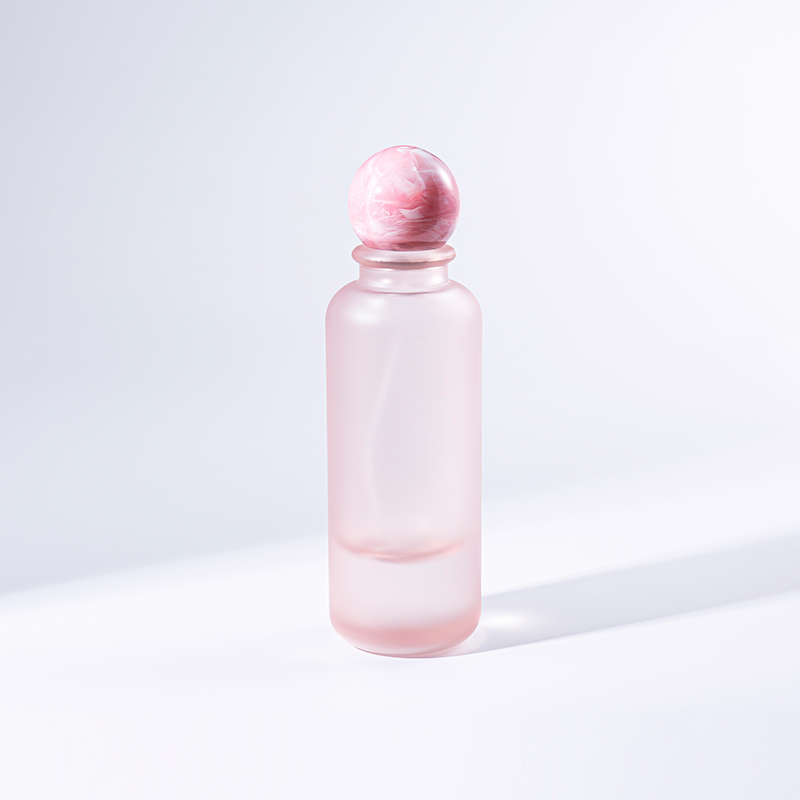
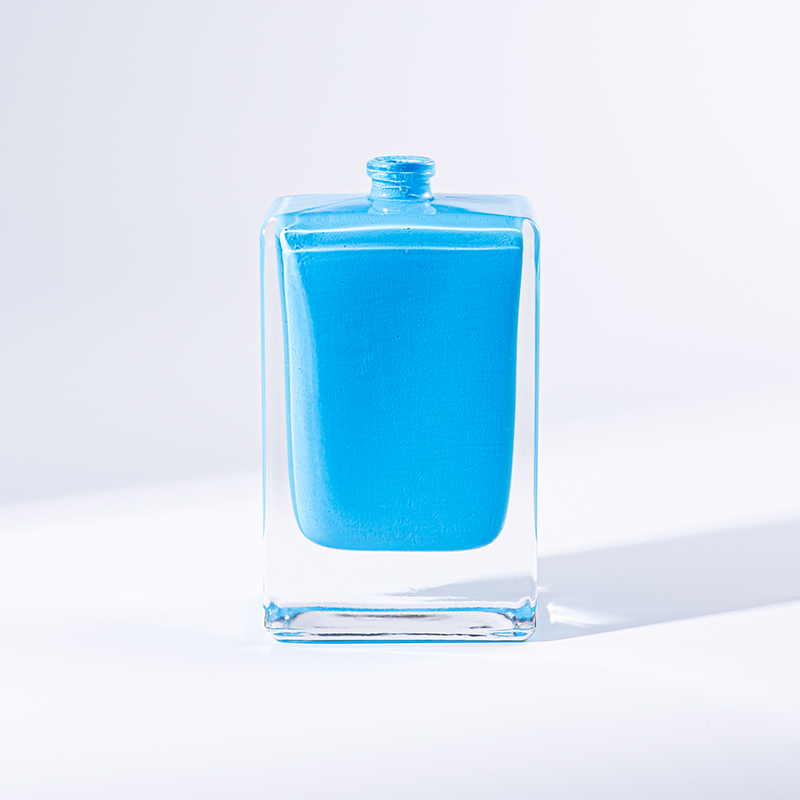
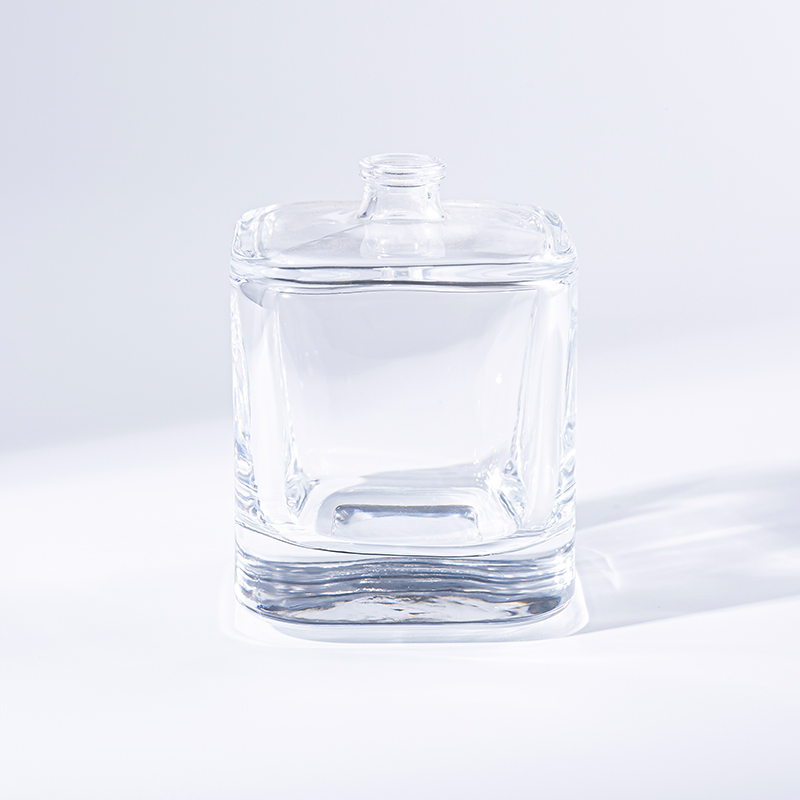
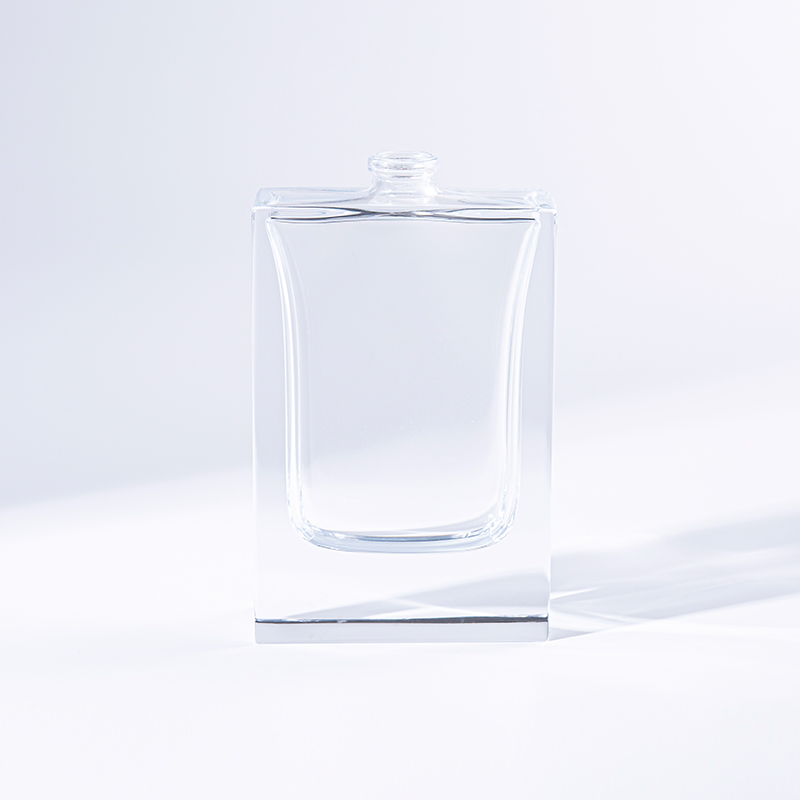
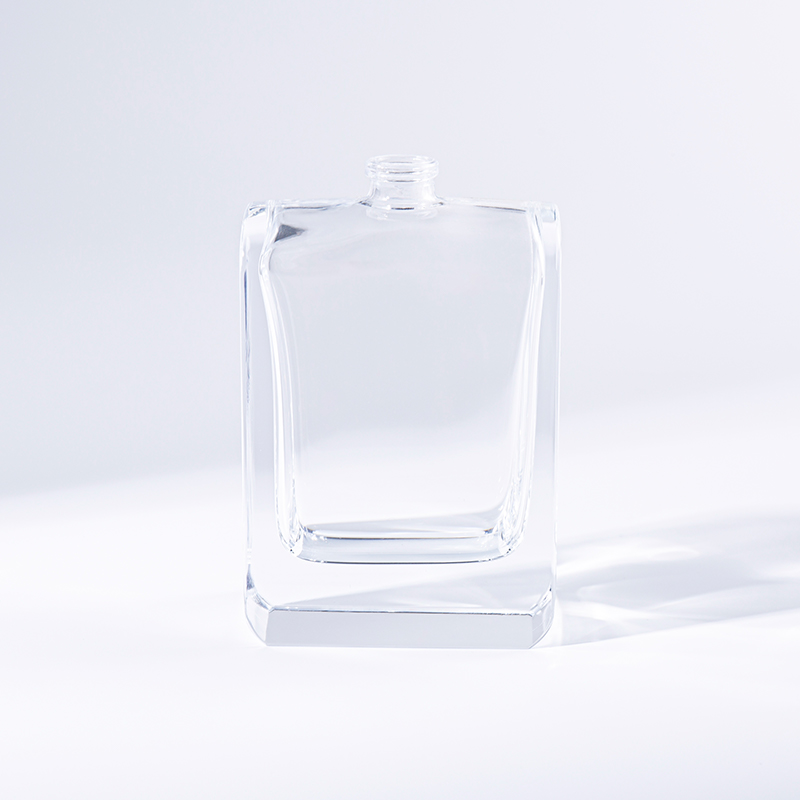
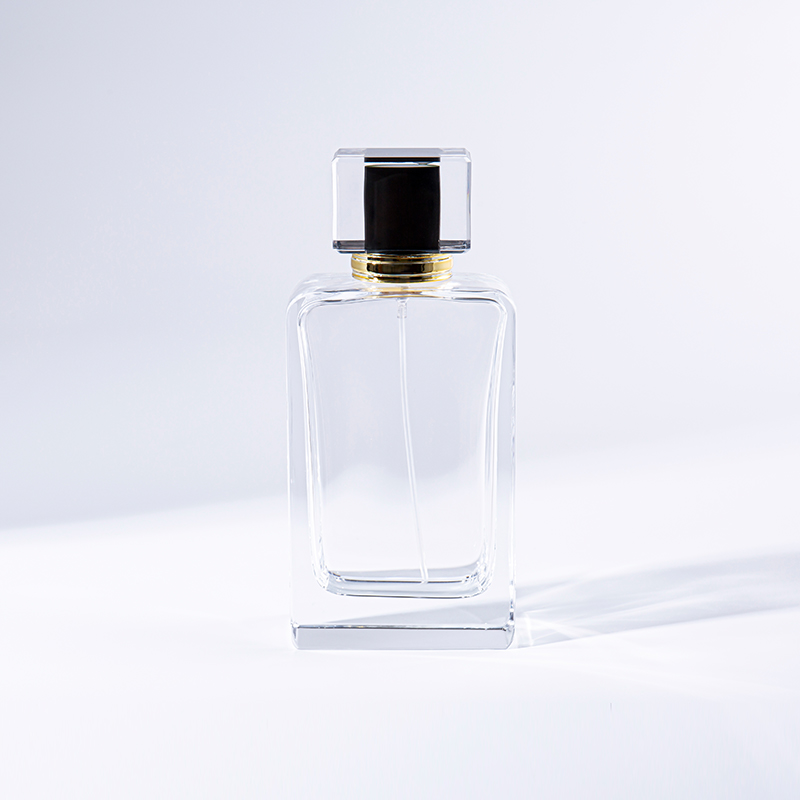
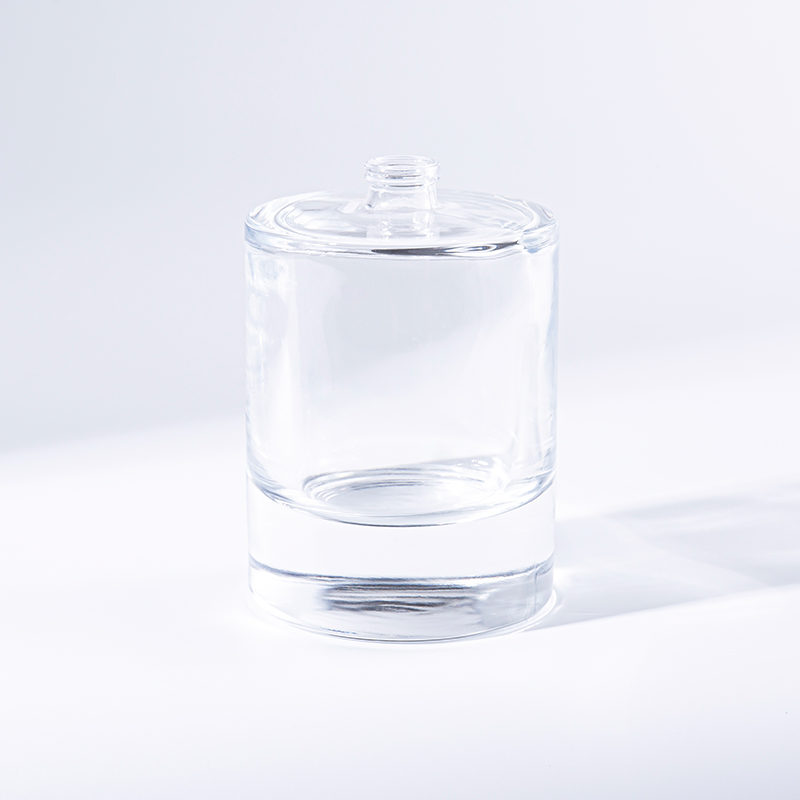
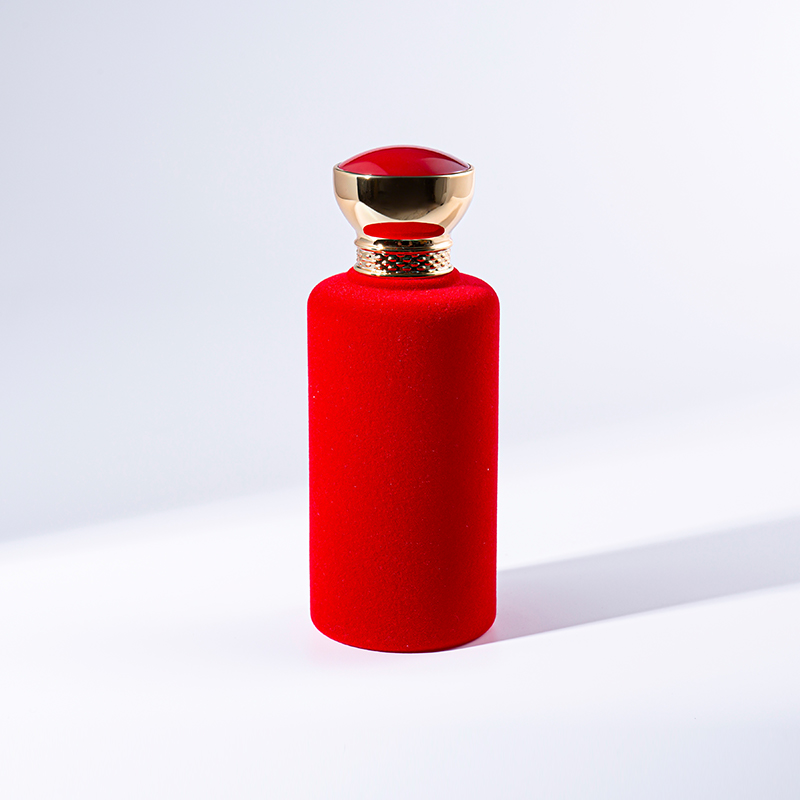
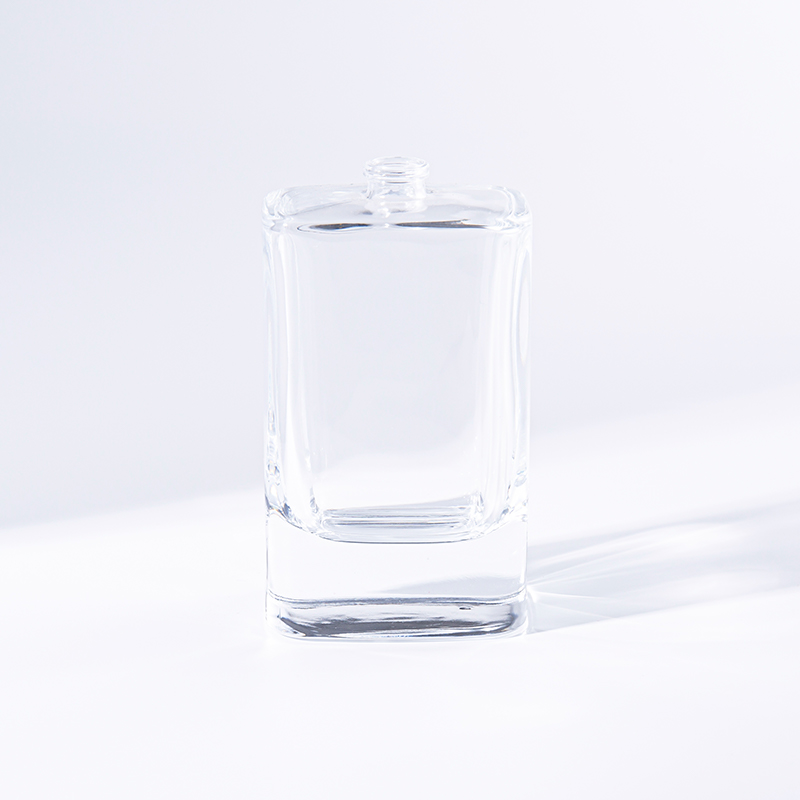
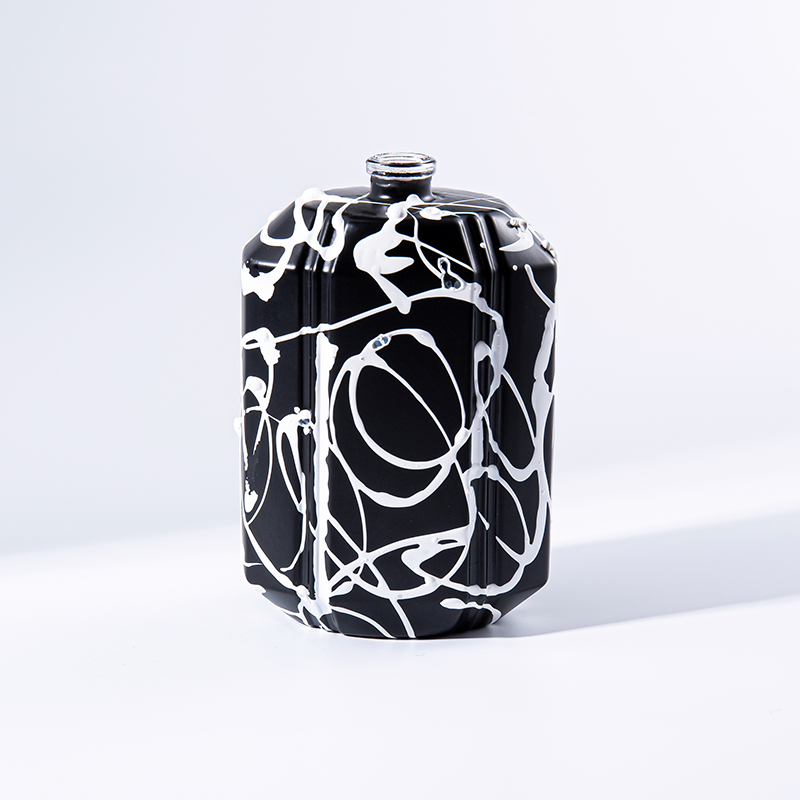
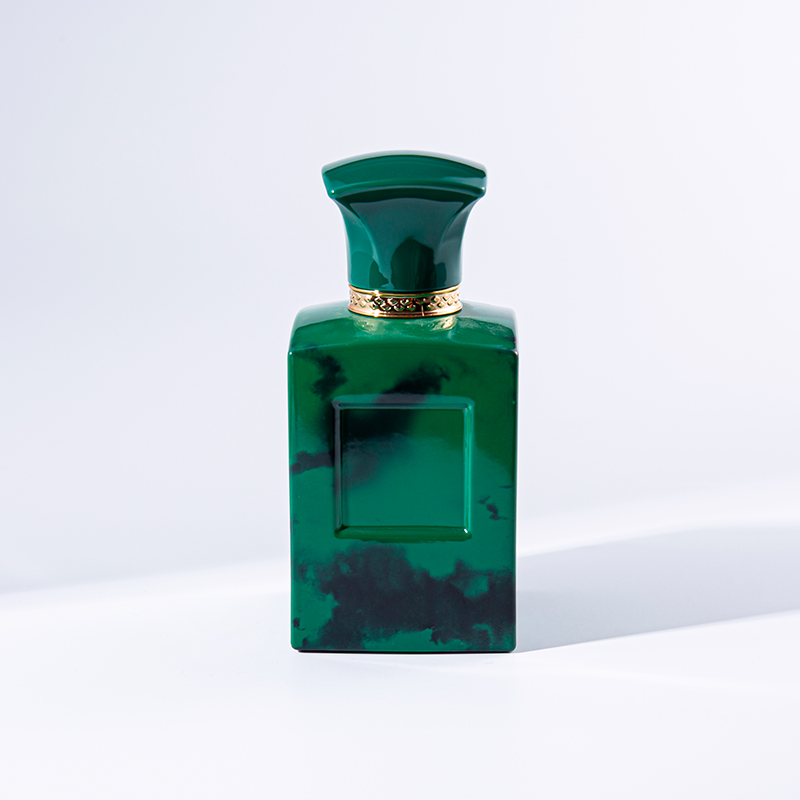
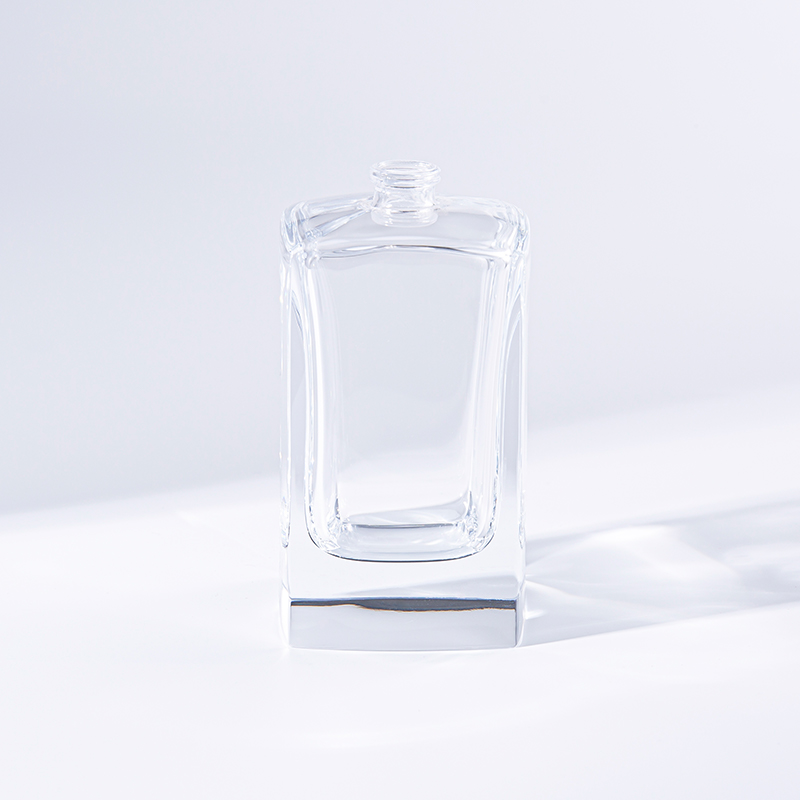
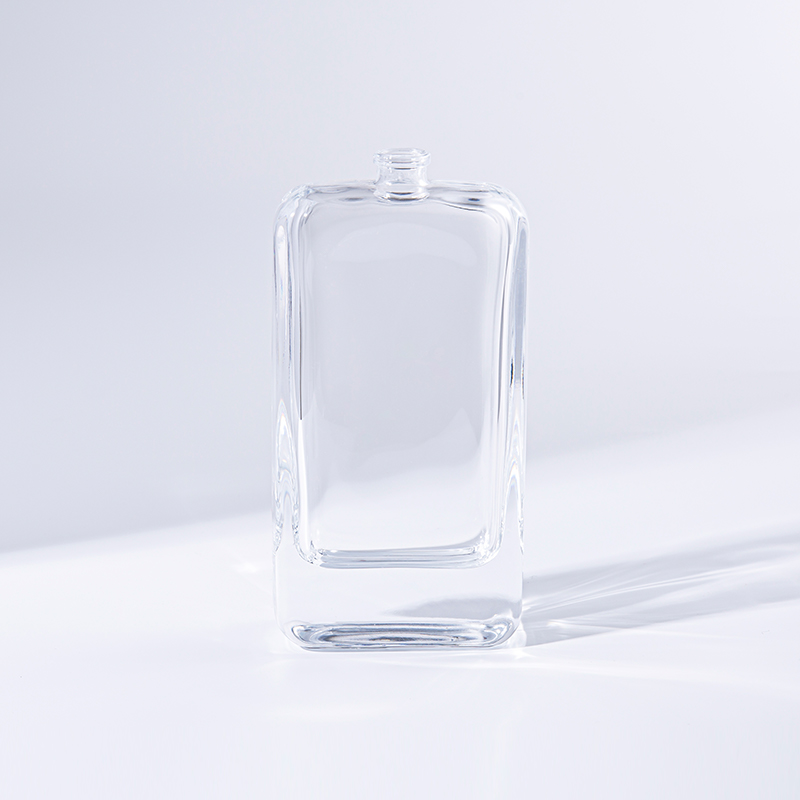
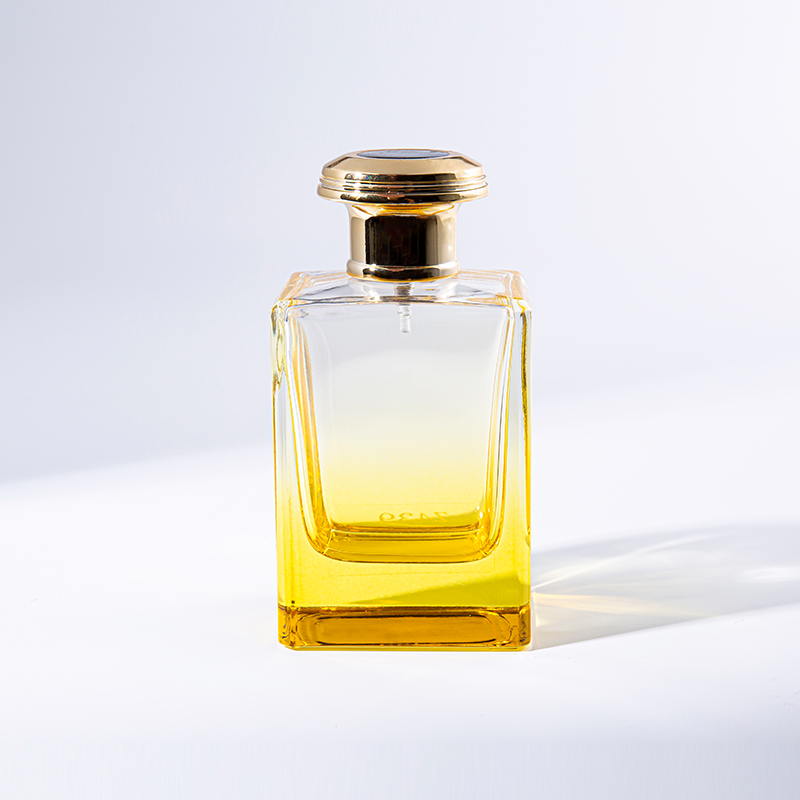
Sandblasted Glass Perfume Bottles Abrasive surface treatment for matte, frosted, and textured fragrance packaging
Abrasive Surface TreatmentProduct Introduction
Sandblasted glass perfume bottles are fragrance containers with a surface treated by abrasive blasting to create a matte, frosted, or textured appearance, depending on the glass surface and processing conditions. Sandblasting changes the bottle exterior appearance while retaining the underlying glass container structure. The treatment can be applied to selected areas or larger exterior surfaces, depending on the bottle design and process capabilities, supporting different visual styles for perfume packaging.
- Surface treatment principle: Abrasive blasting creates a textured surface on glass through the impact of fine particles.
- Visual characteristics: The treated surface typically shows a matte appearance with reduced surface reflectivity compared to untreated glass.
- Design flexibility: Treatment can be applied to selected areas or larger exterior surfaces, depending on the bottle design and process capabilities.
- Fragrance packaging applications: Sandblasted finishes can support different visual styles for perfume packaging, from subtle frost to bold contrast effects.
- Purchasing considerations: Finish uniformity, masking requirements, logo placement, surface cleanliness, and packaging protection are key factors.
- Jili Glass capabilities: Relevant bottle shapes, glass colors, and customization options are available for evaluation, subject to feasibility for each design.
Sandblasted Finish Options
Full-Surface Sandblasting
Treating most of the exterior surface creates a consistent matte appearance across the bottle body. Uniform coverage is important to ensure a balanced visual result. The finish affects the visibility of the fragrance inside the container, and the degree of treatment should be evaluated against the desired presentation.
Partial Sandblasting
Selected areas can be treated while other sections remain smooth, subject to masking and process feasibility. The contrast between matte and transparent surfaces can create distinctive visual effects. Treatment boundaries should be confirmed through artwork, drawings, or approved samples before production.
Sandblasted Logos and Decorative Patterns
Masked areas can be used to create contrasting patterns or logo elements when the manufacturing process supports this approach. Artwork clarity, pattern dimensions, and positioning are important considerations. The desired design should be confirmed as produced through sandblasting, screen printing, frosting, or a combination of processes.
Sandblasting on Different Bottle Shapes
Cylindrical, square, rectangular, and contoured glass bottles each present different processing considerations. Corners, curves, shoulders, and recessed areas may affect treatment uniformity. Samples should be evaluated for complex bottle geometries to confirm the achievable result.
Product Features and Specifications
| Product Type | Sandblasted Glass Perfume Bottles |
| Bottle Material | Glass; confirm the specific material for the selected model |
| Surface Treatment | Abrasive blasting on designated glass surfaces |
| Finish Appearance | Matte or textured appearance, depending on the process |
| Treatment Coverage | Full surface or selected areas, subject to feasibility |
| Bottle Capacity | Confirm according to the selected model |
| Bottle Dimensions | Confirm according to product specifications |
| Bottle Shape | Available designs or approved custom designs |
| Glass Color | Confirm available options |
| Logo and Patterns | Subject to artwork, masking, and process compatibility |
| Closure Type | Confirm according to the selected bottle design |
| Packaging | Protective packaging appropriate for finished glass surfaces |
Sandblasted Finish vs. Acid-Etched Frosting
Sandblasting uses abrasive particles to treat the glass surface, while acid etching uses chemical treatment. The two methods produce different surface characteristics and involve different process considerations. Neither method is universally superior, and the actual finishing process used for each product should be confirmed.
Surface Texture and Transparency
The degree of surface treatment can affect light transmission and the visibility of the fragrance. A balance must be found between a frosted appearance and the need to display the liquid inside. Evaluating samples under realistic lighting conditions is recommended before finalizing the treatment specification.
Applications of Sandblasted Glass Perfume Bottles
Matte
Matte-Finish Perfume Packaging
Sandblasted surfaces create a non-glossy visual appearance that can be combined with bottle shape, cap design, and logo placement. The desired matte appearance should be confirmed through a physical sample before production. This finish supports a refined, understated aesthetic for fragrance packaging.
Premium
Premium Fragrance Collections
Contrasting surface textures can distinguish different fragrance lines within a collection. Matte and transparent sections can be incorporated into a packaging concept to create visual interest. The finish itself does not establish a particular product price or market position, but it can contribute to the overall design direction.
Custom
Customized Brand Packaging
Partial blasting, decorative patterns, and other finishing techniques may be incorporated into a brand packaging design. Artwork preparation, masking boundaries, and sample approval are key steps in the process. Jili Glass customization capabilities can be evaluated for the proposed design.
Design and Quality Considerations
How to Specify the Desired Sandblasted Finish
Reference images or physical samples showing the intended surface appearance should be provided. Specify whether the treatment covers the entire bottle or selected areas. Confirm the acceptable degree of matte appearance and texture before production.
How to Control Treatment Uniformity
Check for uneven coverage, visible patches, inconsistent texture, and unintended untreated areas. Inspection criteria should cover the bottle body, shoulders, corners, and base. Finished products should be compared against the approved sample to confirm consistency.
How to Protect Sandblasted Surfaces
Handling and packaging practices that reduce friction and surface contamination should be discussed. Protective separation or individual packaging may be needed during transportation. Packaging requirements should be confirmed based on the bottle design and shipping conditions.
How to Combine Sandblasting With Other Decoration
The compatibility of sandblasting with printing, spraying, hot stamping, and other decorative processes should be evaluated. The appropriate processing sequence should be determined for the selected design. Logo adhesion, appearance, and finish consistency should be confirmed where relevant.
What to Check Before Bulk Production
The bottle shape, treatment coverage, surface appearance, and decorative details should be approved. Acceptance criteria for surface defects and finish consistency should be established. Inspection procedures, packaging, and delivery requirements should be confirmed before production begins.
Customization Workflow for Sandblasted Perfume Bottles
Step 01
Design Brief and Reference Selection
Collect the required capacity, bottle shape, glass color, surface treatment, logo artwork, and intended fragrance application.
Step 02
Treatment Area and Artwork Confirmation
Identify the surfaces to be blasted and define masking boundaries, logo positions, and decorative patterns.
Step 03
Process Feasibility Review
Evaluate the bottle geometry and determine whether the proposed treatment can achieve the intended appearance.
Step 04
Sample Production and Visual Evaluation
Review the surface texture, treatment coverage, transparency, decorative details, and overall appearance.
Step 05
Production Inspection
Use the approved sample and agreed specifications as references for checking surface consistency and appearance.
Step 06
Protective Packaging and Delivery
Confirm packaging protection, order quantities, transportation requirements, and delivery arrangements.
Frequently Asked Questions
Q1. What Is a Sandblasted Glass Perfume Bottle?
A sandblasted glass perfume bottle is a glass perfume container with a surface treated through abrasive blasting to create a matte or textured appearance. The treatment changes the exterior appearance while retaining the underlying glass container structure. The specific visual result depends on the glass surface and processing conditions.
Q2. Do Sandblasted Glass Perfume Bottles Remain Transparent?
Transparency and liquid visibility depend on the degree of treatment, glass characteristics, and treated surface area. A lighter treatment may retain more transparency, while a heavier treatment creates a more opaque frost effect. A sample should be evaluated when visibility of the fragrance is important to the packaging concept.
Q3. Can Sandblasting Be Applied to Only Part of a Perfume Bottle?
Partial treatment may be possible using masking or other suitable production methods. Feasibility depends on the bottle geometry and design. Treatment boundaries should be confirmed through artwork, drawings, or approved samples before production begins.
Q4. Can Logos and Patterns Be Added to Sandblasted Glass Bottles?
Decorative effects may be achieved through masking, printing, or combined surface treatments, depending on the desired design and available processes. The specific method should be confirmed with the production team to ensure the intended visual result is achievable for the selected bottle design.
Q5. How Should Sandblasted Glass Perfume Bottles Be Packaged for Shipping?
Packaging should protect the glass from impact and reduce unwanted contact between finished surfaces. The appropriate packaging method depends on the bottle design, order quantity, and transportation conditions. Protective separation or individual packaging may be recommended to maintain the surface appearance during shipping.