
 ENG
 English
 русский
 Français
 Español
 عربى
 Türk
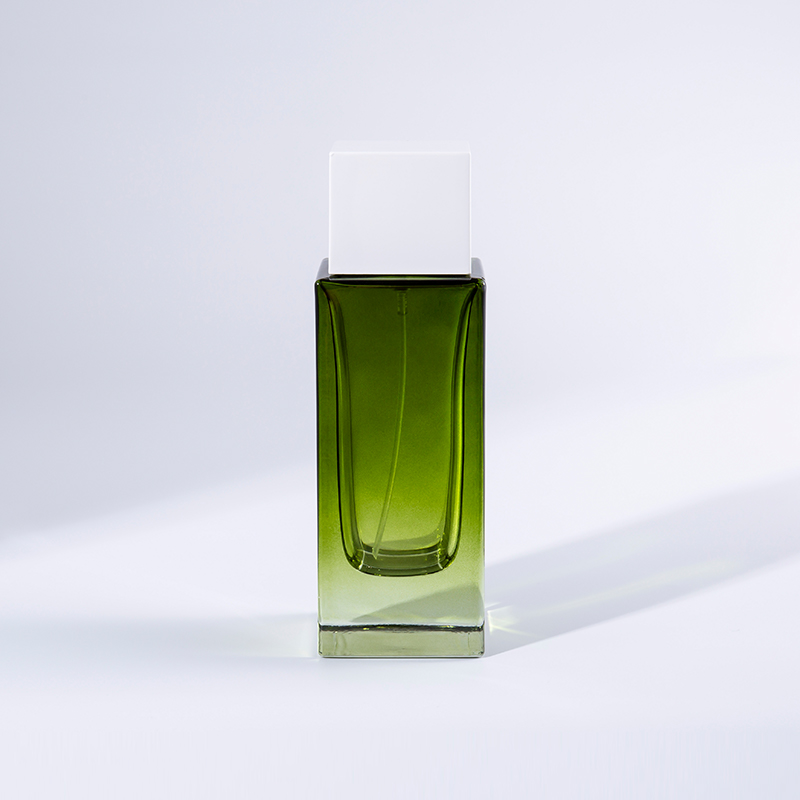
J2943 Crimp Perfume Bottle 80ml. Glass bottle with crimp neck for an airtight seal with spray pump. 80ml capacity. Ideal for commercial perfumes, eau de toilette. Transparent glass showcases liquid co...
See DetailsCustom Perfume Bottle Manufacturer: Design to Mass Production Feasibility
2026-11-19
Content
- 1 The Design-to-Production Gap
- 2 Key Feasibility Checks for Glass Perfume Bottles
- 3 The Prototyping Journey: From Resin to Glass
- 4 Color Accuracy and Surface Finishes
- 5 Prototyping and Feasibility Matrix
- 6 Regional Considerations
- 7 Sourcing Considerations for B2B Buyers
- 8 Why Jili for Your Custom Perfume Bottle?
A striking 3D rendering can capture a brand's vision. But transforming that digital artwork into a physical, mass-produced item requires engineering reality. For B2B buyers sourcing from a custom perfume bottle manufacturer, the gap between design and production is a common challenge. A design may look beautiful on a screen, but if it cannot be molded, filled, or transported safely, it will never reach the retail shelf.
Evaluating perfume bottle design feasibility early in the process saves time and capital. Whether your market is in Saudi Arabia, the UAE, Brazil, or Colombia, working with a B2B perfume packaging supplier that understands manufacturing constraints ensures your packaging launch stays on schedule. Here is how to bridge the gap between design concepts and successful mass production.
The Design-to-Production Gap
Many design concepts fail because they ignore the physics of glass. Glass is formed at intense temperatures and requires specific geometries to release from the mold properly.
If a design features ultra-thin walls, sharp internal angles, or floating elements, the glass may cool unevenly. This leads to structural weaknesses or visible defects. An experienced custom perfume bottle manufacturer reviews the design for these risks before a mold is ever cut. This process is known as Design for Manufacturability (DFM).
Key Feasibility Checks for Glass Perfume Bottles
When reviewing glass bottle prototyping plans, suppliers look at several technical boundaries.
Wall Thickness: The glass must be thick enough to flow evenly into the mold. If the walls are too thin, the bottle becomes fragile and difficult to anneal (cool down safely).
Draft Angles: Every custom shape needs a slight taper towards the opening. Without this draft angle, the glass will stick to the mold as it shrinks during cooling.
Capacity and Weight Balance: A heavy base provides a luxurious feel. However, an uneven distribution of glass can cause the bottle to crack during filling. Testing the structural integrity of glass perfume bottle custom designs is necessary.
The Prototyping Journey: From Resin to Glass
You cannot evaluate a glass bottle using a digital file. Physical sampling is necessary. A structured prototyping path reduces risk.
-
3D Printing: This confirms the overall size and hand feel. It allows the brand to test the cap fitment and visual proportions.
-
Resin or CNC Models: These are milled from solid blocks. They simulate the exact weight and density of the final glass, allowing for a realistic visual check.
-
Soft Mold Trial (Pilot Run): A temporary mold is created to produce a small batch of actual glass. This is the critical step in evaluating perfume bottle design feasibility. It reveals real-world glass distribution and allows testing on the filling line.
Color Accuracy and Surface Finishes
Matching colors on glass requires precise controls. Describing a color as "light blue" is insufficient for mass production.
A reliable B2B perfume packaging supplier uses the Pantone Matching System (PMS) to specify exact hues. Furthermore, the brand and manufacturer must agree on an acceptable color variance, often measured by the Delta-E (ΔE) scale. A standard tolerance ensures batch consistency.
Surface finishes also require clear definitions. Matte, Satin, and Glossy are distinct processes. Buyers should evaluate physical samples under different lighting conditions to ensure the finish aligns with the brand identity. For e-commerce markets in Brazil and Colombia, ensuring these finishes are durable enough to resist scratching during transit is an important consideration.
Prototyping and Feasibility Matrix
Here is a breakdown of the prototyping stages and what they evaluate:
| Stage | Method | Primary Feasibility Check | Timeline |
|---|---|---|---|
| Concept | 3D Printing | Proportion, hand feel, and basic component fit | Short |
| Visual | CNC / Resin Model | Exact weight simulation and surface aesthetics | Moderate |
| Engineering | Soft Mold Glass Trial | True glass distribution, annealing, and filling line test | Longer |
| Production | Hard Steel Mold | Mass production consistency and batch quality | Standard |
Regional Considerations
Design feasibility also depends on where the product will be sold.
In Saudi Arabia and the UAE, brands favor heavy, thick-walled glass with elaborate molds. This requires careful thermal management during manufacturing to prevent stress cracks.
In Brazil and Colombia, the focus often shifts to durability for e-commerce. A glass perfume bottle custom design for these regions might prioritize specific bottle shapes that pack efficiently and resist impact during courier delivery. The custom perfume bottle manufacturer must adapt the glass thickness to meet these logistical demands without losing aesthetic appeal.
Sourcing Considerations for B2B Buyers
If you are moving from design to production, keep these steps in mind.
Involve the manufacturer early. Share your 3D files with your custom perfume bottle manufacturer during the concept phase. Their feedback prevents expensive redesigns later.
Test with actual components. During the pilot run, ensure the chosen pumps and caps are tested with the glass bottles. Fitment issues often appear when different suppliers' parts are combined.
Plan for the mold. Tooling requires investment and time. Understand the production timeline for cutting a steel mold and factor this into your launch schedule.
Review the drawing. Sign off on the technical drawing that includes all dimensions and tolerances. This document is the standard for quality control.
Why Jili for Your Custom Perfume Bottle?
At Jili, we guide brands through the engineering phase. As a dedicated custom perfume bottle manufacturer, we evaluate designs for glass manufacturing feasibility to prevent costly errors.
Our team supports the sampling process, from early visual models to soft mold trials, ensuring your packaging performs as intended. We work with brands in Saudi Arabia, the UAE, Brazil, Colombia, and beyond to deliver packaging that balances creative design with reliable manufacturing.
Related products
-
-
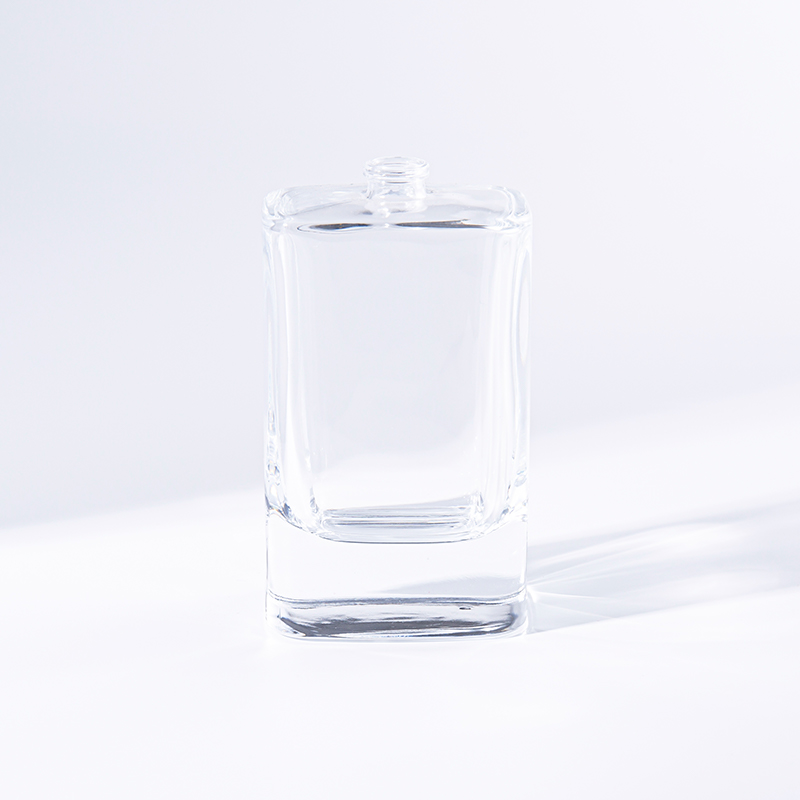
J3008 Fire Polished Crimp Perfume Bottle 100ml. Fire-polished glass for a smooth, bright surface. Crimp neck with standard spray pump. 100ml capacity. High clarity, airtight seal. Suitable for perfume...
See Details -
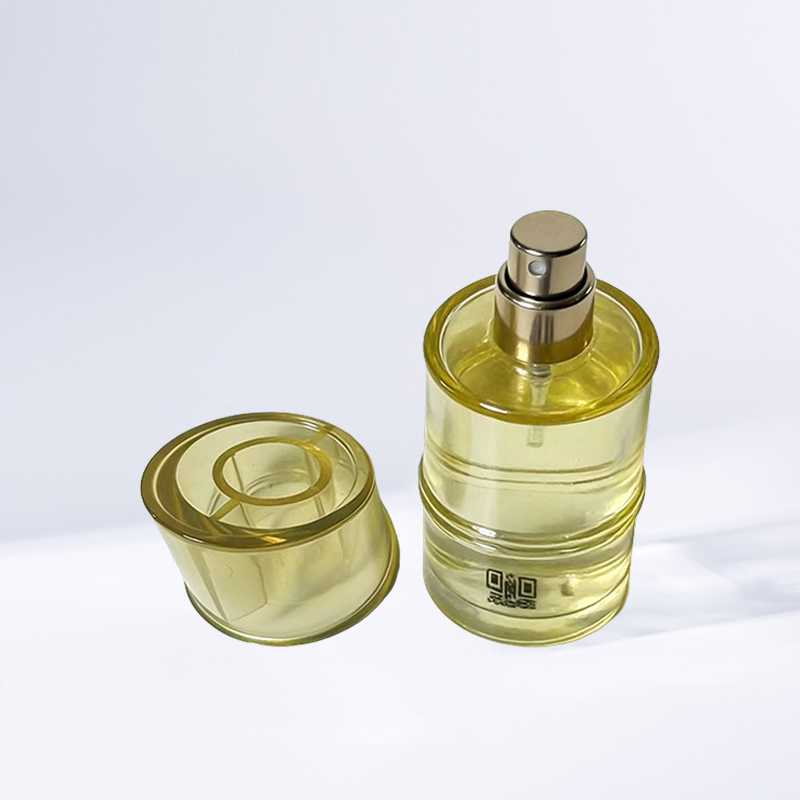
Advantages:● The bamboo-shaped bottle with 45ml capacity offers an ergonomic grip. The 8mm wall thickness provides structural support.● The crimp-seal closure with aluminum sprayer ensures sealing int...
See Details -
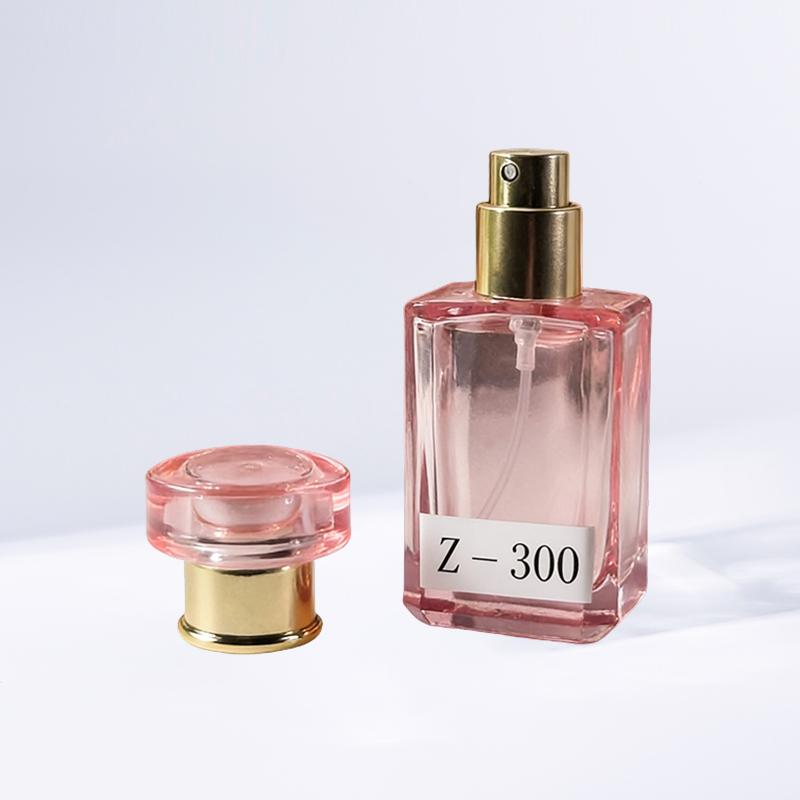
Advantages: ● The 35ml capacity is portable, and the square bottle design saves storage space.● 8mm wall thickness and crimp-seal closure enhance physical stability during transport and use.● The glas...
See Details
Recommended Links
Recommended News
Contact Info.
-
Tel.
+86 153 7158 1688 (Simon)
+86 181 3693 6668 (Mary)
+86 139 5117 2783 (Junwei Hua) -
Email
zl@jl-bl.cn (Simon)
mary@jl-bl.cn (Mary)
jwhua@jl-bl.cn (Junwei Hua) -
Address
Hongqiao Town, Taixing City, Taizhou City, Jiangsu Province, China
- Media
Leave Us for Quote
Copyright © Taixing Jili Glass Products Co., Ltd. All Rights Reserved. Custom Cosmetic Glass Packaging, Luxury Perfume Glass Bottle Manufacturer
