
 ENG
ENG  English
 русский
 Français
 Español
 عربى
عربى Türk
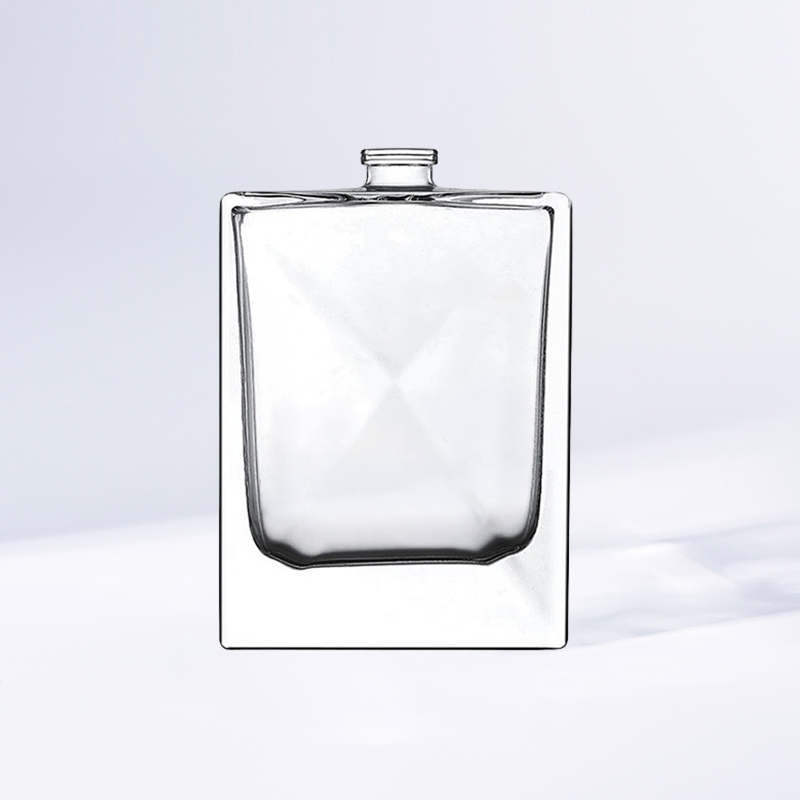
TürkJ2249 Premium Transparent Glass Perfume Bottle 104ml. Made of clear glass with a sleek metal dome cap. Dimensions: 66.8x40.5x96.3mm, 260g. Suitable for daily use, travel, and gifting. Transparent body...
See DetailsE-Commerce Perfume Bottle Supplier: Transit Safety & Durable Glass Packaging 2026
2026-09-08
Finding a reliable e-commerce perfume bottle supplier is one of the critical decisions a fragrance brand can make. The box arrives at the customer's door. They open it with anticipation. Instead of a pristine perfume bottle, they find shattered glass and leaked fragrance. That is a nightmare scenario. And it is happening more often than you might think. The right e-commerce perfume bottle supplier ensures that every bottle survives the journey from factory to customer, preserving both the product and the brand's reputation.
Research shows that cosmetics can experience a breakage rate of up to 1.5% during shipping, with over 70% of damage caused by inadequate impact protection. For glass perfume bottles, the risk is even higher. Glass shatters on impact. Pumps loosen during vibration. Temperature changes cause leaks. These issues scale quickly as order volume grows.
For B2B buyers, choosing the right e-commerce perfume bottle supplier is the foundation of a successful shipping strategy. A reliable durable glass bottle packaging wholesale partner understands the unique challenges of glass transit and provides packaging solutions that protect products from factory to customer. Here is what fragrance brands need to know about glass bottle transit safety in 2026.
Why Transit Safety Matters Now More Than Ever
The rise of e-commerce has changed how consumers buy fragrances. People now purchase perfumes online without having tried them first, making the visual appeal of the bottle a critical purchase driver. But that appeal means nothing if the bottle arrives broken.
E-commerce now accounts for about 20% of global retail. This means more perfume bottles are traveling through parcel networks designed primarily for durable goods. The supply chain exposes bottles to drops, vibration, stacking pressure, and temperature changes. Glass is inherently fragile. Without proper packaging, breakage becomes inevitable.
Several factors contribute to perfume bottle damage in transit:
| Stress Factor | Impact on Perfume Bottle |
| Vertical drop impact | Occurs during loading and unloading; causes shattering |
| Random vibration | Road and air freight vibration (3-200Hz) loosens caps and pumps |
| Compression/stacking | Warehouse stacking pressure can crush outer boxes and crack bottles |
| Pressure changes | Air freight pressure differences cause leakage |
| Temperature fluctuation | Heat expands liquids, weakening seals |
A 5% damage rate at $50 average order value across 1,000 monthly orders can cost roughly $35,000 to $45,000 annually in direct damage costs, before counting indirect effects like negative reviews and lost customer lifetime value.
Protecting Perfume Bottles in Transit: Best Practices for Suppliers
Fragrance brands shipping internationally need packaging systems where the primary container, secondary protection, and outer carton work as an integrated unit, tested against drop and vibration standards rather than assumed to work.
Individual wrapping is essential. Each glass bottle should be wrapped independently to insulate it from mechanical shocks. Bubble wrap, foam structures, or corrugated inserts provide cushioning. A single broken bottle can contaminate an entire order.
Internal dividers prevent bottles from knocking into each other. Corrugated cardboard partitions or honeycomb paper inserts keep multiple items separated. This is especially important for gift sets with multiple bottles.
Void fill eliminates movement inside the box. All empty space must be filled with high-density padding until items remain completely stationary when shaken. Air pillows, biodegradable peanuts, or crumpled kraft paper all work.
Box selection matters. For heavy or fragile cargo, double- or triple-wall corrugated boxes are necessary. Standard cardboard quickly loses structural rigidity. The box should be the right size—not too large with excess empty space, not too tight that pressure transfers to the glass.
Labeling guides handlers. "Fragile" and "Handle With Care" labels on at least two sides and the top of the box signal careful handling. "This Side Up" arrows help maintain orientation.
Key Markets for Perfume Export Packaging
Different markets present unique challenges for e-commerce perfume bottle transit safety. An experienced B2B perfume bottle shipping partner should understand these country-specific requirements.
Saudi Arabia and the United Arab Emirates
The GCC fragrance market is valued at approximately USD 3-4.22 billion and is projected to reach USD 4.8-5.31 billion by 2031. Saudi Arabia currently holds the largest market share in the region, supported by both traditional attars and modern fragrance blends. The UAE, particularly Dubai, serves as a global hub for luxury goods, further enhancing its market position.
Shipping to these countries involves long transit times, multiple handling points, and varying climate conditions. For brands selling in Saudi Arabia and the UAE, the procurement decision increasingly considers durability. Data shows that glass perfume bottles break at rates of 0.3-0.8% per retail handling cycle in Middle East distribution. For B2B buyers sourcing durable glass bottle packaging wholesale, this means packaging must withstand the rigors of long-distance logistics while maintaining a premium presentation.
Brazil
Brazil presents a unique set of challenges for perfume bottle shipping. The country is projected to be the fastest-growing market in Latin America, reaching USD 3.63 billion by 2034. Brazil already accounts for approximately 55-60% of South America's flavors and fragrances market revenue, driven by the country's position as one of the world's largest per-capita fragrance consumers.
However, Brazil's regulatory environment is complex. Imports of fragrance products require ANVISA (Brazilian Health Regulatory Agency) approval, which can involve registration, notification, or other regulatory clearances. Foreign companies cannot register products directly with ANVISA; they must appoint a local importer or legal representative. Bottles must meet local packaging standards and labeling requirements, with labels in Brazilian Portuguese.
Brazil's high humidity can soften standard cardboard boxes. For brands shipping to Brazil, moisture-resistant materials or internal desiccants are necessary. Additionally, Article 49 of the Brazilian Consumer Defense Code gives online shoppers the right to return purchases within seven days of delivery, with the business bearing all reverse shipping fees. Approximately 30% of all e-commerce orders are ultimately returned. Packaging must survive both forward and reverse logistics.
Mexico
Mexico's production of cosmetics, perfumes, and toiletries reached over USD 8.25 billion in 2023. The country is a significant manufacturing hub for personal care products serving the US nearshoring market. For B2B buyers sourcing perfume bottle export packaging, Mexico's strategic location and growing beauty industry create substantial opportunities.
The Latin America cosmetic packaging market, including Mexico, is being influenced by increasing regulations on plastic packaging, which in turn creates opportunities for sustainable glass packaging solutions. The shift toward refillable glass bottles addresses environmental concerns and offers consumers a more luxurious product experience.
Colombia and Argentina
Colombia and Argentina are also significant markets in Latin America's fragrance landscape. Brazil imports perfumes, cosmetics, and bath products from Argentina, Colombia, and Chile, creating regional supply chains. The LATAM perfume market, valued at USD 5.31 billion in 2025, is projected to reach USD 8.42 billion by 2034.
In Argentina and Colombia, as in other Latin American markets, consumers are increasingly seeking sustainable products. The demand for organic, vegan, and cruelty-free products is rising, driving interest in eco-friendly glass packaging. For e-commerce perfume bottle suppliers, this means offering packaging solutions that align with both regulatory requirements and consumer expectations.
Design Strategies for Safer Perfume Bottles
Beyond packaging, the perfume bottle itself can be designed for better transit safety.
Shape matters. A wide, flat bottom provides stability. Round bottles reduce sharp corners that may break on impact. Square bottles look premium but require tighter corner protection. Heavy bottoms feel luxurious but increase package weight and shipping cost.
Closure systems are critical. Crimp closures hold sprayers tightly once pressed down, reducing leakage risk. Screw neck designs allow easier refilling but must maintain seal integrity during transit. Testing is essential: fill bottles, shake them, lay them on their side, and pack them exactly as they will be shipped before committing to large orders.
Lightweighting can also help. Lighter bottles reduce package weight, lowering shipping costs. But lightweighting must not compromise structural integrity. SGD Pharma's NOVA platform, for example, delivers up to 20% weight reduction while maintaining clarity and robustness.
What This Means for B2B Buyers
If you are sourcing an e-commerce perfume bottle for your fragrance brand, here are a few considerations.
Start with the destination. Countries like Brazil and Saudi Arabia have specific transit challenges. Design your packaging for worst-case handling, not the average case.
Test rigorously. Do not assume standard packaging will survive air travel. Conduct drop tests, vibration tests, and pressure tests to ensure your transit safety strategy works.
Consider the full lifecycle. A bottle that survives the outbound journey must also survive returns. Design packaging that can be reused for reverse logistics.
Choose the right partner. Work with a supplier that understands international shipping requirements and can provide testing data.
Why Jili for Your E-Commerce Perfume Bottle?
At Jili, we understand that an e-commerce perfume bottle must balance luxury aesthetics with transit durability. Our core expertise is glass bottle manufacturing with precision molding and consistent quality. We offer a range of sizes and shapes suitable for e-commerce shipping, from 15ml travel sizes to 100ml vanity bottles.
Our capabilities include:
-
Custom bottle designs optimized for transit safety
-
Precision molding for consistent wall thickness
-
Decoration options: screen printing, hot stamping, metallization
-
Packaging guidance for international shipping
-
Export packaging expertise for global markets
Whether you are shipping to Saudi Arabia, the UAE, Brazil, Mexico, or Colombia, Jili can help you create e-commerce perfume bottle solutions that arrive intact and impress customers.
Related products
-
-
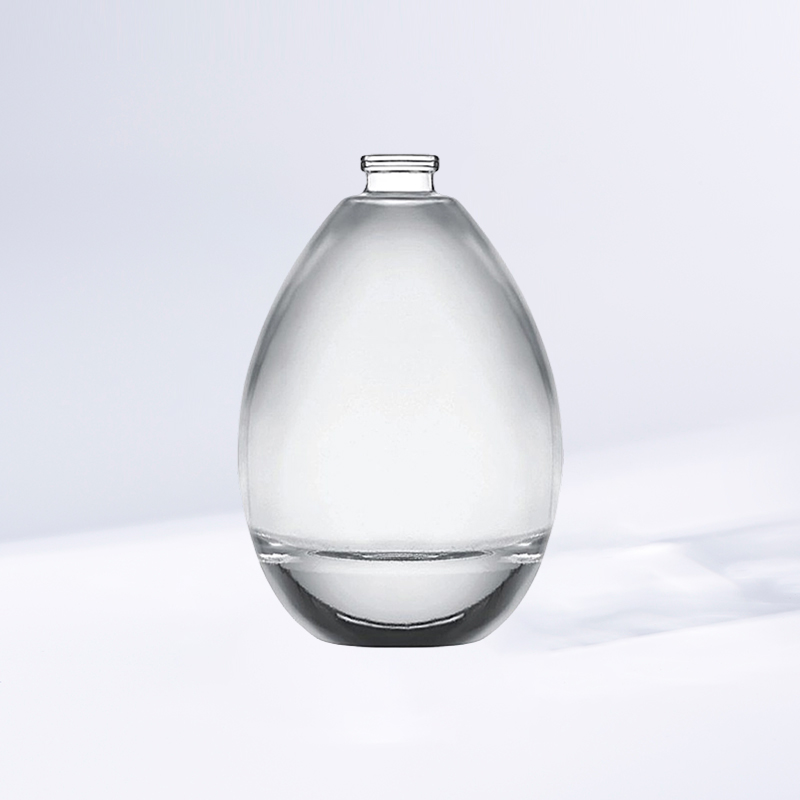
J2556 Elegant Oval Perfume Bottle 105ml. Features an oval silhouette with transparent glass, a contrasting empty upper section, and a liquid-holding lower part. Stable flared base. Dimensions: 63.8x63...
See Details -
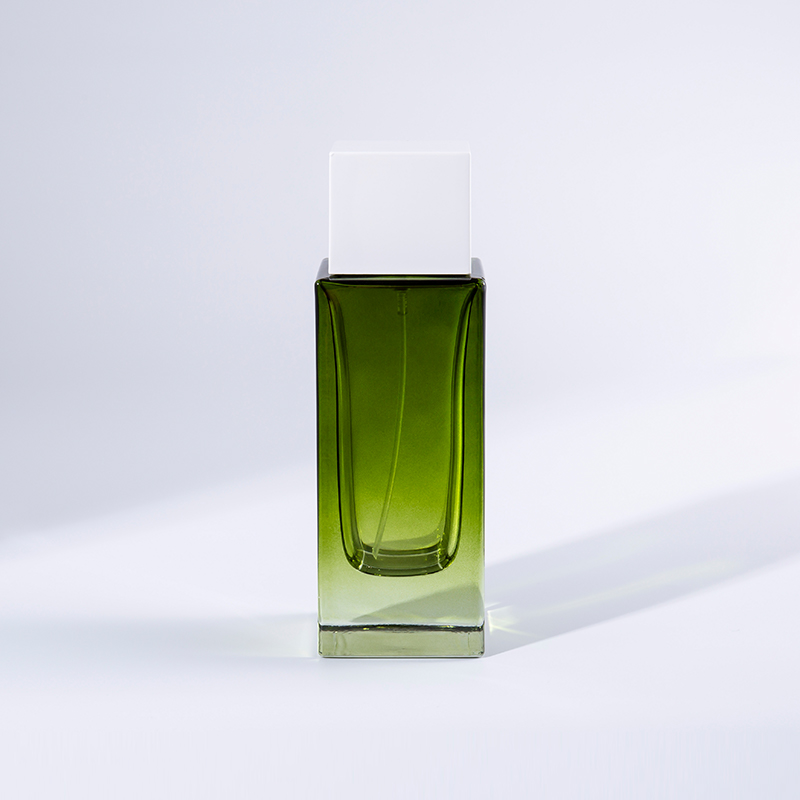
J2943 Crimp Perfume Bottle 80ml. Glass bottle with crimp neck for an airtight seal with spray pump. 80ml capacity. Ideal for commercial perfumes, eau de toilette. Transparent glass showcases liquid co...
See Details -
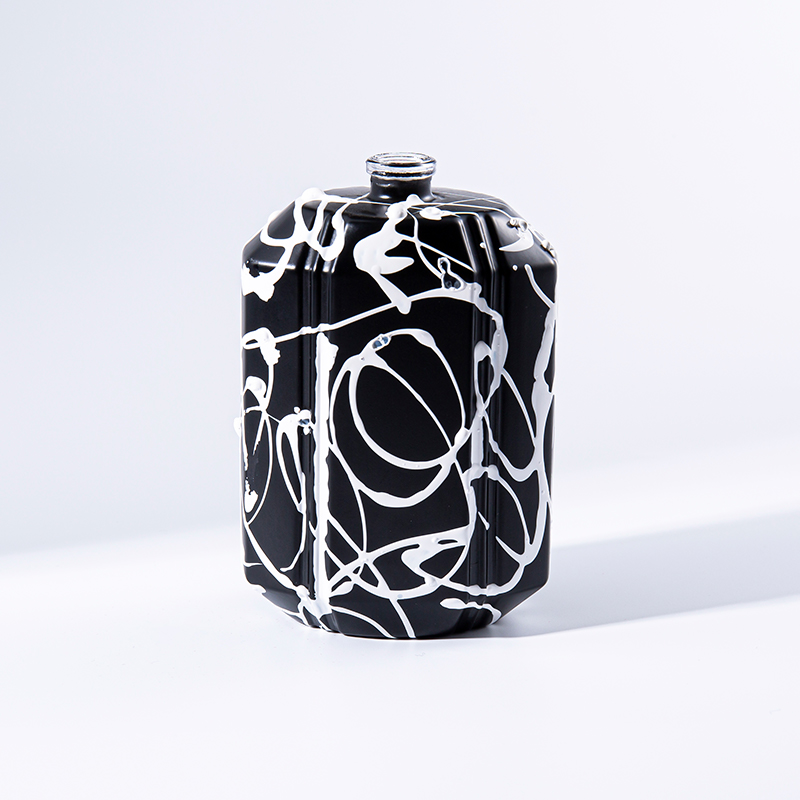
J3617 Crimp Perfume Bottle 100ml. Classic clear glass with aluminum crimp neck and precision spray nozzle. 100ml capacity. Transparent for easy level monitoring. Suitable for perfumes, toners, and per...
See Details
Contact Info.
-
Tel.
+86 153 7158 1688 (Simon)
+86 181 3693 6668 (Mary)
+86 139 5117 2783 (Junwei Hua) -
Email
zl@jl-bl.cn (Simon)
mary@jl-bl.cn (Mary)
jwhua@jl-bl.cn (Junwei Hua) -
Address
Hongqiao Town, Taixing City, Taizhou City, Jiangsu Province, China
- Media
Leave Us for Quote
Copyright © Taixing Jili Glass Products Co., Ltd. All Rights Reserved. Custom Cosmetic Glass Packaging, Luxury Perfume Glass Bottle Manufacturer
