
 ENG
 English
 русский
 Français
 Español
 عربى
 Türk
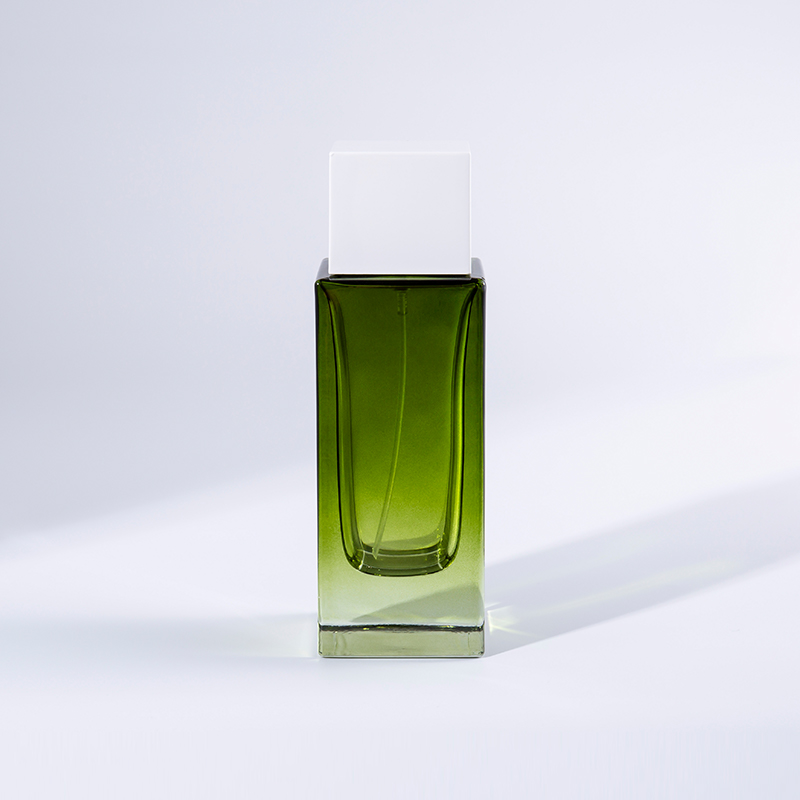
J2943 Crimp Perfume Bottle 80ml. Glass bottle with crimp neck for an airtight seal with spray pump. 80ml capacity. Ideal for commercial perfumes, eau de toilette. Transparent glass showcases liquid co...
See DetailsPerfume Bottle Supply Chain: B2B Sourcing & Procurement Terms Guide
2026-11-06
Content
Navigating the perfume bottle supply chain involves much more than choosing a bottle design. For B2B buyers, the process requires a clear understanding of procurement terms, production timelines, and logistics. A well-managed glass perfume bottle sourcing strategy prevents delays and unexpected costs.
Whether you are a fragrance brand operating in Saudi Arabia, the UAE, Brazil, or Colombia, aligning with a reliable B2B packaging supplier is an important step. Misunderstandings around manufacturing terms can disrupt your product launch. Here is a guide to the key procurement terms that shape the perfume bottle supply chain in 2026.
Procurement Terms: MOQ and Tooling Costs
When discussing terms with a custom glass bottle manufacturer, two financial metrics come up immediately: Minimum Order Quantity (MOQ) and tooling costs.
MOQ refers to the smallest quantity a supplier will produce in a single run. For standard stock bottles, MOQs are generally lower. For private molds, the MOQ is typically larger to justify the setup. Buyers in dynamic markets like Brazil and Colombia often prefer stock bottles with custom decoration to keep initial MOQs manageable while maintaining brand identity.
Tooling costs are the fees associated with creating a new mold. This is a one-time upfront investment. It is important to clarify mold ownership and whether the cost can be amortized over future orders. Always confirm if the mold will be exclusive to your brand.
Managing the Production Timeline and Delivery Schedule
Once terms are agreed, managing the perfume bottle supply chain becomes a matter of time management. Production schedules depend heavily on the level of customization.
Standard bottles with standard decoration have shorter production times. Custom molds require additional time for engineering, sampling, and mold fabrication. For buyers in the Middle East, such as Saudi Arabia and the UAE, it is important to factor in shipping times and potential customs clearance periods.
Establish a clear delivery schedule with your supplier. Build a buffer into your launch plan to account for unforeseen manufacturing or transport delays. Proactive planning is a necessary part of glass perfume bottle sourcing.
Trade Terms, Logistics, and Freight
International logistics requires precise trade terms (Incoterms). These terms define who pays for freight, insurance, and customs duties.
Common terms include EXW (Ex Works), FOB (Free on Board), and CIF (Cost, Insurance, and Freight). If you are sourcing from Asia for a brand in South America, such as Brazil or Colombia, FOB or CIF terms are frequently used. For Middle East buyers in the UAE or Saudi Arabia, checking port regulations and inland transport options is a standard part of the supply chain process.
Specifying the correct Incoterms protects both the buyer and the seller. It clarifies exactly where the responsibility for the goods transfers.
Quality Control and Inspection in the Supply Chain
Quality control is a necessary phase in the perfume bottle supply chain. Before the goods leave the factory, an inspection process should be in place.
This involves checking glass clarity, bottle dimensions, and decoration alignment. For glass bottles, drop testing and leak testing are standard procedures. Working with a B2B packaging supplier that provides inspection reports reduces the risk of receiving damaged or non-compliant goods.
For buyers in South America, where e-commerce is growing, ensuring the bottles can withstand the rigors of parcel shipping is also an important consideration during the quality check.
Procurement Terms Quick Reference
Here is a reference table for common terms used in glass perfume bottle sourcing:
| Term | Definition | Impact on Sourcing |
| MOQ | Minimum Order Quantity | Determines initial inventory and cash flow requirements |
| Tooling Cost | Cost to create a new glass mold | One-time expense; requires clear ownership terms |
| Incoterms | International Commercial Terms | Defines logistics costs and risk transfer points |
| Production Time | Time from order confirmation to completion | Affects launch schedules and inventory planning |
| QC (Quality Control) | Inspection and testing process | Ensures bottles meet specification before shipping |
| Sampling | Pre-production sample creation | Allows evaluation of design and function |
Sourcing Considerations for B2B Buyers
If you are structuring your next packaging project, keep these points in mind.
Clarify all costs upfront. Request a breakdown of bottle cost, decoration cost, and tooling fees. Avoid hidden charges later in the perfume bottle supply chain.
Define the delivery schedule. Understand the difference between manufacturing time and shipping time. Plan your launch accordingly.
Agree on quality standards. Define acceptable defect rates and inspection methods with your custom glass bottle manufacturer before production begins.
Understand regional requirements. Buyers in Saudi Arabia and the UAE may have specific labeling or import requirements. Ensure your supplier understands these market needs.
Review packaging for transit. Ensure the export cartons are designed for long-distance transport. This is particularly relevant for shipments to Brazil and Colombia.
Why Jili for Your Supply Chain?
At Jili, we understand that managing a perfume bottle supply chain requires transparency and reliability. As an experienced B2B packaging supplier, we provide clear procurement terms, structured production timelines, and consistent quality control.
We work with brands in Saudi Arabia, the UAE, Brazil, Colombia, and beyond to streamline the sourcing process. From initial sampling to final delivery, our team supports your project with practical manufacturing solutions.
Related products
-
-
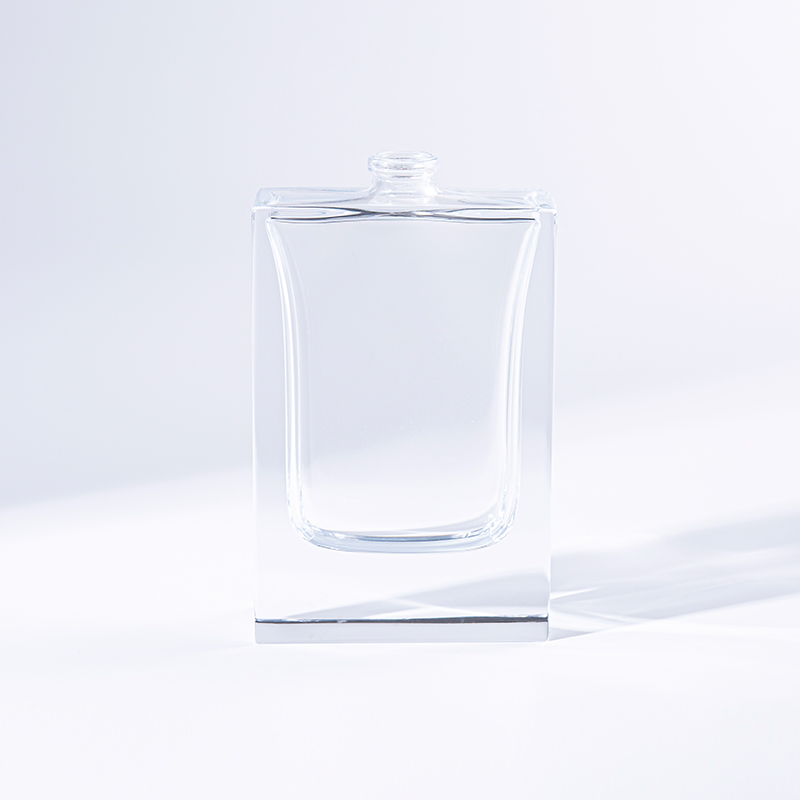
Z-442 Hand Polished Crimp Perfume Bottle 50ml. Hand-polished clear glass with a smooth finish. Aluminum crimp cap and precision spray nozzle. 50ml compact size. Ideal for travel, personal use, and gif...
See Details -
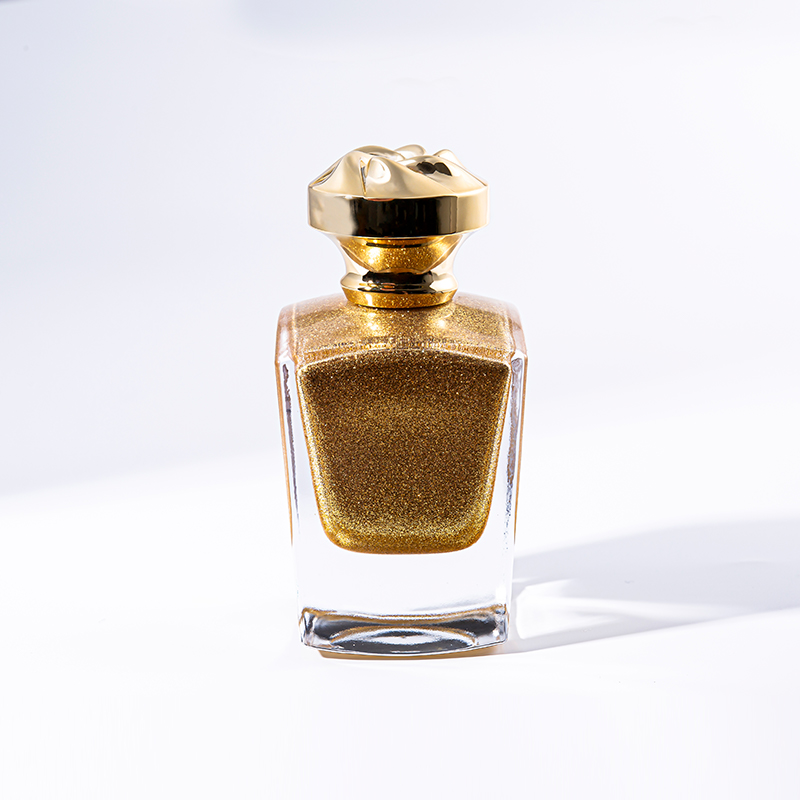
J2907 Crimp Perfume Bottle 100ml. Trapezoidal profile (wide base, narrow top) for stability. Semi-transparent glass with diffused light. Crimp neck with a pump. 100ml capacity. Anti-slip base. Ideal f...
See Details -
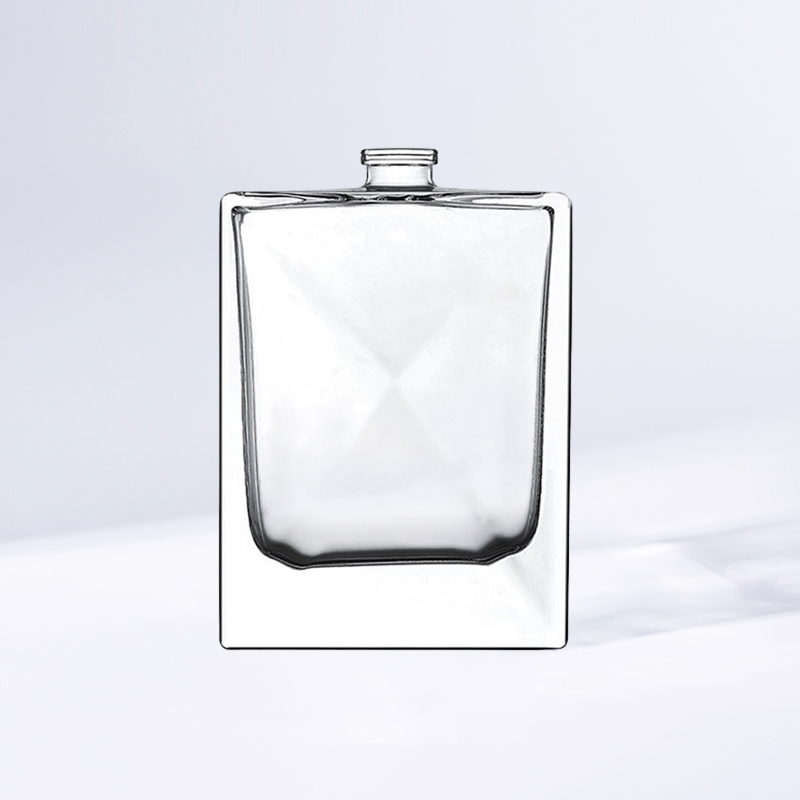
J2249 Premium Transparent Glass Perfume Bottle 104ml. Made of clear glass with a sleek metal dome cap. Dimensions: 66.8x40.5x96.3mm, 260g. Suitable for daily use, travel, and gifting. Transparent body...
See Details
Recommended Links
Recommended News
Contact Info.
-
Tel.
+86 153 7158 1688 (Simon)
+86 181 3693 6668 (Mary)
+86 139 5117 2783 (Junwei Hua) -
Email
zl@jl-bl.cn (Simon)
mary@jl-bl.cn (Mary)
jwhua@jl-bl.cn (Junwei Hua) -
Address
Hongqiao Town, Taixing City, Taizhou City, Jiangsu Province, China
- Media
Leave Us for Quote
Copyright © Taixing Jili Glass Products Co., Ltd. All Rights Reserved. Custom Cosmetic Glass Packaging, Luxury Perfume Glass Bottle Manufacturer
