
 ENG
 English
 русский
 Français
 Español
 عربى
 Türk
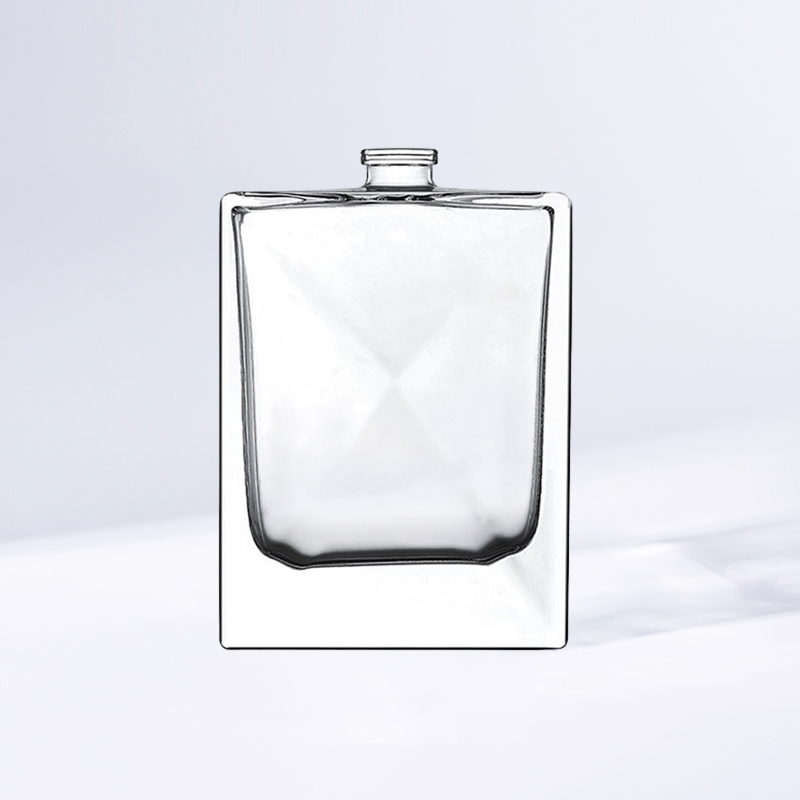
J2249 Premium Transparent Glass Perfume Bottle 104ml. Made of clear glass with a sleek metal dome cap. Dimensions: 66.8x40.5x96.3mm, 260g. Suitable for daily use, travel, and gifting. Transparent body...
See DetailsSustainable Glass Perfume Bottle Supplier: Recyclability & PCR Guide 2026
2026-10-30
Content
- 1 PCR Glass: How Much Recycled Content Is Realistic
- 2 Refillable Design: Engineering the Bottle for a Second Life
- 3 Decoration: The Part of the Bottle That Can Break Recyclability
- 4 Regional Sourcing: Middle East and South America
- 5 Sourcing Decision Matrix for Sustainable Glass Perfume Bottles
- 6 Why Jili for Your Sustainable Glass Perfume Bottle?
The conversation around sustainability in fragrance packaging has moved past a simple binary. Glass has long been considered a recyclable material. But as a sustainable glass perfume bottle supplier, we see that the real question for B2B buyers in 2026 is not whether glass can be recycled. It is whether the entire package, from glass composition to decoration to closure, is designed for the recycling stream it will actually enter.
New packaging regulations in Europe are changing the specification process. Glass packaging placed on the market must meet strict recyclability standards in the coming years. For fragrance brands sourcing a recyclable perfume bottle manufacturer, these rules require a closer look at design. Buyers in Saudi Arabia, the UAE, Brazil, and Colombia are also watching closely, because European standards often shape global sourcing expectations.
Here is what matters when sourcing a sustainable glass perfume bottle in 2026.
PCR Glass: How Much Recycled Content Is Realistic
Post-consumer recycled glass provides a direct way to reduce the carbon footprint of a perfume bottle. Using recycled glass in the furnace significantly reduces energy consumption and lowers emissions compared to using raw materials. But PCR content levels vary widely across the market.
A PCR glass perfume bottle can now be specified at different percentages. Some luxury launches use a moderate amount of PCR glass while preserving complex molded relief patterns. Others have moved to higher PCR content, with manufacturers obtaining third-party certification for verified recycled content in cosmetic applications. In the Brazilian market, fragrance brands have incorporated recycled glass into their bottles for years to support their sustainability goals.
For B2B buyers, the practical question is not whether PCR is available. It is what PCR level aligns with your brand positioning, your target market, and your decoration requirements. Higher PCR content can affect glass color and clarity, so testing is essential before committing to a production run.
Refillable Design: Engineering the Bottle for a Second Life
A sustainable glass perfume bottle is not only about what goes into the glass. It is also about how long the bottle stays in use. Refillable systems extend product life and reduce the number of new bottles entering the market.
The engineering details matter. A refillable format requires a neck finish that can withstand repeated opening and closing. Screw neck designs allow consumers to unscrew the pump, refill the bottle, and reassemble it. This also makes component separation easier at end-of-life.
Several eco-designed bottles on the market reduce glass mass significantly compared with conventional formats. They use screw necks for both refilling and component separation. Other refillable designs focus on reducing weight to cut energy use, with screw finishes that support refilling and recycling.
For a refillable glass bottle B2B buyer, the specification checklist should include the neck standard, the pump compatibility, and the drop and leak test data for repeated use. A refillable bottle that leaks after the second refill does not deliver the sustainability outcome it promises.
Decoration: The Part of the Bottle That Can Break Recyclability
Glass is inherently recyclable. Decoration is where recyclability can be compromised. Under the new European framework, recyclability is assessed on the complete package design, not the glass body alone. Silicone-coated neck finishes, ceramic decals containing heavy-metal pigments, and plastic inserts within metal closures can move a package into a lower recyclability band.
For an eco-friendly perfume packaging brief, decoration choices should be evaluated against the recycling stream in the destination market.
Screen printing and hot stamping can be compatible with recycling when formulated with water-based or UV-curing inks and applied at controlled thickness. Some decoration suppliers now offer organic inks and water-based lacquers specifically for fragrance glass.
Metallization and electroplating create a metallic finish but can require a chemical removal step before the glass can be recycled, which adds cost and is not available in every market.
Laser engraving and mold-embossed relief avoid added materials entirely. A recyclable perfume bottle manufacturer that offers in-mold relief or laser marking can achieve brand differentiation without compromising the glass's recyclability grade.
The sourcing implication is straightforward: ask your sustainable glass perfume bottle supplier for decoration compatibility data, not just a visual sample. A Declaration of Conformity should identify the decoration composition and the resulting recyclability grade for the target market.
Regional Sourcing: Middle East and South America
Sustainability requirements are not uniform across markets. A sustainable glass perfume bottle supplier should understand where recycled content and refillability carry the significant weight, and where design preferences require adaptation.
In Saudi Arabia and the UAE, luxury fragrance packaging places a strong emphasis on weight and ornamentation. PCR glass and refillable formats are gaining interest, particularly for travel retail and eco-positioned lines, but the specification often still prioritizes a substantial hand feel. The same PCR glass that works for a lightweight European refill may need to be paired with a heavier wall section in a Gulf market brief.
In Brazil and Colombia, the picture is different. Brazil has an established practice of incorporating recycled glass into fragrance bottles, and consumer-facing brands have used PCR content as part of their sustainability communication for years. A PCR glass perfume bottle specification for a Brazilian brand may require less internal justification than in a market where recycled content is a newer concept. Colombia and the broader South American region are also seeing growing interest in refillable and eco-designed formats, particularly among brands targeting younger consumers.
For B2B buyers sourcing across these regions, the takeaway is to specify by market, not by a single global standard. A refillable glass bottle B2B program for the UAE may look different from the same program for Brazil.
Sourcing Decision Matrix for Sustainable Glass Perfume Bottles
| Decision Area | What to Verify | Why It Matters |
| PCR content | Verified percentage and third-party certification | PCR claims require documentation for brand and regulatory review |
| Refill mechanism | Neck standard, pump compatibility, cycle testing | A refill system must withstand repeated use without leakage |
| Decoration | Material composition, removal requirements, recyclability grade | Decoration can lower the package's overall recyclability rating |
| Closure coordination | Mono-material or separable design | Mixed-material closures can contaminate the glass recycling stream |
| Documentation | Declaration of Conformity, recyclability grade | EU buyers increasingly require this at the specification stage |
| Regional fit | Weight, finish, and decoration adapted to market expectations | Sustainability does not override local design preferences |
Why Jili for Your Sustainable Glass Perfume Bottle?
At Jili, we approach a sustainable glass perfume bottle as a system, not a single material choice. Our core expertise is glass bottle manufacturing with precision molding and consistent quality. We work with brands to evaluate PCR content options, refillable neck designs, and decoration techniques that align with the recycling requirements of their target markets.
Whether you are developing a PCR glass perfume bottle for a Brazilian launch, specifying a refillable format for the UAE, or preparing documentation for European recyclability grades, Jili can support the sourcing process from material selection through decoration coordination.
Related products
-
-
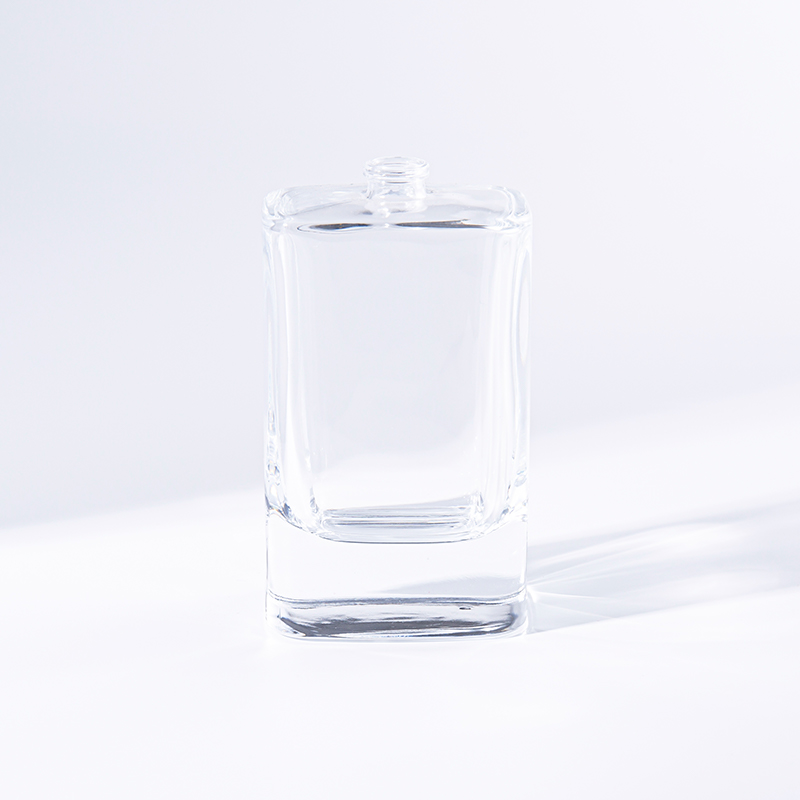
J2943 Crimp Perfume Bottle 80ml. Glass bottle with crimp neck for an airtight seal with spray pump. 80ml capacity. Ideal for commercial perfumes, eau de toilette. Transparent glass showcases liquid co...
See Details -
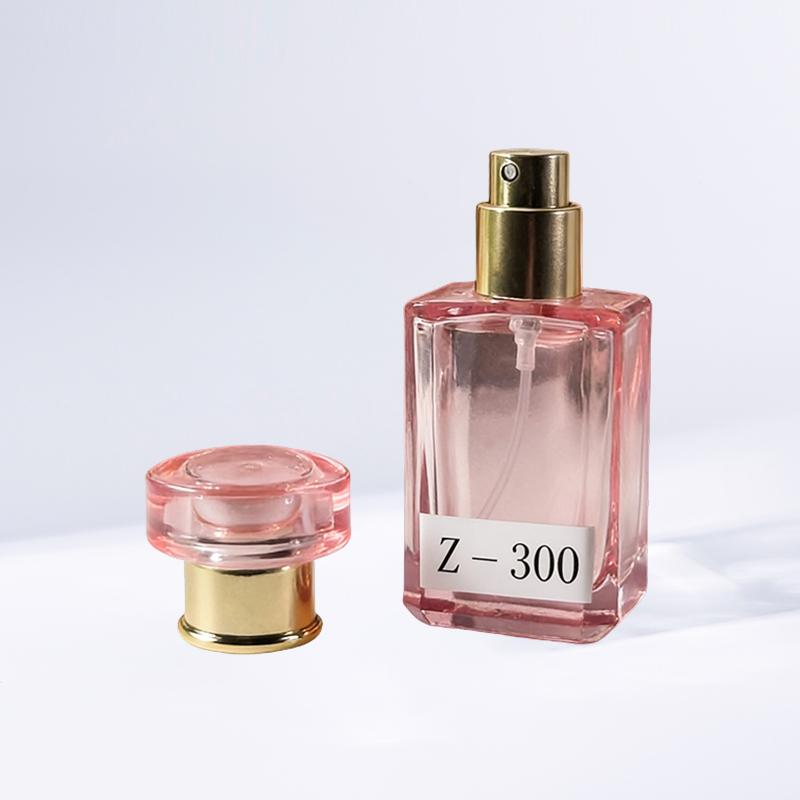
J3008 Fire Polished Crimp Perfume Bottle 100ml. Fire-polished glass for a smooth, bright surface. Crimp neck with standard spray pump. 100ml capacity. High clarity, airtight seal. Suitable for perfume...
See Details -
Advantages: ● The 35ml capacity is portable, and the square bottle design saves storage space.● 8mm wall thickness and crimp-seal closure enhance physical stability during transport and use.● The glas...
See Details
Recommended Links
Recommended News
Contact Info.
-
Tel.
+86 153 7158 1688 (Simon)
+86 181 3693 6668 (Mary)
+86 139 5117 2783 (Junwei Hua) -
Email
zl@jl-bl.cn (Simon)
mary@jl-bl.cn (Mary)
jwhua@jl-bl.cn (Junwei Hua) -
Address
Hongqiao Town, Taixing City, Taizhou City, Jiangsu Province, China
- Media
Leave Us for Quote
Copyright © Taixing Jili Glass Products Co., Ltd. All Rights Reserved. Custom Cosmetic Glass Packaging, Luxury Perfume Glass Bottle Manufacturer
