
 ENG
ENG  English
 русский
 Français
 Español
 عربى
عربى Türk
Türk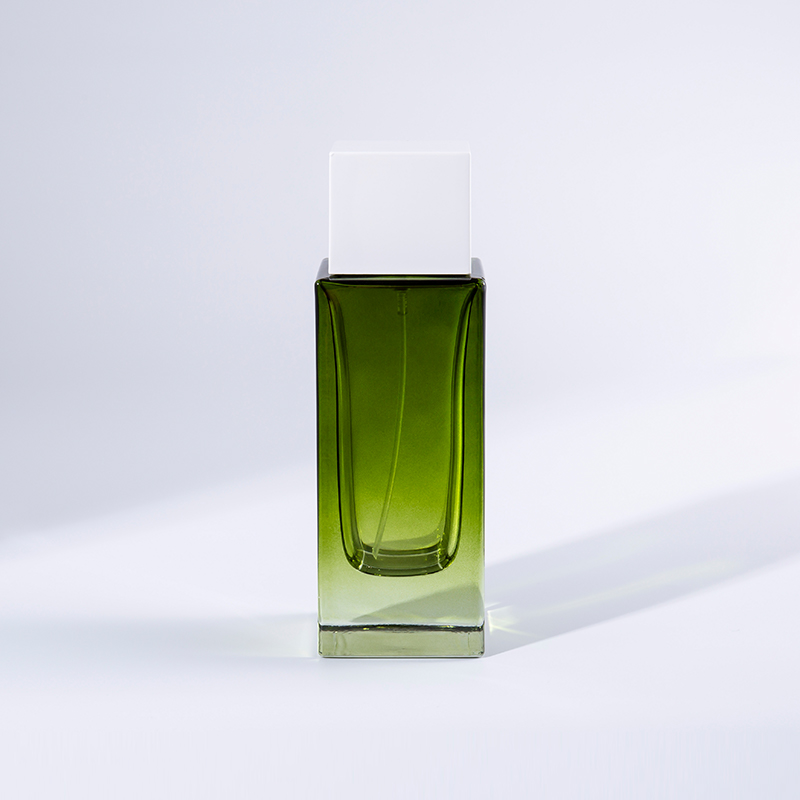
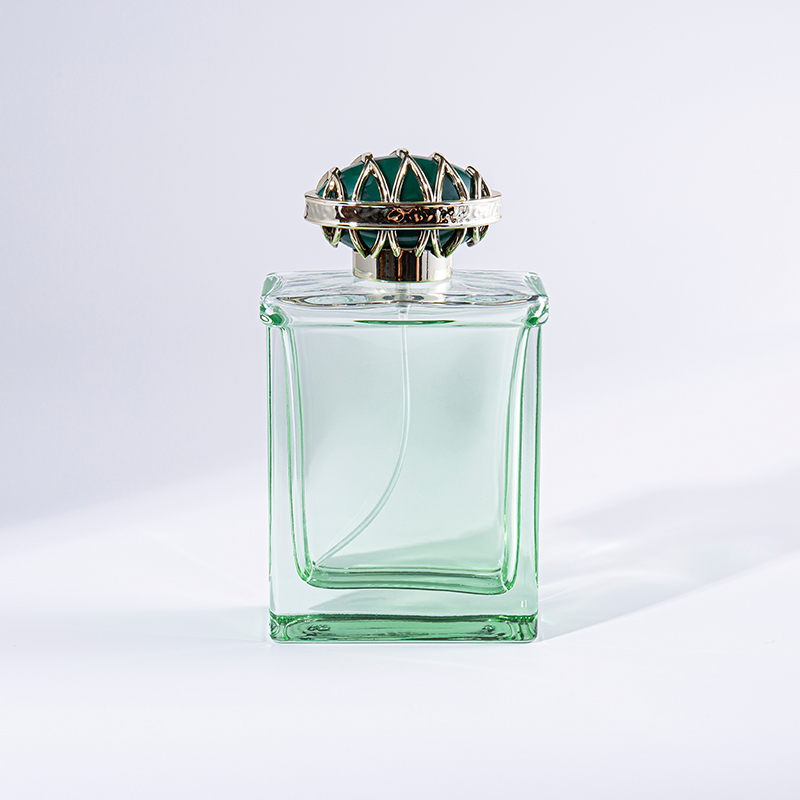
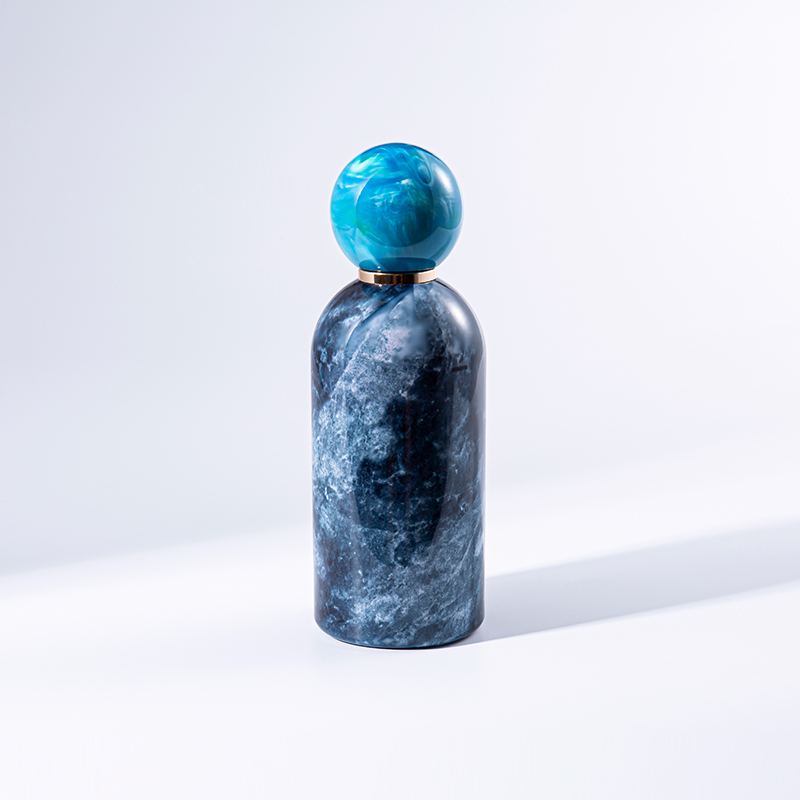
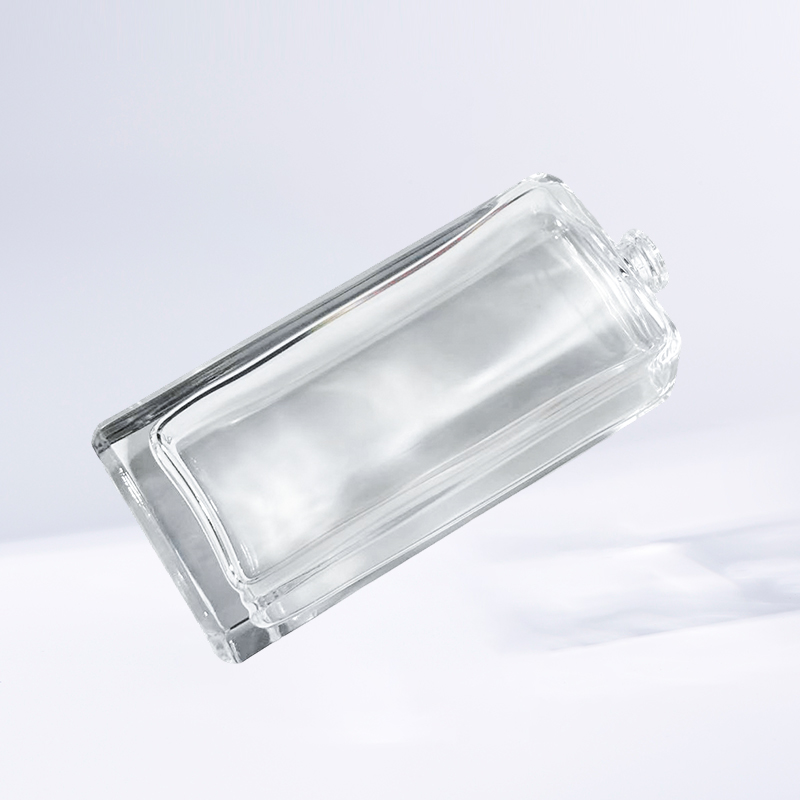
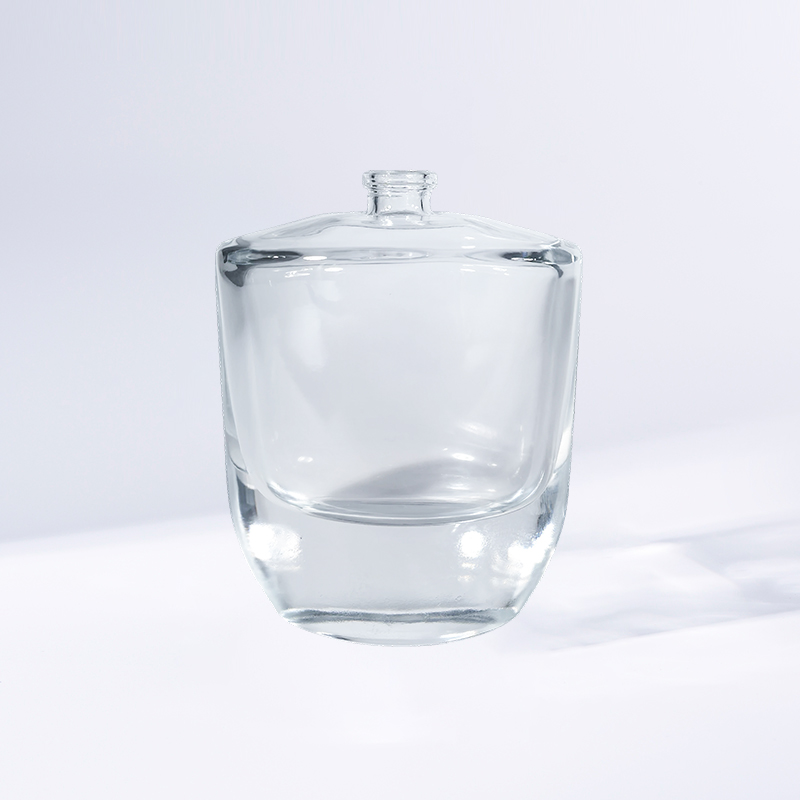
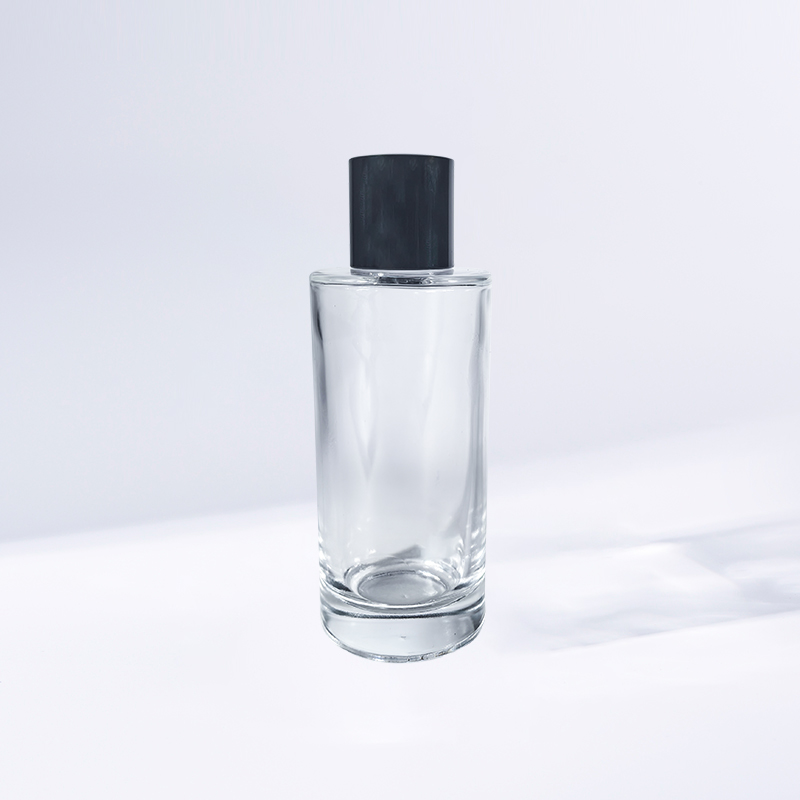
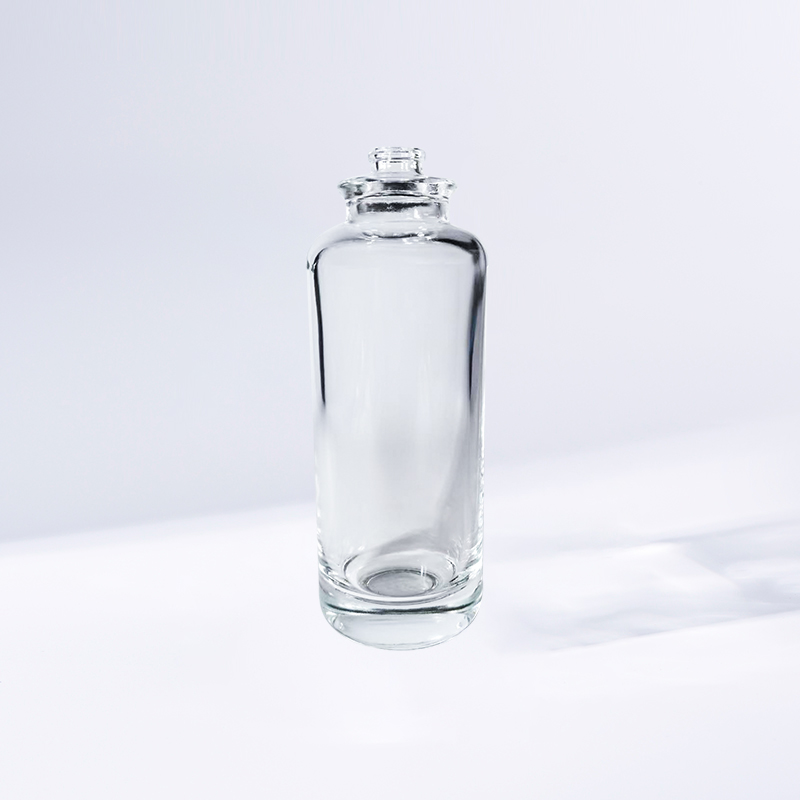
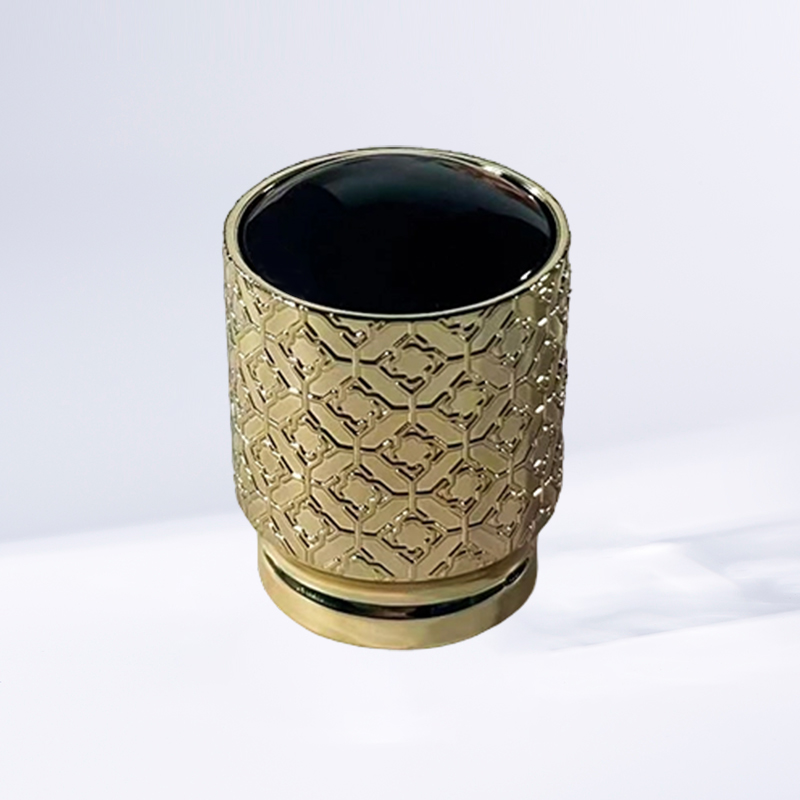
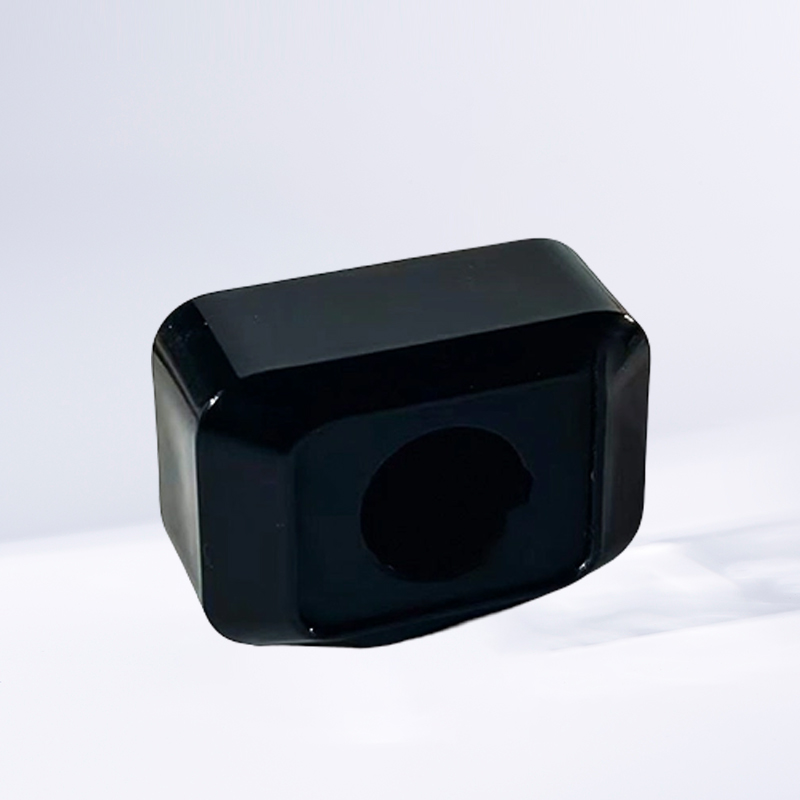
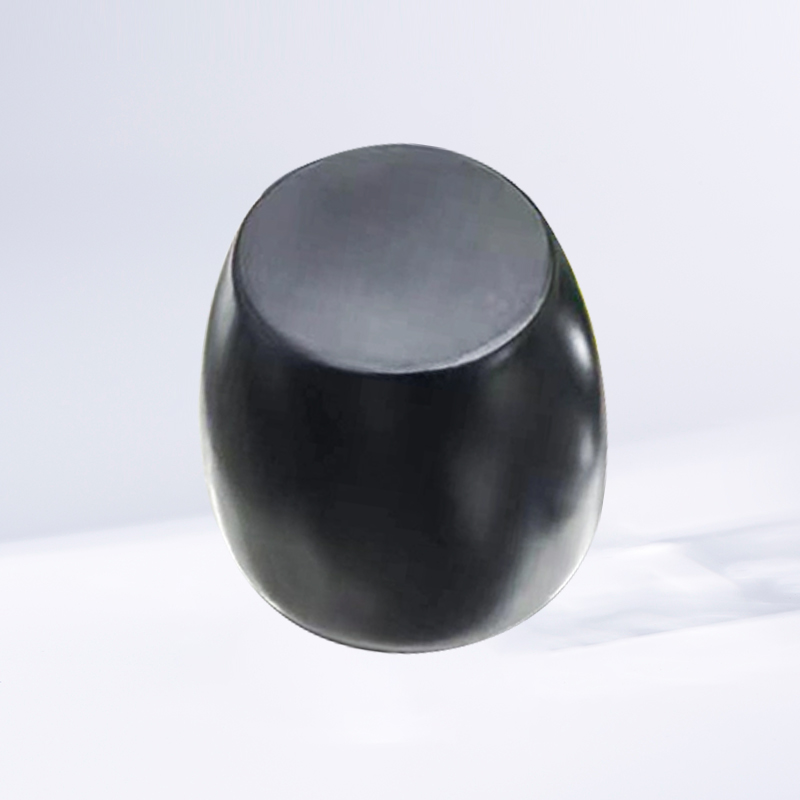
You need a perfume bottle set for a new fragrance line, and the first sample brief already reveals two problems: the 5...
READ MORE
Search
Categories
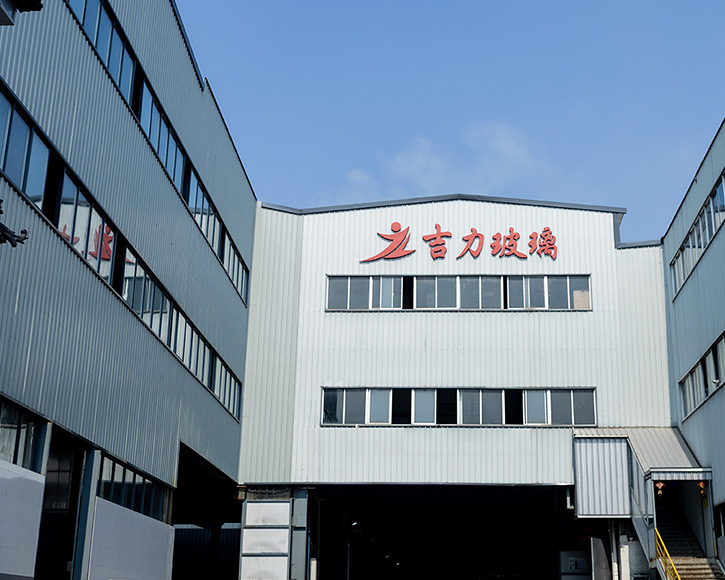
Taixing Jili Glass Products Co., Ltd.
Founded in 2008 with a 48-year industrial heritage, Jili Glass is a premier manufacturer of high-end cosmetic packaging in East China. Our 230-person expert team specializes in producing over 5,000 styles of glass bottles, supported by advanced R&D and integrated supply capabilities for sprayers and caps. We are China Empty Perfume Glass Bottles Manufacturers and OEM/ODM Empty Perfume Glass Bottles Company.
With 7+ automated production lines and a daily output of 500,000 units, we deliver comprehensive, one-stop solutions—from bespoke design to deep processing. Today, our global footprint spans over 30 countries, including the USA, France, and Italy, proudly serving more than 60 professional international brands with uncompromising quality.
FAQ
Customization & Samples
-
Do you offer custom bottle designs?
Absolutely. Beyond our 5,000+ existing molds, we specialize in bespoke 3D design.
We can create custom molds based on your sketches or technical drawings within 7–15 days.
-
What post-processing techniques do you provide?
We offer a full suite of decorations, including frosting, silk-screening, hot stamping, metallic coating, and color spraying.
Our in-house team ensures color consistency across every batch.
-
Can I get a sample before placing a bulk order?
Yes. We provide free stock samples (shipping cost excluded).
For custom samples with your specific branding, a sampling fee will apply, which is usually refundable upon reaching a certain order volume.
Order & Lead Times
-
What is your Minimum Order Quantity (MOQ)?
For items in stock, the MOQ is 5,00–50,00units.
For fully customized bottles requiring new molds, the MOQ typically starts at 10,000 units, depending on the complexity and size.
-
What is the typical delivery time for production?
Standard production takes 30–45 days after sample approval and deposit receipt.
For in-stock items, we can ship within 7–15 days.
Quality Control & Standards
-
How do you ensure the quality of high-end perfume bottles?
Our factory is ISO 9001 certified.
We implement a 3-step inspection process: raw material check, in-line automated inspection, and a final manual AQL (Acceptable Quality Level) check before packaging.
-
Are your glass bottles eco-friendly and safe?
Yes, our glass is recyclable and lead-free.
We comply with international standards (such as REACH and FDA) to ensure the safety of your formulations.
Shipping & Logistics
-
How do you handle the risk of breakage during shipping?
We use export-standard reinforced pallets and custom dividers.
While we maintain a breakage rate of less than 1%, any damage exceeding this threshold due to our packaging will be compensated for or replaced in your next order.
-
What shipping terms do you support?
We are experienced in global logistics and support EXW, FOB (Shanghai/Ningbo), CIF, and DDP terms, depending on your preference and location.
Payment & Confidentiality
-
What are your accepted payment terms?
For new clients, we typically require a 50% deposit via T/T, with the remaining 50% balance paid against the Bill of Lading (B/L) copy.
-
Will you protect my custom design intellectual property?
Confidentiality is our priority.
We are happy to sign an NDA (Non-Disclosure Agreement) to ensure your unique mold designs and branding are never leaked or sold to third parties.
Didn't find your answer? Contact Our Specialist.
Ask a QuestionMessage Feedback
Blog
-
-
Finding the right perfume cap supplier is a decision that goes beyond cost. The cap is the tactile experience a consume...READ MORE
-
When a fragrance brand briefs its packaging supplier for a new eau de parfum, the first practical question is rarely a...READ MORE
-
Choosing the right B2B perfume packaging supplier is a strategic decision that affects cost, quality, and brand percepti...READ MORE
-
When a skincare brand sends a request for quotation for its first 50 ml face cream, the packaging engineer does not pi...READ MORE
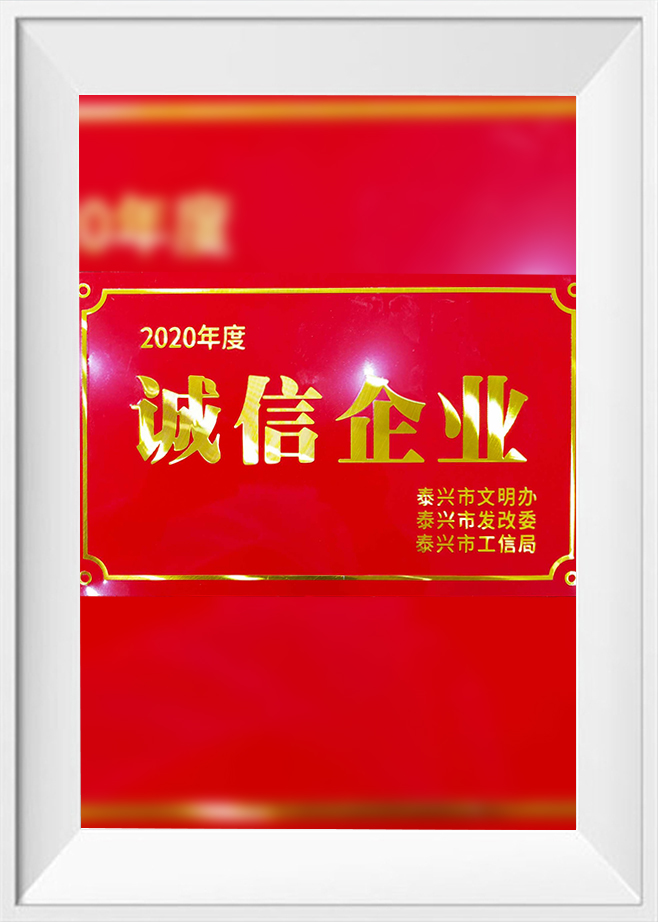
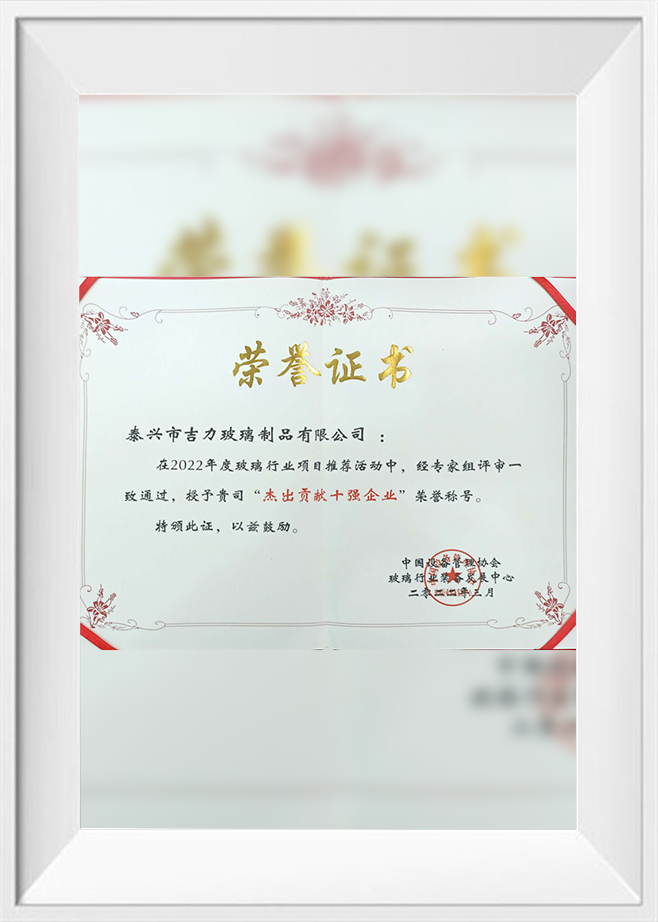
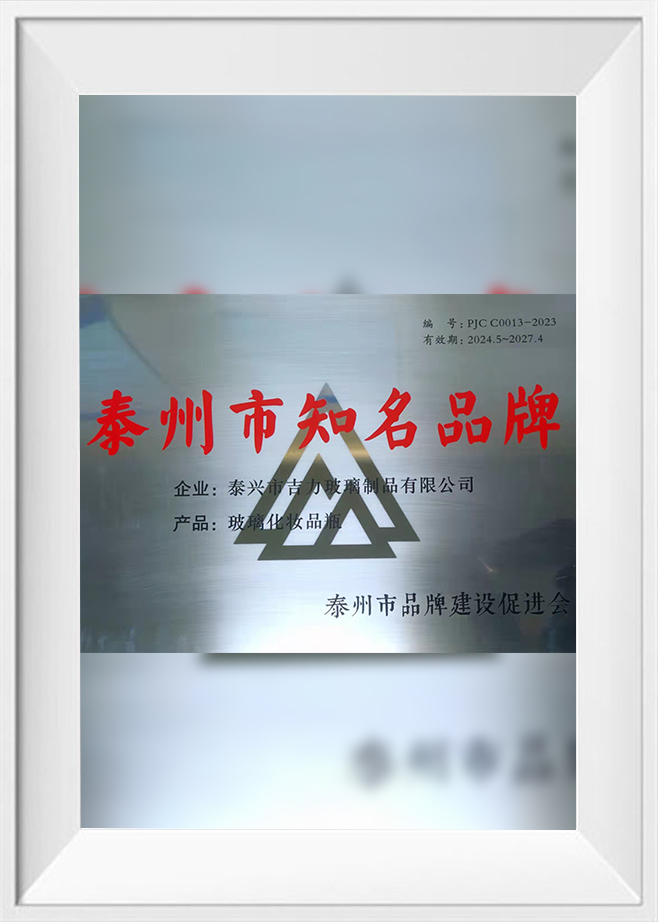
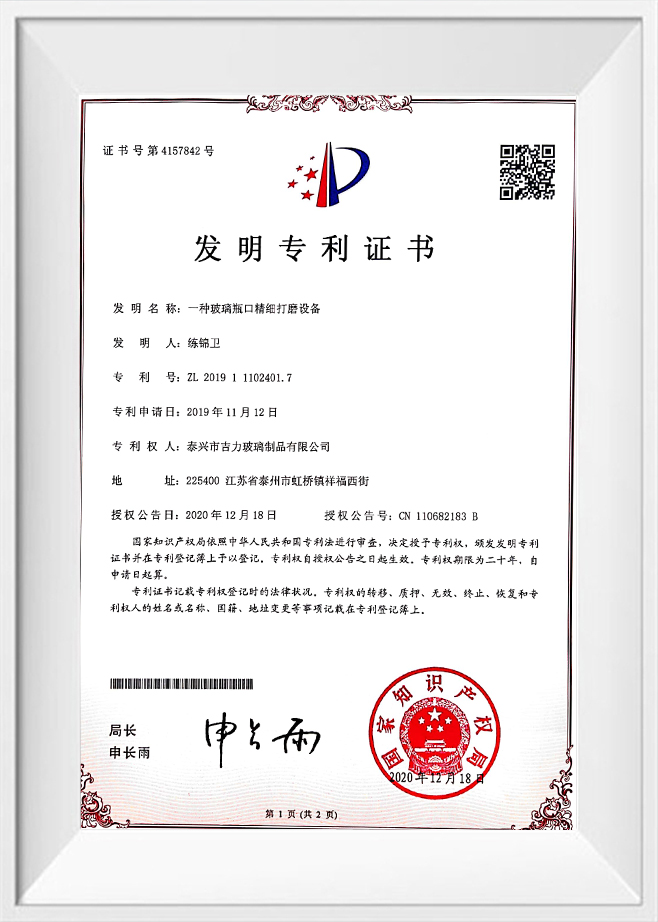
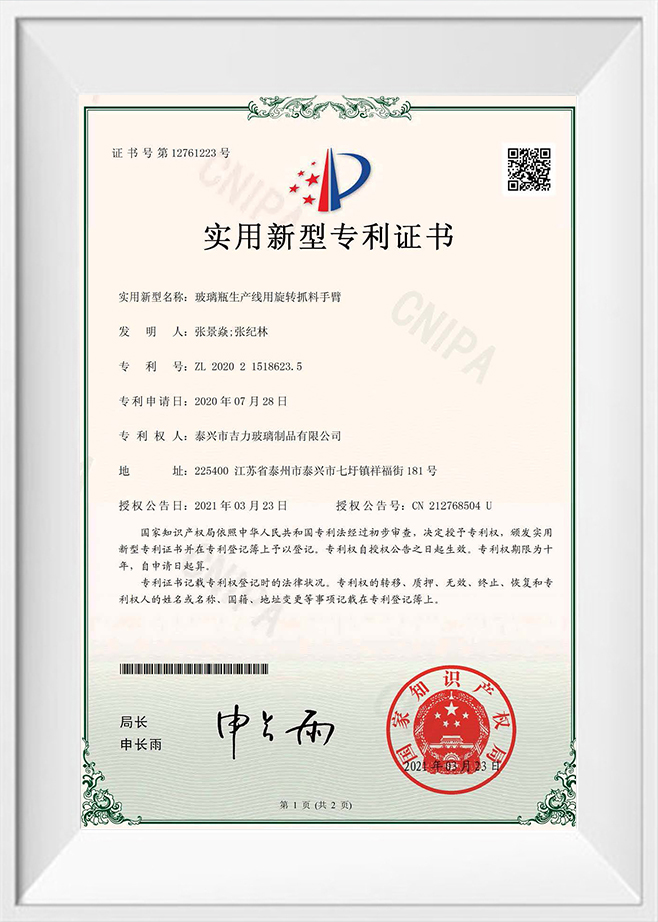
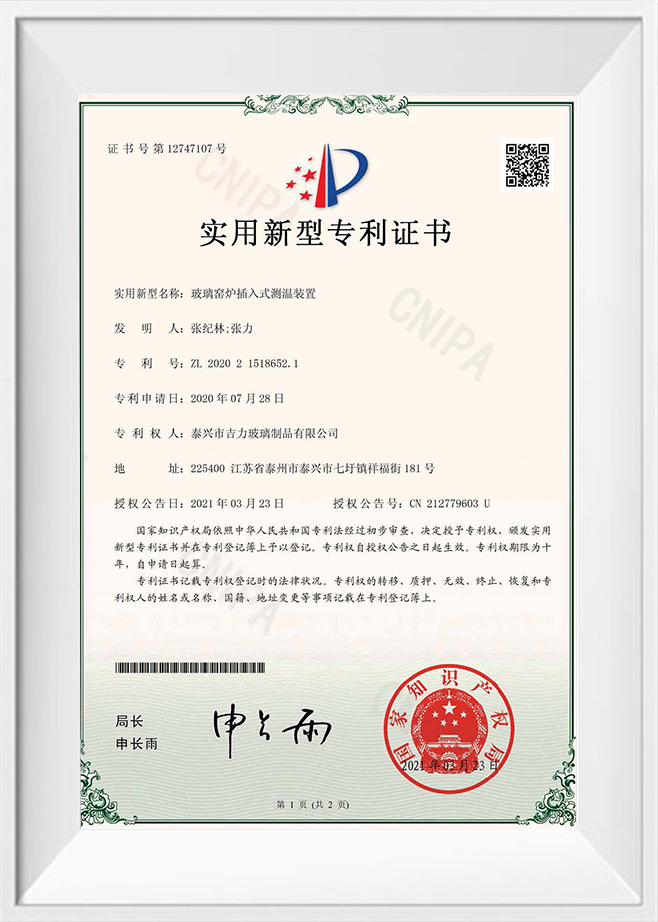
Certificate Of Honor
Perfume Bottle Industry knowledge
Why Brands Are Shifting to Unfilled Glass Bottle Sourcing
Taixing Jili Glass Products Co., Ltd. has observed a notable industry trend: an increasing number of fragrance and skincare brands are choosing to source empty perfume glass bottles directly from specialized manufacturers rather than relying on turnkey filling partners. This approach grants brands greater control over material quality, lead times, and unit costs, particularly for limited-edition launches or regional collections where flexibility is paramount.
By decoupling the bottle supply from the filling operation, companies can independently audit the glass composition, verify recycled content claims, and conduct compatibility testing with their proprietary fragrance formulations before production scales. This separation also simplifies supply chain logistics, allowing brands to ship empty bottles to multiple filling facilities across different markets without tying themselves to a single integrated vendor. The result is a more resilient procurement model that can adapt to fluctuating demand and evolving sustainability requirements.
Key Factors in Selecting Reliable Empty Bottle Suppliers
When evaluating sources for Empty Perfume Glass Bottles, buyers should look beyond surface-level aesthetics and delve into dimensional consistency and neck-finish precision. A variation of even 0.1 mm in the bottle neck can cause sealing failures during automated filling, leading to leakage, evaporation, or contamination. Reputable manufacturers employ laser measurement systems at multiple inspection points along the production line to maintain tolerances within ±0.05 mm on critical dimensions.
Another crucial factor is annealing quality. Proper annealing removes internal stresses that accumulate during the forming process, and Taixing Jili Glass Products Co., Ltd. invests in precisely controlled annealing lehrs to ensure every bottle meets impact resistance standards. Without adequate stress relief, bottles may develop micro-cracks during transit or fail unexpectedly when subjected to the mechanical forces of high-speed filling equipment. Buyers should request polariscope inspection reports that confirm residual stress levels are within safe limits.
Customization Possibilities Without Compromising Lead Times
The ability to customize empty perfume bottles has expanded dramatically with the advent of CNC-machined prototype molds and 3D-printed sampling tools. Brands can now iterate through multiple design variations — adjusting the bottle's silhouette, base profile, shoulder curve, and punt depth — within weeks rather than months. This accelerated design cycle enables brands to test consumer responses to different tactile and visual elements before committing to full production tooling.
Surface finishing techniques offer another layer of differentiation. From acid-etching and frost spraying to gradient color coatings and metallic screen printing, the range of decorative options allows a single base mold to serve multiple product lines. Importantly, these finishing processes can often be applied to standard stock bottles, allowing smaller brands to achieve a custom look without the investment of proprietary mold development. Partnering with a manufacturer that has integrated decorating capabilities streamlines the process and reduces the risk of quality inconsistencies across sub-contractors, a value that our clients at Taixing Jili Glass Products Co., Ltd. consistently recognize.
Sustainability Considerations in Empty Bottle Procurement
Empty glass bottles inherently support circular economy models because glass can be recycled indefinitely without loss of purity or quality. However, the environmental story deepens when brands select bottles manufactured with high percentages of post-consumer recycled content. This choice can reduce the carbon footprint of a fragrance package by up to 40% compared to bottles made from 100% virgin materials, a metric that aligns with the sustainability targets of many global beauty conglomerates.
Lightweight designs are also gaining traction in the Empty Perfume Glass Bottles category. By re-engineering wall thickness distribution and base geometry, engineers can remove excess glass while preserving the premium weight consumers associate with luxury fragrances. The challenge lies in maintaining the perceived quality — a bottle that feels too light may inadvertently signal lower value. Advanced modeling software now allows manufacturers to simulate both the structural performance and the subjective haptic experience of a design before cutting steel, ensuring that sustainability gains do not undermine the brand's market positioning.
Contact Info.
-
Tel.
+86 153 7158 1688 (Simon)
+86 181 3693 6668 (Mary)
+86 139 5117 2783 (Junwei Hua) -
Email
zl@jl-bl.cn (Simon)
mary@jl-bl.cn (Mary)
jwhua@jl-bl.cn (Junwei Hua) -
Address
Hongqiao Town, Taixing City, Taizhou City, Jiangsu Province, China
- Media
Leave Us for Quote
Copyright © Taixing Jili Glass Products Co., Ltd. All Rights Reserved. Custom Empty Perfume Glass Bottles Manufacturers
