
 ENG
 English
 русский
 Français
 Español
 عربى
 Türk
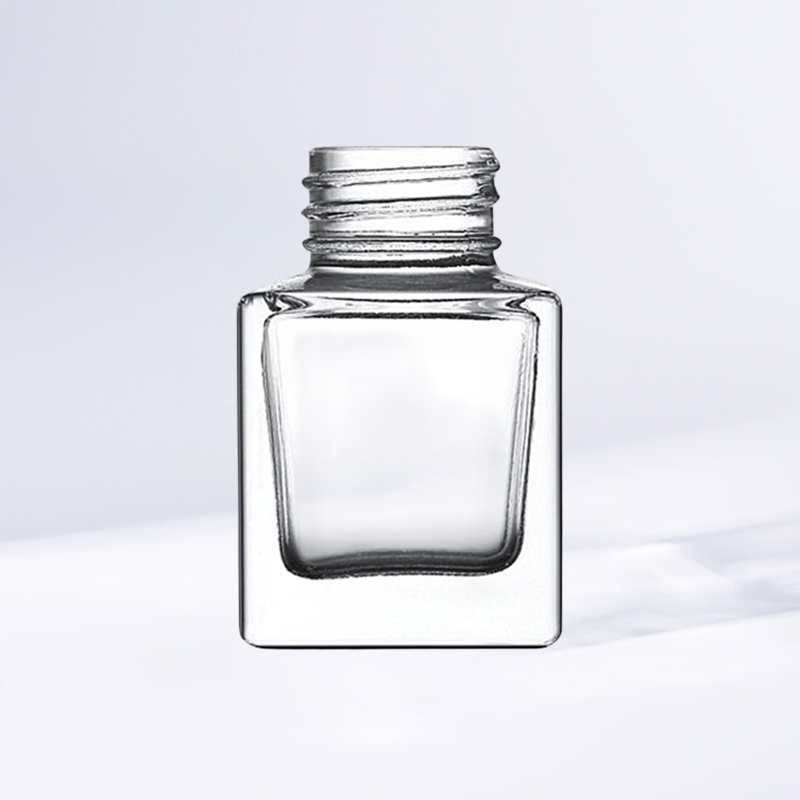
J2303 Screw-Top Aroma Glass Bottle 46ml. Compact transparent glass bottle with screw cap for secure closure. Dimensions: 42x42x64.6mm, 105g. Ideal for essential oils, fragrance oils, and portable use....
See DetailsAroma Bottle Packaging: A Buyer's Guide to Glass Bottles That Preserve Fragrance
2026-11-04
Content
- 1 What Aroma Bottle Packaging Includes
- 2 Glass Surface Finish Determines Clarity and Stability
- 3 Crimp or Screw: Matching the Closure to Your Filling Line
- 4 Capacity and Shape Selection for Aroma Bottle Packaging
- 5 Supplier Capabilities That Reduce Sourcing Risk
- 6 FAQ: Aroma Bottle Packaging Questions Buyers Ask
A fragrance brand launching a reed diffuser line in the Middle East discovered that its amber-tinted glass bottles caused the oil to turn cloudy within six weeks. The walls were thin, the rim was untreated, and the closure did not form a gas-tight seal. By the time the defect was found, 8,000 units had to be emptied and re-filled. Aroma bottle packaging is a material science decision disguised as a procurement task. This guide explains the specifications that matter when you source glass bottles for perfume, home fragrance, and essential oil products.
What Aroma Bottle Packaging Includes
Aroma bottle packaging is the complete glass, closure, and neck-finish system that protects a volatile fragrance against evaporation and contamination while delivering a controlled dose to the consumer. The word packaging in the aromatherapy and perfume industry refers to more than the visible bottle silhouette. Four components work together to keep the formulation stable. The glass body must resist chemical attack from the fragrance concentrate. The neck finish must match the capping method with tight dimensional tolerance. The closure must seal without leaking or cross-threading. And the surface treatment determines how the bottle behaves on the filling line and how it appears on the shelf.
Two specification failures dominate buyer complaints. One is a crimp head that seats unevenly on a poorly formed neck, causing invisible leaks that show up as sticky cartons in transit. The other is a screw thread with inconsistent pitch that makes caps difficult to close. Both issues are preventable when the bottle is produced on automated lines with controlled neck dimensions.
- Glass body, wall thickness 1.5 to 3 mm, clear, frosted, or amber
- Neck finish: crimp, screw, or dropper thread, precision-formed
- Closure: spray pump, crimp cap, screw cap, dropper, or orifice reducer
- Surface treatment: fire-polished, hand-polished, or as-molded
Formulation compatibility is the first test a bottle must pass. Low-grade soda-lime glass can leach alkali into fragrance oils with acidic elements, shifting the pH and changing the scent profile. Always request a 30-day accelerated storage test with your actual formulation before approving a production sample.
Glass Surface Finish Determines Clarity and Stability
Specify fire-polished or hand-polished glass when your product is transparent and your brand depends on visual purity. Polishing closes the micro-cracks where oil migrates, oxidizes, and becomes visible residue.
Glass straight from the mold has tiny fissures and faint forming lines that catch fragrance oil and turn into dark residue trails. Fire polishing melts the outer surface with a high-temperature flame, closing those openings and producing a smooth, glossy finish. Hand polishing adds a manual buffing pass that creates crystal-like brilliance for niche and luxury products.
At Taixing Jili Glass Products Co., Ltd., fire-polished and hand-polished finishes are standard options across the perfume and aroma bottle line. The production team selects the appropriate treatment based on the glass thickness and the intended closure system, because a heat-treated rim behaves differently under a crimp head than an untreated one. The relationship between glass surface and fragrance preservation is explored further in our analysis of why aroma glass bottles preserve scent better than plastic.
| Surface finish | Process | Visual result | Best suited for |
| As-molded | No post treatment | Standard clarity, faint mold seams | Opaque bottles or high-volume retail |
| Fire-polished | Flame treatment at high temperature | Smooth glossy surface, no micro-cracks | Transparent perfume and aroma sprays |
| Hand-polished | Manual buffing pass | Crystal-like brilliance, premium feel | Niche and luxury fragrance lines |
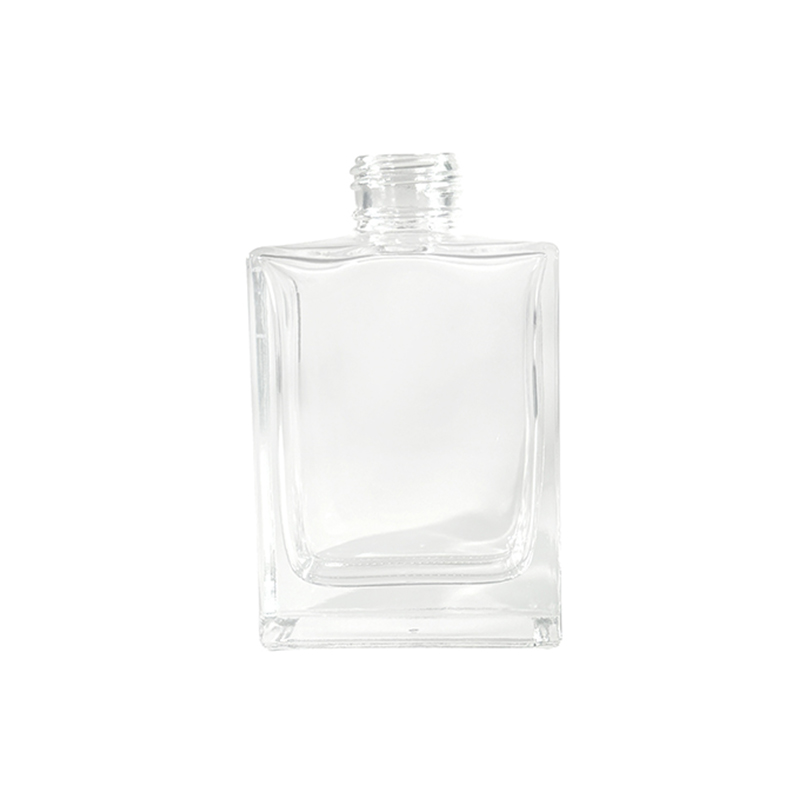 J2456 Premium Transparent Aroma Diffuser Bottle 105ml Rectangular Large CapacityJ2456 Premium Transparent Aroma Diffuser Bottle 105ml. Rectangular clear glass with a metal lid for a secure seal. Dimensions: 61.3x38.2x99mm, 198g. Space-saving desig...View Product →
Crimp or Screw: Matching the Closure to Your Filling Line
Choose a crimp neck when your product is an alcohol-based perfume spray that does not need to be refilled. Choose a screw neck when your product format requires a reusable cap, a dropper, or an orifice reducer for reed diffuser refills.
The neck finish is the most overlooked specification in aroma bottle packaging. A crimp closure is pressed onto the glass rim by a filling machine, producing a permanent, tamper-evident seal that cannot be removed without visible damage. A screw finish uses a continuous thread that lets the consumer remove and reattach the cap, which is essential for refillable formats.
Crimp closure
- Permanent, tamper-evident seal
- Faster filling line cycle
- Standard for alcohol sprays
- Requires crimping equipment
Screw closure
- Reusable and refillable bottle
- Works with pumps, caps, droppers
- Best for diffuser oils and blends
- Simpler equipment changeover
Each system has consequences beyond sealing. Crimp lines run faster because the machine does not need to orient the cap. Screw lines offer more flexibility because the same bottle can take a pump, a solid cap, a dropper, or an orifice reducer, depending on the filling campaign. For a medium-sized brand planning two or three SKUs on a single line, the screw format usually wins on versatility.
 J2302 Spray perfume bottle 53mlAdvantages: ● The solid wood cap suits non-spray products like aroma or roll-ons, evoking natural visual and olfactory associations. ● The flat square bottle's 52.5mm ...View Product →
Capacity and Shape Selection for Aroma Bottle Packaging
Match capacity to the usage cycle you want to create: 20 to 50 ml for travel and trial sizes, 50 to 100 ml for standard fragrance purchases, 100 to 120 ml for reed diffuser refills that should last two to three months.
Glass weight is a rarely mentioned but critical variable. A 50 ml aroma bottle with a wall thickness of 2 mm weighs 5 to 8 grams more than the same volume with 1.5 mm walls. Heavier glass signals quality to the consumer, but it raises freight cost and makes the bottle slower to heat in the filling process. The right balance depends on your price point and distribution model.
| Capacity | Product format | Consumer usage cycle | Typical shape |
| 20-50 ml | Travel spray, roll-on | 2-4 weeks | Slim cylinder or oval |
| 50-100 ml | Perfume spray, room spray | 4-8 weeks | Cylinder or pear-shaped |
| 100-120 ml | Reed diffuser refill | 8-12 weeks | Square or rectangular |
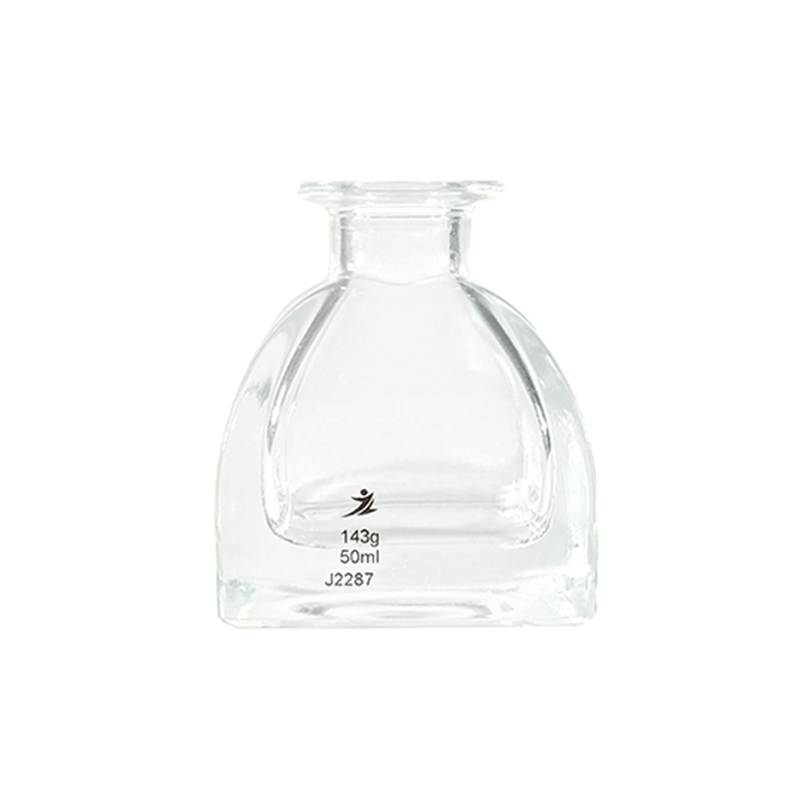 J2287 Square Aroma Diffuser Bottle 50ml Premium Quality Household Fragrance ContainerJ2287 Square Aroma Diffuser Bottle 50ml. Semi-transparent glass square bottle with clean lines. Dimensions: 52.1x52.1x61mm, 143g. Ideal for reed diffusers in the home ...View Product →
Supplier Capabilities That Reduce Sourcing Risk
Choose a supplier with in-house glass melting, a large mold library, and documented surface finishing capability. These three factors determine lead time, consistency, and whether you can fix a defect before it becomes a production issue.
A trading intermediary can sell you the same bottle shape at a lower price, but it cannot adjust the neck tolerance, change the batch chemistry, or re-polish a rim that fails your filling trial. Working directly with a glass manufacturer shortens the corrective loop. Taixing Jili Glass Products Co., Ltd. operates from a production site in Taixing, Jiangsu Province, China, with a daily melting output exceeding 60 tons and a catalog of more than 5,000 bottle shapes. The company runs 230 staff, 12 percent of them mid- and senior-level engineers, and supplies fragrance, aroma, lotion, and cream packaging to buyers in more than 30 countries, including markets in the Middle East, Europe, and North America.
5000+Bottle shapes
60+Tons daily output
30+Countries served
12%Engineering staff
Five checks reduce the risk of a bad first order. First, confirm the glass formulation uses low-iron soda-lime if you need maximum transparency. Second, request hand-polished or fire-polished samples and inspect the rims with a 10x loupe. Third, verify that the supplier sources matching caps and pumps from reliable subcontractors. Fourth, enforce a neck dimension tolerance of plus or minus 0.2 mm. Fifth, ask for export references from your category, especially if you ship to the Middle East, Europe, or North America.
- Confirm low-iron soda-lime glass for high transparency
- Inspect polished sample rims for micro-cracks
- Verify cap and pump sourcing in the same package
- Enforce a neck dimension tolerance of 0.2 mm
- Request export references in your product category
The company's stated production advantages are summarized on its manufacturing capabilities page, and a direct inquiry will usually return dimensional drawings and polish samples within a few days.
FAQ: Aroma Bottle Packaging Questions Buyers Ask
What is the difference between crimp and screw aroma bottles?
Crimp bottles use a metal cap pressed permanently onto the glass rim, which creates a tamper-evident seal suited to alcohol-based fragrance sprays. Screw bottles use a threaded neck that accepts reusable caps, pumps, or droppers, making them the right choice for refillable reed diffusers and oil blends.
What capacity should I choose for a reed diffuser?
Use 100 to 120 ml for a standard retail reed diffuser refill, which delivers three to four months of diffusion at normal usage. Smaller 40 to 50 ml bottles fit travel sets and promotional samples, and 200 ml plus formats work for premium large-capacity home fragrance refills.
How do fire-polished and hand-polished bottles differ in cost?
Fire polishing is a flame treatment that closes surface micro-cracks at a moderate cost increase over as-molded glass. Hand polishing adds a manual buffing step that produces crystal-like brilliance but increases labor cost, so it is usually reserved for premium perfume and high-end aroma lines.
Can I order custom-shaped aroma bottles with my own branding?
Yes. Most established glass manufacturers offer OEM and ODM services covering shape design, capacity, neck finish, polish level, and capping. Custom molds require a longer lead time and tooling investment, so confirm that the supplier also handles mold engineering and closure sourcing to keep quality responsibility under one roof.
Related products
-
-
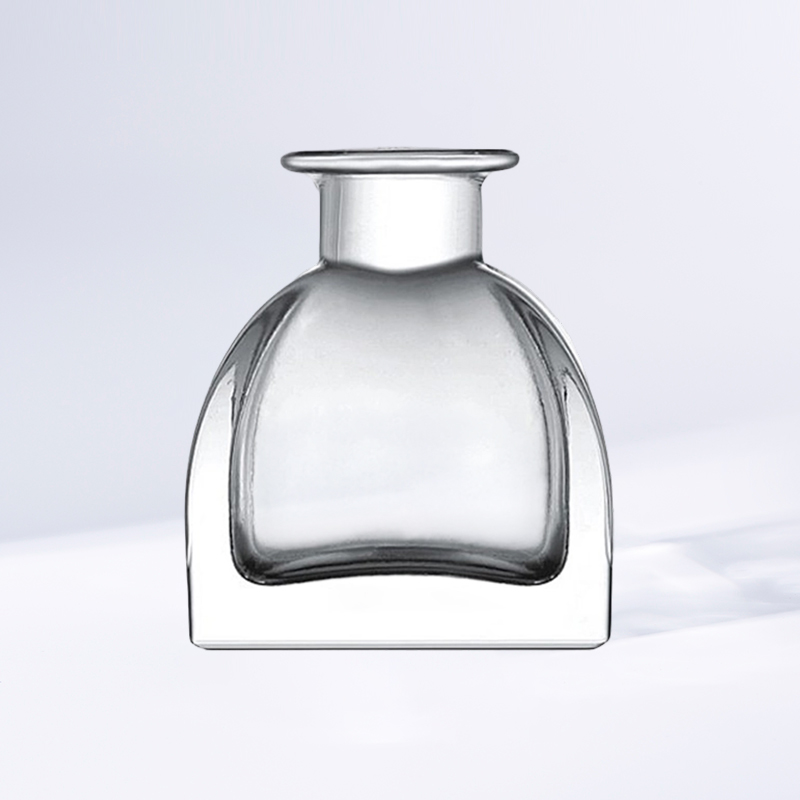
J2287 Square Aroma Diffuser Bottle 50ml. Semi-transparent glass square bottle with clean lines. Dimensions: 52.1x52.1x61mm, 143g. Ideal for reed diffusers in the home or office. Displays liquid color ...
See Details -
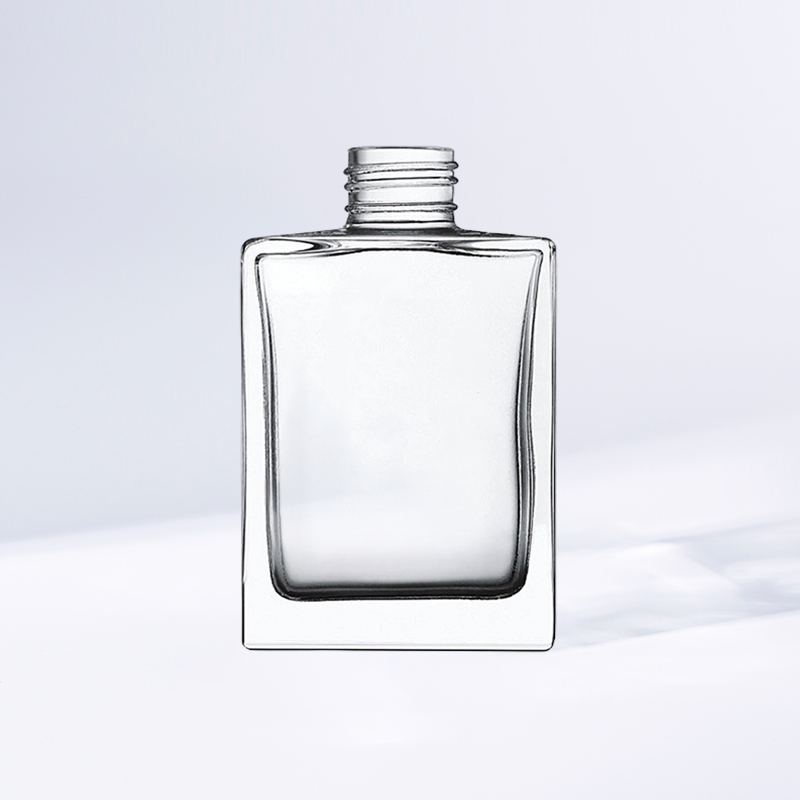
J2456 Premium Transparent Aroma Diffuser Bottle 105ml. Rectangular clear glass with a metal lid for a secure seal. Dimensions: 61.3x38.2x99mm, 198g. Space-saving design perfect for home, office, or as...
See Details -
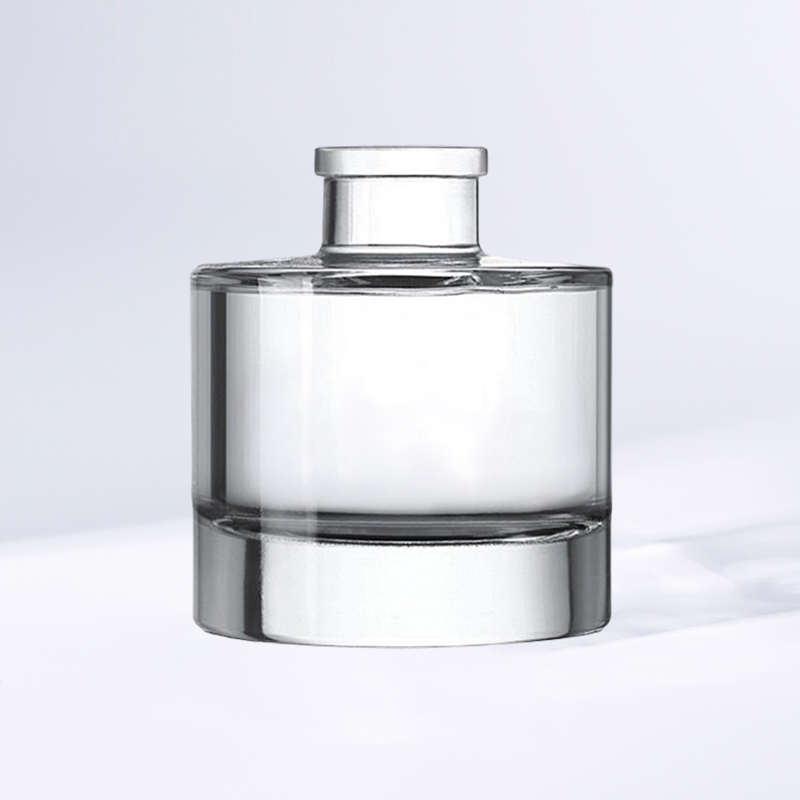
J2437 Square Aroma Diffuser Bottle 120ml. Large capacity clear glass square bottle (70x70mm base) with stable weight (293g). Designed for long-lasting home fragrance with reed sticks. Sealed neck mini...
See Details
Recommended Links
Recommended News
Contact Info.
-
Tel.
+86 153 7158 1688 (Simon)
+86 181 3693 6668 (Mary)
+86 139 5117 2783 (Junwei Hua) -
Email
zl@jl-bl.cn (Simon)
mary@jl-bl.cn (Mary)
jwhua@jl-bl.cn (Junwei Hua) -
Address
Hongqiao Town, Taixing City, Taizhou City, Jiangsu Province, China
- Media
Leave Us for Quote
Copyright © Taixing Jili Glass Products Co., Ltd. All Rights Reserved. Custom Cosmetic Glass Packaging, Luxury Perfume Glass Bottle Manufacturer
