
 ENG
ENG  English
 русский
 Français
 Español
 عربى
عربى Türk
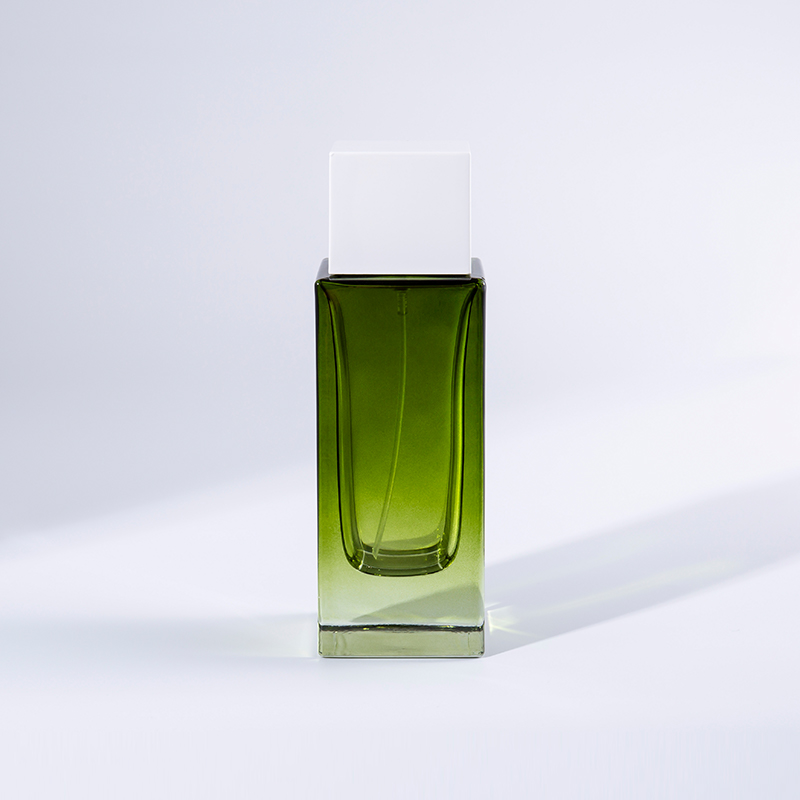
TürkJ2943 Crimp Perfume Bottle 80ml. Glass bottle with crimp neck for an airtight seal with spray pump. 80ml capacity. Ideal for commercial perfumes, eau de toilette. Transparent glass showcases liquid co...
See DetailsB2B Perfume Packaging Supplier: Fragrance Market Forecast 2026-2032
2026-09-15
Content
- 1 Market Growth: What the Numbers Show
- 2 Glass: The Dominant Material for Perfume Bottles
- 3 Sustainability: A Core Driver of Market Growth
- 4 E-Commerce: Reshaping Packaging Requirements
- 5 Regional Opportunities: Brazil, Mexico, and Beyond
- 6 What This Means for B2B Buyers
- 7 Why Jili for Your Perfume Bottle Needs?
Choosing the right B2B perfume packaging supplier is a strategic decision that affects cost, quality, and brand perception. The fragrance packaging market is expanding steadily. According to industry forecasts, the global market was valued at USD 4.22 billion in 2026 and is projected to reach USD 6.19 billion by 2032, growing at a compound annual growth rate of 6.55%. For any perfume bottle manufacturer or glass bottle wholesale partner serving the fragrance industry, this growth signals sustained demand and evolving requirements.
This forecast is not just a number. It reflects real shifts in how fragrance brands source packaging. Sustainability requirements, e-commerce growth, and changing consumer expectations are reshaping what brands look for in a packaging partner. Here is what buyers need to know about the B2B perfume packaging supplier landscape for 2026 to 2032.
Market Growth: What the Numbers Show
The fragrance packaging market is driven by multiple factors. Rising demand for premium and niche fragrances. Growth in emerging markets. The expansion of e-commerce as a primary sales channel. These forces combine to create a market that is both growing and evolving.
| Region | Market Position | Key Growth Driver |
| North America | Mature market, steady demand | Premium fragrance launches, refillable systems |
| Europe | Regulatory-driven innovation | PPWR compliance, PCR glass adoption |
| Asia-Pacific | Fastest-growing region | Rising disposable income, expanding middle class |
| Latin America | Emerging opportunity | Brazil and Mexico fast growth, refill-oriented formats |
| Middle East | High-value market | Luxury fragrance demand, premium packaging preferences |
The Asia-Pacific region is expected to witness the fastest growth during the forecast period, driven by rising disposable incomes and expanding middle-class populations in countries such as China, India, and Southeast Asia. Latin America, led by Brazil and Mexico, represents another significant opportunity, particularly for refill-oriented fragrance packaging formats.
Glass: The Dominant Material for Perfume Bottles
Glass remains the material of choice for premium fragrance packaging. Its chemical inertness, transparency, and infinite recyclability make it suitable for a wide range of fragrance formulations. A perfume bottle manufacturer serving the fragrance industry must understand the material's advantages and limitations.
Glass does not react with the alcohol and essential oils in perfume. This preserves the scent profile over time. Glass also allows consumers to see the color and remaining quantity of the fragrance, which is a visual cue associated with luxury. And glass can be recycled endlessly without loss of quality.
The glass bottle wholesale landscape is responding to these material advantages by investing in lightweighting, PCR glass, and refillable designs. These innovations address the sustainability requirements that are becoming standard across the industry.
Sustainability: A Core Driver of Market Growth
Sustainability is no longer a niche consideration in fragrance packaging. It is a core driver of market growth and innovation. The EU Packaging and Packaging Waste Regulation (PPWR) requires all packaging placed on the EU market to be recyclable by 2030. This regulation is pushing brands to rethink decoration, closure systems, and material choices.
A B2B perfume packaging supplier that offers PCR glass and lightweight options is better positioned to meet these requirements. Refillable systems extend bottle lifespan and reduce waste. Water-based lacquers and organic inks maintain recyclability. These are the solutions that brands are seeking.
Consumer expectations are also shifting. More shoppers prefer products with minimal environmental impact. They are willing to pay a premium for sustainable packaging. This creates opportunities for perfume bottle manufacturers that can deliver both luxury aesthetics and environmental responsibility.
E-Commerce: Reshaping Packaging Requirements
E-commerce now accounts for about 20% of global retail. This shift has direct implications for fragrance packaging. Perfume bottles must survive the journey from warehouse to customer. Glass is inherently fragile. Without proper packaging, breakage becomes inevitable.
For a B2B perfume packaging supplier, this means offering packaging solutions that balance visual appeal with transit durability. Bottle shape matters. Closure systems matter. The secondary packaging must protect the primary container. Brands sourcing packaging increasingly consider these factors when selecting a supplier.
Regional Opportunities: Brazil, Mexico, and Beyond
The fragrance packaging market is global, but opportunities vary by region. Brazil and Mexico represent significant growth markets in Latin America. The Latin America fragrance gift set market is expected to grow through 2035, with Brazil registering a 6.8% CAGR. This growth is driven by beauty brand packaging demand and strong activity around personal care production for the US nearshoring market.
In the Middle East, the GCC fragrance market was valued at USD 4.22 billion in 2025 and is projected to reach USD 5.31 billion by 2031. Saudi Arabia holds the largest market share in the region. The UAE serves as a global hub for luxury goods. For a glass bottle wholesale partner serving these markets, understanding regional preferences and regulatory requirements is essential.
Asia-Pacific remains the fastest-growing region. China, India, and Southeast Asia are driving demand for fragrance packaging as disposable incomes rise and middle-class populations expand. This creates opportunities for B2B perfume packaging suppliers that can offer competitive pricing and reliable quality.
What This Means for B2B Buyers
If you are sourcing fragrance packaging for your brand, here are a few considerations.
Start with the material. Glass remains the standard for premium fragrance. A perfume bottle manufacturer that offers PCR and lightweight options can help you meet sustainability goals.
Consider the refill ecosystem. Refillable systems are gaining traction. A B2B perfume packaging supplier that understands screw neck design and durable neck finishes is better positioned to support your refill strategy.
Evaluate regional requirements. Markets like Brazil, Saudi Arabia, and China have specific regulatory and logistical requirements. Work with a supplier that understands these differences.
Plan for e-commerce. If you sell online, packaging must survive transit. Work with a glass bottle wholesale partner that provides testing data and design guidance.
Why Jili for Your Perfume Bottle Needs?
At Jili, we understand that the fragrance packaging market is evolving. As a B2B perfume packaging supplier, our core expertise is glass bottle manufacturing with precision molding and consistent quality. We offer a range of sizes, shapes, and decoration options to meet the needs of fragrance brands worldwide.
Whether you are launching a new fragrance or expanding into new markets, Jili can help you create packaging solutions that align with market trends and buyer expectations.
Browse Jili's Perfume Bottle Collection: www.jiliglass.com
Related products
-
-
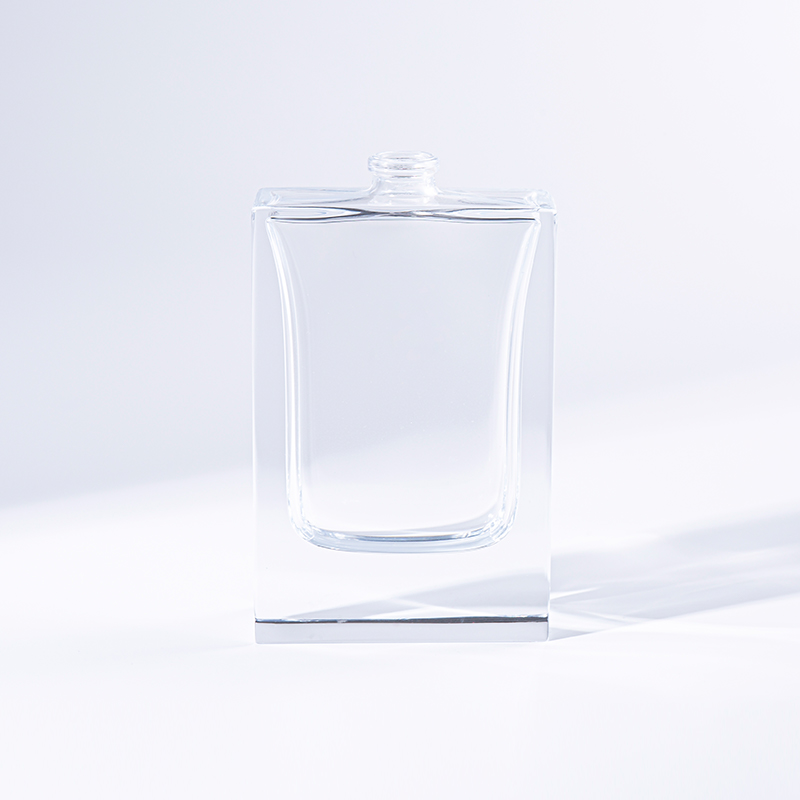
Z-442 Hand Polished Crimp Perfume Bottle 50ml. Hand-polished clear glass with a smooth finish. Aluminum crimp cap and precision spray nozzle. 50ml compact size. Ideal for travel, personal use, and gif...
See Details -
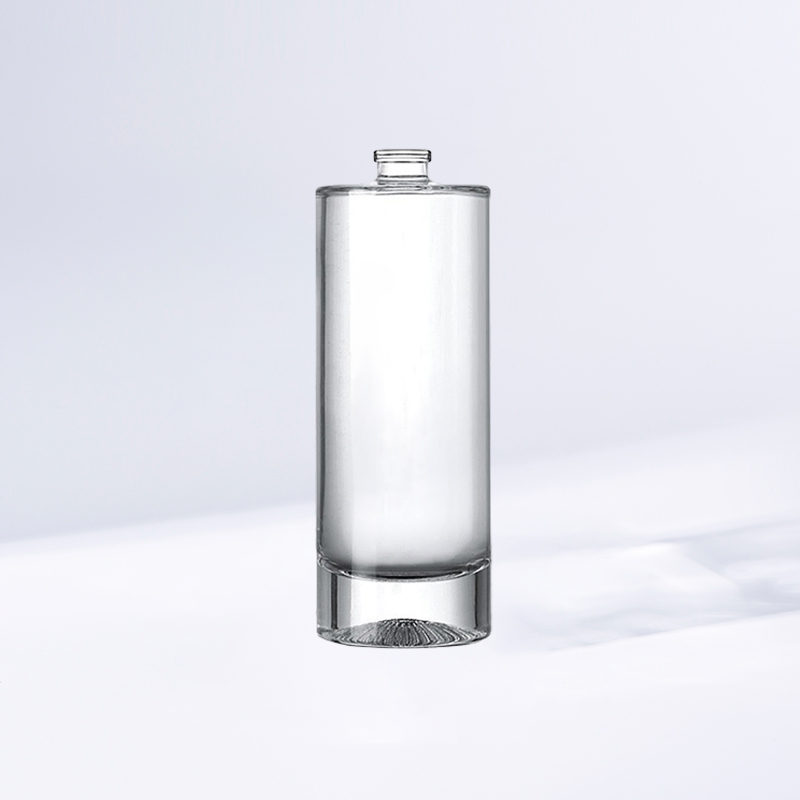
J2433 Transparent Cylinder Screw-Top Perfume Bottle 100ml. Features a clear glass cylindrical body with a stable, wide base and a color-matched screw cap for secure sealing. Dimensions: 63x63x85mm, we...
See Details -
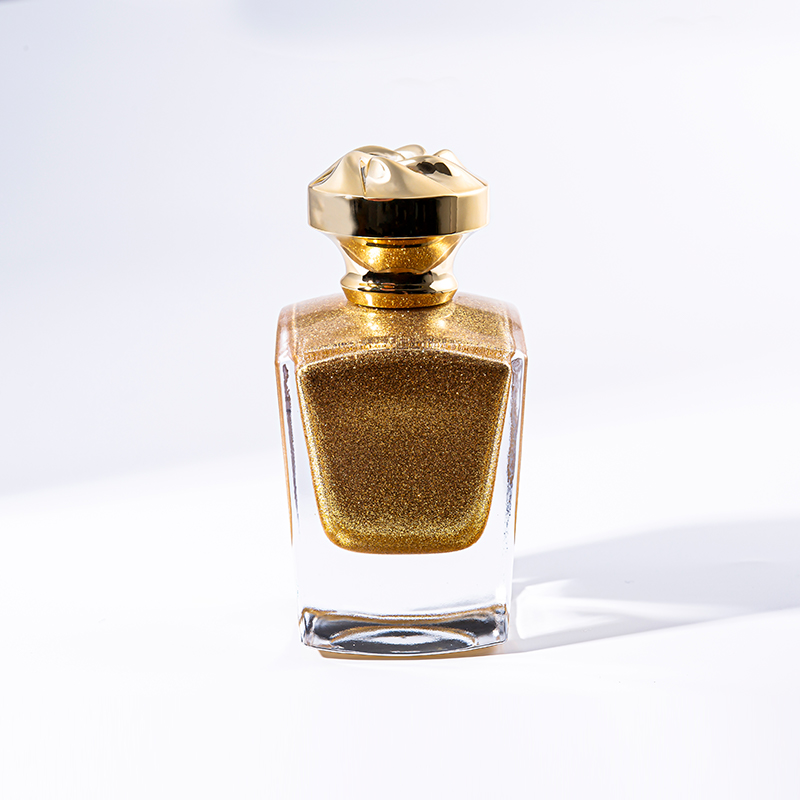
J2907 Crimp Perfume Bottle 100ml. Trapezoidal profile (wide base, narrow top) for stability. Semi-transparent glass with diffused light. Crimp neck with a pump. 100ml capacity. Anti-slip base. Ideal f...
See Details
Contact Info.
-
Tel.
+86 153 7158 1688 (Simon)
+86 181 3693 6668 (Mary)
+86 139 5117 2783 (Junwei Hua) -
Email
zl@jl-bl.cn (Simon)
mary@jl-bl.cn (Mary)
jwhua@jl-bl.cn (Junwei Hua) -
Address
Hongqiao Town, Taixing City, Taizhou City, Jiangsu Province, China
- Media
Leave Us for Quote
Copyright © Taixing Jili Glass Products Co., Ltd. All Rights Reserved. Custom Cosmetic Glass Packaging, Luxury Perfume Glass Bottle Manufacturer
